Support

Kifune Shrine

About

Kifune Shrine (Kifune-jinja) is a famous Shinto shrine located in a picturesque mountain valley in the north of Kyoto, Japan. Shrouded in thick forests at one of the sources of the Kamo-gawa River, this place is dedicated to the deities of water and rain. Kifune Shrine is considered one of the most revered places for worshipping the forces of nature and making requests for prosperity, a bountiful harvest, and the fulfillment of cherished desires.
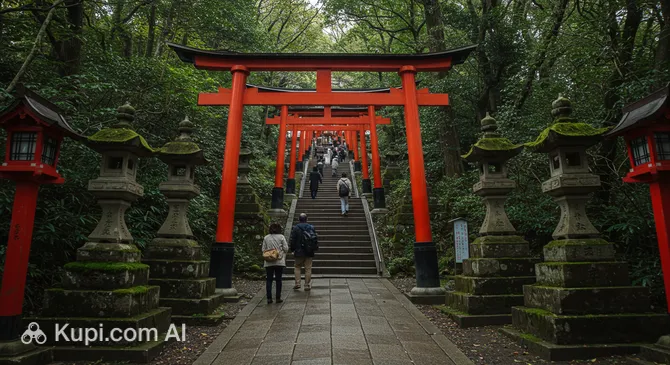
Kifune Shrine. Illustration.
Source: Kupi.com AI

Traveler photos:

The architectural ensemble of Kifune-jinja is built in a traditional Japanese style and harmoniously blends into the surrounding natural landscape. The complex includes several key structures: the main shrine (hongu), the more secluded inner shrine (okunomiya), and the small but significant Yui-no-yashiro Shrine, known as a place for prayers for happy relationships and strong bonds.

Kifune Shrine is famous for its special atmosphere of solitude and deep spirituality. This makes it attractive both for pilgrims seeking spiritual purification and connection with the deities, and for tourists wishing to touch ancient traditions and enjoy the beauty of Japanese nature. Visitors come here to feel the tranquility of this sacred place and perhaps receive a unique "mizu-ura-mikuji" fortune prediction, which appears on paper only after being dipped into the holy water of the spring.

Contacts

Unfortunately, finding direct contact details for Kifune Shrine, such as a phone number or email address, in Russian is difficult. To obtain the most up-to-date information regarding opening hours, potential events, and other details, we recommend referring to the official tourism portals of Kyoto and Japan, as well as English or Japanese information resources. Sometimes useful information can be found on information boards located directly at the shrine itself.

How to contactContact
Address180 Kuramakibunechō, Sakyo Ward, Kyoto, 601-1112, Japan
Phone number+81 75-741-2016
Websitekifunejinja.jp

What to Do

Visitors to Kifune Shrine can enjoy an unforgettable walk along the picturesque stone staircases decorated with rows of traditional red lanterns. This path is especially impressive in misty or rainy weather, when the atmosphere becomes even more mysterious and peaceful, creating ideal conditions for contemplation and photography.

One of the most unique traditions available at Kifune Shrine is omikuji fortune-telling on water. Visitors purchase a special piece of paper with a prediction, which is then dipped into the holy spring — the text of the prediction only appears upon contact with water. This unusual and interactive fortune-telling attracts many who want to know their fate. In addition, traditional Shinto ceremonies dedicated to the deities of water and rain are often held at Kifune-jinja, which tourists can observe, immersing themselves in the atmosphere of ancient rituals.

In addition to spiritual practices, guests of the shrine can purchase various amulets and charms for good luck, protection, or the fulfillment of wishes. In the summer months, the Kifune Valley is transformed thanks to seasonal restaurants that set up special platforms directly over the river. Here you can taste local cuisine while enjoying the cool of the mountain stream and the picturesque views — a wonderful opportunity to combine a cultural experience with gastronomic pleasure.

Getting There

You can reach Kifune Shrine from the center of Kyoto by public transport, which in itself will become part of your journey. The main route involves taking the Eizan Electric Railway train line to station Kibuneguchi. From this station to the shrine itself, you will need to cover about two kilometers. This part of the journey can be done on foot, enjoying the picturesque views of the mountain valley and the river, or you can use a local bus that runs between the station and the shrine.

The walk from Kibuneguchi station to Kifune Shrine is particularly recommended for those who appreciate natural beauty and a peaceful atmosphere. The path goes along the river, and every turn reveals new breathtaking landscapes. This is a wonderful opportunity to get into the right frame of mind before visiting the holy site and to take some great photos.

For hiking enthusiasts and those seeking longer routes, there are also hiking trails. One popular trail connects the valley where Kifune Shrine is located with the neighboring Kurama Valley, home to the famous Kurama-dera Temple. This allows you to combine a visit to two significant spiritual sites in one trip. There are signs on the routes to make navigation easier, as well as public transport stops for the convenience of travelers.

Nearest city: Kyoto

History & Facts

The history of Kifune Shrine, or Kifune-jinja, is rooted in deep antiquity, although the exact date of its founding remains unknown. The first documentary mention of it dates back to 814, when Emperor Saga sent his messengers here with prayers for rain, which emphasizes the shrine's original connection with the water element. Since ancient times, Kifune-jinja has been held in special esteem and was among the 22 elite temples supported by the imperial court during the Heian period. This high status was maintained later as well: from 1871 to 1946, the shrine officially belonged to the highest category of state shrines, known as kanpei-taisha.

Interestingly, Kifune Shrine was not originally located where we see it today. Its historical heart was situated where the inner shrine, or Okunomiya, is now located. However, in 1055, due to repeated natural disasters, it was decided to move the main buildings to their current, safer location. This move allowed the sanctuary to be preserved for future generations and to continue its important spiritual mission.

The architecture of Kifune Shrine is a beautiful example of traditional Japanese craftsmanship. The main hall (honden) is built in the nagare-zukuri style, characterized by an asymmetrical gabled roof that curves gently over the entrance. The entire architectural ensemble fits wonderfully and harmoniously into the surrounding natural landscape, creating a sense of unity with the forest, mountains, and the nearby flowing river. This is a place where history and nature are woven together, offering visitors a unique experience of immersion in the culture of Japan.

Time Needed

To fully experience Kifune Shrine, it is recommended to set aside from 1.5 to 3 hours. This amount of time is generally sufficient to leisurely explore all the main parts of the temple complex, including the main shrine, the inner shrine, and Yui-no-yashiro Shrine.

By planning for such a time slot, you will be able to not only immerse yourself in the atmosphere of this sacred place but also enjoy a walk along the picturesque trails leading to the shrine and its surroundings. You will also have time to try the unique water omikuji fortune-telling or simply meditate while admiring nature.

If you plan to have lunch at one of the local restaurants, especially those that set up kawadoko platforms over the river in summer, you should add about another hour or an hour and a half to this time. In this case, the total stay can be about half a day, which will allow for the most complete and relaxed impression of your visit to Kifune Shrine.

Working Hours

Kifune Shrine is usually open to visitors daily, from early morning until evening. However, exact opening hours may vary depending on the time of year and the holding of special ceremonies or events. Therefore, to ensure your visit goes smoothly, it is strongly recommended to check the current schedule on the official website of the shrine or at local tourist information centers in Kyoto before your trip.

As a rule, for a regular visit to Kifune Shrine, advance ticket booking or registration is not required, and it is available for visits year-round. Nevertheless, if you plan to visit the shrine during major festivals or special events, it is worth checking in advance if there are any special entry conditions. Information about this is also most often available on official resources.

6:00 – 18:00

Nearby

A visit to Kifune Shrine will undoubtedly leave a deep impression on you, but exploring its surroundings can enrich your trip to Kyoto even further. Studying the nearby attractions will allow you to dive deeper into the culture and history of this amazing region of Japan, discovering new facets of its beauty and spirituality.

There are several interesting places near Kifune Shrine, each with its own unique atmosphere and history. This is a great opportunity to expand your itinerary and get a more complete picture of the diversity of Kyoto's cultural heritage.

NameDistance
Kyoto Imperial Palace10.9 km
Kyoto Gyoen National Garden11 km
Nijō Castle12.1 km
Shinpuhkan12.5 km
The Pink Kyoto12.6 km
Nanzen-ji Aqueduct12.7 km
Kitsune Kyoto12.7 km

Have you reached the end of the page?

So the route has been studied inside and out