Support

Shiogama Shrine

About

Shiogama Shrine is one of the most revered and ancient Shinto shrines in Japan, located in the city of Shiogama. Its history dates back over 1,200 years, and for centuries it served as the main spiritual center of the Tohoku region. The shrine is traditionally considered a protector of sailors, fishermen, and all those connected to the sea, reflecting the city's deep connection to its coastal location.
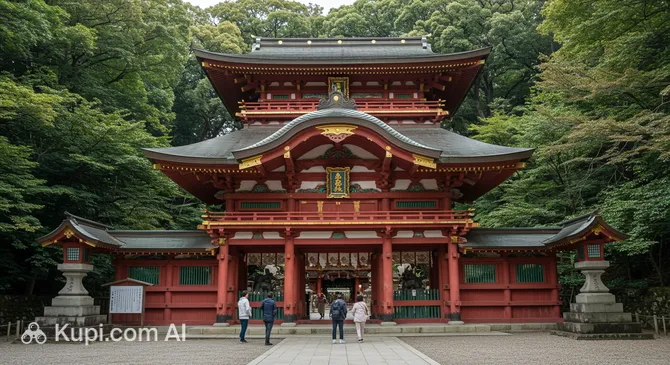
Shiogama Shrine. Illustration.
Source: Kupi.com AI

Traveller photos:

The shrine's architectural ensemble is impressive in its beauty and grandeur. It is situated on a wooded hill, offering stunning views. To reach the main halls, visitors must climb the famous steep stone staircase consisting of 202 steps. This climb is a pilgrimage in itself and symbolizes purification. The complex consists of several buildings designed in a traditional style and decorated with intricate wood carvings.

In addition to its spiritual significance, Shiogama Shrine is famous for its natural beauty. In spring, the grounds are blanketed in cherry blossoms, attracting many visitors. In particular, the rare Shiogama-zakura cherry tree variety, recognized as a national natural monument, grows here. The grounds also house a museum that stores valuable historical artifacts, including ancient swords and armor.

A visit to this place is a wonderful opportunity to immerse yourself in an atmosphere of peace and tranquility, touch the rich history and culture of Japan, and enjoy magnificent panoramic views of Matsushima Bay.

Contacts

For the most up-to-date information regarding the opening hours of Shiogama Shrine, special events, or other details, it is recommended to contact the administration directly. You can use the following contact details to plan your visit.

How to contactContact
Address1-1 Ichimoriyama, Shiogama, Miyagi 985-8510, Japan
Phone+81 22-367-1611
Websitewww.shiogamajinja.jp

What to Do

A visit to Shiogama Shrine is an immersion into the centuries-old history and spiritual atmosphere of Japan. The main challenge and a signature ritual for pilgrims is climbing the steep Omotesando stone staircase, which has 202 steps. This path leads to the main shrine buildings and symbolizes purification. Having overcome it, you will be rewarded not only with a sense of accomplishment but also with magnificent views of the city of Shiogama and Matsushima Bay.

On the shrine grounds, your attention will be drawn to the bright red pavilions built in a traditional architectural style. The complex includes several halls, each dedicated to different deities. A stroll through the well-kept gardens will bring peace, especially in spring when the unique "Shiogama-zakura" cherry trees, recognized as a national treasure, bloom. These trees bloom later than common cherry blossoms and are distinguished by their unusual double petals.

For a deeper understanding of the sanctuary's history, it's worth stopping by the local museum. Its exhibition houses ancient artifacts, samurai armor, and important documents detailing the shrine's significance as the main temple of the former Mutsu Province. Visitors can also participate in traditional rituals: leave an offering, pray for well-being, or purchase omamori—amulets for good luck and protection.

Getting There

Getting to Shiogama Shrine is quite simple, especially if you are traveling from the nearby major city of Sendai. The most convenient and popular way is by train. You will need the JR Senseki Line, which departs from Sendai Station. The journey to Hon-Shiogama Station takes about 30 minutes. Trains run regularly throughout the day, making trip planning very flexible.

From Hon-Shiogama Station, the shrine is within walking distance. The walk takes approximately 10–15 minutes and is an experience in itself. The main path to the shrine is the picturesque Omotesando stone staircase, consisting of 202 steps. Climbing it is considered the traditional way to enter the sanctuary and offers beautiful views. If you are full of energy and want to feel the atmosphere of the place, this path is for you.

For those who prefer to avoid the long climb, there are alternative options. From Hon-Shiogama Station, you can take a taxi that will drop you off right at one of the side entrances at the top of the hill. This is especially convenient for travelers with small children or people with limited mobility. You can also reach the shrine by car; there are parking lots nearby, though they can be crowded during major festivals.

Nearest city: Shiogama

History & Facts

Shiogama Shrine is one of the most revered and ancient shrines in the Tohoku region, with a history spanning over 1,200 years. In the past, it held the status of the primary shrine (ichinomiya) of Mutsu Province. The name "Shiogama" literally translates to "salt cauldron," which is directly linked to one of the main deities worshipped here—Shiotsuchi-Onoji-no-Kami. According to legend, it was he who taught the local people how to extract salt from seawater, laying the foundation for the prosperity of the city of Shiogama.

One of the main and most mysterious relics of the shrine are the four ancient salt cauldrons, which are considered an important cultural property of the country. The exact age and origin of these artifacts remain subjects of research, but legends say they were used for the ritual evaporation of salt. The majestic architectural ensemble we see today was built in the 17th century by order of the powerful Date clan, rulers of the Sendai Domain, making it a fine example of Edo-period shrine architecture.

The journey to the shrine is a ritual in itself. To reach the main hall, visitors must climb the famous Omotesando front staircase, consisting of 202 steep stone steps. In addition to its historical value, the shrine is famous for its natural beauty. In spring, its grounds are bathed in blossoms, with the Shiogama-zakura—a rare variety of cherry tree with lush double flowers that is recognized as a national natural monument of Japan—being a particular point of pride.

Time Needed

To fully explore Shiogama Shrine, it is recommended to set aside 1.5 to 2.5 hours. This is enough time to unhurriedly climb the impressive 202-step stone staircase leading to the main complex. You can explore several of the shrine's historical buildings, appreciate their exquisite architecture, and enjoy the peaceful atmosphere of this important spiritual center in Japan. Additionally, the hilltop offers beautiful panoramic views of the city of Shiogama and the bay.

If you want to delve deeper into the history of this place or simply enjoy its beauty, plan your visit for 3 hours or even half a day. Extra time will allow you to visit the museum on the shrine grounds, which exhibits valuable relics associated with its centuries-old history. Furthermore, the shrine is famous for its gardens and particularly rare species of cherry blossoms. Nature lovers and photographers will find many picturesque corners here that they won't want to leave in a hurry.

Working Hours

The grounds of Shiogama Shrine are generally open to the public from early morning until late evening, allowing guests to stroll along its scenic paths and enjoy the peaceful atmosphere. However, the main buildings, including the main hall and the shrine museum, operate on a specific schedule. Typically, they are open to visitors from 8:30 AM to 5:00 PM. It is important to remember that these hours may change depending on the season and special events.

For a standard visit to the shrine, no prior booking is required, and entry to the grounds is usually free. The attraction is open to guests year-round. Nevertheless, to get the most accurate and up-to-date information, especially if you plan to visit the museum or attend a specific ceremony, it is highly recommended to check the schedule on the official shrine website or at the Shiogama city tourist center directly before your trip.

5:00 – 17:00

Nearby

Visiting an iconic landmark like Shiogama Shrine is just the starting point for exploring the city. To truly feel the atmosphere of Shiogama and enrich your experience, it is worth exploring the surrounding area. Often, the most interesting discoveries await you just around the corner—from other historical sites to cozy restaurants where you can try authentic local cuisine.

The city offers many options for continuing your walk after visiting the shrine. Whether you are interested in history, nature, or gastronomy, you will find something to your liking in the immediate vicinity. Below is a list of some interesting places located nearby.

NameDistance
Shiwahiko Shrine0.1 km
Sushi Tetsu0.8 km
Shiogama Port Sushi1.4 km
Mutsu Sōsha-no-miya Shrine1.9 km
Taga Castle Ruins2.5 km
Tohoku History Museum2.6 km
Kasenuma Park2.8 km

Reached the bottom of the page?

Looks like you know this route inside out