Support

Tsuruga Castle

Nearby places of interest

About

Tsuruga Castle is one of the most recognizable and majestic castles in Japan, located in Aizuwakamatsu. This iconic historical landmark dates back to the 14th century when it served as the primary center of defense and administration for the Aizu region. The castle is often cited as a symbol of resilience and devotion to samurai traditions, making it a must-see for anyone interested in the country's history.

The current castle structure is a meticulous reconstruction that preserves the traditional architectural style while being rebuilt using modern technology. Its most striking feature is the roof, covered in red tiles that were rare for that era. The castle is surrounded by a picturesque park that transforms into a sea of pink petals during the cherry blossom season in spring, creating a truly unforgettable sight.
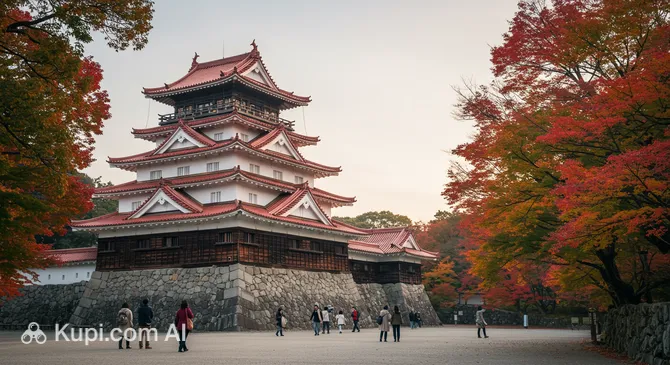
Tsuruga Castle. Illustration.
Source: Kupi.com AI

Traveller photos:

Today, the castle houses a museum with exhibits detailing the building's history, its role in the region, and the daily life and traditions of the samurai. A visit to the museum offers a deeper dive into the past and explains why Tsuruga Castle remains an important cultural and historical monument for the entire country.

Contacts

To plan your visit to Tsuruga Castle and confirm details such as opening hours or special events, you can use the official contact information. The castle's administrative office provides the main details.

How to contactContact
Address1-1 Ōtemachi, Aizuwakamatsu, Fukushima 965-0873, Japan
Phone+81 242-27-4005
Websitewww.tsurugajo.com

What to Do

A visit to Tsuruga Castle offers full immersion into samurai history and culture. One of the highlights is climbing to the top floor of the main tower, which offers a magnificent panoramic view of Aizuwakamatsu and the surrounding mountains. Inside the castle is a museum where you can explore the region's rich past. The exhibits cover the castle's history and samurai traditions, and include an impressive collection of weapons and armor.

Equally engaging is a stroll through the castle grounds, which feature a spacious and well-maintained park. This spot is particularly popular in spring (mid-April), when about a thousand cherry trees paint the area in delicate pink tones, and in autumn, when the leaves burst into vibrant colors. Guests can take a leisurely walk along scenic paths, relax by the moat that once served as part of the defense system, or visit the Rinkaku Tea House to enjoy a cup of green tea in a historical setting. Furthermore, the park regularly hosts seasonal festivals and cultural events, allowing visitors to delve even deeper into the atmosphere of old Japan.

Getting There

Tsuruga Castle is conveniently located in the center of Aizuwakamatsu, making it easily accessible for travelers. To reach the city itself, one of the most popular routes is by train from Tokyo. The journey goes through Koriyama Station, where you need to transfer to the JR Banetsu West Line. This trip offers scenic views of the Japanese countryside.

Several options are available to reach the castle from Aizuwakamatsu Station. The fastest and most convenient is the local bus, which takes about 15 minutes. For those who prefer walking to get a better feel for the city, the walk takes approximately 30 minutes. Additionally, special sightseeing loop buses run throughout the city, stopping at all key attractions, including Tsuruga Castle.

For travelers arriving by private vehicle, there is parking for cars and bicycles near the castle. Overall, the infrastructure around the landmark is well-developed, ensuring a comfortable visit for independent tourists.

Nearest city: Aizuwakamatsu

History & Facts

The history of Tsuruga Castle dates back to the 14th century. It was built in 1384 by Ashina Naomori and served as a fortified stronghold for the Ashina clan. Over the centuries, its walls have seen many rulers: the castle passed through the hands of the Date, Gamo, Kato, and finally, the Matsudaira clans. A significant milestone occurred in 1592 when, under the leadership of Gamo Ujisato, a seven-story tower was completed, and the castle was officially named "Tsuruga." However, it is also widely known as "Wakamatsu Castle."

One of the most dramatic moments in the castle's history was the Boshin War of 1868. During this time, it became a final stronghold for samurai loyal to the shogunate. The castle withstood a long and grueling siege, enduring heavy artillery fire, which earned it a place in history as a symbol of samurai honor and resilience. Despite the persistent resistance, the fortress in Aizuwakamatsu was eventually surrendered, and its main tower was demolished.

The modern castle building is the result of an extensive reconstruction completed in 1965, when the tower was rebuilt using reinforced concrete. The most unique feature was added later: in 2011, the castle's roof was restored to its historical appearance with rare red-colored tiles. This detail makes Tsuruga Castle unique among all castles in Japan and attracts history enthusiasts from around the world.

Time Needed

To fully enjoy your visit to Tsuruga Castle, it is recommended to set aside from 2 to 3 hours. This will be enough time to explore all the key parts of the complex without rushing. The main part of the visit is the central tower, which houses a museum. Exploring the exhibits dedicated to the history of the Aizu region and samurai traditions, as well as climbing to the top observation floor for panoramic views of the city, will take up a significant portion of your time.

The remaining time can be spent on a leisurely walk through the picturesque park surrounding the castle or visiting the Rinkaku Tea House. However, if you are short on time, a quicker visit is possible. A brief tour of just the main castle tower and the museum can take about an hour. Ultimately, the length of your stay will depend on your personal pace and level of interest in the history and culture of Japan.

Working Hours

Tsuruga Castle is open to visitors year-round. Standard operating hours are daily from 8:30 AM to 5:00 PM. It is important to note that the last entry is usually at 4:30 PM, thirty minutes before closing. Keep this in mind to ensure you have enough time to browse all the exhibits at your own pace.

While the castle is open seven days a week, hours may change during major festivals or national holidays. Therefore, it is highly recommended to check the most up-to-date information on the official castle website before planning your visit. You can also find out if advance ticket booking is required, which can be particularly useful during peak tourist seasons, such as the cherry blossom period.

8:30 – 17:00

Nearby

Visiting Tsuruga Castle is just the beginning of exploring the rich history and culture of Aizuwakamatsu. To make your trip even more fulfilling, it is worth spending some time exploring the attractions located in the immediate vicinity. Each of these sites uniquely reveals the spirit of this samurai city.

A stroll through the surrounding area will allow you to immerse yourself deeper into the atmosphere of old Japan and see how the castle's history is interwoven with the life of the entire region. Many interesting sites are just a few minutes' walk away, offering diverse experiences from quiet gardens and tea houses to unique museums and craft workshops.

NameDistance
Tsuruga Castle Park0.1 km
Rinkaku Tea House0.2 km
Fukushima Prefectural Museum0.4 km
Miyaizumi Meijo Sake Brewery0.5 km
Mitsutaya1.3 km
Oyaku-en Garden1.3 km
Aizu Samurai Residence2.1 km

Reached the bottom of the page?

Looks like you know this route inside out