Support

Tosashimizu

About

Tosashimizu is an amazing corner of tranquility, where pristine nature harmoniously meets the authentic culture of provincial life. The city is nestled in the far south of Kochi Prefecture, right on the Pacific coast. This location reveals a side of Japan that it is famous for: devoid of the neon lights of bustling metropolises, yet featuring breathtaking seascapes and a deep respect for traditions.

With a population of about 12,000, Tosashimizu maintains an atmosphere of incredible coziness and friendliness. There is no urban hustle and bustle here; instead, a soulful hospitality prevails, allowing guests to feel like locals in just a couple of days. The city serves as the administrative and cultural center of the district while remaining an ideal place for contemplative walks accompanied by the sound of waves and the scent of fresh sea breeze.
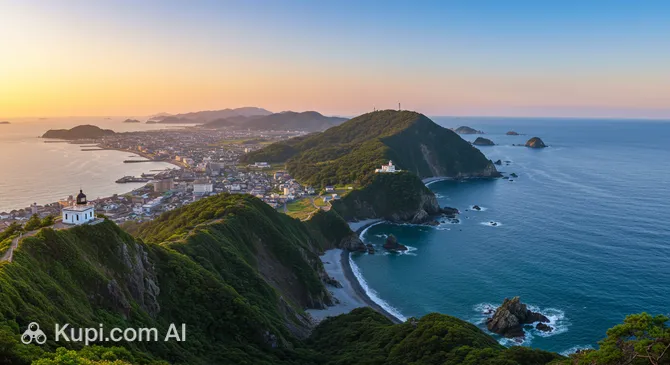
Tosashimizu. Illustration.
Source: Kupi.com AI

Strolling along the embankments and observing the steady life of fishing villages, one can feel how the rich history of Tosashimizu is reflected in every corner of this settlement. This place seems designed for losing track of time and immersing oneself in the leisurely pace of life characteristic of the southern coast of Shikoku Island.

The main pride of the region is its unique natural beauty. The city is surrounded by steep cliffs, famous bluffs, and dense green forests. It is an excellent starting point for traveling through national parks and marine reserves, where you can discover a rich underwater world and rare plant species. Pristine beaches and picturesque views make Tosashimizu a real find for eco-tourism enthusiasts.

This city is worth a visit for anyone seeking an authentic atmosphere of the country and wishing to escape mass tourism. Tosashimizu will give you unforgettable impressions of encountering wildlife and allow you to see the beauty of the ocean from the region's most impressive observation decks.

Weather Overview

The climate in Tosashimizu is characterized by mildness and a strong oceanic influence, making the city comfortable to visit almost any time of year. Winters here are not harsh at all: in January and December, the average temperature stays around 8–10°C, and precipitation is minimal, guaranteeing many clear days. Spring arrives quickly, and by May the air warms up to a pleasant 19.4°C.

The summer period is characterized by warmth and high humidity. The hottest month is traditionally August with an average temperature of 27.5°C, but travelers should take the rainy season into account: in June and July, the number of days with precipitation can reach 16–18 per month. Autumn brings a long-awaited coolness, maintaining comfortable 20–25°C in September and October, when nature is painted in bright colors.

Expect a warm, humid summer with occasional downpours and cool, dry winters. To plan your wardrobe and activities in the best way, we recommend checking in advance what the weather in Tosashimizu is forecast to be for the dates of your trip.

Average monthly temperature

Average monthly precipitation

Interesting Facts

Beyond the main attractions, Tosashimizu holds many fascinating secrets, from mystical boulders to unique marine traditions that will surprise even experienced travelers. Here are a few facts that reveal this city from a new perspective:

  • Mysterious Tojindaba Megaliths. In the mountains near the coast, there are impressive granite rocks forming strange stone circles. Locals revere this place as a powerful energy point or "place of power." The origin of these giant boulders and their arrangement still cause debate among researchers and attract lovers of mysticism.

  • Subtropics thanks to the Kuroshio Current. Surprisingly, real coral reefs can be found in the waters off Cape Ashizuri. The warm Kuroshio ocean current creates a unique microclimate here, allowing subtropical plants and rare species of camellias to grow right on the 80-meter cliffs rising above the ocean.

  • The skill of catching katsuo. Tosashimizu is famous for its hereditary fishermen who have mastered traditional methods of catching bonito (skipjack tuna). Ancient pole-and-line fishing techniques, passed down through generations, are still used here, which is considered the pinnacle of fishing art in the region.

  • Living legends of sea spirits. Ancient customs and folklore have been preserved in small fishing villages around the city. Residents still hold festivals dedicated to the sea and its bounties, believing in the existence of sea spirits. These traditions are carefully guarded and allow you to see the side of culture that traditional Japan is famous for.

How to Get There

A journey to the far south of Shikoku Island is a true adventure that requires advance planning. Since the city is located in a remote part of the prefecture, getting here directly can be challenging. You can find more details on how to get to Tosashimizu by studying all available routes and transport combinations.

There is no airport in Tosashimizu itself, so travelers usually fly to major transport hubs in neighboring cities. The most convenient option is Kochi Ryoma Airport (KCZ), located in the city of Kochi. It is approximately 108 km from Tosashimizu. A trip from there by rental car or taxi will take about 3 hours. This is the main air port of the prefecture, receiving many domestic flights.

An alternative option is Matsuyama Airport (MYJ), located in the city of Matsuyama, at a distance of about 118 km. Travel time by land transport from here will be approximately 3 hours and 20 minutes. Although this airport is located a bit further away, it serves a large flow of passengers and can offer convenient connections for those traveling from other regions of Japan.

For clarity, here is a summary of the main airports through which you can build a route:

AirportPassenger trafficDistance
Kochi Ryoma Airport1.6 mln108 km
Matsuyama Airport3.2 mln118 km
Oita Airport1.9 mln137 km
Iwakuni Kintaikyo Airport655 473165 km
Miyazaki Airport3.3 mln174 km

As for rail connections, there is no train station in Tosashimizu itself. Railways do not reach the southernmost tip of Cape Ashizuri. The nearest major stations are a significant distance away, and tourists will have to transfer to a bus or car to complete the final part of the journey. The station presented below is very far from the city (over 250 km), so using a train requires careful route planning considering long transfers by land transport.

Below is information about the nearest station from the available data:

StationPassenger trafficDistance
Gomen Station9109 km
Matsuyama Station9119 km
Beppu Station9147 km
Iwakuni Station11168 km
Miyazaki Station9173 km

Main Attractions

Cape Ashizuri is the undisputed highlight of the region's tourist map and the southernmost point of Shikoku Island. This place attracts travelers with its grandiose 80-meter cliffs, against which the waves of the Pacific Ocean crash loudly. At the edge of the cape stands a snow-white lighthouse, which has become a symbol of the city. From the observation deck, a 270-degree panorama opens up: the view is so vast that, looking at the horizon, you can literally see the curvature of the Earth. A walk along the paths along the cliff, surrounded by subtropical vegetation, gives a feeling of being at the edge of the world.

Just a few minutes' walk from the lighthouse is Kongofuku-ji Temple, the 38th stop on the famous pilgrimage route of the 88 temples of Shikoku. Founded over 1,200 years ago, this Buddhist complex impresses with its size and beauty. The extensive grounds with well-kept gardens, ponds, and ancient buildings create a striking contrast with the wild natural power of the ocean raging nearby. Not only pilgrims but also connoisseurs of Japanese architecture and tranquility come here.

For lovers of unusual natural landscapes, the Tatsukushi Coast is a must-visit. For millennia, wind and sea water have carved bizarre shapes from sandstone, resembling bamboo stalks and fantastic creatures. This was the first marine park in Japan, where you can not only walk through "lunar" landscapes but also take a glass-bottom boat ride to view the coral reefs and bright tropical fish that inhabit the warm waters of the Kuroshio Current.

Located near the coast is the Ashizuri Underwater Observatory—a unique structure that allows you to peek into the underwater world while staying dry. The red tower, which goes right into the sea, is equipped with a spiral staircase leading to a depth of 7 meters. Through numerous portholes, visitors can observe the natural life of marine inhabitants in their native environment. It is a fascinating sight that is especially popular with families and those who do not dive.

Local Cuisine

Tosashimizu is a true paradise for foodies, where the cult of food is inextricably linked with the ocean. The main gastronomic calling card of the city is Katsuo no Tataki—fresh skipjack tuna (bonito), lightly seared over an open fire. The secret of this dish lies in the special cooking technique: the fish is seared only on the outside, keeping the core raw and juicy, and then served with aromatic garlic, ginger, and soy sauce. It is not just food, but a real performance demonstrating the skill of local chefs.

Local cuisine abounds with seafood that reaches the table literally a few hours after being caught. In cozy family restaurants along the coast, it is worth trying a rich miso soup with clams, tender sea urchins, and sweetish shrimp. Special attention is paid to seaweed, which is added here almost everywhere—from light salads to hot broths, giving the dishes a rich marine flavor.

The food culture in Tosashimizu is closely intertwined with farming traditions. In local markets and small shops, you can find homemade pickles, fresh vegetables, and seasonal fruits grown in the region's warm climate. The city is also known for its culinary festivals, where tourists can not only taste unique treats but also participate in workshops, for example, learning how to properly fillet fish or prepare sushi under the guidance of experienced masters.

To complete your gastronomic journey, try the local drinks. The region produces excellent sake, which perfectly complements the taste of seafood, as well as unique herbal infusions prepared according to old recipes. These drinks will be a great addition to dinner and help you gain a deeper understanding of the hospitality traditions of this southern corner of the country.

Travel Tips

Traveling to Tosashimizu is an immersion into the authentic Japanese countryside, where the rhythm of life is dictated by the ocean, not the train schedule. To ensure your trip to this remote and picturesque corner of Shikoku Island is as comfortable as possible, we have prepared a list of important practical recommendations.

  1. Clothing and Equipment. The climate here is mild, but strong winds often blow at Cape Ashizuri, so even in summer it is worth bringing a light windbreaker. For walks along rocky paths and Tatsukushi Park, comfortable, non-slip shoes (sneakers or trekking boots) are mandatory. If you plan to go inside Kongofuku-ji Temple, observe a modest dress code: shoulders and knees should be covered.

  2. Transport Issue. Tosashimizu is one of those places in Japan where renting a car is highly recommended. There is no rail service in the city, and buses run infrequently and stop early in the evening. It is difficult to hail a taxi on the street; it is better to ask hotel staff to call a car in advance or use apps, although their coverage here may be limited.

  3. Cash is Important. Unlike in large metropolises, cards are not accepted everywhere in rural areas. Many family restaurants, souvenir shops, and even ticket offices in small museums only work with cash (yen). Withdraw money in advance at the airport or look for ATMs in 7-Eleven convenience stores (konbini) or Japan Post branches, as local banks may not serve foreign cards.

  4. Communication and Internet. Free Wi-Fi is available in hotels and some tourist centers, but it is practically non-existent in nature and around town. Few people know English here, so having mobile internet for an online translator is critically important. It is better to purchase a SIM card or pocket router immediately upon arrival at a major airport, as finding them in Tosashimizu itself will be difficult.

  5. Health and Pharmacies. There are no 24-hour pharmacies in the city; most close by 6:00 PM–7:00 PM. Be sure to bring a personal first-aid kit with your usual medications, motion sickness remedies (the roads here are winding), and repellents if you plan to walk in the forest.

  6. Etiquette in Ryokans. If you are staying in a traditional inn (ryokan), remember the indoor shoe rule: outdoor shoes are removed upon entering the building, and special slippers for corridors are removed before entering a room with tatami. In public baths (onsens), it is customary to wash thoroughly before entering the communal pool.

  7. What to Avoid. Never leave a tip—in Japan, this can be perceived as an insult or an attempt to return change, which will create an awkward situation. Also, avoid talking loudly on public transport and in temples—silence and the personal space of others are highly valued here.

  8. Extra Tip. Consider dinner schedules. Life in Tosashimizu winds down early. If you do not have dinner included at your hotel, try to find a restaurant by 7:30 PM. After 8:00 PM, most establishments, except for occasional izakayas (bars), are already closed, and you risk going hungry or settling for food from a supermarket.

Tosashimizu is an incredibly welcoming city where locals, despite the language barrier, will always try to help a traveler. By following these simple tips and showing respect for local traditions, you can fully enjoy the wild beauty and tranquility of this amazing region.

Entertainment & Nightlife

Entertainment and nightlife in Tosashimizu are significantly different from what you might see in Tokyo or Osaka. Here you won't find noisy nightclubs with DJs, neon red-light districts, or 24-hour discos. The evening life of this small coastal town is an immersion into the authentic, warm, and almost home-like atmosphere of the Japanese province, where the main forms of entertainment are delicious food, good spirits, and heartfelt conversations.

In the evenings, izakayas—traditional Japanese bar-restaurants—become the center of attraction. This is where local fishermen and office workers gather after the workday. Look for establishments with red paper lanterns at the entrance (akachochin) in the central part of the city, near the port and the bus terminal. A relaxed atmosphere reigns in such places: people laugh loudly, clink glasses of beer or local sake, and order many small snacks to share. This is the best way to feel the true character of the city.

Another popular format for evening leisure in Tosashimizu is snack bars and small karaoke venues. Often, they are tiny bars with 5–10 seats, where the hostess (usually called "mama-san") pours drinks and chats with guests while patrons sing karaoke songs. Foreigners are always welcome here, although the language barrier can be significant. The crowd in such places is usually over 30 years old, looking for a calm rest and socialization.

Practical tips for an evening out:

  • Opening hours: Life in the city winds down early. Most restaurants and bars open around 5:30 PM–6:00 PM and operate until 10:00 PM or 11:00 PM. It is best to arrive by 7:00 PM to catch the liveliest time.

  • Prices and payment: The average bill in an izakaya will be between 3,000 and 5,000 yen per person, including alcohol. It is crucial to have cash with you, as cards are rarely accepted in small bars.

  • Dress code: Completely non-existent. Casual style or even comfortable travel clothes will be perfectly appropriate.

In terms of safety, Tosashimizu is an ideal place. The crime rate here is near zero, and night walks are absolutely safe even for solo travelers. However, the streets can be quite dark and deserted after 9:00 PM. The main difficulty is transport. There are no night buses, and catching a taxi on the street is almost impossible. If you plan to stay late at a bar, ask the staff to call you a car in advance or arrange a transfer with your hotel.

As for daytime entertainment, it is more educational and contemplative. Cultural life is centered around history and the ocean. It is worth visiting the John Manjiro Museum, which tells the amazing story of a local fisherman who became the first Japanese person to visit the USA. The Ashizuri Aquarium is also popular, where you can get acquainted with the region's marine fauna. During the day, the city offers a relaxed vacation that smoothly flows into quiet evenings accompanied by the sound of the ocean.

Parks & Museums

Tosashimizu offers travelers a harmonious combination of majestic natural landscapes and deep historical heritage, which is carefully preserved by the locals. The city, located within an extensive national park, is famous not only for its panoramic ocean views but also for museums that tell amazing stories of the connection between man, the sea, and the outside world.

The main natural asset of the region is the Ashizuri-Uwakai National Park. It is a protected area covering a rugged coastline and dense forests where subtropical vegetation meets granite cliffs. The park is famous for its hiking trails passing through thickets of Japanese camellias and ubamegashi (Phillyrea-like oak). A walk here allows you to enjoy breathtaking views of the Pacific Ocean and feel the power of the elements, especially around the famous cape, where waves crash against the rocks with incredible force.

For lovers of unusual geology, Tatsukushi Park will be a real discovery. This place, often called an open-air museum, is known for its surreal sandstone rock formations shaped by wind and water over millions of years. Bizarre stone figures create an alien landscape through which convenient walking paths are laid. The coastal zone of the park is also the first marine park in Japan, where you can observe coral reefs without diving into the water.

The cultural life of the city is impossible to imagine without the John Manjiro Museum. The exhibition is dedicated to the life of the legendary local native who, in the 19th century, was swept away by fate to the USA, became the first Japanese person to visit America, and subsequently played a key role in opening the country to the Western world. The museum offers fascinating interactive exhibits detailing his adventures, international friendships, and the sea voyages of that era.

Another interesting site is the Umi-no-Gallery (Sea Gallery). This museum, housed in a building with a unique architecture resembling the shape of a bivalve shell, houses an impressive collection of seashells from all over the world. Here you can see rare and beautiful specimens collected from the waters of the local Kuroshio Current and other oceans of the planet. It is a quiet and contemplative place, ideal for learning about the biodiversity of the deep sea.

Among the historical monuments, Kongofuku-ji Temple holds a special place. Located in close proximity to the cape, this Buddhist complex with a 1,200-year history impresses with its scale and peaceful atmosphere. The traditional architecture of the pagodas and the main hall is perfectly integrated into the landscape of ponds and rock gardens, creating a sharp contrast with the wild nature of the surrounding coastline.

Insider tip: If you find yourself in Tosashimizu in winter, be sure to find the "Camellia Tunnel" (Tsubaki Tunnel) near the lighthouse. At this time of year, thousands of wild camellias bloom with red flowers, closing over the path and forming a living floral corridor—a sight rarely seen in other regions.

Getting Around

The public transport system in Tosashimizu has its own characteristics due to the city's remote location and small size. There are no subways, trams, or rail connections directly within the city limits. Buses are the only and main form of public transport, serving as the primary link between the center, major tourist locations, and the nearest train stations in neighboring cities.

Bus services are mainly operated by Kochi Seinan Kotsu. The route network connects the central terminal ("Plaza Pal" stop) with key attractions such as Cape Ashizuri and the Tatsukushi Coast, and provides a transfer to Nakamura Station in the neighboring city of Shimanto. It is important for tourists to note that bus intervals can be significant—60 minutes or more—so spontaneous trips without checking the schedule can lead to a long wait.

The fare payment system is traditional for rural routes in the region. Entry to the bus is through the back door, where you must take a paper ticket (seiriken) with the boarding stop number. Upon exit through the front door, the cost of the trip is determined by the electronic display above the driver: the number on your ticket will correspond to the amount to be paid. Payment is made in cash, with coins and bills dropped into a special machine. It is important to have small change with you, as change machines on buses usually only accept 1000-unit local currency bills, and popular transport IC cards may not work on all local lines.

For travelers, there are profitable options for travel passes, such as the "Ashizuri Area Pass" for several days, which allows unlimited bus use within tourist zones. These tickets can be purchased, or an up-to-date route map obtained, at the tourist information center located at Nakamura Station or directly in the center of Tosashimizu.

Given the infrequent bus schedule, the most popular alternative is renting a car. This gives full freedom of movement along the picturesque coast and allows you to reach secluded coves and observation decks where public transport does not go. Rental points are available both in the city itself and near the nearest railway stations.

Taxis operate in Tosashimizu, but catching a car on the street is almost impossible. A car must be ordered in advance by phone or through hotel staff. Also, electric bicycle rentals are available at tourist centers, for example, near Cape Ashizuri. This is a great way to explore the surroundings while enjoying the sea air, but remember the hilly terrain.

Main practical tip for tourists: buses in this region finish their work quite early, with the last trips from attractions often leaving around 5:00 PM or 6:00 PM. Be sure to check the return departure time immediately upon arrival to guarantee a return to your hotel.

Accommodation

Accommodation in Tosashimizu is not just about finding a place to sleep, but an opportunity to immerse yourself in the atmosphere of traditional Japanese hospitality. You won't find skyscrapers of international hotel chains here; instead, the city offers cozy ryokans, resort hotels with hot springs, and family pensions where every guest is treated like an old friend.

The most popular and picturesque area for tourists to stay is the Ashizuri Onsen zone, located in close proximity to Cape Ashizuri. By staying here, you will be within walking distance of the main natural attractions, including the famous lighthouse and Kongofuku-ji Temple. Most hotels in this location are perched on a hill, offering guests rooms with spectacular panoramic views of the Pacific Ocean. It is an ideal choice for those who want to watch the sunrises while looking out over the endless expanse of water.

For travelers seeking more budget-friendly options or wishing to interact with locals, minshuku—Japanese counterparts to bed-and-breakfast guest houses—are a great fit. They are often located in the port area and fishing villages. Conditions here are more modest (often with shared bathrooms), but this is compensated for by a homey atmosphere and incredibly fresh dinners prepared by the hosts from the morning's catch.

The price range varies from affordable to high, depending on the service category and included meals.

  • Budget segment: Small minshukus and business hotels in the city center offer accommodation at affordable prices.
  • Middle and high segment: Resort hotels and ryokans in the hot spring zone are more expensive, but the price is usually justified by the presence of their own outdoor onsens (baths) and included kaiseki-level meals.

Booking tip: We highly recommend choosing the "half-board" rate (dinner and breakfast included). In Tosashimizu, especially near the cape, there are few restaurants outside of hotels, and they close early. Dinner at the hotel is usually a gastronomic event featuring famous local tuna and seasonal delicacies. It is worth booking accommodation in advance, especially if the trip falls during "Golden Week" (May) or New Year's holidays, when demand from domestic tourists is very high. For booking large hotels, popular international online platforms are suitable, but for small minshukus, you may need help from a tourist center or knowledge of the Japanese language to book by phone.

Nearby Cities

For those who want to explore the surrounding area, Tosashimizu serves as an excellent starting point for day trips to several interesting nearby locations. The convenient coastal location allows you to combine relaxation by the ocean with educational excursions to the historic cities of Shikoku Island.

One of the most attractive destinations is Uwajima, located about 60 km away. This city is famous for its castle, which is among the twelve surviving original castles in Japan that have not been reconstructed in concrete. Uwajima is also known for the unique tradition of "Togyu"—bullfighting where animals compete in strength with each other—as well as its rich pearl industry.

If you are ready to drive a little further, it is worth visiting the prefecture's capital—Kochi. This is the cultural heart of the region, where you can see the majestic Kochi Castle, stroll along the picturesque Katsurahama Beach with its statue of samurai Sakamoto Ryoma, and enjoy local delicacies at the colorful Hirome Market. For lovers of antiquity, Ozu is also of interest, often called "Little Kyoto of Iyo" for its atmospheric streets, the ancient Garyu Sanso villa, and cormorant fishing traditions.

CityPopulationDistance
Shimanto32 55123 km
Kuroshio10 07327 km
Sukumo19 12428 km
Ainan19 13140 km
Uwajima69 63961 km

These nearby destinations provide insight into the diverse culture and landscapes of the region, making your journey through southern Shikoku even more rewarding and memorable.

Shopping & Souvenirs

General Overview: Shopping in Tosashimizu is not a pursuit of global brands or high fashion, but a fascinating immersion into the world of local crafts and gastronomy. The city cannot boast of huge shopping centers, but it is famous for unique products that cannot be found in other regions of Japan. The main interest for tourists is the seafood shops, folk crafts, and cosmetic products based on natural ingredients. Shopping here is a way to support local producers and take a piece of the southern Shikoku atmosphere home with you.

Main Shopping Districts and Streets: The shopping life of the city is concentrated mainly in two zones. The first is the central port district, where small family-owned stores offering daily goods and fishing gear are located. The second zone, more popular with travelers, is in the vicinity of Cape Ashizuri. Souvenir shops line the road leading to the lighthouse and the temple, where you can buy memorable gifts without going far from the main attractions.

Shopping Centers: In the conventional sense, there are no large malls in Tosashimizu. Their role is played by the so-called "Michi-no-Eki" or roadside stations, which are real tourist hubs. The main place for shopping is considered to be Michi-no-Eki Mejiro-no-Sato. It is a complex where the best goods of the region are gathered under one roof: from fresh fish and farm vegetables to exclusive souvenirs. There are also supermarkets in the city (for example, the Sunny Mart chain) where you can buy Japanese sweets and drinks at regular prices.

Markets: While there are few large open-air markets here, it is worth paying attention to the direct sales shops at fishing cooperatives. One such place is Tosashimizu Sakanamura (Fish Village), which sells the morning catch and processed seafood. The atmosphere here is lively and authentic: you can see locals choosing fish for dinner and even taste some delicacies on the spot.

Souvenirs: Tosashimizu is proud of several unique products that make excellent gifts:

  • Soudabushi. These are shavings from a special type of tuna (frigate tuna) used to make rich broths. The city produces the lion's share of this product in Japan. Beautiful gift sets can be found in souvenir shops.

  • Camellia cosmetics. Cape Ashizuri is known for its camellia (tsubaki) groves. Local camellia oil is highly valued for its moisturizing properties and is used in creams, shampoos, and in its pure form.

  • Hime-katsuo. A popular snack in the form of baked tuna sticks with various flavors (soy sauce, yuzu, garlic). This is an inexpensive and tasty souvenir that is easy to transport.

  • Coral products. Kochi Prefecture is famous for its corals. Local stores sell jewelry made of red, pink, and white coral harvested in the region's waters.

Opening Hours and Payment: Life in the province flows at a steady pace, so shops close quite early. Souvenir shops and roadside stations are usually open from 08:30–09:00 to 17:00–17:30. Supermarkets may be open until 8:00 PM or 9:00 PM. It is crucial to have cash (yen) with you. Although supermarkets and large tourist centers may accept cards, in small shops, markets, and family stores, payment is often cash-only.

Tax Free: The Tax Free system is practically non-existent in Tosashimizu. Most shops are geared towards locals and domestic tourists. If you plan on making large purchases with Tax Free, it is better to do so at large department stores or specialized electronics stores in the prefecture's capital, Kochi City, or at the departure airport.

Have you reached the end of the page?

So the route has been studied inside and out