Support

Jangchung Arena

About

In the heart of the dynamic metropolis of Seoul lies a venue that is rightfully considered the cradle of professional sports in the country — Jangchung Arena. This indoor multi-purpose complex, located in the historic Jung District, is one of the oldest and most respected arenas that South Korea has to offer.
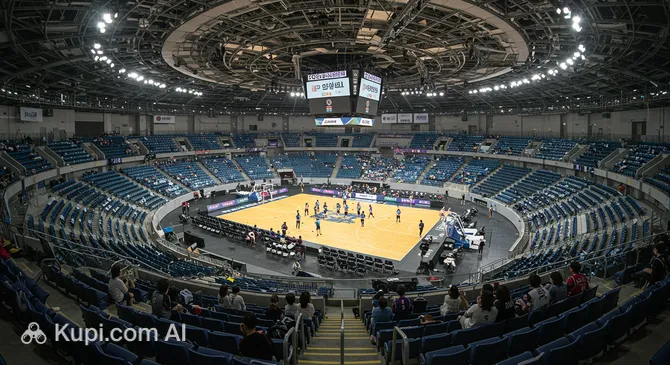
Jangchung Arena
Jangchung Arena. Иллюстрация. Источник: Kupi.com AI

The building's main architectural feature is its domed roof, which was the first of its kind in the country. After an extensive renovation completed in 2015, the arena was transformed into a modern facility covering over 11,000 m². Today, it accommodates approximately 4,507 spectators and offers exceptional comfort thanks to its retractable stands and well-thought-out ergonomic design.

The arena serves as the home stadium for the renowned volleyball clubs GS Caltex Seoul KIXX and Seoul Woori Card Wibee. It regularly hosts not only intense sports battles in volleyball, boxing, and gymnastics but also grand K-pop concerts, turning the stadium into an epicenter of youth culture.

Contacts

To check the event schedule or for any visiting inquiries, you can use the official communication channels. Please note that the primary information on the website is usually presented in Korean.

How to contactContact
Address241 Dongho-ro, Jung District, Seoul, South Korea
Phone+82 2-2128-2800
Websitewww.sisul.or.kr

What to Do

Visiting this place is a great chance to immerse yourself in the atmosphere of Korean sporting excitement. Jangchung Arena is famous for its volleyball matches: the stands are positioned as close to the court as possible, allowing spectators to feel every movement of the players. If you are lucky enough to catch a V-League game, you will see firsthand how passionately fans in Korea support their teams.

Beyond sports, the complex is a popular venue for world-class cultural events. It hosts fan meetings and concerts by top-tier K-pop stars, such as SHINee's Taemin or Kim Jaejoong. Thanks to modern acoustics and retractable seating, the space easily transforms from a sports hall into a concert hall or a theatrical stage for traditional Madangnori performances.

For those interested in architecture and history, exploring the arena's internal layout after its renovation will be fascinating. Comfortable conditions have been created for all categories of visitors, including people with disabilities, and the modern equipment makes watching any show a truly captivating visual experience.

Getting There

Located at 241 Dongho-ro, Jung District, the arena is easily accessible by public transport. The most convenient way to get here is by using the famous Seoul Metro. Take Line 3 to Dongguk University Station: the exit is just 180 meters from the main entrance, making for a very short walk.

If you prefer surface transport, numerous bus routes stop right by the complex. From popular tourist areas like Myeongdong or Namsan Park, the arena is a 10–15 minute walk, offering a great way to enjoy the city views.

For those traveling from Incheon International Airport, the best route is the Airport Railroad to Seoul Station, then transfer to Line 4 to Chungmuro Station, followed by a quick transfer to Line 3. A taxi ride from Seoul's central districts will take between 10 and 20 minutes, depending on traffic conditions.

Ближайший город: Seoul

History & Facts

The history of Jangchung Arena began on June 23, 1955, when it opened as the country's largest open-air army gymnasium. It wasn't until 1963, after coming under city management, that the facility took on its legendary appearance. Under the guidance of architect Kim Chung-up and with the assistance of Filipino engineers, the complex was transformed into Korea's first indoor multi-purpose arena, featuring an impressive domed roof.

This venue has witnessed the greatest triumphs in Korean sports. It was here in 1966 that Kim Ki-soo defeated Nino Benvenuti, earning South Korea its first-ever world boxing title. Two decades later, during the 1988 Summer Olympics in Seoul, the venue hosted thrilling judo and taekwondo competitions.

For a long time, the scale of this structure was so significant to locals that the phrase "the size of several Jangchung Arenas" became a popular idiom used to describe something truly massive. Following a major renovation in 2015, which cost 32 billion won, the arena became more compact but attained the status of an ultra-modern venue while preserving its historical spirit.

Time Needed

Typically, a visit is tied to a specific event, whether it's a sports competition or a musical show. In such cases, you should budget about 2–3 hours. This is enough time to pass through security without rushing, find your seat, and fully enjoy the spectacle.

If your goal is simply to admire the architecture of the famous "dome" and wander through the neighborhood toward Namsan or the nearby shopping streets, plan to spend about 3–4 hours. Such a walk allows you to combine a visit to a historic sports location with exploring the cultural pulse of the city.

Working Hours

The complex is open to visitors daily from 9:00 AM to 12:00 AM. This allows guests to plan their visit for both daytime and evening hours when the building is illuminated by the city lights.

Please note that the exact operating hours on any given day may change depending on the schedule of matches, concerts, or technical rehearsals. It is recommended to check the event calendar before your visit.

9:00 – 12:00

Nearby

Attending a sports match or a concert can easily be combined with a stroll around the surrounding area. The arena's central location in the Jung District provides travelers with access to many interesting spots, from modern entertainment centers to natural parks where you can escape the city noise.

NameDistance
Bound Bar1.9 km
Myeongdong Korean BBQ2 km
Myeongdong Korean BBQ2.2 km
Grand Hyatt Seoul2.3 km
Changgyeonggung Palace2.5 km
Itaewon Nightclub District2.8 km
Deoksugung Palace2.9 km

Reached the end of the page?

That means the route is fully explored