Support

학성공원

About

Quiet and majestic, Hakseong Park is more than just a green space in the heart of Ulsan; it is a true living open-air history textbook. Spanning over 23,000 square meters in the Jung-gu district, it occupies the site of the ancient Ulsan-waeseong Fortress. Here, the rugged aesthetics of old defensive structures blend harmoniously with the soft charm of Korean nature.
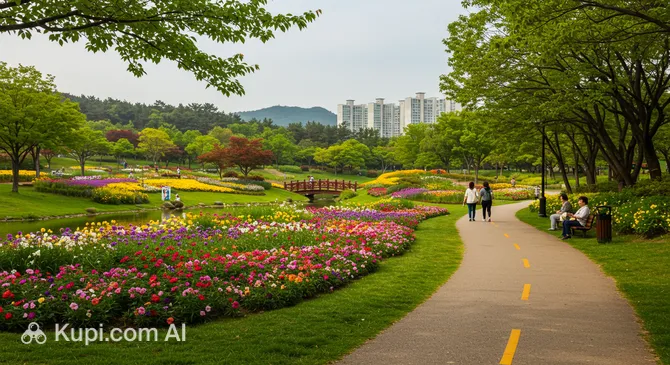
Hakseong Park
Hakseong Park. Иллюстрация. Источник: Kupi.com AI

This park is considered one of the oldest in South Korea: its history as a public space began back in 1928, thanks to a generous donation from local philanthropist Kim Hong-cho. The hallmark of the site is the unique Japanese architecture of the fortress walls, which has been preserved to this day, giving the landscape a distinct historical flair.

Today, the park is undergoing a massive transformation as part of the ambitious “Waterfront” project. Soon, new water channels and modern cultural spaces will appear here, making it even more attractive for tourists seeking a balance between educational leisure and outdoor strolls.

Contacts

To clarify details before your visit, you can contact the administration or check official resources.

How to contactContact
Address54 Hakseonggongwon 3-gil, Jung-gu, Ulsan, Южная Корея
Phone+82 52-229-2000
Websitelightone.kr

What to Do

A stroll through this site is an opportunity to touch the ancient stones of the fortress walls and enjoy panoramic views. Visitors can walk along scenic paths that circle the historical fortifications, built in a characteristic Japanese style. It is especially popular in the spring when Hakseong Park is blanketed in the white and pink foam of cherry blossoms and the bright petals of camellias, creating a perfect backdrop for photos.

For history enthusiasts, numerous commemorative steles and markers are placed throughout the territory, telling stories of important past events. You can see the unique slanting wall masonry preserved since the fortress was built and learn about the cultural heritage of the region.

The park's future promises even more experiences: work is currently underway to create a circular water canal over a kilometer long. Plans include launching a water taxi, establishing four piers for boat trips, and building seven elegant pedestrian bridges. The area will feature themed seasonal gardens, a fortification museum, exhibition centers, and cozy European-style rest areas with food trucks and shops.

Getting There

Located in the heart of the Jung-gu district, Hakseong Park is an important transport hub in the city. Thanks to its central location, getting there is easy by both public and private transport.

The most convenient way is to use city buses that run through the Hakseong-dong area. Stops are located in the immediate vicinity of the park entrance. If you are in the city center, a taxi ride will take only a few minutes. For those who prefer walking, the park is easily accessible from many central neighborhoods.

For navigation users, you can use the following coordinates: 35.5544614, 129.33932. Search address: 54 Hakseonggongwon 3-gil, Jung-gu, Ulsan.

Ближайший город: Ulsan

History & Facts

The history of this site dates back to the end of the 16th century. Hakseong Park is located on the site of the former Ulsan-waeseong Fortress, built in 1597 by the Japanese commander Kato Kiyomasa. These walls remember fierce battles between the combined forces of the Joseon and Ming states and Japanese troops, whose numbers reached 23,000. The fortress architecture is unique for the region, preserving the characteristic slanting masonry of the stone walls typical of the Japanese fortification style.

During the Korean Empire era, the territory served as an important logistics hub, connecting the Taehwagang River with maritime routes. However, the park's modern appearance began to take shape in the early 20th century. In 1913, local philanthropist Kim Hong-cho purchased these lands to save the historical heritage and create a space for recreation. He began actively planting trees and flowers, laying the foundation for a future green oasis.

His son completed his father's work in 1927, after which the park was officially donated to the city. It was originally called Ulsan Park but later received its current name. Today, the fortress is registered as Ulsan Historical Monument No. 7 and serves as an important reminder of the resilience and heroism of the ancestors who protected these lands.

Time Needed

To stroll leisurely through the alleys and carefully study the surviving fragments of the fortress walls, visitors usually need 1.5 to 3 hours. If your goal is just a short walk in the fresh air or a quick look at the main monuments, one hour is quite sufficient.

For those interested in the history of fortification and planning to examine the information steles in detail or enjoy the cherry blossoms in spring, we recommend setting aside about 3 hours. This will allow you to combine the educational part of your visit with relaxation in the park's scenic spots without any rush.

Working Hours

For the convenience of residents and tourists, Hakseong Park is open 24 hours a day. You can come here early in the morning to watch the sunrise or late in the evening when the area takes on a special, mysterious charm.

The park is open seven days a week without holidays or breaks. Nevertheless, before your visit, it is worth checking the official website of the district administration to ensure there are no restrictions due to planned landscaping work or special events.

Круглосуточно

Nearby

Exploring the surroundings of the Jung-gu district will allow you to dive deeper into the city's atmosphere and see not only natural beauty but also other historically significant sites. Within walking distance or a short drive, you will find memorials and temples, each holding its own unique story.

NameDistance
Ulsan Samsan Steakhouse1.9 km
Brother BBQ2 km
Taehwa Pavilion2.9 km
Hamwollu Pavilion3 km
Simni Bamboo Bridge3.3 km
Milky Way Trail4.3 km
Ulsan Grand Park4.9 km

Reached the end of the page?

That means the route is fully explored