Support

Batroun

About

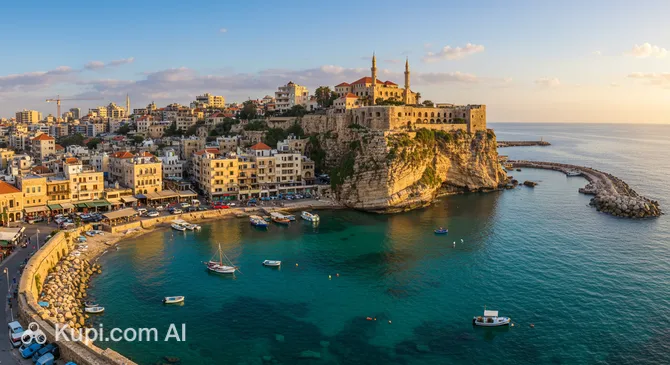
Batroun is a true Mediterranean gem, nestled comfortably on the northern coast of Lebanon. This charming city, located about 50-55 kilometers north of Beirut and 30 kilometers south of Tripoli, stretches across a picturesque plain by the Mediterranean Sea, where the Nahr el-Jawz River flows into its gentle waves.

Batroun. Illustration.
Source: Kupi.com AI

With a population of about 45,000 people, Batroun maintains the atmosphere of an intimate and welcoming place, where narrow streets breathe antiquity and the fresh sea breeze creates a sense of peace and tranquility. The city is considered one of the important centers of Maronite culture and possesses a unique charm that can be felt in every detail.

Batroun attracts travelers with its amazing historical monuments, including well-preserved ancient ruins that recall its rich Phoenician past. In addition, the city is famous for its stunning sea views and unique local culture, including authentic gastronomy that is certainly worth trying in one of the many coastal restaurants. Here, antiquity and modernity blend harmoniously, offering both cozy traditional cafes and stylish bars.

If you are looking for inspiration, want to immerse yourself in authentic Lebanese life, and enjoy the peaceful beauty of nature, Batroun is the perfect choice for you. This city knows how to surprise and make you fall in love at first sight, offering an unforgettable holiday on the Mediterranean coast.

You can find more interesting facts on the page about the history of Batroun

Weather Overview

The city of Batroun enjoys a Mediterranean climate, characterized by warm, dry summers and mild, wetter winters. The summer months from June to August are generally hot, with average temperatures ranging from 22.5°C to 25.8°C and almost no rainfall. July and August are the driest months. Winter, from December to February, is mild with average temperatures around 11.4°C - 13.4°C. This period sees the most rainfall, especially in January (averaging 17 rainy days).

Spring and autumn are pleasant transitional seasons with comfortable temperatures and moderate rainfall. In general, expect hot, sunny summers and cool, rainy winters in Batroun. For more detailed information on weather conditions by month, you can visit the Climate in Batroun page.

Average monthly temperature

Average monthly precipitation

Interesting Facts

Beyond its picturesque beaches and ancient history, Batroun hides many fascinating details and little-known stories. This city is a true treasure chest of secrets waiting for explorers.

  • Batroun is one of the oldest cities in the world, with the first mentions dating back to the 15th century BC. Founded by the Phoenicians under the name Botrys, its modern name, according to one version, comes from a Greek word meaning "to cut"—perhaps in honor of the famous sea wall that seems to cut the coastline.

  • The unique Phoenician sea wall in the old harbor of Batroun, which reaches up to five meters in width, is largely a natural formation that the ancient inhabitants reinforced and adapted to protect the city. This wall has not only protected Batroun from sea storms for centuries but has also become its true calling card.

  • In the vicinity of Batroun, one can find not only ancient caves with traces of prehistoric human presence but also an impressive 17th-century fortress. This fortress was built by a Druze emir not just as a defensive structure, but to guard a strategically important trade route passing through the region.

  • The winemaking traditions of Batroun go back to ancient times, and local monastic settlements played a significant role in their development. They were not only spiritual centers but also a kind of scientific laboratory where the art of winemaking was perfected for centuries and passed down from generation to generation.

How to Get There

The most convenient way to reach the charming city of Batroun in Lebanon is by air, followed by a ground transfer. The capital's airport serves as the main point of arrival for most international travelers, though other options exist in the region.

The main gateway to Lebanon is Beirut Rafic Hariri International Airport (IATA: BEY). This major international airport is located in Beirut, approximately 50.3 km south of Batroun. A trip by taxi or rental car from the airport to Batroun usually takes between 1 and 1.5 hours, depending on traffic. You can also reach Batroun from the airport via public transport, such as using service taxis (shared vans) or buses, although this may require transfers and take more time.

As an alternative option, though it requires a border crossing, one could consider Damascus International Airport (IATA: DAM) in Syria. It is located about 121.9 km from Batroun. Traveling from there to Batroun by ground transport will take over 3 hours, including time for border formalities. Before choosing this route, it is necessary to carefully study the current rules for crossing the Syrian-Lebanese border.

For clarity, here is a summary of some airports that may be considered for travel to the region:

AirportPassenger trafficDistance
Beirut-Rafic Hariri International Airport5.6 mln50 km
Damascus International Airport2.1 mln122 km
Haifa Airport275 000170 km
Larnaca International Airport8.1 mln200 km
Ercan Airport4.8 mln222 km

Regarding rail service, it is currently not a primary way for tourists to reach Batroun or move around Lebanon. The infrastructure may not be geared toward international passenger transport directly to Batroun from neighboring countries.

For complete information, data on a railway station from the provided list is given below. However, it is important to consider that using this station for a trip to Batroun is likely impractical or impossible due to the current transport and cross-border situation in the region. It is strongly recommended to rely on air and road transport for travel to Batroun.

Upon arrival in Lebanon, tourists most often use taxis (including service taxi vans), rental cars, or, less frequently, intercity buses to travel between cities, including the trip to Batroun. It is recommended to check routes and current trip costs in advance.

Main Attractions

Batroun, one of the oldest cities in the world, enchants its guests with its rich history and picturesque views. Here, every corner breathes antiquity, while modern cafes and restaurants coexist harmoniously with centuries-old monuments. When planning a trip to this coastal Lebanese city, be sure to include these iconic landmarks in your itinerary.

One of the main symbols of Batroun is the famous Phoenician Wall (Al-Bahsa). This impressive sandstone wall, partly natural and reinforced by the Phoenicians, served to protect the city from sea waves. A walk along the wall, especially at sunset, will provide an unforgettable experience and allow you to touch ancient history.

Equally interesting is the majestic St. Stephen's Cathedral (Mar Estephan). This beautiful Maronite cathedral, built in the early 20th century by an Italian architect, stands out for its elegant architecture and seaside location. Its light facade and graceful bell tower are among the symbols of the city.

To experience the authentic atmosphere of Batroun, head to the Old Market (Souk). Narrow stone-paved streets will lead you to numerous shops where you can find local crafts, souvenirs, spices, and fresh produce. It is a great place for a leisurely walk and an introduction to the daily life of the townspeople.

Another gem of the city is the small but very picturesque Church of Our Lady of the Sea (Saydet al-Bahr). Located right by the ancient Phoenician Wall overlooking the Mediterranean Sea, this Orthodox church attracts visitors with its peaceful atmosphere and beautiful views, especially at dawn or sunset.

Local Cuisine

Batroun is a true paradise for lovers of Lebanese cuisine, offering authentic flavors and gastronomic discoveries. The main pride of the local culinary scene is the freshest seafood. In numerous restaurants nestled comfortably on the promenade, you will be offered squid, shrimp, and various fish freshly caught from the Mediterranean Sea. Be sure to taste the famous Lebanese meze—an assortment of many appetizing appetizers that perfectly complement any meal and introduce you to the richness of local flavors.

Local wine holds a special place in Batroun's gastronomic culture. Surrounding vineyards give life to exquisite varieties of white and red wine, and many wineries are happy to conduct tours and tastings for city guests. Batroun wine is famous for its smooth taste and rich aroma, and winemaking traditions here are carefully passed down from generation to generation. Among non-alcoholic drinks, freshly squeezed juice, especially lemonade, as well as traditional Lebanese coffee, are popular.

The food culture in Batroun is diverse. Locals and tourists enjoy food both in restaurants and by purchasing it at lively street markets and in small shops. Here you will find fresh fruits, homemade cheeses, olives, and fragrant bread. Be sure to try manousheh—a traditional Lebanese flatbread with za'atar, which is a popular breakfast or snack. Don't overlook the Oriental sweets: baklava, maamoul, and katayef, which make a wonderful conclusion to any lunch.

Batroun's gastronomic scene is characterized by an emphasis on fresh, quality ingredients and a combination of traditional recipes with modern culinary trends. The city regularly hosts gastronomic festivals where local chefs demonstrate their skills. Visiting Batroun is a unique opportunity to immerse yourself in the world of authentic Lebanese flavors and take home the most appetizing memories.

Travel Tips

Welcome to charming Batroun! To make your trip to this ancient Lebanese coastal city as comfortable and pleasant as possible, we have prepared some practical tips.

  1. Clothing and Essentials: It is hot in Batroun in the summer, so bring light, breathable clothing made of natural fabrics, swimwear, a hat, sunglasses, and sunscreen. A light sweater might be useful for evening walks. During the shoulder seasons and winter, the weather is mild, but you should bring a jacket and clothes that can be layered. Be sure to bring comfortable shoes for walking around the old town and along the coast. For visiting religious sites (such as churches), choose modest clothing that covers shoulders and knees. Don't forget a universal adapter for electrical appliances (Lebanon uses types C, D, and G sockets).

  2. Getting Around Town: Batroun is a small city, and its historical center and promenade are pleasant to explore on foot. For longer trips, you can use a taxi. There are both regular taxis and shared "service" taxis. It is best to agree on the price of a private taxi trip in advance. Ride-hailing apps may be available, but they are less common than in larger cities. Renting a car can be convenient if you plan to explore the outskirts of Batroun, but keep in mind that parking in the old part of town can be difficult.

  3. Finances: The local currency is the Lebanese Pound (LBP). However, US Dollars (USD) are also widely accepted, especially in tourist spots and for larger purchases. It is recommended to have both currencies on hand. You can exchange currency at banks or licensed exchange offices. Credit cards are accepted in hotels, large restaurants, and some shops, but cash remains the preferred method of payment, especially in markets and small establishments. ATMs are available, but withdrawing cash may involve fees or limits, and international cards may be inconsistent. It is better to have a sufficient supply of cash in dollars. Tipping in restaurants is about 10-15% if a service charge is not included in the bill.

  4. Health and Safety: Pharmacies are available in the city, but not all are open 24/7. It's best to bring basic medications with you. Medical assistance for tourists is available in clinics and hospitals; be sure to take out travel insurance that covers expenses in Lebanon. Batroun is considered quite a safe city. Follow standard precautions: watch your belongings and avoid poorly lit areas after dark. Drinking tap water is not recommended; buy bottled water instead.

  5. Communication and Connectivity: The official language is Arabic (Lebanese dialect). Many residents also speak French. English is common in tourist areas, hotels, and among young people. A few useful phrases in Arabic: "Marhaba" (Hello), "Shukran" (Thank you), "Min fadlak/fadlik" (Please - to a man/woman). Local SIM cards can be purchased at the airport or mobile shops; a passport will be required. Wi-Fi is available in most hotels, cafes, and restaurants.

  6. Local Etiquette: Handshakes are common when greeting. Locals are very hospitable. In public places, especially outside beach areas, try to dress modestly. Excessive public displays of affection are not encouraged. Always ask permission before photographing people. If you are invited for coffee or a treat, it is considered polite to accept the invitation.

  7. What to Avoid: Avoid engaging in discussions on sensitive political or religious topics, especially with people you don't know well. Avoid photographing military sites and personnel. Do not appear in public in a state of heavy intoxication.

  8. Special Tip for Batroun: The city is famous for its refreshing lemonade—be sure to try it in one of the local cafes! Batroun is also known for excellent seafood. Definitely take a walk through the old market (souk) and see the ancient Phoenician Wall. In the summer, the city comes alive with numerous beach clubs and festivals.

We hope these tips help you better prepare for your trip and get the most enjoyment out of your stay in sunny and hospitable Batroun. We wish you an unforgettable experience!

Entertainment & Nightlife

Batroun, a city with a rich Phoenician heritage and charming old streets, transforms as dusk falls, offering guests a variety of opportunities for evening and night leisure. The nightlife here harmoniously combines the relaxed atmosphere of a coastal town with the vibrancy of bars and restaurants, especially during the summer season, attracting both locals and travelers exploring Lebanon.

The main centers for evening entertainment are concentrated in the Old Souk area and along the scenic promenade. These places come alive after sunset, beckoning with the lights of numerous establishments. A walk through the narrow streets of the Old Souk in the evening is a pleasure in itself; here you can find a place for dinner or drinks and immerse yourself in the atmosphere of an evening bazaar, where some souvenir and local goods shops remain open. While Batroun is not famous for large night markets in the classic sense, the Old Souk in the evening offers a pleasant combination of shopping, gastronomy, and relaxation.

The atmosphere in Batroun is predominantly laid-back and welcoming. You will find many cozy pubs, stylish wine bars, and restaurants with open terraces offering magnificent views of the Mediterranean. Some venues offer live music—ranging from traditional Lebanese melodies to modern DJ sets. Beach bars are particularly popular, where you can enjoy cocktails right by the water while admiring the sunset. Among the iconic spots that set the tone for evening Batroun are the legendary beach bar Pierre & Friends, known for its casual vibe and beautiful views, and Colonel Reef, where you can enjoy craft beer and the sunset. The Old Town also has many cozy spots; for example, you can duck into one of the small bars to feel the local flavor. Since specific popular venues and their programs can change, we highly recommend checking local recommendations or current online reviews upon arrival to find a place that suits your taste.

The dress code in most places is casual, although smart casual may be appropriate for some more upscale restaurants or lounges in the evening. Establishments usually start filling up closer to 9:00 PM - 10:00 PM and stay open until late at night, especially on weekends. For the best experience, it is recommended to start the evening with dinner at one of the coastal restaurants, enjoying fresh seafood, and then move to the bars in the Old Souk or one of the beach locations. Prices for drinks and food can vary but generally remain moderate for a resort town.

Popular night spots can be reached on foot if you are staying in the central part of Batroun. Otherwise, taxis are at your service; it is recommended to use official companies or trusted ride-hailing apps. Batroun is considered a fairly safe city for night walks, especially in the busy tourist areas of the Old Souk and the promenade. Nevertheless, always take standard precautions: watch your personal belongings and avoid poorly lit or deserted alleys. Calling a taxi at night is usually easy—you can ask the staff at the venue where you are relaxing or use a mobile app.

During the day, Batroun also has much to offer. Guests can explore the famous Phoenician Wall, stroll through the historical center with its ancient churches and stone houses, relax on clean pebble beaches, or engage in water sports such as diving or windsurfing. Although Batroun is not famous for large world-class museums or major theater venues, its charm lies in its authentic atmosphere, rich history, and the opportunity for a relaxed holiday on the Mediterranean.
Parks & Museums

Batroun enchants travelers with its harmonious combination of picturesque coastal areas and a rich historical heritage that can be explored both in the open air and in cozy cultural corners. This ancient city offers unique experiences for those who appreciate both natural beauty and the traces of centuries past.

While you may not find extensive traditional parks in Batroun, its main natural asset is the magnificent Mediterranean coastline. Numerous beaches, both public and private, such as White Beach or Colonel Reef, are famous for their clean water and offer excellent conditions for relaxation, swimming, and water sports. A walk along the sea itself, especially near the famous Phoenician Wall, which has protected the city from waves for centuries, gives unforgettable sensations and allows you to touch ancient history while enjoying the seascape.

Batroun itself can rightly be called an open-air museum. Its history comes alive at every step. Key sites worth visiting include:

  • The Phoenician Wall: This unique ancient defensive structure, partially carved into the coastal rocks by the Phoenicians, is the main historical attraction and symbol of the city. A walk along the wall is a must for every guest in Batroun.
  • Old Town (Souk): Immerse yourself in the atmosphere of the past by wandering through the narrow streets of the old market. Traditional stone houses are preserved here, and you can find shops with local crafts, spices, and cozy cafes perfect for a break.
  • Historical Churches: Batroun is known for its ancient and beautiful temples. Be sure to visit the majestic St. Stephen's Cathedral, built in the early 20th century on the foundations of an even older church; it impresses with its architecture and interior decoration. Equally picturesque is the small stone chapel of Saydet-el-Bahr (Our Lady of the Sea), poignantly located right at the water's edge and a popular spot for photographs.

While there may not be large state museums with extensive collections in Batroun, its cultural life is reflected in small private initiatives, art spaces, or temporary exhibitions that may appear. The spirit of the city and its heritage are preserved in its architecture, traditions, and in the work of local artisans whose workshops can sometimes be visited.

For a truly authentic experience of Batroun, don't limit yourself to just the most famous sights. Peek into the quiet courtyards of the old town where time seems to have stopped. Try the freshest seafood in one of the small family restaurants near the old port or simply enjoy the magic of the sunset while sitting on the ancient stones of the Phoenician Wall—such moments make a trip to Batroun special.

Getting Around

When planning your travel around Batroun, it's worth considering that this is a relatively small city, and its transport system matches its size. There are no subways or trams here, but there are other convenient ways to get around.

The main form of public transport in Batroun and its surroundings are service taxis (servis) and buses. Service taxis usually run along main roads and may not have strictly fixed stops—you can often flag them down with a wave of your hand. Buses connect Batroun with other cities in Lebanon, such as Beirut or Tripoli. Schedules may not always be precise, so it is better to check information on the spot or with locals.

The fare system for service taxis and buses is generally cash-based. Payment is made directly to the driver upon entering or exiting. Fares are usually low but can vary depending on the distance. There are typically no specialized travel cards or mobile apps for paying for public transport in Batroun.

Practical tips for tourists:

  • Confirm the route and fare with the driver before the trip, especially if you are unsure.
  • Carry small bills for payment, as the driver may not have change for large denominations.
  • Public transport hours may be limited, especially in the evening and on weekends.
  • Don't hesitate to ask locals for directions—they are usually friendly and ready to help.

Besides public transport, taxis are also available in Batroun for individual trips (it's recommended to agree on the price in advance), as well as the popular "service taxis" that follow specific routes. The compact size of the central part of the city makes walking a pleasant way to get to know Batroun. If you plan to explore the surroundings or other regions of Lebanon, you might consider renting a car.

Accommodation

In Batroun, travelers will find a variety of accommodation options to suit any budget and preference. There are cozy guesthouses and apartments, as well as comfortable mid-range hotels. For those seeking special service, Batroun offers elegant boutique hotels and small resort complexes, many of which are located by the sea or in the historical part of the city.

When choosing accommodation in Batroun, many tourists prefer to stay near the Old Town (souk) with its colorful streets, historic churches, and the famous Phoenician Wall. Accommodation options along the coast are also popular, offering easy access to beaches and sea activities. These areas are convenient due to their proximity to major attractions, restaurants, and cafes.

In Batroun, you will find many options for a comfortable stay. The city is particularly famous for its charming boutique hotels and cozy guesthouses, many of which are located in restored traditional Lebanese houses, offering an authentic experience. Modern-design hotels are also available, some boasting seaside locations and swimming pools. While major international hotel chains are less common here, it is the local establishments that give Batroun its special charm and provide warm hospitality. When searching, it is worth paying attention to those options that receive high ratings from travelers for service, uniqueness, and location.

The price range for accommodation in Batroun varies: you can find budget options as well as mid-range and high-end offers. It is highly recommended to book your accommodation in advance, especially if your trip is planned for the peak tourist season (summer months, major holidays), to ensure the best choice and prices. For searching and booking, it is convenient to use popular international online platforms (e.g., Booking.com, Agoda, Airbnb), as well as to study offers on the official websites of hotels or contact them directly.

Nearby Cities

For those who want to explore the surroundings, Batroun serves as an excellent starting point for day trips to several interesting nearby places. Among them, the following stand out:

Tripoli, located about 26 km to the north, is the second-largest city in Lebanon and a true treasure trove of history. Travelers are attracted by its impressive Citadel of Raymond de Saint-Gilles, ancient mosques, madrasas, and hammams, as well as lively traditional markets (souks) where you can feel the authentic atmosphere of the East.

Beirut, the capital of Lebanon, is located about 42 km south of Batroun. This dynamic metropolis, often called the "Paris of the Middle East," offers an amazing blend of ancient history and modernity. Here you can explore archaeological excavations, visit the National Museum, stroll along the famous Corniche promenade, enjoy exquisite cuisine, and dive into the vibrant nightlife.

Jounieh, located about 30 km to the south, is a popular coastal resort known for its picturesque bay and lively atmosphere. The main attraction is the "Teleferique" cable car, which takes visitors to the top of Mount Harissa to the majestic statue of Our Lady of Lebanon, offering panoramic views of the coast. The city also attracts visitors with its beaches, restaurants, and casino.

Below is a table with data on some of these and other nearby settlements that may be of interest for short trips:

CityPopulationDistance
Kfar Abida9 6133 km
Kfar Kidde20 0005 km
Byblos40 00014 km
Amioun10 00014 km
Minieh150 00026 km

These nearby destinations allow for a deeper acquaintance with the diverse culture, history, and picturesque landscapes of Lebanon, complementing the impressions of your stay in Batroun.

Shopping & Souvenirs

Shopping in Batroun is a charming immersion into the atmosphere of a coastal Lebanese town, where the focus is on local goods, crafts, and unique finds rather than large retail chains. The city is not famous for giant malls but offers an authentic shopping experience, especially if you are looking for something special with local flavor.

The main shopping spots are concentrated in the Old Market (Souk) area and the picturesque streets adjacent to it, especially in the historical part of the city. Strolling through these places, you will find small shops, souvenir stalls, and workshops of local artisans. Some interesting shops can also be found along the promenade, selling goods related to the sea and beach holidays.

There are no large modern shopping centers typical of metropolises in Batroun. This city values its historical buildings and cozy atmosphere. If you need shopping in big malls with international brands, it is worth considering a trip to larger cities in Lebanon, such as Beirut or Jounieh.

The heart of trade in Batroun is undoubtedly its Old Market (Souk). This colorful place is where you can find fresh local produce, spices, olives, traditional sweets, as well as crafts, ceramics, and souvenirs. The market is a great place to feel the local life and find authentic goods.

From Batroun, it's worth bringing back souvenirs that reflect its seaside character and Lebanese traditions. Look out for:

  • Local wine: Batroun and its surroundings are known for their wineries, so a bottle of local wine makes an excellent gift.
  • Olive oil and related products: High-quality Lebanese olive oil and handmade soaps.
  • Handicrafts: Ceramics, woodwork, and textiles with traditional patterns.
  • Sea-themed souvenirs: Shells and maritime crafts.
  • Local sweets and spices: Baklava, Turkish delight, za'atar, and other fragrant seasonings.

Most shops in Batroun are usually open from the morning (around 9:00-10:00 AM) and work until the evening (6:00-8:00 PM), especially during the tourist season. Some small shops may close for a lunch break (siesta), particularly in the hot summer months. In tourist areas and larger stores, credit cards (Visa, MasterCard) are generally accepted. However, for purchases at the market and in small souvenir shops, it's better to have cash—Lebanese Pounds (LBP).

Tourists in Lebanon may be eligible for a VAT refund (Tax Free) on certain goods purchased in participating stores. This usually applies to purchases over a certain amount. It is recommended to check the possibility of Tax Free directly in the store at the time of purchase and keep all receipts and necessary documents to present at the airport upon departure.

Reached the end of the page?

That means the route is fully explored