Support

Jounieh

About

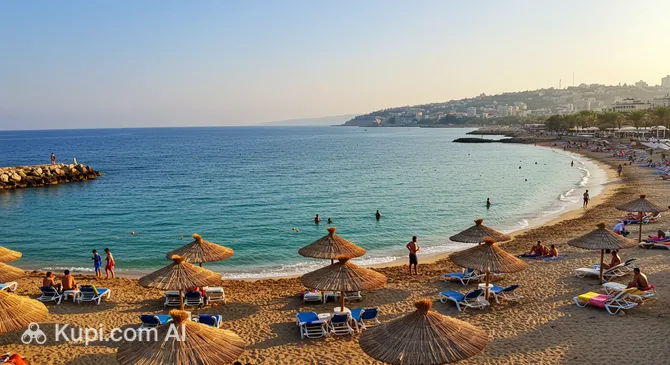
Jounieh is a vibrant pearl of the Lebanese Mediterranean coast, nestled just 16-20 kilometers north of Beirut. The city sprawls along a picturesque bay where azure waves meet green mountain slopes, creating breathtaking landscapes. Jounieh is famous for its unique atmosphere as a world-class resort, attracting tourists with its sandy beaches, bustling nightlife, and relaxed seaside vibe.
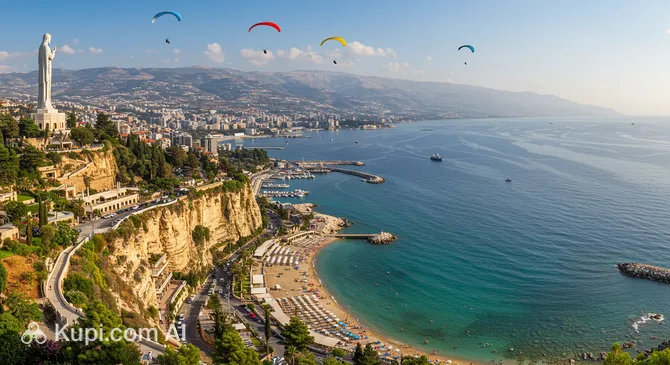
Jounieh. Illustration.
Source: Kupi.com AI

With a population of about 102,000, Jounieh is one of the region's significant centers. As part of the Greater Beirut area, the city harmoniously blends modern buildings with historical streets and traditional houses. Here, you can hear Arabic, French, and English spoken on the streets, while the waterfront is always full of life and energy.

Jounieh offers its guests many attractive features. In addition to magnificent beaches, the city is known for its diverse leisure opportunities: from visiting ancient temples and unique museums to yacht trips and parties in trendy clubs. The special charm of Jounieh lies in the blend of Eastern traditions and Western influences, reflected in the local culture and hospitality.

If you are looking for a place where you can combine beach relaxation with cultural discoveries and vivid impressions, Jounieh is an excellent choice. This city, living at the intersection of antiquity and modernity, will undoubtedly charm you with its beauty and dynamism, inviting you to return again and again.

You can find more interesting facts on the history of Jounieh page.
Weather Overview

The weather in Jounieh is characterized by a warm Mediterranean climate. Summers here are typically hot and sunny, with average temperatures in July and August around 25°C and minimal precipitation. The hottest months, July and August, see almost no rain, and daytime highs can reach 29°C. Winters are mild and wetter, with average temperatures in January around 9.5°C, seeing the highest amount of rainfall and rainy days in the year. Spring and autumn are pleasant transitional seasons with comfortable temperatures and moderate precipitation.

In Jounieh, you can expect hot and dry summer months, while winters are cool and wetter. To find out more details, including monthly information, we recommend checking the detailed forecast: weather in Jounieh.

Average monthly temperature

Average monthly precipitation

Interesting Facts

Beyond its beaches and lively nightlife, Jounieh holds many interesting stories and surprising details. This city, stretched along the Mediterranean coast, can surprise even the most seasoned traveler.

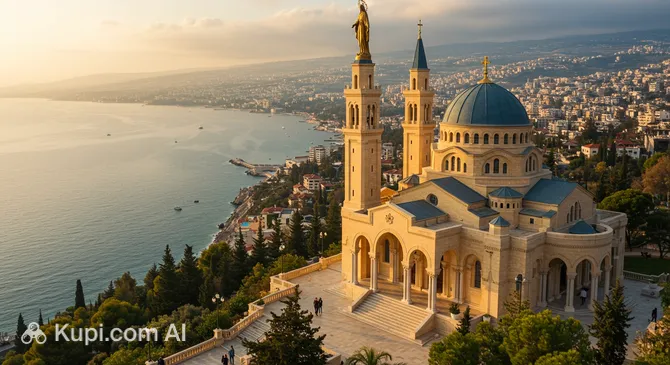
Our Lady of Lebanon Basilica. Illustration.
Source: Kupi.com AI

Traveler photos:

  • From a humble fishing village, Jounieh has transformed into one of Lebanon's most sought-after resorts, while managing to preserve its unique Mediterranean charm and authenticity.

  • At the top of Mount Harissa, towering over the city, stands the famous Our Lady of Lebanon Basilica. It is crowned by a 15-ton statue of the Virgin Mary, cast in France in the late 19th century, which has become a spiritual symbol and the patroness of Lebanon.

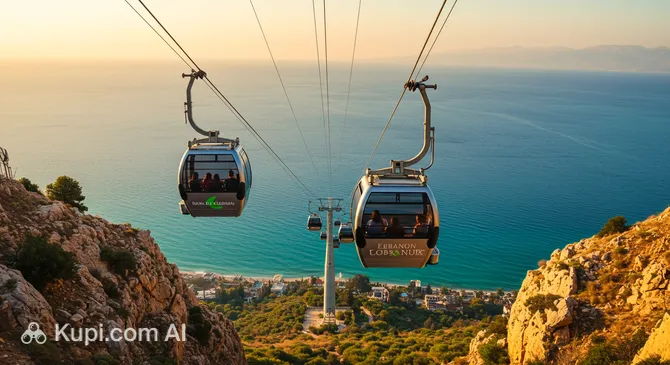
  • You can ascend to the top of Mount Harissa via the unique Lebanese Teleferique. This aerial journey is an exciting adventure in itself, revealing stunning panoramic views of Jounieh, the azure sea, and the surrounding mountain landscapes.

  • The Harissa area is a true spiritual center: it is home to about twenty churches and chapels. Among them, the Cathedral of Saint Paul stands out, known for its magnificent Byzantine-style mosaics.

How to Get There

When planning a trip to this picturesque Lebanese city, it is important to think through your route in advance. You can find all the details and logistics nuances by following the link: how to get to Jounieh.

There is no airport in Jounieh itself, so the primary air hub for tourists is Beirut-Rafic Hariri International Airport (IATA: BEY). It is located in the country's capital, Beirut, just 23 km from Jounieh. This is Lebanon's main gateway, receiving flights from many countries worldwide. A trip from the airport to Jounieh by taxi or transfer usually takes about 55 minutes, though time can vary depending on traffic density.

Another option that travelers sometimes consider for transit is Larnaca International Airport (IATA: LCA), located on Cyprus in the city of Larnaca, about 210 km away in a straight line. However, there is no direct land connection between Cyprus and Lebanon, so this route involves a connecting flight to Beirut.

For clarity, here is summary information on the main airports located in the region:

AirportPassenger trafficDistance
Beirut-Rafic Hariri International Airport5.6 mln23 km
Damascus International Airport2.1 mln103 km
Haifa Airport275 000141 km
Larnaca International Airport8.1 mln209 km
Ben Gurion International Airport21.1 mln229 km

Currently, there is no active passenger rail service in Lebanon, so it is impossible to reach Jounieh by train. Roads remain the primary way to travel between cities. Tourists often use taxis, rent cars, or choose intercity buses that run along the coast.

Main Attractions

Jounieh, a charming coastal city in Lebanon, offers its guests a variety of attractions, from breathtaking views to lively entertainment centers. When planning your trip, be sure to include several key places in your itinerary to make your journey unforgettable.

One of the most iconic landmarks is the Our Lady of Lebanon Basilica, located on a hilltop in Harissa, easily accessible from Jounieh. This majestic statue of the Virgin Mary is an important pilgrimage site and a symbol of faith. The terrace near the basilica offers panoramic views of Jounieh Bay and Beirut, which are especially impressive at sunset. A visit to this place gives a sense of peace and allows you to touch the spiritual side of Lebanon.

Our Lady of Lebanon Basilica. Illustration.
Source: Kupi.com AI

Traveler photos:

You can ascend to the Our Lady of Lebanon Basilica on the famous Lebanese Teleferique (cable car). This ride is an attraction in itself, offering passengers a slow ascent over picturesque pine-covered slopes and the azure waters of the Mediterranean Sea. The cabins glide smoothly upward, revealing increasingly impressive landscapes—a great opportunity to take stunning photos and enjoy the beauty of the region from a bird's-eye view.

Lebanon Cable Car. Illustration.
Source: Kupi.com AI

Traveler photos:

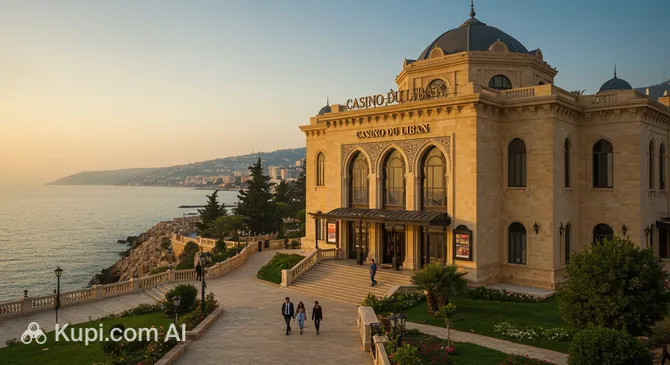
For those seeking world-class excitement and entertainment, Casino du Liban is a must-visit. It is one of the oldest and most famous casinos in the Middle East, attracting visitors with its luxurious atmosphere, wide selection of games, as well as restaurants, bars, and show programs. Even if you don't plan to gamble, it's worth stopping by to experience the atmosphere of glamour and history.

Casino du Liban. Illustration.
Source: Kupi.com AI

Traveler photos:

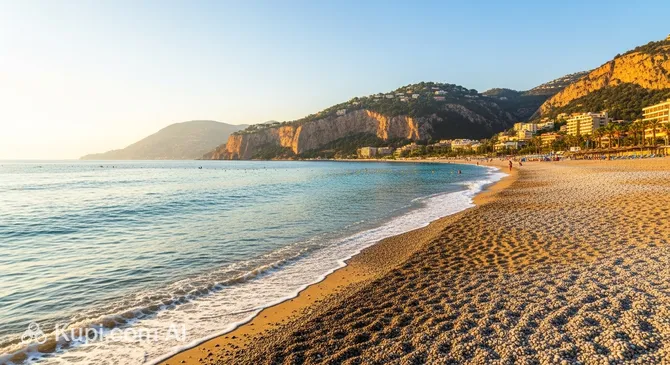
Jounieh is also famous for its beaches, and Solemar Beach is a wonderful place to relax by the sea. This well-maintained beach club offers comfortable conditions for sunbathing, swimming, and water sports. Here you can relax on a sun lounger, enjoy refreshing drinks and delicious food in coastal cafes, and simply admire the Mediterranean Sea. It is the perfect place to spend a sunny day and take a break from the city bustle.

Solemar Beach. Illustration.
Source: Kupi.com AI

Traveler photos:

Local Cuisine

Jounieh is a true gastronomic paradise for connoisseurs of Lebanese cuisine. The city is famous for its authentic restaurants, where first and foremost you should try meze—a rich assortment of various appetizers. It usually includes hummus, baba ghanoush (eggplant dip), fresh salads like tabbouleh and fattoush, and aromatic pita bread. Don't miss the chance to enjoy kebbe—savory bulgur patties with a meat filling, which are considered one of the signatures of Lebanese culinary art.

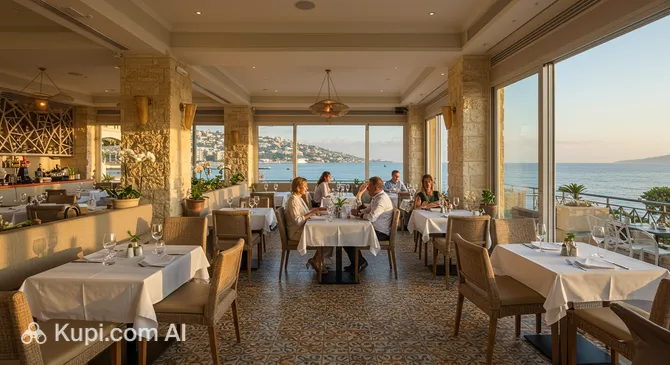
Fresh seafood, caught right from the local bay, holds a special place in the cuisine of Jounieh. In numerous coastal taverns, you will be offered superbly prepared fish and shrimp, often grilled. Calamari and octopus served with fragrant spicy sauces are also popular. Local chefs masterfully combine the freshness of seafood with a rich palette of Oriental spices, creating truly unforgettable flavors.

Carneo. Illustration.
Source: Kupi.com AI

Traveler photos:

Street food in Jounieh is a culinary adventure of its own. At every turn, you can find stalls offering mouth-watering shawarma, manoushe (traditional flatbreads with thyme (zaatar) or cheese), hearty sambousek (small pies), and various sandwiches. Those with a sweet tooth should definitely try qatayef—delicate pancakes with a nut filling, generously drizzled with syrup. This is a wonderful way to have a quick and delicious snack while immersing yourself in the local atmosphere.

As for drinks, arak is iconic for Lebanon—a traditional anise-flavored alcoholic drink that perfectly complements seafood and meze. Local wines are also worth noting. The food culture in Jounieh is diverse: locals and tourists enjoy meals in cozy restaurants and taverns overlooking the sea, as well as buying food on the bustling streets. One of the places to get acquainted with local cuisine is the Carneo restaurant. The city often hosts gastronomic festivals where you can discover the full variety of Lebanese delicacies.

Travel Tips

Welcome to Jounieh! This charming coastal city in Lebanon is ready to give you an unforgettable experience. To ensure your trip goes smoothly and comfortably, we've prepared some practical tips.

  1. Clothing and Essentials:

    Jounieh has a Mediterranean climate, with hot, dry summers and mild, wet winters. In summer, bring light, breathable clothing, swimwear, sunglasses, a hat, and sunscreen. In winter, sweaters, a light jacket, and an umbrella will be useful. Comfortable shoes are your best friend for walking around the city and its surroundings. Don't forget an adapter for electrical appliances; Lebanon uses Type C, D, and G sockets (220V), so a universal adapter will come in handy. When visiting religious sites, such as the famous statue of Our Lady of Lebanon in Harissa, choose modest clothing that covers your shoulders and knees.

  2. City Transport:

    For getting around Jounieh and the surrounding areas, you can use "service" (shared taxis) which follow fixed routes and are a popular form of transport. Private taxis are also available; always agree on the price of the trip in advance if the taxi is not equipped with a meter. Taxi-hailing apps (e.g., Bolt or Careem; check their availability upon arrival) also work in Lebanon. Car rental is possible, but note that traffic in Lebanese cities can be intense and parking can be a challenge.

  3. Finance and Currency:

    The official currency is the Lebanese Pound (LBP). However, due to the current economic situation, US Dollars (USD) are widely used and are often the preferred currency for payments, especially in tourist areas. It is recommended to carry a sufficient amount of cash in USD, preferably in small bills. It is best to exchange currency at official exchange offices or banks. Using bank cards can be limited; not all establishments accept them, especially for LBP transactions. ATMs mostly dispense LBP, and withdrawing USD may be difficult. Tipping is customary in Lebanon—about 10-15% in restaurants and cafes if a service charge is not included in the bill.

  4. Health and Safety:

    Jounieh is considered a fairly safe city for tourists. Observe standard precautions: keep an eye on personal belongings, especially in crowded places, and do not leave valuables unattended. Pharmacies are easy to find, and pharmacists often speak English or French. It is strongly recommended to take out medical insurance before your trip. For drinking, use bottled water.

  5. Language and Communication:

    The official language in Lebanon is Arabic (Lebanese dialect). However, many Lebanese, especially in the tourism sector and among the youth, speak French and English fluently, so there should be no communication problems. Learning a few simple phrases in Arabic, such as "Marhaba" (Hello) and "Shukran" (Thank you), will be a nice gesture. SIM cards from local operators (e.g., Alfa or Touch) can be purchased at the airport or at official mobile shops. Wi-Fi is available in most hotels, cafes, and restaurants.

  6. Local Etiquette and Traditions:

    Lebanese people are known for their hospitality. When communicating, be polite and respectful, especially to the older generation. A handshake is a common form of greeting. When visiting homes or religious sites, follow local customs and dress codes. Always ask for permission before photographing people.

  7. Things to Avoid:

    Refrain from discussing sensitive political or religious topics, especially with people you don't know well. Also, you should not take photos of military sites, personnel, or police officers without their explicit permission. This will help avoid misunderstandings and unpleasant situations.

  8. Special Tip for Jounieh:

    Be sure to take the famous Teleferique (cable car) from Jounieh to Harissa, home to the majestic statue of Our Lady of Lebanon and a cathedral. From there, you'll find breathtaking panoramic views of Jounieh Bay, the coast, and even Beirut on a clear day. This is one of the most memorable experiences when visiting the city.

We hope these tips help you better prepare for your trip and fully enjoy the hospitality and beauty of Jounieh. Have a great journey!

Entertainment & Nightlife

Jounieh, a lively coastal city in Lebanon, is famous for its vibrant and diverse nightlife, attracting both locals and tourists. As the sun sets, the city transforms, offering many options for evening and night leisure, from chic clubs and casinos to cozy bars and restaurants with live music.

The main concentration of nightlife venues is found along the coastal strip and in the area of the famous Casino du Liban. This iconic location is a centerpiece of attraction, offering not only gambling but also impressive show programs, restaurants, and bars. The atmosphere here is generally elegant, and many visitors prefer a dressy style. The casino often serves as a starting point for many seeking all-night entertainment.

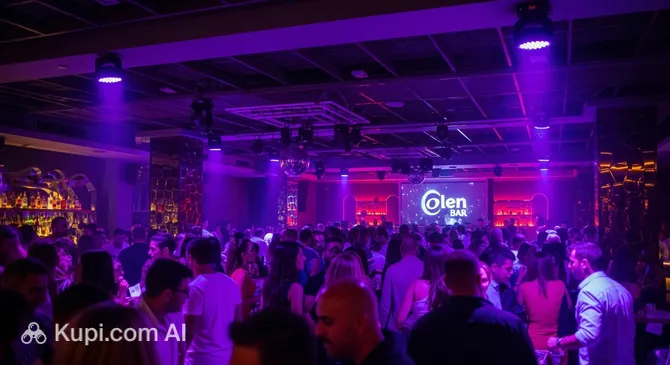
In addition to the casino, Jounieh has many nightclubs and bars to suit every taste. For example, Olen Bar is known for its upbeat parties and modern music, attracting a young and energetic crowd. If you're looking for a place with a more conceptual atmosphere, check out Pablo Escobar Cocktail & Cuisine, where you can enjoy signature cocktails in an unusual interior. Many venues offer live music—from traditional Arabic melodies to modern international hits. Nightlife usually starts late, around 10:00 PM to 11:00 PM, and continues until the early morning, especially on weekends.

Olen Bar. Illustration.
Source: Kupi.com AI

Traveler photos:

Regarding practical tips, it is best to arrive at popular clubs and bars closer to midnight when the fun is in full swing. Prices can vary: from moderate in small bars to quite high in prestigious clubs and restaurants at the casino. For getting around at night, a taxi is the most convenient option; it is recommended to agree on the fare in advance or use official taxi companies. Overall, Jounieh is considered a safe city for night walks, especially in busy tourist areas, though standard precautions should always be observed.

While nightlife is the main draw of Jounieh, there is also plenty to do during the day. You can visit the majestic Our Lady of Lebanon Basilica in Harissa for breathtaking bay views or ride the famous Lebanese Teleferique. Beach lovers will appreciate local spots like Solemar Beach or the Officer's Club Beach, where you can relax and soak up the sun before a busy night program.

Parks & Museums

Jounieh, a charming coastal city in Lebanon, offers its guests the chance to enjoy not so much traditional parks and museums in the classical sense, but rather magnificent beach areas and iconic cultural sites that reflect the rich history and spirit of the place.

While there are few extensive urban parks in Jounieh, its coastline is famous for beautiful seaside relaxation spots. One of the most popular is the Officer's Club Beach, offering comfortable conditions for family holidays and water activities. Another well-known spot is Solemar Beach, which attracts visitors with its atmosphere and developed infrastructure. These beaches are a great way to enjoy the Mediterranean Sea and the sun.

Officer's Club Beach. Illustration.
Source: Kupi.com AI

Traveler photos:

Instead of traditional museums, Jounieh's cultural heritage is revealed through its impressive landmarks. Central among them is the majestic Our Lady of Lebanon Basilica in Harissa, towering over the city. This iconic shrine is an important pilgrimage site and a symbol of Lebanon, offering breathtaking panoramas of Jounieh Bay. You can reach the basilica via the famous Lebanese Teleferique (cable car), a ride which is an unforgettable experience in its own right.

Our Lady of Lebanon Basilica. Illustration.
Source: Kupi.com AI

Traveler photos:

Another landmark of Jounieh is Casino du Liban. This is not just a gambling establishment, but an important cultural and entertainment center with a rich history, known for its architecture and the events held here. It has long been a symbol of the region's glamorous life.

Casino du Liban. Illustration.
Source: Kupi.com AI

Traveler photos:

For a more authentic experience, stroll through the old streets of Jounieh, where you can find small local shops and cafes reflecting the city's daily life. Also, don't miss the chance to enjoy fresh seafood at one of the restaurants overlooking the bay—it will give you a true sense of the local flavor.

Getting Around

Getting around Jounieh can be done in several ways, each with its own characteristics. Public transport here is mainly represented by buses and various types of taxis, including the popular shared taxis.

The main form of public transport in Jounieh is buses. These are mostly minibuses or medium-sized buses running along the main streets and connecting different city districts and suburbs. There may be no fixed schedules or designated stops; the bus often stops on demand with a wave of a hand. Payment is usually made in cash directly to the driver upon boarding or exiting. It is recommended to carry small bills.

Very popular in Jounieh, as in all of Lebanon, are shared taxis known as "service". These are passenger cars or minivans following specific routes. Passengers can hop in anywhere along the route if there are free seats and get out on demand. The cost of a "service" ride is fixed for a certain segment of the route and is usually low. Before boarding, clarify with the driver if they are heading in your direction and confirm the price.

For more comfortable and faster travel, you can use regular taxi services. They can be found at ranks near hotels, shopping centers, or simply hailed on the street. It is recommended to agree on the fare with the driver in advance, as not all cars are equipped with meters, or ensure the meter is turned on. In recent years, mobile apps for ordering taxis have also appeared, which can be a convenient alternative.

Jounieh's main transport landmark is the famous Teleferique (Téléphérique)—a cable car leading to the statue of Our Lady of Lebanon at the top of Mount Harissa. This is not just a way to reach an important pilgrimage site and a viewpoint with breathtaking views of Jounieh Bay, but also an exciting journey in its own right. Tickets for the Teleferique are purchased at the ticket offices at the lower station.

Regarding payment, the primary method is cash. There are generally no travel cards or unified transport apps for all types of transport in Jounieh. Therefore, always have a sufficient amount of local currency in small bills. Public transport operating hours can vary; buses and "services" usually run from early morning until late evening, but the intensity of traffic decreases at night.

As an alternative to public transport, especially for short distances along the waterfront or in the city center, walking is an option. Car rental is possible, but you should consider the local traffic patterns. Bicycle rental in Jounieh is not well-developed and is not a common way for tourists to get around.

Accommodation

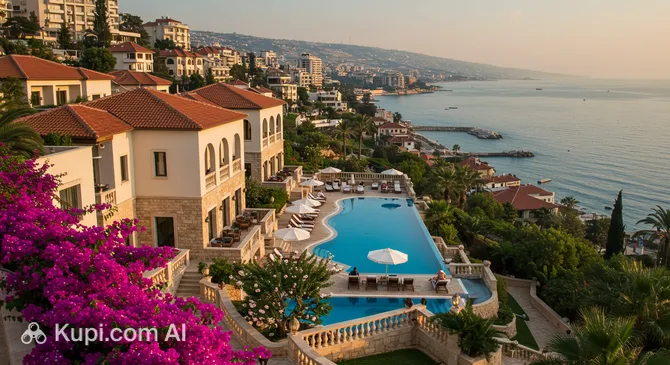
In Jounieh, there is a wide range of accommodation options to satisfy the needs of various travelers. You can find luxury resort complexes with a full range of services, as well as more affordable middle-class hotels and apartments for those who prefer more independence. While budget hostels are less common, it is always possible to find comfortable housing at a reasonable price.

Most tourists prefer to stay in hotels located along the coast, which offer picturesque views of the Mediterranean Sea. Areas close to iconic spots like the Lebanese Teleferique or Casino du Liban are also popular, providing easy access to entertainment and attractions. Notable accommodation options include Portemilio Hotel & Resort and Aquamarina 2 Beach Resort, offering high levels of service and comfort.

Portemilio Hotel & Resort. Illustration.
Source: Kupi.com AI

Traveler photos:

The price range varies from relatively budget-friendly options to luxury offers. It is recommended to book accommodation in advance, especially if your trip falls during the peak tourist season (summer months and holiday periods), to guarantee the best choice and prices. Most hotels and apartments can be easily booked via popular online platforms or directly on the hotels' websites.

Nearby Cities

For those wishing to explore the surroundings, Jounieh serves as an excellent starting point for day trips to several interesting nearby locations:

CityPopulationDistance
Qornet Chahouane28 0007 km
Bteghrine12 00012 km
El Fanar30 00013 km
Bourj Hammoud150 00013 km
Ras el Metn10 00015 km

These nearby destinations provide insight into the diverse culture and landscapes of the region.

Shopping & Souvenirs

Jounieh, a charming coastal city in Lebanon, offers tourists pleasant shopping opportunities, although it is not a major commercial hub like Beirut. Here you can find unique souvenirs, local handicrafts, and enjoy a leisurely selection process. The city is not famous for specific types of goods, but its shops and stalls reflect the local character.

Main shopping points in Jounieh are concentrated along the main streets, especially in the old town area (sometimes called the "old market" or "souq") and on the waterfront. Here you will find small boutiques, souvenir shops, and stores selling daily necessities. Walking through these streets is a pleasure in itself, allowing you to soak up the city's atmosphere.

There are few large modern shopping centers in Jounieh comparable to those in Beirut. Shopping here is more focused on small shops and boutiques. If you are looking for a wide range of international brands or large department stores, it might be worth planning a trip to the capital. However, in Jounieh, you can find local shopping galleries or small complexes offering clothing, accessories, and other goods.

While there are no massive markets in Jounieh like in some other Eastern cities, you may stumble upon small local markets selling fresh fruits, vegetables, spices, and traditional Lebanese products. This is a great place to feel the local life and perhaps buy edible souvenirs. Specialized flea markets are rare here, but you can sometimes find interesting vintage items in souvenir shops.

As souvenirs from Jounieh and Lebanon in general, it's worth bringing back cedar wood products, traditional coffee pots (rakweh), hookahs (nargileh), inlaid boxes, olive oil soap, Oriental sweets (baklava, nougat), and aromatic spices. Given the proximity of such a significant site as the Our Lady of Lebanon Basilica, you can also find religious souvenirs. Jewelry with Oriental motifs and handmade crafts are also popular.

Shops in Jounieh are usually open from the morning (around 9:00-10:00 AM) and work until the evening (7:00-8:00 PM). Some small shops may close for a siesta in the middle of the day. Working hours may differ on weekends. Most shops accept both cash (Lebanese pounds, sometimes US dollars) and credit cards. However, in markets and small stalls, it's better to have cash on hand.

A VAT refund system (Tax Free) is available for tourists in Lebanon. If you make large purchases, check with the stores if they participate in this program. Usually, you need to fill out a special form and present it along with receipts and the goods at the airport upon departure. Look for "Tax Free Shopping" signs in shop windows.

Reached the end of the page?

That means the route is fully explored