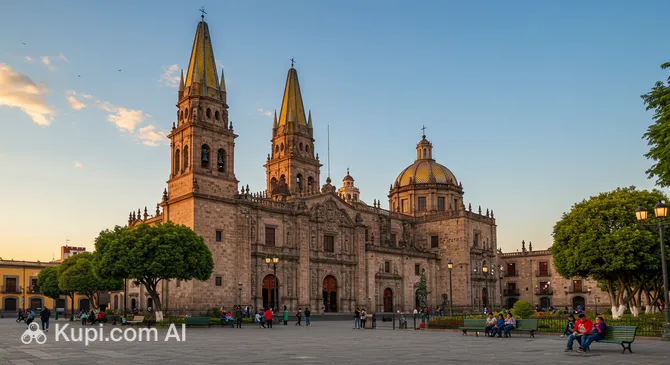
The Basilica of Our Lady of Zapopan (Basílica de Nuestra Señora de Zapopan) is one of the most revered Catholic shrines and a true architectural gem of the state of Jalisco in Mexico. Located in the city of Zapopan, which is now part of the Guadalajara metropolitan area, this basilica attracts thousands of pilgrims and tourists every year. It serves not only as an important spiritual center but also as a symbol of cultural and religious identity for the local people.
Traveler photos:
Construction of the church began in 1689 and was completed in the 18th century, giving the region a magnificent example of colonial architecture. The majestic facade of the basilica is designed in the Baroque style with Plateresque and Churrigueresque elements — unique directions in Spanish architecture characterized by an abundance of decorative detail. The elegant bell towers and the Moorish-style dome are particularly eye-catching. Inside, the basilica's decor is striking: you can see numerous works of art, a gilded wooden altar, and, of course, the main relic.
The central object of worship is a small miraculous statue of the Virgin of Zapopan, created in the 16th century. This figure, brought to the region by Franciscan missionaries, is considered the patroness of the city and the entire state. Every year on October 12th, the statue is solemnly carried from the Guadalajara Cathedral back to the basilica. This multi-kilometer procession, known as the "Romería," attracts millions of believers and is included on the UNESCO Intangible Cultural Heritage list.