Support

Monclova

About

Monclova is the true heart of northeastern Coahuila, nestled in a picturesque valley surrounded by hills. This city harmoniously combines the dynamic rhythm of an important industrial center with the relaxed atmosphere of provincial comfort. This is the multifaceted Mexico that reveals itself to travelers wishing to go beyond the usual tourist routes.

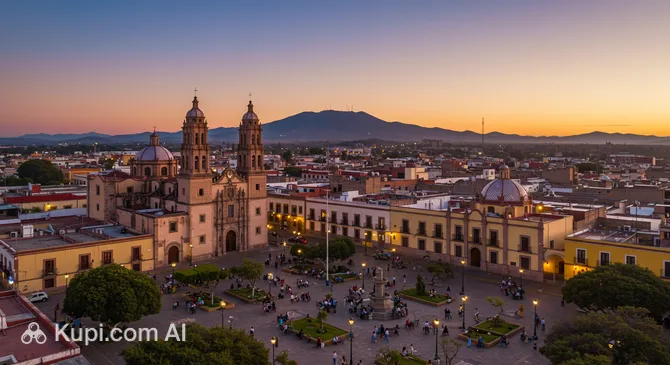
Due to its geographical location between low mountains, Monclova is famous for its breathtaking sunsets that paint the sky in incredible colors. Home to about 237,000 people, the city is an important transport hub connecting the central regions with the northern border. Despite its developed industry, many green areas and quiet corners for walking have been preserved here.

Monclova. Illustration.
Source: Kupi.com AI

The rich history of Monclova deserves special attention, as it is reflected in the architecture of the old streets and the layout of the central squares. Tourists are attracted by the opportunity to see the authentic life of the region: modern districts coexist with historical quarters, and lively squares often host local holidays and cultural events.

Monclova will be a great discovery for those looking for sincere hospitality and wanting to immerse themselves in true Mexican flavor. It is a place where you can not only learn about the region's past but also enjoy its vibrant present, strolling in the shade of trees and watching the slow flow of city life.

Weather Overview

The climate in this region is characterized by distinct seasonality: expect hot summers with periodic rains and mild, dry winters. To properly plan your trip and pack your suitcase, it is useful to know what kind of weather in Monclova is typical for your chosen time of year.

The hottest period lasts from May to August, when daytime temperatures regularly reach +34...+35°C. Nights during this time remain warm, around +24°C. Despite the heat, it is the end of spring, summer, and the beginning of autumn that see the highest number of wet days — for example, in May and September, it can rain for up to 10–11 days a month.

The winter months bring long-awaited freshness and clear skies. In December and January, the average temperature drops to +14...+15°C. During the day, it is still comfortable and sunny, up to +21°C, but nights become cool, with temperatures dropping to +7...+10°C. There is practically no precipitation in winter, which makes this time excellent for long walks.

Average monthly temperature

Average monthly precipitation

Interesting Facts

In addition to its main attractions, Monclova holds many fascinating features that reveal the city from an unexpected side. Here are a few facts that will help you better understand the character and atmosphere of this place:

  • The Country's "Steel Capital." The city bears this unofficial but proud title thanks to its massive metallurgical plant. This enterprise became a symbol of industrial growth, through which Mexico took a huge step forward in the development of heavy industry and innovation.

  • Colonial Heritage. Monclova's history dates back to the 17th century, when Spanish colonists began to settle these lands. Despite modern development, the city has preserved old buildings that still convey the unique spirit and architectural style of that era.

  • City of Legends. Local folklore is full of mysteries: residents often tell amazing stories about old mansions, mystical events, and unusual finds in the surrounding area, which gives walks through the historical center a special charm.

  • Vibrant Festivals. Cultural life here is in full swing, and one of the most memorable events is the colorful carnival. During the festival, the streets are filled with music and dancing, while local artisans and performers showcase their talents to city guests.

How to Get There

When planning a trip to this region, it is important to consider logistics, as direct air service to the city itself is limited for tourists. To plan your route in detail and consider all available options, we recommend visiting the how to get to Monclova page, which contains detailed information.

Since Monclova itself does not have a large civilian airport receiving regular international flights, travelers usually choose air hubs in neighboring major cities. One of the most popular options is General Mariano Escobedo International Airport (MTY), located in the city of Monterrey. This is a large international hub located about 181 km from Monclova. The journey from there by bus or taxi can take about 5 hours, depending on traffic and the chosen mode of transport.

Another geographically closer option is Plan de Guadalupe International Airport (SLW), located in the city of Saltillo, about 158 km from Monclova. Despite its proximity, passenger traffic here is significantly lower, so the number of flights may be limited. The journey from this airport to the destination will take approximately 4–4.5 hours.

For clarity, here is a summary of the main airports:

AirportPassenger trafficDistance
Plan de Guadalupe International Airport4 665158 km
Gen Mariano Escobedo Airport13.6 mln181 km
Quetzalcoatl International Airport151 764193 km
Laredo International Airport294 459207 km
Francisco Sarabia International Airport813 226248 km

Regarding rail transport, direct passenger trains to Monclova are currently not the primary mode of travel for tourists. The railway network in this region is used predominantly for industrial needs. Travelers are advised to use the developed network of intercity buses, which run comfortably and regularly along the main highways, or to rent a car for a trip along the scenic roads of the state of Coahuila.

Main Attractions

Monclova offers travelers an interesting blend of industrial landscapes and rich historical heritage. Despite its reputation as an industrial center, the city has places where you can relax, get acquainted with colonial architecture, and learn more about the region's past.

Xochipilli Park (Parque Xochipilli) is the true pride of the city and its "green lungs." The vast territory of the park is divided into two sectors and is a favorite vacation spot for both locals and tourists. Here you can stroll along well-kept alleys, admire fountains and lakes, and take a ride on the famous miniature train. It is an ideal place for those who want to escape the city bustle and enjoy nature in the middle of a desert landscape.

History buffs should definitely visit the Coahuila and Texas Museum (Museo Coahuila y Texas). This building, constructed at the end of the 18th century, originally served as the Royal Hospital. Today, its walls house exhibitions telling the story of the times when Coahuila and Texas were a single territory. Tourists are attracted not only by the historical value of the collection but also by the architecture of the building itself, with its massive walls and cozy courtyard.

In the very heart of the historical center rises the Parish of St. James the Apostle (Parroquia de Santiago Apóstol). Construction of this church began back in the 17th century, and it is a beautiful example of colonial architecture. The facade made of local stone and the restrained interior decoration create an atmosphere of tranquility and majesty. Visiting the church allows you to touch the spiritual traditions of the city and appreciate the craftsmanship of ancient architects.

To immerse yourself in the city's cultural life, we recommend stopping by the Pape Museum Library (Museo Biblioteca Pape). This modern cultural center was founded by the Pape family of industrialists and serves as a platform for art exhibitions, concerts, and literary meetings. Works by famous Mexican and foreign artists are often exhibited here, making the museum an important point of attraction for art lovers.

Local Cuisine

The cuisine of Monclova is a vibrant gastronomic reflection of the traditions of northern Mexico, where hearty meat dishes play the main role. A trip here is unimaginable without tasting food cooked over an open fire. The hallmark of the region is juicy steaks and a variety of tacos with beef or pork. Special attention should be paid to barbacoa — tender meat that is slow-cooked with spices until it becomes incredibly soft.

Gourmets should definitely try the goat and lamb dishes, which are prepared here according to old recipes with the addition of aromatic herbs and spicy sauces. Monclova's street food will also not leave you indifferent: while walking around the city, you will find many places serving excellent burritos, quesadillas, and classic chili con carne. All of this is traditionally eaten with fresh, often still warm tortillas.

The food culture here is closely linked to socializing and hospitality. The best taste experiences await tourists at farmers' markets and in cozy family restaurants. To refresh yourself on a hot day, order a traditional horchata or fruit-based aguas frescas, and you can finish your meal with a cup of local coffee and a dessert featuring famous Mexican chocolate.

Travel Tips

A trip to Monclova promises to be rich, as this city combines industrial power with warm northern hospitality and the unique flavor of the state of Coahuila. To make your trip as comfortable as possible and without surprises, we have prepared a list of important practical recommendations to help you feel confident.

  1. Clothing and Climate. Given the semi-desert climate, your wardrobe directly depends on the season. In summer, it can be extremely hot, so bring light clothing made of natural fabrics, sunglasses, and a hat. In winter, the weather is changeable: it can be warm during the day, but at night the temperature drops sharply, so be sure to bring a warm jacket or windbreaker. Comfortable closed shoes are useful for walking through parks and the historical center.
  2. Transport Matters. Public transport in the city is represented by buses, but their routes can be confusing for a tourist. The most convenient way to get around is by renting a car, which will give you freedom in exploring the surroundings. Taxis also operate in the city (it's better to call official "Radio Taxis" by phone or ask the hotel to call a car) along with popular transport apps, though wait times can be longer than in metropolises.
  3. Finances and Tipping. The currency is the Mexican peso. Major hotels, restaurants, and shopping centers accept Visa and Mastercard without problems. However, for buying street food, souvenirs, or paying for a taxi, always carry small cash bills. ATMs are easy to find in banks and supermarkets. Tips in restaurants are usually 10–15% of the bill if you liked the service.
  4. Health and Water. The main rule in Mexico, which also applies to Monclova: never drink tap water. Buy bottled water in stores. Pharmacies (Farmacias) are frequent, many of them operate 24/7 or have night service windows. The sun here is very active, so using a high-SPF cream is a must even on cloudy days.
  5. Communication and Language. The primary language is Spanish. In business circles and expensive hotels, staff may speak English, but in shops and taxis, you might not be understood. We recommend learning basic phrases ("Hola," "Gracias," "Cuanto cuesta") and downloading an offline translator. For mobile communication, it's easiest to buy a SIM card from a local operator (e.g., Telcel) at any OXXO store, which are on every corner.
  6. Etiquette and Socializing. Residents of the north of the country ("norteños") are known for their directness, but they are also very friendly and hospitable. When entering a shop or an elevator, it is customary to say hello ("Buenos días" or "Buenas tardes"). A handshake is the standard form of greeting for men, while women may greet each other with a light kiss on the cheek, even if they are barely acquainted.
  7. What to Avoid. Do not take photos of people without their permission — this is considered bad manners. Also, avoid walking alone in remote, unlit areas at night. And, of course, do not try to compare the local cuisine with southern cuisine in a negative light — residents of Monclova are very proud of their steaks and flour tortillas.
  8. Local Specialty. Unlike the central and southern regions where corn reigns supreme, in Monclova and throughout the state of Coahuila, flour tortillas (tortillas de harina) are considered the staple. Be sure to try them fresh; they are thinner and more delicate than the usual store-bought versions and are the perfect accompaniment to local grilled meat.

Following these simple rules will help you quickly adapt to the local rhythm of life and focus on the main thing — gaining vibrant emotions from getting to know Monclova. Be open to new experiences, and this city will surely reciprocate!

Entertainment & Nightlife

Monclova's nightlife, unlike that of bustling resort towns, is geared more towards relaxed rest after a workday and socializing with friends. Being a major industrial center, the city comes alive closer to the weekend: Friday and Saturday evenings are the most active here. Most entertainment venues are concentrated along the city's main artery — Harold R. Pape Boulevard (Boulevard Harold R. Pape). It is here, in the so-called "Golden Zone" (Zona Dorada), that you will find the best restaurants, bars, and meeting spots.

The atmosphere in Monclova's venues is casual and welcoming. Modern sports bars broadcasting matches harmoniously coexist with traditional cantinas featuring live music. The crowd is diverse, ranging from engineers and businessmen to students. The dress code in most places is casual, but for visiting nightclubs, you should choose a smart casual style. The musical preferences of locals often lean towards regional genres — norteño and banda — so be prepared for loud and fiery rhythms, although pubs often play rock and pop music.

One of the main centers of attraction in the evening is Paseo Monclova. This is the largest shopping and entertainment complex in the region, where life hums until late in the evening. People come here not only for shopping but also to visit the modern cinema, play bowling, or dine at one of the many restaurants with outdoor terraces. It is a great place for those looking for safe and comfortable recreation with the whole family or a large group.

If you want to feel the true spirit of the city, be sure to check the game schedule of the local baseball team, "Acereros de Monclova." Home games at Estadio Monclova are the main evening entertainment for thousands of citizens. The atmosphere at the stadium is incredible: music, the emotions of the fans, and traditional snacks create a celebration that often continues in the city's bars after the game ends.

As for daytime entertainment, Monclova offers quiet cultural leisure. In addition to the already mentioned parks, it's worth paying attention to the Teatro de la Ciudad (City Theater). It is one of the most modern performing arts venues in the north of the country, regularly hosting plays, concerts, and dance performances. Art lovers will also find it interesting to look into the small galleries at cultural centers that operate during daylight hours.

Practical Tips and Safety:

  • Transport: Public transport runs infrequently at night, so it is highly recommended to use taxis or apps like Uber/DiDi to move between venues. This is not only more convenient but also safer.
  • Safety: The central districts and the Pape Boulevard area are well-lit and patrolled. However, tourists should not wander deep into residential neighborhoods (barrios) on the outskirts at night.
  • Prices: The cost of leisure in Monclova is lower than in Mexico City or Monterrey. The average check for dinner with drinks in a good bar will be about 300–500 pesos per person.
  • Opening Hours: Bars are usually open until 1:00 or 2:00 AM, while nightclubs stay open longer but only start to fill up after midnight.

Parks & Museums

Despite its status as a major industrial center, Mexico, through Monclova, manages to surprise travelers with its number of well-kept green areas and rich cultural agenda. The city offers an excellent balance between educational leisure in museums and relaxed rest in nature, allowing you to escape the city bustle.

The city's main oasis is rightfully considered Xochipilli Park (Parque Xochipilli). Although it has already been mentioned as a symbol of the city, its unique division into two zones is worth noting. While the first sector invites contemplative relaxation among lush vegetation, waterfalls, and the famous suspension bridge, the second sector is a territory of active life with picnic areas and sports zones. A huge number of tree and shrub species grow here, creating saving shade even on the hottest days, which makes the park an ideal place for morning jogs or family weekends.

For wildlife lovers, the Monclova Ecopark (Ecoparque Monclova) will be a true discovery. This is a one-of-a-kind zoo and nature reserve in the region, where animals are kept in conditions as close as possible to their natural habitat. Walking along its trails, visitors can see lions, tigers, buffaloes, ostriches, and llamas. In addition to observing animals, the park offers a picturesque lake where you can go boating and an astronomical observatory that reveals the secrets of the starry sky.

You can immerse yourself in the region's military history at the El Polvorín Museum (Museo El Polvorín). This small but atmospheric stone building, constructed in 1781, originally served as a gunpowder magazine for the Spanish army. Located on a hill, the museum houses a collection of artifacts, maps, and weapons telling the story of the colonial period and the struggle for independence. The structure itself is an important architectural monument that has preserved the spirit of the 18th century.

Art lovers should pay attention to the galleries of the Pape Museum Library. In addition to permanent exhibitions, temporary displays of contemporary art, photography, and sculpture are regularly held here. The space is designed to combine literature and visual art: after viewing the exhibition halls, you can relax in the silence of the reading rooms or stroll through the modern sculpture garden adjacent to the building.

Insider Tip: To see the best panoramic view of the city and the metallurgical plant, especially impressive at sunset, climb La Loma de la Bartola hill, where the El Polvorín museum is located. This place is not so crowded with tourists, and you can get the most spectacular photos of Monclova at night from here.

Getting Around

The public transport system in Monclova is quite simple and typical for industrial cities in this region. There is no metro, tram lines, or trolleys here. The primary means of transportation for locals are city buses, and for tourists, the most convenient and comfortable option is often a taxi or using mobile apps to call a car.

The bus network covers most of the city and consists of routes that locals call "rutas". These are usually medium-sized buses, often painted in specific colors depending on the line. The route number and main stops are usually written in large letters on the windshield. It is worth noting that the level of comfort in such buses can vary: not all of them are equipped with air conditioning, which is an important factor in Coahuila's hot climate.

The payment system for public transport in Monclova is conservative. Contactless transport cards, validators, or mobile apps for buying tickets are not used here. Payment is made exclusively in cash to the driver upon entry. The fare is fixed and very affordable (usually equivalent to less than 1 US dollar). It is highly recommended to have small coins and bills with you, as the driver may not have change for large banknotes.

For tourists, the most preferred alternative is taxi and car-sharing services. Popular international apps such as Uber and DiDi, as well as the InDriver service, operate actively in the city. Using apps eliminates the language barrier and the need to haggle, and also allows you to track the route via GPS. Additionally, official "Radio Taxis" operate throughout the city. They can be found at special stands (sitios) or called by phone, but hailing a car just by waving your hand on the street in unfamiliar areas is not recommended for safety reasons.

Public transport usually starts operating early in the morning, around 6:00 AM, and finishes its routes around 9:00–10:00 PM. After this time, the only reliable way to get around is by taxi. If you decide to use the bus, be prepared for the fact that there is no clear schedule at the stops, and the frequency of service depends on traffic congestion. Stops are often marked only by small signs or blue markings on the curb, so to get off, you must press the bell button in the cabin in advance or loudly ask the driver to stop.

Accommodation

Monclova, being a major industrial center, offers tourists a specific but high-quality choice of accommodation, primarily oriented toward business travelers. You won't find the massive "all-inclusive" resort complexes typical of the coast here; however, the city has an excellent range of modern and comfortable hotels. The core of the hotel stock consists of reliable mid-range hotels (3–4 stars) and budget guesthouses offering high service levels, stable Wi-Fi, and secure parking.

When choosing a place to stay, the main transport artery of the city serves as a key landmark — Harold R. Pape Boulevard (Boulevard Harold R. Pape). Most hotels are concentrated along this avenue, especially in its northern part, known as the "Golden Zone" (Zona Dorada). Staying here provides maximum convenience: the best restaurants, shopping centers, and main transport interchanges are within walking distance. This is a safe and lively area, ideal for both short stops and long-term stays.

The price range for accommodation in Monclova can be described as moderate and affordable, especially compared to the popular tourist destinations for which Mexico is famous. The cost of a room in a good business-class hotel here will be significantly lower than in Monterrey or Mexico City. Travelers can expect clean, spacious rooms with air conditioning (which is critical in the local climate) at very reasonable prices.

Booking Tip: Since the main flow of guests to the city consists of business travelers and engineers, peak hotel occupancy often falls on workdays (Monday to Thursday). If your trip falls on a weekday, it is recommended to book accommodation in advance through popular online platforms. On weekends, finding a free room is usually easier, and prices may be even more attractive. It is also worth considering the local baseball team's game calendar: on the days of important matches, hotels near the stadium may be full.

Nearby Cities

For those who want to explore the surrounding area, Monclova serves as an excellent starting point for day trips to several interesting nearby places:

One of the most popular destinations is Saltillo — the capital of the state of Coahuila. This city is famous for its rich cultural heritage and magnificent colonial architecture. The main attraction here is the famous Desert Museum (Museo del Desierto), where you can learn about the region's paleontological past and see dinosaur skeletons. Additionally, the city is known for its brightly woven capes — serapes — which make excellent souvenirs.

Nature lovers should head to the city of Garcia. This place attracts travelers thanks to the famous Garcia Caves (Grutas de García). These ancient caves, hidden high in the mountains, capture the imagination with their bizarre stalactites and stalagmites. You can reach the entrance by cable car, enjoying breathtaking panoramic views of the surrounding valleys along the way.

If you are attracted to mountain landscapes and active recreation, look into the city of Santa Catarina. It is located right at the entrance to the impressive La Huasteca Canyon. This is part of the Cumbres de Monterrey National Park, where majestic limestone cliffs create a unique landscape ideal for rock climbing, hiking, or just a scenic picnic in nature.

CityPopulationDistance
Frontera75 2424 km
Castanos27 31414 km
Cuatro Cienegas10 39565 km
Melchor Muzquiz38 992108 km
Palau17 594109 km

These nearby destinations provide an insight into the diverse culture and landscapes of the region.

Shopping & Souvenirs

Shopping in Monclova is a harmonious blend of modern comfort and the traditional flavor of the northern part of the country. Although the city does not claim the title of a major fashion capital for which Mexico is famous, excellent shopping conditions have been created here. Travelers will find both large shopping complexes with familiar international brands and cozy shops offering unique regional goods. Due to the hot climate, shopping here often becomes a way to spend time pleasantly in the cool of air-conditioned halls.

The city's main shopping artery is rightfully considered Harold R. Pape Boulevard (Boulevard Harold R. Pape). This long highway, crossing the city from north to south, is home to many shops, boutiques, and supermarkets. Strolling or driving along the "Golden Zone" of this boulevard, you will find everything you need: from electronics and clothing stores to souvenir shops.

The undisputed leader among shopping venues is the Paseo Monclova shopping and entertainment center. This is a modern and spacious mall where popular clothing, shoe, and accessory stores are gathered under one roof. Anchor tenants include large Mexican department stores such as Liverpool and Cimaco, where you can purchase high-quality goods, from cosmetics to interior items. It is an ideal place for family shopping, where after your purchases you can relax in the food court or go to the cinema.

For those looking for a more authentic experience, small local markets and shops in the historical center (Zona Centro) are of interest. The atmosphere here is more lively and noisy. At the markets, you can buy fresh seasonal fruits, spices, and products from local artisans at very affordable prices.

Special attention should be paid to souvenirs, as the region is famous for its unique products. First and foremost are pecan (nuez) sweets. The state of Coahuila is one of the main producers of this nut, so be sure to buy pecan candies, rolls, or cookies ("dulces de nuez") to take home — they are a delicious and popular gift. Local leather products are also valued: high-quality belts, wallets, and cowboy boots in the "norteño" style. And, of course, a gastronomic souvenir — a pack of real flour tortillas (tortillas de harina), which are considered the best in the country here.

Most shopping centers and large stores are open seven days a week, usually from 10:00 or 11:00 AM to 9:00 PM. Traditional markets and small private shops open earlier, around 8:00–9:00 AM, but may close as early as 6:00 PM or take a siesta break in the middle of the day. Credit cards (Visa, Mastercard) are widely accepted in shopping centers and supermarkets, however, it is necessary to have cash pesos for purchases at markets or street kiosks.

Tourists shopping in Mexico can take advantage of the tax refund system (Tax Free). The "Moneyback" program allows you to get a partial VAT refund when purchasing goods worth over 1,200 pesos in participating stores (look for the corresponding logo on the storefront or at the cash desk). To apply for a refund, you must keep the receipts and present them along with your passport and migration card at special points, which are most often located in large international airports before departing the country.
Reached the end of the page?

That means the route is fully explored