Support

Morelia Cathedral

About

Morelia Cathedral, officially known as the Cathedral of the Transfiguration of the Lord, is the primary architectural and spiritual landmark of the city, located in the heart of Mexico. This Catholic cathedral is not only the main church of the local archdiocese but also one of the country's most recognizable symbols of colonial heritage.

Built in the 17th and 18th centuries, the cathedral is a magnificent example of Baroque architecture with later Neoclassical elements in the interior. Its most striking feature is the use of pink cantera stone, quarried locally, which gives the facades a majestic and warm hue. This monumental building impresses with its harmonious proportions and elegant carvings.
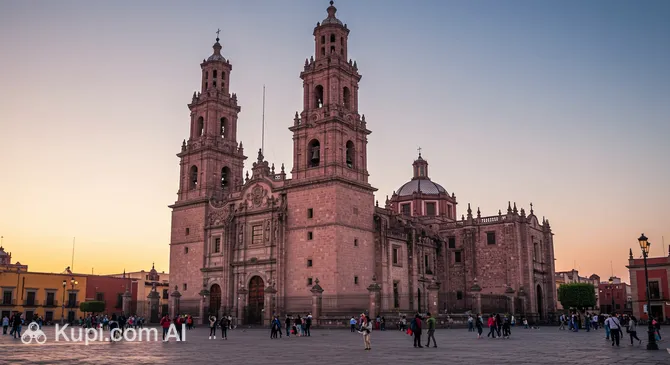
Morelia Cathedral. Illustration.
Source: Kupi.com AI

Traveler photos:

Its two symmetrical 66-meter towers rise proudly above the city's historic center, making the cathedral one of the tallest buildings of its time in the region. The cathedral's majestic appearance, rich history, and cultural significance attract travelers from all over the world to Morelia, all wishing to experience a unique architectural legacy recognized as a UNESCO World Heritage site.

Contacts

The cathedral is an active place of worship and one of the main attractions in the city of Morelia, so it is quite easy to find. To check the current service schedule, opening hours for tourists, or information about special events such as the famous light shows, it is recommended to get in touch using the official contact details.

How to contactContact
AddressAv Francisco I. Madero Pte S/N, Centro histórico de Morelia, 58000 Morelia, Mich., Mexico
Phone number+52 443 312 2936

What to Do

A visit to Morelia Cathedral is an immersion into the world of art and architecture. The main activity for tourists is exploring its unique appearance, which harmoniously combines Baroque and Neoclassical styles. Inside, visitors will find rich decorations, with the crown jewel being the monumental organ brought from Germany in the early 20th century, which has more than 4,500 pipes. Thanks to the excellent acoustics, the cathedral often hosts music festivals, offering the chance to not only see but also hear the greatness of this place.

On the outside, pay attention to the details. The majestic 66-meter twin towers are a symbol not only of the city of Morelia but also of the influence of the Catholic Church during the colonial era. The facades, made of the regional pink cantera stone, give the cathedral a special character that looks particularly beautiful in the rays of the setting sun. This makes the cathedral a favorite spot for photographers and architecture enthusiasts.

The cathedral is the heart of the city's historic center, which has been a UNESCO World Heritage site since 1991. Therefore, a walk to it is part of a larger cultural journey through the colonial streets of Mexico. A special event that draws many spectators is the sound and light show with fireworks held on Saturday evenings, illuminating the cathedral's facade and creating an unforgettable spectacle.

Getting There

Morelia Cathedral is located in the heart of the historic center of Morelia, the capital of the state of Michoacán. Thanks to this convenient location, the cathedral is a key point on any traveler's map and is easily accessible for both tourists and locals.

If you are already in Morelia, getting to the cathedral is a breeze. The most pleasant way is a walk through the colonial streets, following the signs to the central square. Additionally, you can use local public transport or take a taxi, which will quickly take you directly to the main entrance of the cathedral, located on the city's main square.

For travelers arriving from other cities in Mexico, Morelia is conveniently connected by bus and has its own airport. From the bus station or airport, the city center is easily reached by bus or taxi. The journey will lead you to the historic center, where the majestic Cathedral stands tall.

Nearest city: Morelia

History & Facts

The history of Morelia Cathedral is a chronicle of the ambition and craftsmanship of the colonial era. Its construction began in 1660 under the direction of architect Vicente Barroso de la Escayola. The process of building this monumental structure was incredibly long, taking a full 84 years and only finishing in 1744. This duration testifies to the grand vision and complex architectural solutions involved in creating the future symbol of the city.

The cathedral's architectural style is a unique and harmonious blend of European Baroque and Neoclassical styles, making it an outstanding monument in Mexico. A key feature that defined the look of not only the church but the entire historic center of Morelia was the use of local pink stone, known as cantera. This material, quarried nearby, gives the cathedral's facades a noble and warm hue that plays beautifully in the sunlight.

The cathedral's two majestic towers, reaching 66 meters into the sky, were long considered some of the tallest structures in the region. During the colonial period, they served not just as decoration but as a visual symbol of the power and influence of the Catholic Church. Centuries later, in 1991, the enduring historical and cultural significance of the cathedral was recognized globally when it, along with the city's entire historic center, was added to the UNESCO World Heritage list.

Time Needed

To fully explore Morelia Cathedral, it is recommended to set aside about 1-2 hours. This is enough time to leisurely walk around the exterior, admire its majestic towers and pink stone facade, and carefully examine the rich interior decorations. By planning for this amount of time, you can take memorable photos and soak in the atmosphere of this landmark Mexico site without rushing.

If you want to dive deeper into the life of the cathedral, your visit may take longer. For example, you could attend a church service or specifically come here on a Saturday evening to see the famous sound and light show with fireworks that illuminates the cathedral's facade. Classical music lovers should check the schedule in advance, as the cathedral often hosts concerts featuring its monumental organ, which boasts over 4,500 pipes.

Working Hours

Morelia Cathedral is open to visitors year-round, serving as both an active church and a major tourist site in Mexico. Generally, the cathedral can be visited daily, approximately from 9:00 AM to 6:00 PM. Entrance to the cathedral itself is usually free, though donations for its maintenance are welcome. No prior booking is required for a standard visit, allowing tourists to plan their time freely.

Please note that opening hours may change depending on the schedule of church services, masses, and special events. For instance, masses are held regularly throughout the day, especially on weekends. To get the most accurate and up-to-date information, particularly if you plan to attend a guided tour or an organ concert, it is recommended to check the schedule on the official website or verify details by phone directly before your visit.

6:00 – 20:00

Nearby

A visit to the Cathedral is undoubtedly the central event of any trip to Morelia. However, to truly feel the spirit of this colonial city, it is worth taking the time to explore its surroundings. The historic center where the cathedral is located is a UNESCO World Heritage site, and every corner of it holds its own history. A stroll through the cobbled streets will allow you to discover the charm of the "Pink City," named for its abundance of buildings made from the characteristic local stone.

Just steps away from the cathedral, you'll find cozy squares, fascinating museums, and other architectural gems. Exploring these nearby attractions will enrich your experience and help you gain a fuller picture of the cultural and historical heritage of not just Morelia, but all of Mexico.

NameDistance
Morelos Birthplace Museum0.2 km
Hotel de la Soledad0.2 km
Clavijero Palace0.3 km
Casa de Morelos Museum and Historical Archive0.3 km
Garden of the Roses0.3 km
Church of San Francisco of Assisi0.4 km
Sinatra Cantabar0.5 km

Have you reached the end of the page?

So the route has been studied inside and out