Support

Tangamanga zoo park 2

About

Imagine a vast green space where airplanes once took off, now peacefully home to exotic animals. Zoo Tangamanga Park 2 is a remarkable site in the city of San Luis Potosí, created through the large-scale transformation of an old airport. Today, it stands as one of the most important natural landmarks that Mexico is proud of.
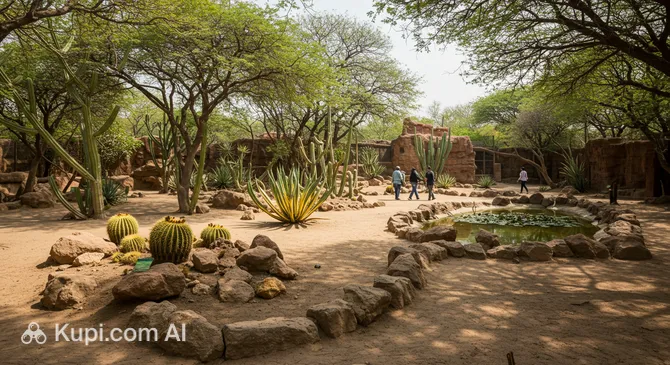
Tangamanga Zoo Park 2. Source: Kupi.com AI

The facility is part of the massive Parque Tangamanga II, which is among the largest urban parks in the country. The zoo offers visitors a unique experience observing animals in environments that closely mimic their natural habitats. With a high trust rating among travelers, it has become a favorite spot for those seeking tranquility and a chance to connect with the animal kingdom without venturing far from the city center.

It harmoniously combines environmental education programs with opportunities for family leisure. While strolling through the grounds, you can see both representatives of local Mexican wildlife and rare species from around the world, making every visit both educational and inspiring.

Contacts

To ensure your visit goes smoothly, we recommend checking the exact location beforehand. Zoo Tangamanga Park 2 is located in the northern sector of the city and is easily accessible for tourists.

Address Parque Tangamanga II, 78140 San Luis Potosí, S.L.P., Mexico
Google Maps Open on map

What to Do

The main activity here is taking fascinating walks along the spacious enclosures. Visitors can observe the habits of Mexican fauna and exotic species while relaxing from the city noise in the shade of the trees. The well-maintained paths are perfect for families with children, turning an introduction to nature into a pleasant adventure.

In addition to animal watching, the park offers plenty of opportunities for active recreation. You can enjoy outdoor sports, have a family picnic in designated areas, or enjoy the view of the canals. History and technology enthusiasts will find it interesting to see the Canal 9 television station building and the former racetrack located in the immediate vicinity of the zoo.

For photographers and nature lovers, this place is a real find: you can capture great shots of rare birds and other inhabitants in their natural surroundings. The combination of educational walks and active leisure makes a visit to the zoo fulfilling and diverse.

Getting There

The easiest way to reach this natural oasis in the north of the city is by car or taxi. The trip from the city center is approximately 5–7 kilometers and takes about 15–20 minutes. This is the most convenient and fastest method, given the affordable taxi prices in the region.

For those who prefer public transport, there are bus routes passing through the northern districts. Stops are located near the park entrance, though it's recommended to confirm current route numbers with hotel staff or via mobile apps. There is parking available on-site for visitors arriving in their own vehicles.

Walking from the historical center can take over an hour, so it's better to use transport to save your energy for exploring the zoo itself. If you are coming from the airport, a taxi will get you to the location with maximum comfort.

History & Facts

The history of this place is truly unique. Parque Tangamanga II, which includes the zoo, was officially opened in 1985. Its main feature is that it was built on the grounds of the old city airport, serving as a landmark example of the ecological transformation of an industrial zone into a recreational one.

The park was created following the success of Tangamanga I, which opened a few years earlier on the lands of a former hacienda. Together, these two sites have become some of the largest urban park complexes in the country. The zoo became a vital element of this system, highlighting the city's commitment to biodiversity conservation and environmental education.

Over the years, the park has witnessed many events: from sports records at the adjacent racetrack, where Formula 4 cars competed, to the development of modern media technologies. Today, Zoo Tangamanga Park 2 continues to evolve, remaining an essential "green heart" of the northern part of the city.

Time Needed

To fully explore the animal enclosures and enjoy a stroll along the shaded alleys, most visitors are recommended to set aside 3 to 4 hours. This is usually enough time for a relaxed introduction to the inhabitants and a short rest in the recreational areas.

If you plan to combine your zoo visit with active sports or a picnic within Parque Tangamanga II, it's worth planning for a half-day visit. Morning hours are the ideal time to visit, as animals are most active and the air is still pleasantly cool.

Working Hours

When planning your visit, it is important to know that the zoo is open to guests from Tuesday to Sunday. On these days, the park gates open at 06:00 AM and close at 07:00 PM, allowing you to choose a convenient time for either early morning walks or evening relaxation.

Please note that Monday is a day off. During this time, necessary technical work and animal care activities are carried out on-site, so access for visitors is closed.

Nearby

Exploring the surroundings of the zoo can significantly enrich your travel experience. The proximity to several aquariums and park areas allows you to plan a full day dedicated entirely to nature and family fun.

The neighborhood offers a wide selection of themed locations, from specialized fish exhibits to amusement parks located just a few minutes' drive away.

Name Type Distance (km)
Acuario Humahuaca Aquarium 2.1
Aquarium Fish Care Aquarium 2.6
Juarez Colombia Park Park 4.6
Acuarios Luna Aquarium 4.9
FENAE Attraction 5.3
Mechanical games "Azteca" Amusement park 5.3
Pet Shop Aquarium Aquarium 5.6
Acuario Doris Mayoreo y Menudeo Aquarium 7.7
Juegos mecánicos FENAPO Amusement park 8.0

Reached the end of the page?

That means the route is fully explored