Support

Instituto de Antropología e Historia

About

If you want to truly experience the rich heritage of the state of Chiapas, your journey should begin with a visit to the Regional Museum of Anthropology and History. Located in the city of Tuxtla Gutiérrez, this museum is considered one of the most important cultural sites Mexico is proud of. The museum building, constructed in the early 80s in a minimalist style, is recognized as a masterpiece of modern architecture and has received international awards.
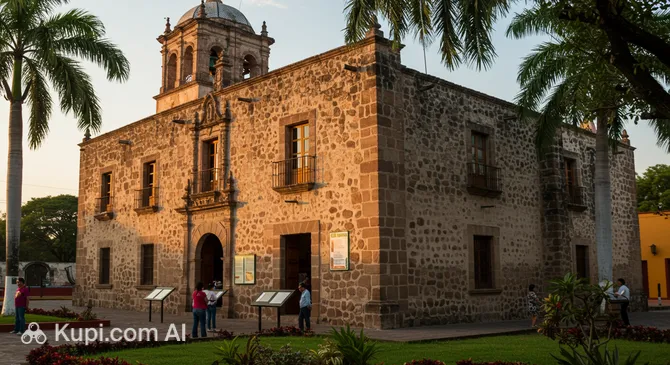
Institute of Anthropology and History. Source: Kupi.com AI

Inside the museum, visitors will find two large-scale halls covering a vast period: from the pre-Columbian civilizations of the Maya and Zoque to the events of the early 20th century. Here, you can see unique archaeological finds, ancient manuscripts, and the mystical mural "The Magical World of the Maya" created by the outstanding artist Leonora Carrington.

The museum is under the auspices of the National Institute of Anthropology and History (INAH) and serves as a vibrant space for lectures, concerts, and exhibitions. Its proximity to the picturesque Madero Park makes it an ideal spot for those seeking a combination of intellectual leisure and pleasant outdoor walks.

Contacts

To plan your visit to the Regional Museum of Chiapas (National Institute of Anthropology and History), it is helpful to have current contact details on hand. The museum is located in the central part of the city, making it easily accessible for most tourists.

Address Av. Quinta Nte. Ote. 885, Centro, 29000 Tuxtla Gutiérrez, Chis., Mexico
Phone +52 961 612 2824
Official Website inah.gob.mx

What to Do

In the museum's halls, a fascinating chronicle of the region unfolds before visitors. In the Archaeology Hall, you can study the daily life and beliefs of ancient peoples in detail by examining authentic Olmec, Zoque, and Maya artifacts. It features not only ceramics and jewelry but also detailed maps, diagrams, and reproductions of murals that help visualize the grandeur of pre-Columbian cities.

Those interested in later eras will find the History Hall fascinating. The exhibition covers the dramatic period of the Spanish conquest, the colonial era, and the Mexican Revolution. You can see antique weapons, religious items from ancient monasteries, and important historical documents telling the story of the country's struggle for independence.

In addition to the permanent collections, it's worth checking out the temporary exhibitions and cultural events. The museum often hosts concerts, conferences, and special programs for children. If your visit coincides with traditional holidays, you might see magnificently decorated altars for the Day of the Dead, which are a significant part of the local culture.

Getting There

The attraction is conveniently located in the central part of the city, right on the edge of Madero Park. If you are staying downtown, the museum is easily reachable on foot or by a short taxi ride. For those using public transport, buses running along Quinta Norte avenue are a good option — stops are within walking distance of the entrance.

Travelers arriving from the international airport can reach the site in about 20–30 minutes by taxi. If you are coming from the neighboring city of San Cristóbal de las Casas, the most convenient way is to use ADO buses. The trip takes about an hour, after which you can quickly reach the museum from the terminal by local taxi.

History & Facts

The museum building itself is a monument of modern architecture. It was constructed between 1979 and 1982 according to the design of Juan Miramontes Nájera. The project was so successful that in 1985, it was awarded the first prize at the international architecture biennale in Bulgaria. The official opening to the public took place in 1984.

One of the collection's most precious gems is the mural “The Magical World of the Maya.” The famous artist Leonora Carrington created it in 1963 for the capital, but the piece was later moved here to emphasize the region's connection to its great heritage. This surrealist masterpiece harmoniously complements the ancient artifacts, creating a bridge between eras.

The museum is an important part of the National Institute of Anthropology and History (INAH) network, established in 1939 to preserve the country's cultural heritage. Today, it serves not only as a repository of treasures but also as an active research center, welcoming thousands of students and scholars from around the world every year.

Time Needed

To immerse yourself in the atmosphere of ancient civilizations and explore the historical exhibition without rushing, we recommend setting aside 2 to 3 hours for your visit. This is plenty of time to carefully view the archaeology and history halls and admire Leonora Carrington's famous mural.

If you plan to visit one of the temporary exhibitions or attend a cultural event in the auditorium, it's worth adding an extra hour to your schedule. After the tour, a stroll through the adjacent Madero Park will make your cultural outing even more relaxing.

Working Hours

The museum welcomes visitors from Tuesday to Sunday. The doors of the National Institute of Anthropology and History are open from 09:00 to 18:00. Please note that Monday is the traditional closing day when the exhibits are closed to the public.

As the schedule may change on public holidays, it is recommended to check the current information on the institution's official website before your visit.

Nearby

Exploring the surroundings of the National Institute of Anthropology and History can significantly enrich your trip. The museum is located in an area with developed infrastructure, where cultural leisure can easily be combined with walks in parks and visits to entertainment centers.

Below are interesting sites located within a few kilometers of the museum:

Name Distance (km)
Centro de Convivencia Infantil de Tuxtla Gutiérrez 0.4
Xtreme Park Tuxtla 1.4
Vida Acuática 1.5
Acuario Aquarium 1.7
AquaBio 1.8
Dr. Pez 1.9
Pollo's house 1.9
Acuario la burbuja 3.4
Ex Fuente Mactumactzá 3.8
Cerros de los náhuales 4.4

Reached the end of the page?

That means the route is fully explored