Support

Museo de Historia Natural José Narciso Rovirosa

About

Located on the picturesque shores of Laguna de las Ilusiones, the José Narciso Rovirosa Museum of Natural History is one of the key educational venues in Villahermosa. It is a modern space designed to introduce guests to the fascinating process of the evolution of Earth and humanity, while highlighting the natural wealth that Mexico is famous for.
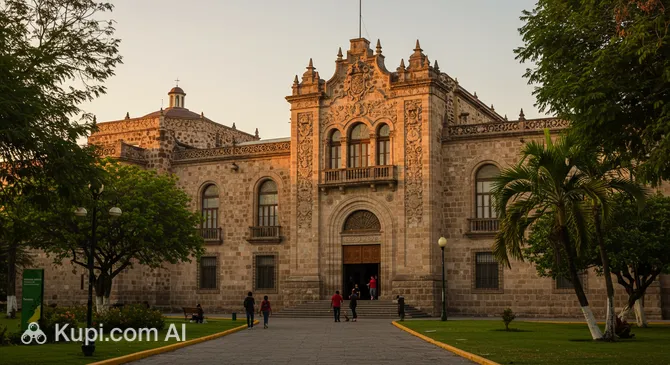
José Narciso Rovirosa Museum of Natural History. Source: Kupi.com AI

The museum building, constructed in 1988 based on a design by architect Jorge Agostoni, is an architectural landmark in its own right. Inside, visitors will find an impressive collection of more than 500 exhibits. Here, you can see everything from massive dinosaur skeletons and ancient fossils to everyday tools and works of art illustrating the development of human civilization.

The exhibition is divided into six thematic halls covering important topics such as the origin of the Solar System, the emergence of life, and the biodiversity of the state of Tabasco. A special place is reserved for the hall dedicated to José Narciso Rovirosa himself—an outstanding naturalist and researcher whose contribution to science is recognized far beyond the country's borders.

Contacts

For more information about special exhibitions or educational programs, you can use the official communication channels. The museum actively collaborates with educational institutions and the scientific community of Tabasco.

Address Boulevard Adolfo Ruiz Cortines AREA VERDE, Jesus Garcia, 86040 Villahermosa, Tab., Mexico
Phone +52 993 312 7947 ext. 149; +52 993 314 21 75
Email museodehistorianaturaljnra@hotmail.com
Official Website tabasco.gob.mx/museo-de-historia-natural-jose-narciso-rovirosa-andrade

What to Do

A journey through the museum begins with an immersion into the deep past. In the six permanent halls, you can trace the path from the formation of the Universe to the appearance of the first civilizations. Visitors of all ages are especially thrilled by the dinosaur skeletons and scientific reconstructions of Mesozoic fossils—a great chance to see the planet's inhabitants from millions of years ago firsthand.

Be sure to stop by the "Tabasco" and "Resources" halls, which vividly demonstrate how the region's geographical features influenced its flora, fauna, and the way of life of its people. Agricultural tools, fishing gear, and traditional utensils are displayed here. Science enthusiasts will enjoy the "Evolution of Life" hall, which offers a modern perspective on chemical evolution and biological diversity.

In addition to viewing static displays, the museum often hosts ecology workshops and screens educational films for children. Thanks to modern museography and easy navigation, a visit here turns into an exciting quest. Don't forget to look at the unique documents and drawings by the naturalist Rovirosa—his precision in depicting plants and insects remains striking to this day.

Getting There

The museum is located at Boulevard Adolfo Ruiz Cortines in the Jesús García neighborhood. This central part of the city is situated in a picturesque green area right on the shores of Laguna de las Ilusiones. Thanks to this location, getting there from any part of the city is easy.

The most convenient way for tourists is to use a taxi or popular ride-sharing services like Uber and DiDi. The trip from the city center takes no more than 10–15 minutes. If you prefer public transport, choose the buses and minibuses that run along Adolfo Ruiz Cortines Boulevard—one of Villahermosa's main transport arteries.

For those traveling by rental car, parking is available on the museum grounds. A visit to the museum is very easy to combine with a trip to the famous La Venta Park-Museum, which is literally just a few steps away, allowing you to plan a rich cultural itinerary without unnecessary travel.

History & Facts

The history of this scientific center began in the late 1980s. The building was designed by the renowned architect Jorge Agostoni and officially opened its doors to the first visitors on December 27, 1988. Since its founding, the museum has aimed to popularize knowledge about the evolution of life and the unique nature of the state of Tabasco.

The museum holds special significance due to the name it bears. José Narciso Rovirosa Andrade was a prominent 19th-century Mexican naturalist. His contributions to botany, zoology, and even linguistics are immense. In 2000, a special hall was opened in the museum featuring his original documents, drawings, and the insect collections he gathered during his expeditions.

Over the years, the museum has undergone significant modernization. One of the most noticeable changes was to the facade: the familiar red tiles were replaced with a modern artistic mosaic. The internal exhibits are also regularly updated, incorporating modern lighting methods and interactive elements to remain engaging for new generations of explorers.

Time Needed

To leisurely explore all six thematic halls and see the main exhibits, most visitors need about 1 to 2 hours. The museum is quite compact but packed with information, so time passes quickly.

If you are planning a visit with children, we recommend setting aside a bit more time. Interactive zones, educational films about dinosaurs, and studying the skeletons of ancient reptiles can engage young explorers for longer. It is also worth leaving 15–20 minutes for a stroll along the shore of the lagoon adjacent to the building.

Working Hours

The museum welcomes visitors according to the following schedule: from Tuesday to Friday, the doors are open from 09:00 to 16:00. On weekends, Saturday and Sunday, the opening hours are extended—you can explore the exhibitions from 09:00 to 18:00.

Please note that Monday is a day off. Since operating hours may change on holidays or during special events, it is recommended to check the official website or verify current information on the social media pages of the state's relevant departments before your visit.

Nearby

Villahermosa is a city with a rich cultural heritage, and the area surrounding the Museum of Natural History offers many interesting locations. A stroll through the nearby grounds will allow you to dive deeper into the history and natural diversity of this region of Mexico.

Just a few minutes' walk away is one of the state's most famous sites—the archaeological park-museum—while a bit further out, you will find the cozy streets of the historical center and picturesque waterfronts.

Attraction Distance (km)
Parque Museo La Venta 0.1
Mario jesús Pérez Morales 1.3
Centro Historico Calle Ignacio Zaragoza 1.9
Cositasbeth 2.3
Malecon Villahermosa 2.3
Diversis Fauna Acuario - Sucursal Guayabal. 2.5
Puffers Acuario 2.5
El kraken1221 4.0
Hobby Fish Acuarium 4.3
GARAGE FISH-SHOP 4.5

Reached the end of the page?

That means the route is fully explored