Support

Bab Sidi Abdel Wahab

Nearby attractions

About

Bab Sidi Abdelwahab is a monumental historic gate serving as the grand entrance to the old part of Oujda. One of the most recognizable landmarks in northeastern Morocco, this gate is a vital fragment of the ancient city fortifications, carefully preserving the spirit of past centuries.
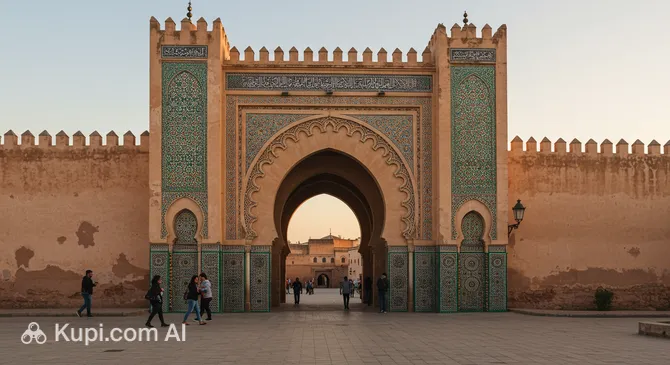
Bab Sidi Abdelwahab
Bab Sidi Abdelwahab. Иллюстрация. Источник: Kupi.com AI

This architectural site is a classic example of Moroccan fortification architecture. Located in the eastern part of the historic center, Bab Sidi Abdelwahab has long been a true symbol of the city. It doesn't just mark the boundary of the old medina but invites travelers to dive into the authentic world of Eastern traditions.

Today, Bab Sidi Abdelwahab is not only a historical monument but also a vibrant center of social life. The gate is surrounded by ancient quarters and a bustling square where you can feel the true pulse of the city, see artisans at work, and enjoy the unique Moroccan flair that has remained unchanged for centuries.

Contacts

For those planning a visit to this historical landmark, it is helpful to have the exact coordinates at hand. Bab Sidi Abdelwahab is located at the heart of the city's social life, so it is easy to find.

How to contactContact
AddressM3HQ+WWV, Bd Maghreb Arabe, Oujda, Morocco

What to Do

The main activity at Bab Sidi Abdelwahab is leisurely observing the daily life of the medina. You can stroll across the spacious square in front of the gate, which is always full of movement. It is an ideal spot to take striking photos against the backdrop of massive walls and traditional arches, especially in the rays of the setting sun when the stone is painted in warm hues.

Trade bustles in the immediate vicinity of the gate. Here you can find street vendors and artisans offering handmade goods: from leather babouches to embroidered fabrics and traditional Moroccan sweets. This is a great opportunity to buy authentic souvenirs and chat with the locals.

If you want to feel the city's atmosphere even more deeply, stop by one of the small cafes located nearby. Ordering a glass of traditional mint tea, you can spend hours watching the colorful crowd and the endless stream of people passing through the historic arch of the gate. This place is perfect for experiencing the contrast between the modern rhythm of the city and Morocco's centuries-old traditions.

Getting There

The historic Bab Sidi Abdelwahab gate is located in the central part of Oujda, making it easily accessible for any traveler. If you arrive in the city by train or intercity bus, the journey to the historic center will not take much time.

From the Oujda railway station, it is most convenient to reach the gate by a local taxi (petit taxi); the trip will take about 10–15 minutes. You can also use city buses heading toward the medina, but taking a taxi in Morocco is often the most comfortable and fastest option.

For those already in the city center, the gate is an excellent landmark for a walking tour. It is located near the main square and the entrance to the old medina, so its monumental silhouette is visible from afar. Look for Boulevard Maghreb Arabe, which leads directly to this architectural landmark.

Ближайший город: Oujda

History & Facts

The history of the gate is inextricably linked to the city itself, which was founded in 994 by Ziri ibn Atiyya, the leader of the Zenata Maghrawa Berber tribe. Since then, Oujda has been rebuilt and fortified many times, becoming an important outpost in the northeast of the region.

For centuries, Bab Sidi Abdelwahab served as a key element of the city's defensive system. During the reigns of various dynasties, including the Almohads, the city walls and gates were reinforced to protect the medina's residents from raids and to control trade flows. These walls have seen the change of eras and rulers, remaining a silent witness to the greatness of Moroccan architecture.

The gate was named in honor of Sidi Abdelwahab — a deeply revered religious figure in the region. His name gives the site a special spiritual status. Traditionally, the gate was not just a military object but also the main meeting place for townspeople, as well as an important gathering point for caravans and travelers arriving in the city.

Interestingly, the square in front of the gate was historically used for significant public events. Even today, despite the modern development around it, Bab Sidi Abdelwahab retains its role as a symbolic center, uniting Oujda's past and present.

Time Needed

To see the Bab Sidi Abdelwahab gate itself, take commemorative photos, and walk around the adjacent square, you usually need 30 to 60 minutes. This time is quite enough to appreciate the scale of the structure and the details of its finish.

However, if you plan to visit nearby cafes, browse souvenir shops, or head from the gate deep into the old medina for a full shopping experience, it is worth setting aside half a day for your walk. The atmosphere of this place invites leisurely observation of the city's bustle, so there's no need to rush.

Working Hours

Bab Sidi Abdelwahab gate is a public space and part of the city's architecture, so it is accessible 24/7. You can admire its grandeur at any time of the day or night.

According to official data, the site is open 24 hours a day, seven days a week. However, keep in mind that the surrounding markets and medina shops usually operate from morning until late evening, so for a full experience of the atmosphere, it is better to visit during daylight hours.

Круглосуточно

Nearby

Exploring the surroundings of Bab Sidi Abdelwahab is a great way to dive deeper into the city's atmosphere and see the life of Oujda from different perspectives. Most interesting sites are within walking distance, allowing you to create a rich walking route.

NameDistance
Chhiwat Lmaallem Restaurant0.7 km
Lalla Aicha Park1 km
Beau Burger2.1 km

Reached the end of the page?

That means the route is fully explored