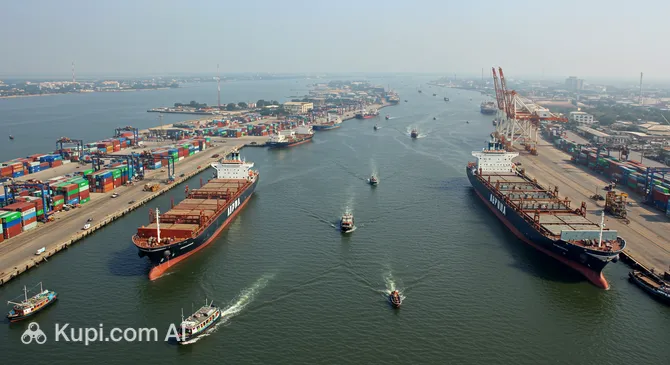
Apapa is a dynamic and pulsating industrial center located in the heart of Nigeria, on the coast of the Gulf of Guinea. As a key port district of the Lagos metropolis, this port city serves as the country's main "gateway" to the outside world. The atmosphere here is permeated with the energy of business, the noise of port terminals, and the endless movement of merchant ships, creating a unique urban landscape unlike typical resort areas.
Geographically, the city occupies a strategic position to the west of Lagos Island, being the region's most important logistics hub. With a population of about 217,000 people, Apapa is a bustling industrial cluster. Apapa. Illustration.
Source: Kupi.com AI
The city's rich and complex history is closely linked to the colonial era and the development of maritime trade, which has left its mark on its architecture and layout, where warehouses and terminals coexist with commercial infrastructure.
Despite its business-like character, the city can surprise travelers with its contrasts. It is home to the famous Apapa Amusement Park, offering a break from the industrial hustle and bustle, while the proximity to the water provides an opportunity to observe large-scale port operations. A visit to this area is a chance to see the underside of West Africa's economic power and feel the real rhythm of modern Nigerian commerce.
Weather Overview
The climate in Apapa is classified as tropical wet and dry, which is typical for the coastal regions of West Africa. High temperatures persist throughout the year, usually ranging from 25°C to 33°C. High humidity is a constant companion in this area, making the heat feel more intense, especially for those not used to equatorial conditions.
The city has two distinct rainy seasons: the first, more intense one, lasts from April to July, and the second occurs in October and November. The wettest months are June and July, when a significant amount of precipitation falls. If you want to know a more detailed weather forecast in the city before your trip, it's worth noting that the dry season (from December to March) is characterized by minimal precipitation and clearer skies.
An important feature is the influence of the ocean and the proximity of the port. The sea breeze slightly mitigates the daytime heat, however, port activity and heavy traffic can affect air quality. During rainy periods, movement around the city can slow down due to localized flooding on the roads, so travelers are advised to choose the winter months for their visit, when the weather is most stable and favorable for travel.
Average monthly temperature
Average monthly precipitation
Interesting Facts
Apapa is a city with a rich trading past and a unique modern way of life, hiding many curious details:
Ancient trading roots: The first port facilities in this area were established as early as the beginning of the 15th century. At that time, they served as an important trade route for the powerful Oyo Empire.
Economic heart of the country: Today, the port of Apapa is officially considered the busiest in Nigeria. It is through here that the main flow of import and export cargo passes, sustaining the entire country.
Island of entertainment: Hidden among the concrete structures and warehouses is Apapa Amusement Park—a full-fledged amusement park that is one of the main leisure spots for residents of the entire capital region.
Railway connection: The district has its own Apapa railway station, located near Dockyard Road, which directly connects the maritime terminals with the country's internal railway network.
How to Get There
Getting to Apapa is a task that requires advance planning due to its unique location and status as Nigeria's main port hub. The primary route to this area is by land from the central parts of Lagos. Travelers usually use the bridges connecting the mainland with the island parts of the metropolis; however, it is worth considering that due to the abundance of freight transport, the trip can take anywhere from one to three hours depending on the traffic situation.
For international travelers, the closest air gateway is Murtala Muhammed International Airport (LOS), located in Ikeja. The drive from the airport to Apapa takes about 45 minutes on average, but during peak hours, travel time can increase significantly. It is recommended to use reputable ride-hailing apps like Uber or Bolt and try to avoid traveling during periods of maximum road congestion. You can also study the details of how to get to your destination in this area beforehand.
Railway transport in the area is represented by Apapa station, which is located near Dockyard Road. Although it is largely focused on serving port logistics and freight transport, it remains an important element of the city's transport system. Passenger service here is less developed than in other parts of Lagos, so most visitors prefer road transport.
Station
Passenger traffic
Distance
Lagos Terminus Railway Station
5
3 km
Lagos Terminus Railway Station
5
3 km
Train Station Ibadan
1
118 km
Alfred Rewane Station
1
292 km
Main Attractions
While Apapa is primarily known as an industrial and logistics hub, there are several locations here that may interest guests of the city. The most popular place for recreation is Apapa Amusement Park, located on Randle Road. This is a modern amusement park with carousels, bumper cars, and roller coasters, which becomes a real magnet for families and young people on weekends.
For those seeking gastronomic experiences, there are notable establishments in the area, such as the Orchid House Thai Restaurant, offering exotic flavors in the heart of the port zone. Also popular is The Pub Restaurant & Bar, where you can relax in a casual atmosphere. Fans of panoramic views can stop by the Lagoon Bar to watch the movement of ships in the bay.
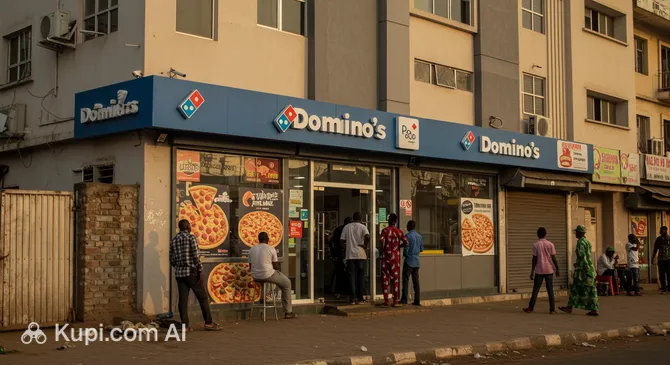
The district's infrastructure also includes options for quick snacks and shopping. For example, the well-known chain Domino's Pizza operates here, having become a familiar lunch spot for local terminal employees. Domino's Pizza. Illustration.
Source: Kupi.com AI
Traveler photos:
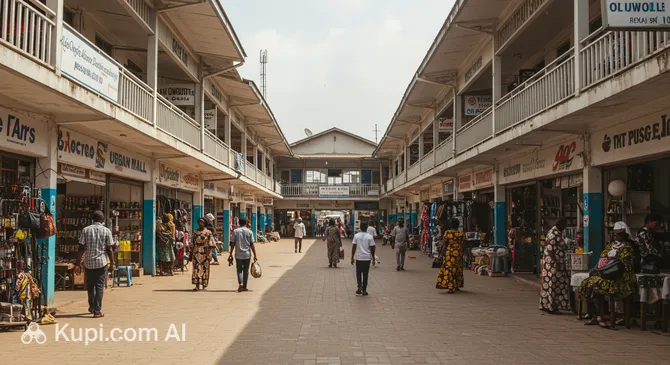
For more serious shopping, it is worth visiting the Oluwole Shopping Mall, which brings together various shops and services necessary for the daily life of this busy area under one roof.
Local Cuisine
Apapa's culinary scene is a vibrant mix of traditional Nigerian flavors, street food, and popular chain establishments. Thanks to its status as a transit hub, the district offers many options for a quick and satisfying snack. Walking through the streets, you will surely catch the aroma of suya—spicy beef kebabs, considered the king of local street food—and encounter vendors of fresh fruit and roasted yams.
Among the must-try dishes are the legendary jollof rice, egusi soup with pounded yam, and fragrant zobo tea made from hibiscus flowers. The local food culture is closely tied to the rhythm of port life: during the day, residents and workers often gather in small "bukas" (local eateries) to enjoy home cooking, while in the evening they prefer the more relaxed setting of restaurants.
For those who prefer familiar international tastes, modern establishments operate in the city. You can visit the Orchid House Thai Restaurant to try authentic Asian dishes in an unusual setting. Another popular spot is Domino's Pizza, where people often order takeout or have quick lunches.
Domino's Pizza. Illustration.
Source: Kupi.com AI
Traveler photos:
Travel Tips
Preparing for a trip to Apapa requires special attention to detail to ensure your stay in this industrial heart of Nigeria is as comfortable and safe as possible.
Clothing and essentials: Choose light clothing made from natural fabrics, as the area is hot and humid year-round. Be sure to bring a reliable power adapter (British type G) and comfortable closed shoes for walking in industrial zones.
Transport: Use exclusively official taxi apps (Uber, Bolt) to get around the city. Avoid riding okada motorcycle taxis in congested areas and plan your movements outside of peak hours to avoid spending several hours in traffic jams.
Finances: The local currency is the Nigerian Naira. It is recommended to always carry a supply of cash in small denominations. Cards are accepted in large shopping malls and hotels, but international transactions can be unstable.
Health and safety: Drink only bottled water and use insect repellents, especially during the rainy seasons. After dark, try not to leave the hotel grounds on foot and always order a taxi directly to the entrance.
Communication: English is the official language and is widely spoken; however, knowing a few phrases in Pidgin English will help you find common ground with locals more quickly. Purchase a local SIM card in advance for stable internet access.
Local etiquette: Greetings are very important in Nigerian culture. Be polite, patient, and always ask permission before taking photos of port facilities or people.
What to avoid: Do not carry large amounts of money or display expensive jewelry. Also, refrain from discussing political topics in public places.
Extra tip: If your goal is business, try to schedule meetings for the first half of the day and always allow an extra hour for travel due to unpredictable traffic.
May these practical tips help you successfully navigate the energetic rhythm of Apapa and make your trip productive and interesting!
Entertainment & Nightlife
Nightlife in Apapa has a rather specific character due to its industrial status. You won't find endless rows of nightclubs here; however, the area offers decent options for evening relaxation, primarily oriented towards business travelers and expats. Most activity after sunset is concentrated around large hotels and port offices.
A popular spot for evening meetings is The Pub Restaurant & Bar. This establishment is famous for its casual atmosphere, where you can watch sports broadcasts, enjoy live music on certain days, and get to know the local community. Another option for relaxing by the water is the Lagoon Bar, which attracts visitors with the opportunity to spend an evening outdoors overlooking the Lagos Lagoon.
During the day, the main entertainment center remains Apapa Amusement Park. The park features a variety of attractions that operate until early evening, creating a festive mood in this industrial area. Oluwole Urban Mall. Illustration.
Source: Kupi.com AI
Traveler photos:
For those looking for larger parties and loud dance floors, locals usually recommend heading to Victoria Island or central Lagos, which are easily accessible by taxi when the roads are clear.
Parks & Museums
Due to its dense industrial development, Apapa cannot boast an abundance of green zones or classical museums. The main space of the district is dedicated to terminals and logistics centers; however, it has its own "islands" of relaxation. The most notable place is Apapa Amusement Park. Although it is more of an amusement park, it has small landscaped areas where you can take a break from the city bustle while watching the visitors' fun.
There are currently no museums of its own in the district, so for cultural enlightenment, guests usually head to neighboring areas of Lagos. The nearest important point is the National Museum of Nigeria, located on Lagos Island, which can be reached from Apapa across the lagoon. It features rich collections of traditional art and artifacts telling the history of the country from ancient times.
For those who value modern infrastructure, the role of a cultural and leisure center is often played by the Oluwole Shopping Mall, where life is in full swing throughout the day. For lovers of more peaceful nature contemplation, residents recommend visiting parks in neighboring districts, such as Muri Okunola Park, or choosing restaurants with water views, like the Lagoon Bar, to enjoy the sea breeze and the endless horizon of the gulf.
Getting Around
The transport system in Apapa is a reflection of its industrial spirit, where port logistics play the leading role. Movement around the district is often complicated by a significant flow of trucks heading to the terminals. The main type of public transport for locals is the danfo minibuses, painted in a characteristic yellow color, and okada motorcycle taxis. These modes of transport allow for quick maneuvering in traffic jams but may not be very comfortable for the unaccustomed tourist.
For more convenient and safe travel, travelers are recommended to use Uber or Bolt taxi services. This is the optimal choice, especially when traveling between Apapa and other districts of Lagos. The cost of the trip depends on road congestion, which peaks in the morning and evening hours. Payment in apps is usually linked to a card, but drivers also accept cash Naira.
The Apapa railway station is an important hub, but its passenger significance is limited. It is mainly used for transporting containers from the port into the interior of the country. Walking along the district's main thoroughfares, such as Marine Road or Dockyard Road, can be difficult due to heavy traffic and dust, so for any travel over significant distances, it is better to choose an air-conditioned car.
Accommodation
The choice of accommodation in Apapa is specific and largely dictated by the business nature of the area. Most available lodging options are geared towards employees of international companies, sailors, and business travelers. Middle-class hotels and comfortable apartments with an increased level of security predominate here, which is an important criterion for staying in this region.
The most convenient area to stay is considered to be around Marine Road and the port terminals, as this minimizes the time spent moving through traffic jams. Many hotels offer rooms with views of the lagoon, which adds a certain charm to the industrial landscape. Among the well-known places to stay, modern guesthouses and small business hotels that provide basic comfort and reliable security are often mentioned.
When planning a trip, it is crucial to book accommodation in advance, especially if your visit coincides with major business events in the port zone. When choosing a place to stay, you should pay attention to reviews regarding security and the availability of autonomous power supply systems. For those who want to combine work with leisure, you can consider options near the Oluwole Shopping Mall for quick access to shops and services.
Nearby Cities
Apapa is an excellent starting point for exploring other areas and cities of the vast Lagos metropolis, each with its own character. Due to its proximity to the water and main highways, you can easily reach key cultural and economic centers of Nigeria if you plan your travel time correctly.
Just 8 kilometers away is Lagos (its central districts), where the main museums, markets, and historical monuments are concentrated. If you are interested in the state's administrative center and shopping, it is worth heading to the city of Ikeja, the trip to which can take about an hour and a half. Also of interest are destinations such as Somolu and Agege, offering a deeper immersion into the everyday life of the region.
Traveling around the surrounding areas will allow you to see the contrast between the industrial power of the port and the vibrant cultural life of the capital. Don't miss the chance to visit neighboring islands, such as Victoria Island, to enjoy beaches and modern art galleries that will complete your impression of a trip to this dynamic region.
Shopping & Souvenirs
Shopping in Apapa is mainly practical, oriented towards the needs of the port community and local residents. The main shopping destination in the area is the Oluwole Shopping Mall. Here, under one roof, are gathered clothing, electronics, and household goods stores, making it a convenient place for comprehensive shopping in comfortable, air-conditioned conditions.
For everyday needs and groceries, many choose the Lafayatte supermarket on Modiu Fagbayi Street. It offers a wide range of goods, including imported products that can be hard to find in other parts of the city. If you are interested in a more colorful experience, you can check out the markets near the port, where spices, fabrics, and fresh local produce are sold, but be prepared for a chaotic atmosphere and the need to bargain.
As souvenirs from this area, traditional Nigerian fabrics and items by local craftsmen are most often brought back, which can be found at small street stalls. Shops usually operate from early morning until 18:00–20:00, and bank cards are accepted for payment in large retail outlets, although having local currency cash—Naira—will always be an advantage when buying from street vendors.