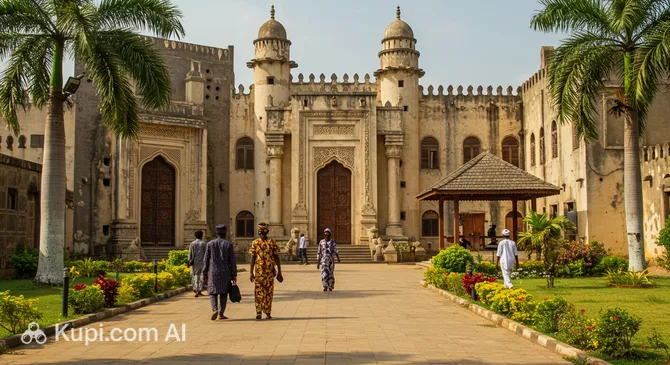
Welcome to Abeokuta—a fascinating city in Nigeria whose name poetically translates as "Refuge Among the Rocks." Situated on the picturesque east bank of the Ogun River, this capital of Ogun State captivates travelers with its unique landscape, where the wooded savanna meets massive granite cliffs. With a population of about 888,000, the city pulses with life while remaining faithful to its deep historical roots.
Abeokuta. Illustration.
Source: Kupi.com AI
The rich history of Abeokuta began around 1830, when a leader of the Egba people named Sodeke founded a settlement here for refugees seeking protection among the impenetrable boulders. Since then, the city has evolved into an important center for agricultural trade. Walking through its narrow streets, you will feel the spirit of the past harmoniously neighboring the modern rhythm of life and the export of cocoa and palm oil.
Today, Abeokuta attracts guests with its authentic atmosphere, ancient city wall ruins, and majestic palaces. It is a place where you can touch the origins of Nigerian education and Christianity in West Africa. We invite you to explore this rocky land, where local hospitality and natural beauty create a unique tourist experience.
Weather Overview
The climate in Abeokuta is typical of a tropical savanna, which implies a clear division of the year into wet and dry seasons. The average annual temperature here ranges between 27–30°C. The hottest months are February and March, when daytime figures can reach 35–36°C. During this time, humidity is lower, but the sun is very intense.
The rainy season lasts from April to October, peaking in June and September. During this period, the weather in Abeokuta becomes cooler, but air humidity increases significantly. Rain showers can be intense and sudden, but the city's nature flourishes at this time, and the surrounding savannas take on an emerald-green hue.
For comfortable tourism, it is best to choose the period from November to March. This time is characterized by clear skies, an absence of rain, and cooler nights. However, even in the dry season, do not forget sunscreen and hats, as the tropical sun remains active throughout the year.
Average monthly temperature
Average monthly precipitation
Interesting Facts
Abeokuta is the birthplace of Nigeria's first newspaper, "Iwe Iroyin," which began publication here as early as 1859.
The city is home to the first Baptist church in West Africa and Nigeria's first modern hospital—Sacred Heart Hospital, founded in the late 19th century.
The first bridge in Nigeria built by a local engineer without European supervision—the Sokori Bridge (1903)—is located here.
The city became famous as the home of Nigeria's first female driver, highlighting the progressive spirit of local residents regarding education and women's rights.
The settlement on the site of future Abeokuta was originally called "Oko Adagba," which translates to "Adagba's Farm"—named after a local farmer.
How to Get There
Abeokuta enjoys good transport links with the region's largest cities, making it accessible for tourists. The city is located about 80 kilometers north of Lagos, and this distance can easily be covered by both rail and highway. To better plan your route, it is worth researching in advance which transport options are most convenient for you.
The city does not have its own international airport, so most travelers arrive via Murtala Muhammed International Airport (IATA: LOS) in Lagos. From there, Abeokuta can be reached by taxi or rental car in about one and a half to two hours, depending on traffic.
Rail travel is one of the most comfortable ways to get there. The main line connecting Lagos and Ibadan passes through Abeokuta. Modern trains run regularly, offering passengers a safe and fast journey with scenic views of the Nigerian savanna. The city's main station serves trains from Lagos and other major centers in the country.
Station
Passenger traffic
Distance
Train Station Ibadan
1
63 km
Lagos Terminus Railway Station
5
75 km
Lagos Terminus Railway Station
5
75 km
Main Attractions
The heart and soul of the city is undoubtedly Olumo Rock. This site, sacred to the Egba people, served as a natural fortress during periods of tribal wars. Today, tourists can climb to its summit via steps carved into the stone or a modern elevator to enjoy a breathtaking panoramic view of Abeokuta's red-tiled roofs and the winding Ogun River.
Olumo Rock. Illustration.
Source: Kupi.com AI
Traveler photos:
Another essential stop on the city map is Alake Palace Square. Here lies the residence of the supreme ruler of the Egba—the majestic Ake Palace. Visiting this area allows you to experience the region's monarchical traditions and see architectural landmarks such as Centenary Hall, built in 1930 to commemorate the city's hundredth anniversary.
Alake's Palace Grounds. Illustration.
Source: Kupi.com AI
Traveler photos:
For those who want to take home a piece of local culture, a visit to the Adire Market is a must. Abeokuta is famous for its art of indigo fabric dyeing, and it is here that you will find the most vibrant and high-quality handmade canvases. Watching craftswomen using ancient resist-dyeing techniques will be one of the most memorable impressions of your trip.
Local Cuisine
A gastronomic journey through Abeokuta is unimaginable without dishes based on yam, cassava, and corn. The local culinary signature is Pounded Yam—a smooth mash of pounded yam served with thick, flavorful soups like ewedu (made from jute leaves) or gbegiri (made from beans). You should also try cassava fufu, which perfectly complements meat and fish stews prepared with palm oil.
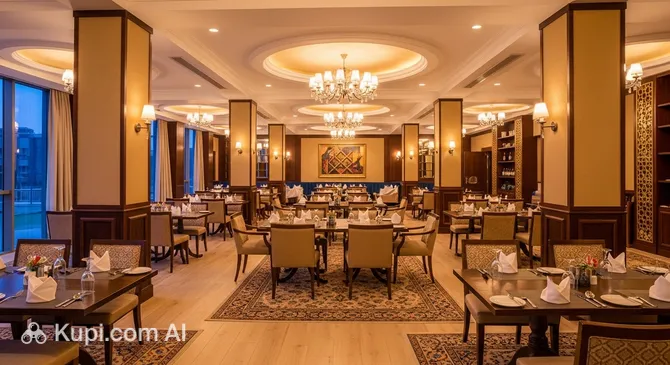
To sample the best examples of Nigerian and international cuisine, you can head to Diamond Dumpling, known for its attention to detail and cozy atmosphere. If you are looking for a place for a more formal dinner or a business meeting, Mayfair Executive is an excellent choice, serving both classic local specialties and European dishes.
The Mayfair Executive. Illustration.
Source: Kupi.com AI
Traveler photos:
Be sure to try popular snacks on the city streets and markets: moi moi (a savory steamed bean pudding) and akara (crispy bean cakes). For drinks, locals prefer freshly squeezed tropical fruit juices and traditional palm wine. The food culture here is closely linked to the markets, where you can always find the freshest produce and authentic street food reflecting the true taste of the region.
Travel Tips
Preparing for a trip to Abeokuta requires attention to detail to ensure your journey through this rocky land is comfortable and safe. We have gathered practical recommendations to help you better navigate the local environment.
Clothing and Essentials: Choose lightweight clothing made from natural fabrics, as the climate here is humid and hot. When visiting religious sites and palaces, you should dress modestly, covering your shoulders and knees. Be sure to bring comfortable shoes with good grip for climbing Olumo Rock.
Transport: The most convenient way to get around the city is by taxi or motor rickshaws. Always agree on the fare in advance. For intercity travel (e.g., to Lagos), it is best to use the modern train.
Finances: The main currency is the Naira (NGN). Cards are only accepted in large hotels and some restaurants, so always carry a sufficient supply of cash. ATMs can be unreliable with international cards.
Health and Safety: Drink only bottled water and avoid ice in drinks. It is recommended to use insect repellent. At night, it is better to avoid walking in unfamiliar and unlit areas.
Communication: English is the official language and is widely spoken, especially among young people and hotel staff. Knowing a few phrases in Yoruba (e.g., "E nle"—a greeting) will be met with great appreciation.
Local Etiquette: Elders are highly respected in Nigeria—always greet elderly people first. You may be required to remove your shoes when entering private homes or certain shrines.
What to Avoid: Do not take photos of government buildings, military sites, or bridges—this can cause trouble with the police. Also, try not to show impatience if things move slower than you are used to—a calm pace of life is valued here.
Seasonality: The best time to visit is the dry season from November to March. The weather will be hot but clear, which is ideal for sightseeing.
Following these simple rules will help you enjoy the hospitality of Abeokuta and bring home only pleasant memories!
Entertainment & Nightlife
Abeokuta's entertainment scene relies heavily on its rich cultural traditions. If your trip coincides with one of the local festivals, you will witness vibrant carnival processions, ritual dances, and performances by musicians playing traditional Yoruba rhythms. On ordinary days, the city offers pleasant walks along the Ogun River and visits to local art centers.
The city's nightlife is relatively quiet, yet there are decent places to relax. For instance, you can visit Bellagio Cafe and Lounge, where visitors can find modern music, refreshing cocktails, and a chance to unwind in pleasant company. Small open-air bars serving traditional palm wine are also popular in the city center.
Bellagio Cafe and Lounge. Illustration.
Source: Kupi.com AI
Traveler photos:
For nighttime walks, it is better to stick to the central well-lit streets or the grounds of major hotels. It is recommended to travel around the city late at night by taxi, which can be easily called through the hotel reception. Despite its calm pace, Abeokuta is always ready to offer guests a warm evening with live music in local restaurants, where the spirit of African hospitality reigns.
Parks & Museums
The city's main cultural and historical site is the Olumo Rock Tourist Centre. It is not just a natural landmark, but a true open-air museum. Here you can see ancient caves that served as dwellings for the first settlers, shrines, and artifacts telling the story of the city's defense against invaders. Olumo Rock is a place where history is literally frozen in stone.
Olumo Rock. Illustration.
Source: Kupi.com AI
Traveler photos:
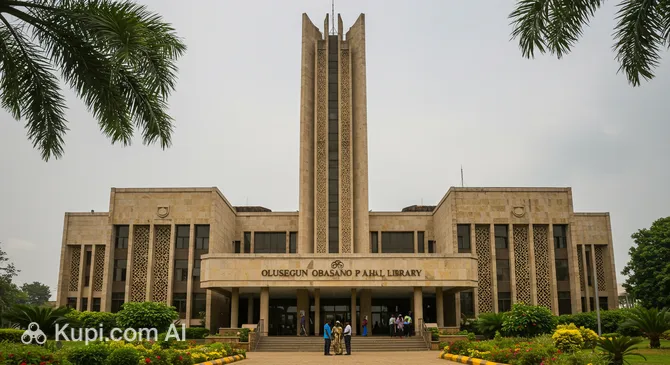
For those interested in modern history and politics, a visit to the Olusegun Obasanjo Presidential Library (OOPL) is mandatory. It is a large-scale complex that includes not only a library and a museum with personal belongings and documents of the former president, but also a cinema and educational centers. It is one of the most modern and significant cultural sites in West Africa.
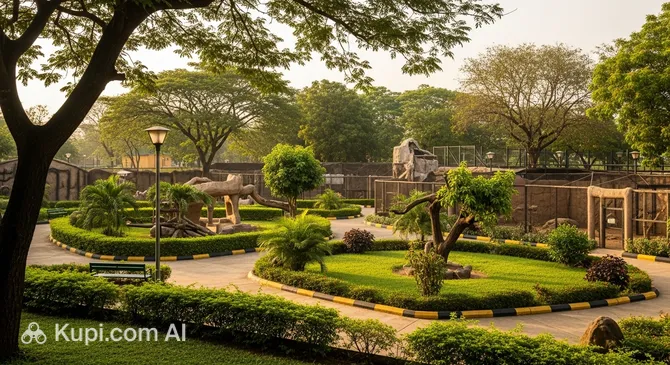
Nature lovers and families will enjoy the OOPL Wildlife Park. This zoo and conservation area allow visitors to see representatives of African fauna in conditions close to their natural habitat. Additionally, the wooded savanna around the city and the banks of the Ogun River are wonderful areas for outdoor walks and bird watching, serving as informal city parks for residents.
OOPL Wildlife Park. Illustration.
Source: Kupi.com AI
Traveler photos:
Getting Around
The public transport system in Abeokuta consists mainly of buses and minibuses known as danfo. They run on all major city routes and connect the center with the suburbs. This is the cheapest way to get around, although it should be noted that minibuses can be very crowded during peak hours, and traffic can be slow.
For quick trips over short distances, locals and tourists often use okada (motorcycle taxis) and three-wheeled rickshaws. These are maneuverable vehicles capable of bypassing traffic jams, but you must agree on the fare before boarding as they do not have meters. In the central historical districts of the city, many attractions are located quite compactly, making walking a convenient option.
Abeokuta railway station is an important hub connecting the city with Lagos and Ibadan. Trains are an excellent alternative to buses for trips to neighboring regions. Fares for city transport are paid in cash to the driver or conductor. Tourists are advised to plan their trips to avoid morning and evening peak hours when the road network is most congested.
Accommodation
Abeokuta offers a variety of accommodation options to suit the needs of both budget travelers and those seeking comfort. Most hotels are concentrated in central districts such as Ake and Sokori, providing easy access to major historical sites and markets.
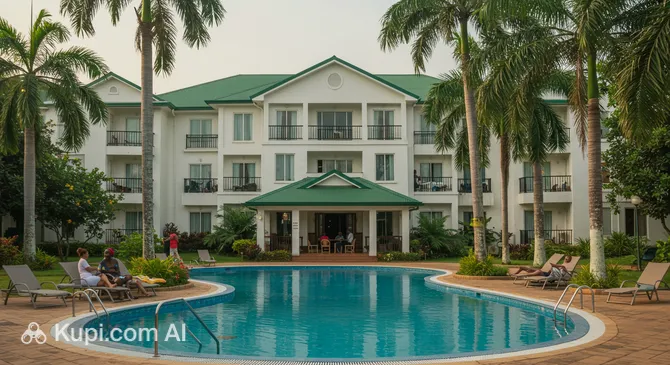
One of the most popular places to stay is the Green Legacy Resort. This resort complex offers not only quality rooms but also extensive leisure infrastructure, including swimming pools and restaurants. For those looking for a more formal style, chain hotels like the Gateway Hotel operate in the city, offering a standard range of services for business travelers.
Green Legacy Resort. Illustration.
Source: Kupi.com AI
Traveler photos:
When choosing accommodation, be sure to check for air conditioning, as the region's climate can be very hot, and the presence of 24-hour security. During peak seasons and local festivals, it is recommended to book rooms in advance through international or local booking platforms.
Budget travelers should look into the numerous guesthouses. While the service may be simpler, they allow for a deeper immersion into local life. The average price range for a night in a mid-range hotel is quite reasonable, making Abeokuta an affordable destination for an extended visit.
Nearby Cities
Abeokuta serves as an excellent starting point for exploring Nigeria's southwestern region. Thanks to well-developed transport links, tourists can easily take day trips to neighboring cities, each with its own unique character and attractions.
Just 46 kilometers away is the city of Sagamu, known for its agricultural traditions and Yoruba culture. It is a great place to see provincial Nigerian life. Also worth noting is Ikeja—the administrative center of Lagos State, where business life thrives, and modern shopping malls and vibrant entertainment venues are located.
In addition to large centers, small settlements like Agege and Iju are worth attention, where you can get acquainted with traditional crafts and the local way of life. Exploring the surroundings of Abeokuta will allow you to form a more complete picture of the cultural diversity in this part of the country and see natural beauties hidden from the average tourist.
Shopping & Souvenirs
Shopping in Abeokuta is primarily about immersing yourself in the world of traditional crafts. The city is world-famous for its production of adire fabrics—cotton cloths hand-dyed with indigo. The most interesting place for shopping is the specialized Adire Market, where you can purchase fabric cuts as well as ready-made clothing, tablecloths, and accessories with unique patterns.
The city's central markets offer an incredible variety of goods: from fresh tropical fruits (mangoes, pineapples, papayas) to local spices and kola nuts, which play an important role in Yoruba culture. Walking through the market stalls, you will also find ceramics, woven baskets, and traditional batiks that make excellent souvenirs.
For more familiar modern shopping, there are small shopping centers and supermarkets in the city, though they cannot match the markets for local color. Most shops are open from morning until early evening. When shopping at the markets, it is customary to bargain politely—it is part of the local social culture. Payment is most often made in cash in the local currency (Naira), so it is worth carrying small bills with you.