Support

IjebuOde

About

Ijebu Ode is the historical heart and cultural capital of the Ijebu people, located in the southwestern part of Nigeria. Situated in Ogun State, the city serves as an important administrative and commercial hub for the region. With a population of over 220,000, it maintains the atmosphere of a bustling provincial center where modern rhythms of life are closely intertwined with the centuries-old traditions of the Yoruba people.

Geographically, the city is well-positioned about 110 kilometers northeast of Lagos, making it accessible for travelers looking to explore life beyond the country's largest metropolis.
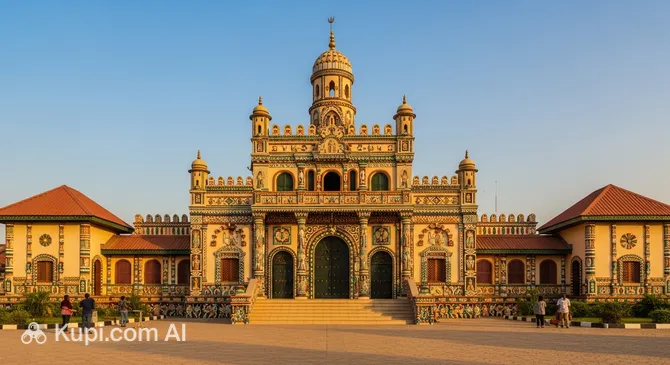
Ijebu Ode. Illustration.
Source: Kupi.com AI
The terrain and dense development create a unique urban landscape characteristic of this region of Africa, while its proximity to the coast ensures a humid tropical climate with abundant greenery in the surrounding areas.

For those interested in the region's past, the history of the founding of Ijebu Ode, which dates back to the 16th century, will be of interest. The city emerged thanks to its first settlers, Ajebu and Olode, whose names gave the place its title. For centuries, it remained the main center of Ijebu influence, maintaining its status even through periods of colonial change. Today, it is a place of power for locals, where traditions are honored as highly as they were hundreds of years ago.

A visit to Ijebu Ode is an opportunity to see the real, non-touristic Nigeria. There are no noisy resorts here, but there is genuine hospitality, vibrant markets filled with the scents of spices and kola nuts, and the chance to touch the living heritage of one of West Africa's most fascinating ethnic groups. The city invites those who value authenticity and want to discover the deep cultural roots of the Yoruba.

Weather Overview

Ijebu Ode is dominated by a typical warm tropical climate characteristic of southwestern Nigeria. Its proximity to the ocean coast determines high humidity levels throughout the year. The region is characterized by a clear division into dry and rainy seasons, which significantly affects the rhythm of life and traveler comfort.

Expect consistently high temperatures: during the day, the thermometer usually fluctuates between 28–34°C, and at night it rarely drops below 22°C. The hottest months are January and February, the peak of the dry season. From March to October, rains prevail in the city, reaching their maximum in June and September, when precipitation becomes particularly heavy. Detailed weather in Ijebu Ode can change suddenly, so a light raincoat will be a useful accessory for your trip.

The best time to visit is considered to be the winter months (November to February), when the rains stop and the sky remains clear. However, during this period, be prepared for the "Harmattan"—a dry wind from the Sahara that can bring a dusty haze and reduce visibility. The rest of the year, the city delights with lush greenery, though high humidity may require some time for acclimatization.

Average monthly temperature

Average monthly precipitation

Interesting Facts

  • The name of the city Ijebu Ode has a unique origin: it is formed from the names of Ajebu and Olode—two legendary first settlers who founded the settlement.

  • In the vicinity of the city lies Sungbo's Eredo—a colossal defensive rampart considered one of the largest pre-colonial monuments in Africa.

  • The Ijebu people were the first Yoruba group to make contact with Europeans, which occurred as far back as the 14th century.

  • In the hierarchy of the region's cities, Ijebu Ode holds the place of the administrative and political capital, while Ijebu-Igbo is considered the spiritual center, and Sagamu the commercial one.

  • The city is the largest hub in the region for the collection and distribution of kola nuts, which are an important element of the culture and economy throughout Nigeria.

How to Get There

The transport accessibility of Ijebu Ode is due to its strategic position in the southwest of the country. The city does not have its own airport, so the main way to get here is by road. Thanks to a developed road network, the city is connected to the region's largest economic centers, making it an important transit point for travelers and trade caravans.

For those planning a trip to Ijebu Ode from other countries or distant regions, the most convenient option is to fly to Lagos. The nearest major international air hub is Murtala Muhammed International Airport (LOS) in Lagos. From there, the city can be reached by taxi or intercity bus along the A121 highway. The journey usually takes about 2–3 hours, though local traffic conditions should be considered, as they can significantly increase travel time.

AirportPassenger trafficDistance
Ibadan Airport51 17260 km
Murtala Muhammed International Airport16.8 mln72 km
Ondo - Akure Airport114 000160 km
Cotonou Airport500 000177 km
Ilorin International Airport148 109190 km

Railway communication in this part of Ogun State is poorly developed, so train travel is not a popular way for tourists to move around. The majority of passenger traffic is served by numerous bus parks. Regular services depart from Lagos, Benin City, and Ibadan. For a more comfortable trip, it is recommended to choose private transport companies that offer air-conditioned minibuses.

Spontaneous taxi and motorcycle taxi stands operate within the city and on its outskirts. If you are coming from Lagos, look for buses heading toward Sagamu or Ore—they always make a stop in Ijebu Ode. Remember that traffic jams on the A121 are common, especially during peak hours and holidays, so plan your time with a margin.

Main Attractions

While Ijebu Ode is not a typical tourist destination with a wealth of mass attractions, it possesses a deep cultural layer that reveals itself to the thoughtful traveler. One of the most impressive historical features of the region is the ancient Sungbo's Eredo embankment. This grand defensive structure, one of the largest in West Africa, is a system of ditches and walls shrouded in legend. Although the site lacks developed tourist infrastructure, it holds immense interest for fans of archaeology and history.

The traditional markets are the center of the city's social and economic life. These are not just places to shop, but true cultural hubs where you can witness the daily life of the Ijebu people. The markets specialize in the kola nut trade—home to one of the largest collection points for this product in the country. Observing the process of sorting and selling nuts, which are then shipped across Nigeria, allows for a better understanding of the city's significance as a commercial crossroads.

The city's architecture is also noteworthy: central squares and administrative buildings reflect Ijebu Ode's status as a regional capital. Walking through the streets, you can see how traditional Yoruba buildings sit alongside modern residential neighborhoods. The main value of the city for a visitor lies precisely in its atmosphere—here you can feel the community spirit, see traditional ceremonies, and immerse yourself in an environment where history still defines the way of life.

Local Cuisine

A gastronomic journey to Ijebu Ode is an introduction to classic Yoruba flavors, where hearty root vegetable dishes and aromatic soups play the leading roles. You should definitely try pounded yam—a smooth mash served with thick sauces. Also popular is eba, made from fried cassava flour (garri), which perfectly complements the famous egusi soup, prepared from melon seeds with greens and meat.

A unique feature of the local diet is the ubiquitous use of kola nuts. The city is their main supplier, and here the product is not only an item of trade but also an important element of hospitality. Nuts are often offered to guests as a sign of respect or used as a light tonic snack during the day. As for drinks, locals prefer fresh palm wine, which has a distinct sweetish taste, and various tropical fruit juices.

The food culture in the city is centered around "bukas"—traditional eateries where food is cooked in large pots over an open fire. These are the best places to experience the authentic taste of home-cooked meals at very affordable prices. Street food plays a significant role in Ijebu Ode: at markets and along the roads, you can always buy fried plantains (ipepe) or aromatic grilled fish. The gastronomic scene here is simple but incredibly original and filled with the energy of local life.

Travel Tips

Visiting Ijebu Ode will give you an unforgettable experience of immersion in Yoruba culture if you prepare in advance for the specifics of local life. These tips will help you feel more confident and make your trip as comfortable as possible.

  1. Clothing and Essentials: Choose light clothing made from natural fabrics, as it is hot and humid in Ijebu Ode all year round. Don't forget comfortable closed-toe shoes for walking through markets and a hat. If you plan to visit traditional homes or elders, it's better to choose more modest and conservative clothing as a sign of respect.
  2. Transport: To move around the city, it's most convenient to use tricycles (kekes)—they are safer than motorcycle taxis. If you need to get to Lagos or Ibadan, use the services of major transport companies at specialized motor parks. Avoid traveling after dark due to poor road lighting.
  3. Finances: The main currency is the Nigerian Naira. Carry a sufficient supply of cash, as ATMs may be out of order, and bank cards are only accepted in rare hotels. It's best to exchange currency at official exchange offices or banks in major cities.
  4. Health and Safety: Drink exclusively bottled water and use it even for brushing your teeth. Be sure to use insect repellent and consult a doctor in advance regarding the prevention of tropical diseases. In crowded places like markets, keep a close eye on your personal belongings.
  5. Communication: The official language is English, but locals more often communicate in Yoruba or its Ijebu dialect. A few phrases in the local language, such as the greeting "E nle" (hello), will help you instantly win people over. A SIM card can be bought at any communication kiosk with a passport.
  6. Local Etiquette: The Ijebu highly value politeness and respect for elders. Greeting is an important part of any conversation. Don't be stingy with smiles and kind words before getting down to business or shopping.
  7. What to Avoid: Do not take photos of people without their explicit consent, especially in markets or during traditional ceremonies. Also, try to avoid discussing political or sensitive social topics with strangers.
  8. Extra Tip: Try the local kola nuts, but remember they are a strong stimulant. Be sure to visit Oroko Market in the morning—that's when the most interesting trading life is in full swing.

May your journey to this unique corner of Nigeria be filled with bright discoveries and warm encounters. Good luck on your way!

Entertainment & Nightlife

Entertainment in Ijebu Ode is predominantly local in nature, reflecting the city's residential and administrative status. You won't find a collection of glitzy nightclubs or neon signs typical of neighboring Lagos here. The city's nightlife is concentrated in small local bars and open-air venues where residents gather after a day's work to discuss the news over a glass of palm wine or a cold beer.

Cultural festivals and family celebrations are the primary forms of leisure for the citizens, often held on a grand scale with live music and dancing. During these times, the streets are transformed, and traditional Yoruba rhythms can be heard everywhere. For those seeking more familiar forms of relaxation, cozy restaurants within hotels offer a calmer atmosphere suitable for a leisurely evening.

Daytime leisure in the city involves strolling through the busy streets and visiting market squares, which become informal meeting spots by evening. If you're looking for a more active social life or large concert venues, locals recommend heading to Sagamu or Lagos, located a couple of hours away. In Ijebu Ode itself, it is best to opt for authentic gatherings in "bukas"—traditional eateries where you can experience the true taste of local life.

Parks & Museums

In Ijebu Ode, you won't find classic museums with academic exhibitions or the vast landscaped parks common in European capitals. The role of cultural and natural zones here is fulfilled by open urban spaces and historical locations. One such zone is the area around the ancient Sungbo's Eredo embankment—this site serves as a kind of "open-air museum" where the earth itself holds the memory of the greatness of the ancient Ijebu civilization.

The urban environment is characterized by high density, so the functions of parks are often performed by squares near administrative buildings and central markets where residents gather to socialize. In these places, you can see traditional architecture and feel the rhythm of the city. For nature lovers, the city's outskirts are of interest, where tropical vegetation still retains its pristine appearance, offering opportunities for informal walks away from the noise of the central streets.

The lack of formal museums in Ijebu Ode is more than compensated for by the living history encountered at every step. The traditional palaces of local rulers and festival grounds are the best keepers of heritage. Travelers are recommended to visit the city during celebrations when the streets turn into vibrant galleries of national costumes and decorative arts, showcasing Ijebu culture in all its splendor.

Getting Around

The public transport system in Ijebu Ode is typical of most Nigerian cities and is geared toward maximum mobility in dense urban conditions. The main means of transportation for locals and tourists alike are motorcycle taxis (okada). They are maneuverable and allow for quick navigation through traffic jams, though they require a certain amount of bravery and attention to safety from the passenger.

A more comfortable alternative to motorcycles is the tricycle (keke NAPEP). These three-wheeled covered vehicles accommodate up to three or four passengers and provide protection from the sun. For longer distances or travel along major city arteries, minibuses known as danfo are used. They do not have a fixed schedule and depart as they fill up, which adds an element of unpredictability and local color to the trip.

Fares are always paid in cash directly to the driver or conductor. Prices for trips within the city are quite affordable, but it's best to confirm them in advance. There are few pedestrian zones in Ijebu Ode, and sidewalks are often occupied by market stalls, so getting around on foot can be difficult. If you value comfort and privacy, it is best to use a taxi, agreeing on the price before the trip begins, as meters are practically never used here.

Accommodation

The hotel infrastructure in Ijebu Ode is primarily oriented toward business travelers, transit visitors, and expats. While it is difficult to find luxury five-star chain hotels here, the city offers a decent selection of guesthouses and mid-range hotels that provide a basic level of comfort and safety.

Most accommodation options are concentrated along the main highways and in the central part of the city. Notable places include the Mologun Hotel, which is popular due to its location. Apartments in the Awolowo Road area are also in demand, often chosen for longer stays. When choosing a place to stay, it is worth looking for reviews regarding the availability of backup generators, as power stability can be an issue in the private sector.

It is better to book accommodation in Ijebu Ode in advance, especially if your trip coincides with major cultural festivals when the influx of visitors to the city increases sharply. Accommodation prices here remain quite affordable compared to Lagos. Popular online services can be used for searching and booking, although some small guesthouses still practice cash payment upon arrival.

Nearby Cities

The location of Ijebu Ode makes it an excellent starting point for exploring the southwestern region. There are many interesting places around the city that allow you to see different facets of life in Ogun State and neighboring Lagos, from quiet historical settlements to bustling megapolises.

For those seeking variety, just 32 kilometers away is Sagamu—a major commercial center known for its industry and busy markets. If you are drawn to the water, it's worth heading to Epe, located 27 kilometers away. This is a picturesque town on the shores of a lagoon, where you can enjoy fresh seafood and observe the life of fishing communities. Also nearby is the cozy Itele, offering a more relaxed pace of life.

CityPopulationDistance
Itele110 19617 km
Epe181 40927 km
Shagamu1 132 27032 km
Ibadan3 552 00061 km
Ikeja861 30067 km

Exploring the surroundings of Ijebu Ode is a great way to form a complete impression of the culture and nature of this part of Africa. Each of these destinations is easily accessible within a day, allowing travelers to return to the city by evening, enriched with new experiences from traveling along Nigeria's scenic roads.

Shopping & Souvenirs

Shopping in Ijebu Ode is primarily about visiting its legendary markets, where trade follows the same rules as it did decades ago. The main object of interest here is kola nuts. The city is considered one of the largest trading centers for this product, and visiting the specialized rows, for example, at Oroko Market, is a unique experience. Here you can see endless baskets of various nut varieties, which locals use in both rituals and daily life.

In addition to nuts, you should pay attention to traditional textiles at the local markets. The Ijebu people are famous for their craftsmanship in fabric making, and here you can purchase cuts of vibrant cloth with unique patterns that make excellent souvenirs. Shops in the conventional sense (shopping malls) are practically non-existent in the city, so all commercial life is concentrated on the central streets, where artisan stalls sit alongside food rows.

Most retail outlets operate from early morning until sunset. Payments are made predominantly in cash (in the local currency—Naira); cards are accepted very rarely and only in large pharmacies or some hotels. Bargaining in the markets is not only appropriate but an important part of social interaction. A smile and polite communication will help you acquire interesting souvenirs and local delicacies at the best price.

Reached the end of the page?

That means the route is fully explored