Support

Bryggens Museum - Bymuseet i Bergen

About

Bryggens Museum invites you to immerse yourself in the atmosphere of a medieval port city—a unique space built directly on the site of extensive archaeological excavations. Located in the heart of Bergen, this museum is a vital guardian of Norway's history, telling the stories of the people who inhabited the wharf hundreds of years ago.

The museum's main feature is that it stands on foundations that revealed soil layers containing thousands of priceless artifacts. Here, you can see the ruins of the city's oldest houses dating back to the 12th century, along with the famous Bryggen inscriptions—the world's largest collection of runic messages on wood and bone, which lift the veil on the daily concerns, trade, and even personal secrets of medieval residents.
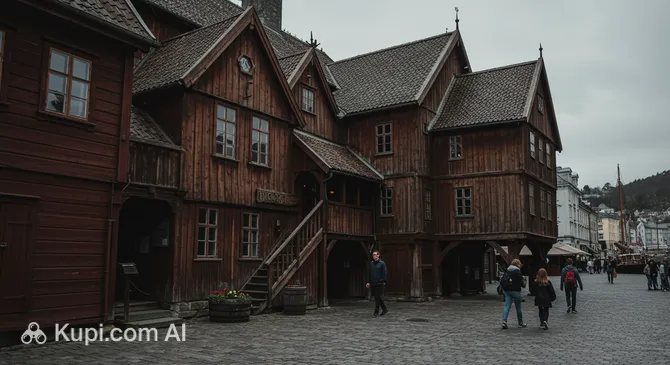
Bryggens Museum
Bryggens Museum. Иллюстрация. Источник: Kupi.com AI

The museum is part of the Bergen City Museum and is situated within the Bryggen district, which has been a UNESCO World Heritage site since 1979. It is not just an exhibition of antiquities, but a living testament to how the Hanseatic League transformed this northern port into one of the busiest international trade centers of its time.

Contacts

For more details about your visit or to book group tours, you can use the museum's official contact information:

How to contactContact
AddressDreggsallmenningen 3, 5003 Bergen, Norway
Phone+47 55 30 80 30
Websitebymuseet.no

What to Do

Inside Bryggens Museum, a fascinating journey underground awaits you—both literally and figuratively. The main highlight is the exposed archaeological horizons, where you can examine centuries-old layers of urban development. Of particular interest are the runic inscriptions: reading the translations of these short notes allows you to feel a living connection with the people who lived here nearly a thousand years ago.

The museum's exhibits vividly demonstrate the daily life of a medieval city, from craftsmen's tools to luxury items brought by merchants of the Hanseatic League. Visitors can explore interactive displays and reconstructions that detailedly recreate the port's appearance during various historical eras. This makes a visit to the museum educational for both adults and children.

After exploring the indoor galleries, be sure to take a walk around the surrounding area. The museum is harmoniously situated next to the photogenic wooden houses of Bryggen. Here, you can peek into tiny artists' workshops, pick out unique souvenirs, or simply enjoy a cup of coffee while taking in the view of the wharf, which has been a center of attraction for sailors and traders from all over the world for centuries.

Getting There

Finding Bryggens Museum is easy, as it is located in the heart of the historic center at Dreggsallmenningen 3. If you are already walking along the Vågen wharf, the walk from the famous Fish Market or the lower station of the Fløibanen funicular will take no more than 10–15 minutes at a leisurely pace.

For those who prefer public transport, the nearest landmarks are the Bryggen or Strandkaien stops, which are served by the city's main bus and light rail routes. If you are coming from Bergen Airport (BGO), it is most convenient to take the light rail (Bybanen) or the airport express bus to the city center and then walk a short distance.

Parking spaces are very limited in the city center, so taking a taxi directly to the entrance or using a bicycle are more practical options. The museum is located in a very pedestrian-friendly area, allowing you to combine your visit with a tour of the neighboring Bergenhus Fortress.

Ближайший город: Bergen

History & Facts

The history of this site is inextricably linked to the development of trade in Northern Europe. Bergen was founded in 1070, and the Bryggen district served as the main port for centuries, becoming the headquarters of the Hanseatic League in 1360. This turned the city into a major trading hub, connecting the fishing regions of the north with Europe's grain markets.

Bryggens Museum emerged in response to tragic events: in 1955, a massive fire destroyed part of the ancient wooden buildings. However, this misfortune opened up a unique opportunity for archaeologists. Extensive excavations beneath the ashes revealed layers of earth that preserved traces of city life from the early Middle Ages. In 1976, a modern museum building designed by architect Øivind Maurseth was erected on the site of these findings.

One of the most valuable finds was the so-called Bryggen inscriptions. This is a collection of approximately 670 items (wooden sticks and bones) inscribed with runes featuring business notes, personal letters, and even declarations of love. These artifacts fundamentally changed scholars' understanding of literacy among medieval city dwellers in Norway.

The Bryggen district itself has been recognized as a UNESCO World Heritage site since 1979. The museum doesn't just store finds; it stands directly over the ruins of the city's oldest buildings, some of which date back to the first half of the 12th century, allowing you to literally look back through the ages.

Time Needed

To carefully explore the main exhibition and examine the archaeological artifacts, most visitors need 1 to 2 hours. This is enough time to familiarize yourself with the runic inscriptions and see the remains of the ancient foundations.

If you plan to complement your visit with a stroll through the Bryggen quarter itself, visiting souvenir shops and relaxing in one of the local cafes on the wharf, you should set aside about 3 hours for the area. This will allow you to immerse yourself in the medieval atmosphere of Bergen without rushing.

Working Hours

The museum welcomes visitors daily, making it a convenient stop on any tourist itinerary. The opening hours are consistent throughout the week:

Monday – Sunday: 10:00 AM to 5:00 PM.

Please note that during holidays or depending on the tourist season, opening hours may vary slightly, so it is recommended to check the official website before your visit.

10:00 – 17:00

Nearby

The museum's location in the historic heart of the city allows tourists to create a rich itinerary without spending much time traveling. Exploring the surroundings will help you better understand the context of the Hanseatic era and enjoy the atmosphere of the old port.

Within walking distance, you will find both monumental medieval halls and picturesque streets with traditional wooden architecture. Below are the most interesting sites located nearby:

NameDistance
Bryggen0.1 km
St. Mary's Church0.1 km
Bryggen (Hanseatic Wharf)0.1 km
Bergenhus Fortress Museum0.2 km
Bergenhus Fortress0.3 km
Bergen Harbour0.3 km
No Stress Bergen0.4 km

Reached the end of the page?

That means the route is fully explored