Support

Norway Fisheries Museum

About

The scent of the sea and centuries-old traditions come to life within the walls of the Norwegian Fisheries Museum. This unique cultural space in the city of Bergen invites guests to explore the vital industry that shaped the identity of the entire country. Norway has always been inextricably linked to the ocean, and it is here that you will understand why fishing is called the soul of these northern lands.
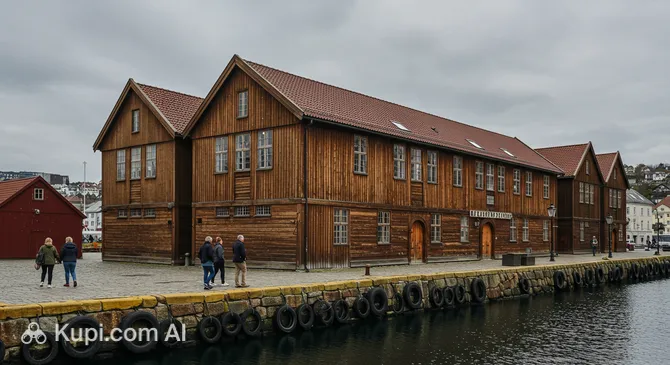
Norwegian Fisheries Museum
Norwegian Fisheries Museum. Иллюстрация. Источник: Kupi.com AI

The museum is located in beautifully preserved historic warehouse buildings on the waterfront. These wooden structures are architectural monuments in themselves, providing an authentic backdrop for the exhibits. Inside, a fascinating journey through time awaits you: from ancient methods of catching dried cod, which was once the city's main export, to modern aquaculture technologies.

The exhibition combines classic artifacts—boats, tackle, and vintage equipment—with interactive technologies. The museum doesn't just show objects; it tells the stories of people whose lives for many centuries depended on the whims of the sea and a successful catch.

Contacts

To find out the latest information about special exhibitions or group tours, you can contact the museum administration directly.

How to contactContact
AddressSjøgaten 23, 5035 Bergen, Norway
Phone+47 53 00 61 60
Websitefiskerimuseum.museumvest.no

What to Do

There is certainly no room for boredom in this museum: visitors can expect more than just display cases, with plenty of interactive elements. You can see detailed ship models, examine fishing equipment from different eras, and learn the secrets of seal hunting and herring fishing. Be sure to take the time to watch the video interviews—in them, fishermen from three different generations talk candidly about seasickness, fishing quotas, and how their profession has changed over the years.

For families with children, there are special play areas and multimedia displays that turn learning into a fun process. After exploring the main exhibition, stop by the souvenir shop, where you can find original maritime-themed gifts, and then relax in the cafe with a panoramic view of the harbor—the perfect place to enjoy a cup of tea while watching the ships pass by.

Many tourists complement their visit with a trip to the Storebl aquaculture center, located right nearby. There, you can learn about modern salmon farming methods and the ecological challenges the industry faces today. This comprehensive approach will allow you to see the full picture of life in a maritime nation.

Getting There

Located at Sjøgaten 23, the museum is situated a short distance from the busy city center, making the journey there a pleasant part of your stroll. The most scenic way to arrive is on foot from the famous Bryggen wharf or the Fish Market. This walk along the shoreline takes about 20–30 minutes and allows you to soak in the city's maritime atmosphere.

If you prefer public transport, you can use the city buses. For Bergen Card holders, the ride is free. Additionally, during the warm season, small excursion boats run between the main harbor piers and can drop you off near the museum, turning a simple trip into a mini-cruise.

For those arriving from Bergen Airport (BGO), it is most convenient to take the Bybanen light rail or an express bus to the city center, and then transfer to a local bus or take a taxi, which will bring you to the museum doors in just a few minutes.

Ближайший город: Bergen

History & Facts

The history of fishing is inextricably linked to the country's development, and Norway owes its prosperity to the riches of the northern seas. The Norwegian Fisheries Museum tells of events spanning more than 1,000 years. In the 15th and 16th centuries, Bergen was the world's largest fishing port, and trade was under the strict control of Hanseatic merchants who exported dried cod (stockfish) throughout Europe.

The buildings that house the exhibition today are valuable historical monuments in their own right. These are former merchant warehouses where salt and fish were stored for centuries. Inside, authentic wooden beams and elements of ancient lifting mechanisms have been preserved, conveying the atmosphere of the times when the city lived according to the schedule of arriving fishing vessels.

The museum itself was founded back in 1880, making it one of the oldest specialized museums in the country. Since 2005, it has been part of the "Museum Vest" association. The exhibition clearly demonstrates the transition from the harsh daily lives of seafaring Vikings to modern high-tech aquaculture methods, while preserving the memory of every generation of sea workers.

Time Needed

To leisurely explore all the halls, study the interactive stands, and watch archival video materials, most visitors need 1.5 to 2.5 hours. The museum is quite compact but very rich in details that you'll want to examine closely.

If you plan to combine your visit with a trip to the nearby Storebl aquaculture center or stop by the museum's cozy cafe for a coffee with a view of the water, it's better to set aside 3–4 hours. This will allow for a complete experience without any rush.

Working Hours

The museum is open to visitors daily, making it easy to include in your Bergen travel schedule. Standard opening hours are from 10:00 AM to 5:00 PM, Monday through Sunday.

Please note that hours may vary slightly on public holidays or depending on the season, so it is recommended to check the official website for the most up-to-date information before your visit.

10:00 – 17:00

Nearby

After immersing yourself in the city's maritime history, it's worth taking time to see other attractions within walking distance or a short ride from the museum. This area of Bergen is famous for its architecture and ancient fortifications.

A walk through the surroundings will allow you to see royal halls, ancient churches, and the famous Hanseatic buildings that form the unique look of Norway's "capital of the fjords."

NameDistance
Stoltzekleiven Trailhead0.5 km
Bergenhus Fortress0.9 km
Bergenhus Fortress Museum0.9 km
St. Mary's Church1 km
Bryggens Museum1.1 km
Bryggen1.2 km
Bryggen (Hanseatic Wharf)1.2 km

Reached the end of the page?

That means the route is fully explored