Support

Kristiansand Museum

About

Imagine a journey through time where, in just a couple of hours, you can experience several centuries of Norwegian history. Kristiansand invites you to its wonderful open-air cultural center — the Kristiansand Museum. Founded over a century ago, this site has become a true guardian of traditions, bringing together about 40 ancient buildings carefully relocated from various parts of the region.
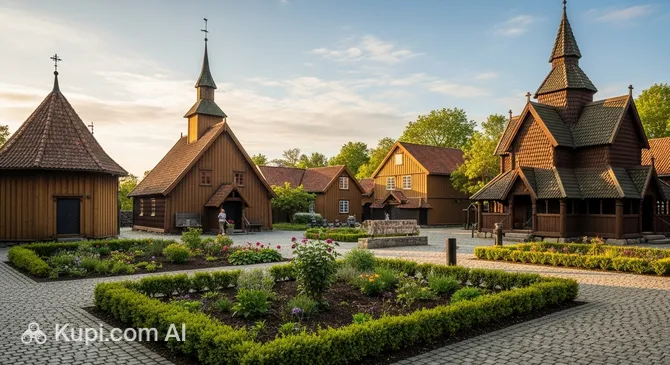
Kristiansand Museum
Kristiansand Museum. Иллюстрация. Источник: Kupi.com AI

This unique attraction, representing Norway, is divided into several thematic zones. Here you will find authentic rural farmsteads from the Setesdal valley with their characteristic barns and 17th-century saunas, as well as the charming Bygaden (city street). It recreates the atmosphere of old Kristiansand with its workshops, shops, and residential houses from the late 19th century.

In the museum's main building, visitors can find interesting collections of artifacts and a miniature model of the city, which shows in detail what the center looked like in the 1880s. This place is ideal for those who want not just to see exhibits, but to feel the living history of the southern coast through the architecture and daily life of past generations.

Contacts

To confirm visit details or book a group tour, you can use the museum's official contact information.

How to contactContact
AddressVigeveien 22B, 4633 Kristiansand, Норвегия
Phone+47 38 10 26 80
Websitewww.vestagdermuseet.no

What to Do

A walk through the museum grounds turns into a real adventure where every house tells its own story. You can peer inside the Setesdaltunet farmsteads to see how Norwegian life changed from the 17th century to the 1920s, or walk along the pavement of Bygaden, admiring the storefronts of reconstructed Victorian-era shops and workshops.

Special conditions are created here for families with children. In summer, the museum comes alive: young visitors can meet the farm inhabitants — sheep and horses — feed them, or follow a special nature trail. Interactive programs allow children to learn about the region's traditions and the role animals played in life on old farms in a playful way.

Be sure to stop by Mørch’s Pavilion, which features exhibitions dedicated to the famous Norwegian Rosemaling (decorative painting). After a busy tour, it’s pleasant to relax in the museum cafe with a cup of coffee or visit the souvenir shop to pick out a keepsake reflecting the spirit of old Norway.

Getting There

Getting to the museum is quite simple, as it is located just a few kilometers from the city center. If you prefer to travel by car, the trip from Kvadraturen will take no more than 10–15 minutes. Convenient parking is provided for visitors on-site.

Public transport is also an excellent option. Buses run regularly from the city center to a stop located near Vigeveien. If you arrive by train at Kristiansand S station, you can transfer to a bus or take a taxi — the distance is approximately 5–10 km.

During the warmer months, many tourists choose a bicycle ride or even a walking route. The 4–5 kilometer path passes through pleasant neighborhoods, allowing you to enjoy the fresh air and city views before diving into history.

Ближайший город: Kristiansand

History & Facts

The history of this site began in 1903 with the founding of the Vest-Agder Fylkesmuseum. Its primary goal was to preserve the region's disappearing cultural heritage. Over time, the small collection grew into a large-scale museum complex, which in 2006–2007 became part of the major association Vest-Agder-museet IKS.

Today, the museum's holdings are impressive in scale: they include about 100 historical buildings (some of which are at this site), 70,000 artifacts, and over 200,000 archival photographs. It houses works by famous Norwegian masters, such as Gustav Vigeland and Amaldus Nielsen, making the collection significant from both a historical and artistic perspective.

Of particular value are the buildings from the Setesdal valley, the oldest of which date back to the mid-17th century. They allow visitors to trace the evolution of Norwegian housing over nearly three centuries. The museum continues to evolve, with plans to develop new areas to continue telling the stories of the people who shaped southern Norway.

Time Needed

To leisurely explore all 40 historical buildings and see the exhibitions in the main building, we recommend setting aside 2 to 4 hours. This is enough time for a walk through the thematic zones, viewing the interiors, and a short break at the local cafe.

If you plan to participate in guided tours or are visiting with children who will likely want to spend time at the interactive play areas, it is better to plan for half a day. In the summer season, the event program becomes more extensive, which may require additional time.

Working Hours

The museum's operating hours are highly dependent on the season. The most extensive program awaits guests during the summer season (usually from mid-June to late August), when the museum is open daily, regular guided tours are held, and all children's play areas are operational.

During the rest of the year, opening hours may be reduced or limited to certain days of the week. To ensure your visit goes perfectly, we strongly recommend checking the current schedule on the official website before your trip.

Nearby

Exploring the surroundings after visiting the museum will allow you to fully experience the atmosphere of the region and diversify your leisure time. In the immediate vicinity, you will find both historical sites and modern entertainment centers for the whole family.

NameDistance
Aquarama2.2 km
Smag & Behag2.4 km
Christiansholm Fortress2.5 km
Bakgården Bar2.7 km
Sandens Shopping Centre2.7 km
Kristiansand Cathedral2.7 km
Mother India Restaurant2.8 km

Reached the end of the page?

That means the route is fully explored