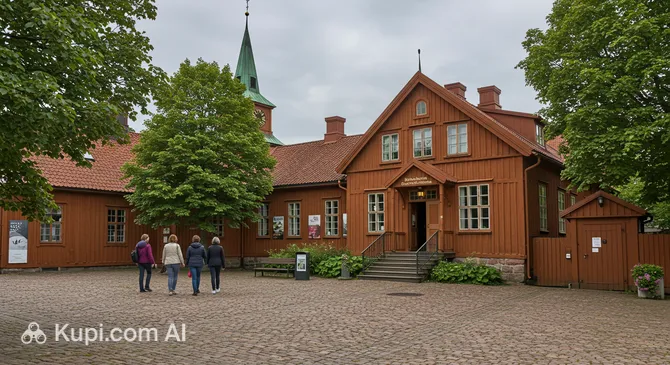
If you want to look into the heart of local history in the northern lands, the Mölndal City Museum will be a true discovery for you. This cozy cultural space is nestled in a picturesque suburb that is an integral part of life in a major hub like Gothenburg. Unlike pretentious capital galleries, an atmosphere of sincerity prevails here, typical of regional Sweden.
Mölndal City Museum. Illustration.
Source: Kupi.com AI
Traveler photos:
The museum occupies a historic building on Kvarnbygatan and is famous for its attention to the details of everyday life. With a 4.5 rating based on hundreds of reviews, it is deservedly considered one of the suburb's most welcoming attractions. There's no chase for world masterpieces here, but there is soul and authentic evidence of how the local lifestyle has changed over the centuries.
The main concept of the museum is built around the evolution of Mölndal: from ancient settlements to a powerful industrial leap. The exhibitions are designed so that even the most seasoned traveler will find something curious in the regional artifacts and stories about the lives of ordinary people.
Contacts
To plan your visit and clarify details, you can use the official communication channels. The museum is conveniently located with good transport links and is always open to dialogue with visitors.
A walk through the museum's halls turns into a fascinating journey through time. You will be able to see unique archaeological finds telling the story of the first settlers of these lands and examine household items that surrounded Swedes hundreds of years ago. Special attention should be paid to the section dedicated to industrial development — it clearly shows how water power turned a modest village into a thriving industrial center.
The museum actively uses interactive elements, making it an interesting visit for the whole family. Visitors have the opportunity not just to look at the exhibits, but literally "immerse" themselves in reconstructions of everyday life from past eras. Regularly updated temporary exhibitions often highlight unusual aspects of the cultural heritage of West Sweden, and extensive photo archives allow you to compare old streets with their modern appearance.
Getting There
Getting to the museum from central Gothenburg is remarkably quick. The journey by public transport will take only about 10–15 minutes. Trams No. 1, No. 2, or No. 6 running from the central station (Göteborg Centralstation) to the Mölndal centrum stop are suitable for you.
From the tram stop to the museum building at Kvarnbygatan 12, you need to walk about one kilometer. A stroll through the picturesque streets will be a great introduction to the tour. If you prefer the comfort of a taxi, the ride from the city center or nearby stations will be short, and the exact coordinates for the navigator will help the driver take you straight to the entrance.
Nearest city: Gothenburg
History & Facts
The history of this place is inextricably linked with the rapid industrial growth of the 19th century. Mölndal developed as an important industrial hub around textile factories powered by the energy of local waterfalls. The museum carefully preserves the memory of the times when the noise of machines and the energy of water defined the rhythm of life for the entire region.
However, the settlement's roots go much deeper into the past. The museum's collections contain evidence that people inhabited these areas as far back as the Stone Age. Archaeological layers also hide artifacts from the Viking era, linking Mölndal's history with the great past of the entire Scandinavian Peninsula.
Notably, the museum building itself and its surroundings are part of the historic landscape of Kvarnby. This is a unique place where old mills and industrial buildings create a distinct architectural ensemble, reminding us of the times when Sweden was just beginning its journey toward becoming one of the most developed countries in the world.
Time Needed
To leisurely explore all the permanent exhibitions and view the current temporary displays, most visitors need 1 to 2 hours. This is quite enough time to soak in the atmosphere of the place and pay attention to the most interesting details without rushing.
If you also plan to walk through the historic industrial district around the museum or stop by a local cafe, we recommend setting aside half a day for your visit. The compact nature of the museum space makes it easy to combine with other cultural plans in the vicinity.
Working Hours
The museum doors are open to guests from Tuesday to Sunday, with extended hours on Thursday, which is very convenient for evening visits. The museum is closed on Mondays.
Opening hours: Tuesday, Wednesday, Friday, Saturday, and Sunday — from 12:00 to 16:00; Thursday — from 12:00 to 19:00. Since the schedule may change during holidays, we strongly recommend checking for current information on the official website before your trip.
Day
Working hours
Monday
Закрыто
Tuesday
12:00–16:00
Wednesday
12:00–16:00
Thursday
12:00–19:00
Friday
12:00–16:00
Saturday
12:00–16:00
Sunday
12:00–16:00
Nearby
Exploring the surroundings of Mölndal can significantly enrich your trip experience. The area around the museum and the southern part of the city offer many options for active recreation, family entertainment, and outdoor walks.