Support

Mardan

About

Mardan is a vibrant and colorful city situated in the heart of the fertile Peshawar Valley in Pakistan. As the second-largest city in the Khyber Pakhtunkhwa province, it serves as a vital agricultural and commercial hub for the region. Here, the pace of modern life is closely intertwined with centuries-old Pashtun traditions, creating a unique atmosphere of hospitality and industriousness.

The city's geographical location at an altitude of 284 meters above sea level makes it the center of a rich agrarian territory. The surrounding areas are home to vast plantations of sugarcane, tobacco, and fruit orchards. With a population of about 358,000, Mardan remains a practical and bustling district center, where life revolves around its central markets and administrative quarters.
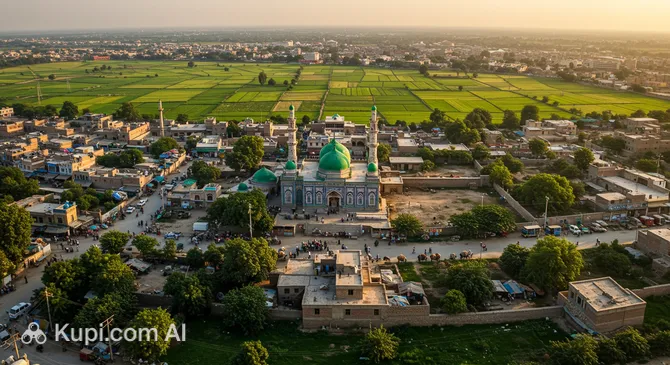
Mardan. Illustration.
Source: Kupi.com AI

The rich historical heritage of these lands dates back to antiquity, when the region was the core of the Gandhara civilization. Today, travelers are drawn not only by the chance to witness modern Pakistani life but also by the proximity to outstanding archaeological sites listed as UNESCO World Heritage Sites. The city is also known for its industry, housing one of the largest sugar mills in Asia.

Visiting Mardan is an opportunity to step off the beaten path and immerse yourself in authentic Pashtun culture. We recommend this city to those seeking authenticity, interested in ancient history, and wishing to see the "real" Pakistan in all its honesty.

Weather Overview

The climate in Mardan is characterized by distinct seasons typical of a subtropical zone. Summers here are long and hot: from May to July, temperatures often rise to +40°C and above, frequently accompanied by dust storms. This period is considered the most challenging time to visit the city due to the heat.

The most favorable period for tourists is during autumn and spring when the weather is mild and comfortable. Winters in the region are cool but dry: in January, the average temperature is around +10°C, although it can drop to +4°C at night. Rainfall is uneven, peaking in July and August during the monsoon season when heavy downpours are possible.

When planning your trip, be sure to check the detailed weather in Mardan to choose the most suitable time for excursions. We recommend planning your visit for February-March or October-November, when the valley's nature is lush with greenery and the air temperature allows for spending plenty of time outdoors without the risk of overheating.

Average monthly temperature

Average monthly precipitation

Interesting Facts

  • The Heart of Gandhara: The Mardan region was the center of the ancient Gandhara civilization, where a unique art form emerged, blending the Greek aesthetics of Alexander the Great with Indian Buddhist traditions.

  • Stone Age Traces: Archaeological research at the Sangao Caves near the city has shown that humans lived in this area as far back as 15,000 years ago.

  • Sugar Giant: Mardan is home to one of the largest sugar mills in all of Asia, making the city a key player in Pakistan's economy.

  • Home of the "Guides": During the British era, the city was the official headquarters of the legendary Corps of Guides, an elite unit known for their unique khaki-colored uniforms.

  • Fertile Paradise: Thanks to the unique microclimate of the valley, Mardan is the largest provider of high-quality tobacco and the sweetest oranges in the region.

How to Get There

Mardan enjoys good transport accessibility due to its location in the densely populated Peshawar Valley. The city is a major hub connecting the provincial administrative center with the northern mountainous territories, making it a convenient stop for travelers exploring northern Pakistan. You can find more details about routes in the section on transport in Mardan.

The nearest international gateway is Peshawar International Airport (IATA: PEW). The journey from the airport to Mardan by car or taxi takes between 45 and 60 minutes. Due to heavy traffic and the transport of agricultural products on the highways during peak hours, travel time may increase, so it's worth planning your trip with a time buffer.

AirportPassenger trafficDistance
Bacha Khan International Airport1.3 mln54 km
Islamabad International Airport6 mln102 km
Chitral8 500188 km
Mangla195 km
Khost30 000216 km

Railway service within the city itself is limited. For train travel from distant metropolises like Lahore or Islamabad, travelers most often use the Peshawar Cantonment station, from where Mardan can be reached quickly by bus or taxi. Small regional stations also operate in the district, handling local freight and passenger transport.

StationPassenger trafficDistance
Rawalpindi Railway Station5.5 mln114 km

Modern intercity buses are the main means of communication between the region's cities. From Islamabad, the journey takes about 2-3 hours via the motorway. Local minibuses and vans ("wagons") run constantly; however, they can be overcrowded, so tourists are recommended to use ride-hailing services for greater comfort.

Main Attractions

While Mardan itself is primarily an agricultural and administrative center, it serves as the gateway to some of the region's most significant historical treasures. The city's outskirts remain the main magnet for history buffs, preserving unique evidence of the Gandhara era. Within the city itself, there are interesting locations for relaxation and getting to know the local way of life.

One of the modern landmarks is the Ocean Mall. This modern shopping complex offers residents and visitors comfortable conditions for shopping and family leisure, standing out from traditional oriental bazaars with its architecture and choice of goods.

Ocean Mall. Illustration.
Source: Kupi.com AI

Traveler photos:

For those who appreciate history and heritage, the Guide's Memorial Park is a must-visit. This park is dedicated to the British Corps of Guides, which was based here during the colonial era. It is a quiet, green space where you can walk and explore historical monuments reflecting the city's strategic role in the last century.

The cultural itinerary should be complemented by a visit to the Mardan Museum. The museum boasts an impressive collection of Gandhara art artifacts, including exquisite sculptures and everyday objects found during excavations in the region. It is the best place to understand the vital role Mardan played in the religious and cultural life of the ancient world.

Don't forget to stop by the famous culinary establishment Badauni Pera Mardan to try the local sweets, which have become a true hallmark of the city. For a hearty lunch, the Said Wali Charga House is excellent, serving traditional meat dishes that are immensely popular with locals.

Local Cuisine

The gastronomy of Mardan is a feast for lovers of meat dishes and vibrant oriental spices. Local cuisine is based on rugged but incredibly delicious Pashtun traditions. One of the main features is the use of the freshest products straight from the surrounding fields and farms, giving the dishes a unique flavor.

Be sure to try the famous Chapli Kebab—a juicy flat patty made of minced beef or mutton with added crushed bone, tomatoes, and spices. No less popular is Afghani Pulao, which is prepared with special skill in Mardan, using caramelized carrots and raisins. Chicken lovers should head to Said Wali Charga House, which serves magnificent poultry prepared according to traditional recipes.

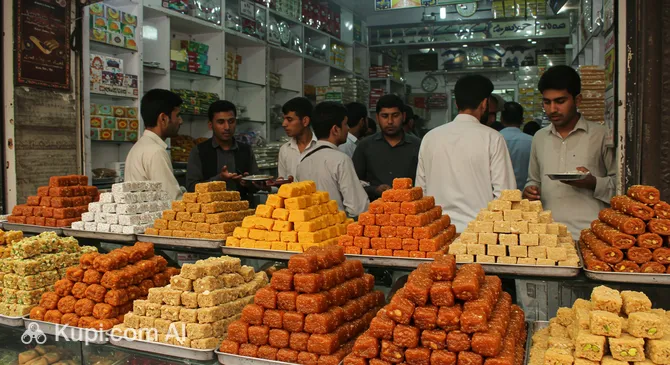
The sweet symbol of the city is rightfully Mardan Pera. This is a delicate dessert based on condensed milk and sugar, featuring a unique texture. The best place to appreciate this treat is Badauni Pera Mardan. The sweetness of local desserts is often due to the proximity to the region's sugar mills, making them particularly rich.

Badayuni Pera Mardan. Illustration.
Source: Kupi.com AI

Traveler photos:

The food culture here is centered around street markets and small local tea houses. Locals prefer eating at simple but time-tested establishments. Traditional green tea (kahwa) or sweet tea with milk (doodh patti) are the leading beverages. Remember that, in accordance with local norms, alcohol is completely absent in public establishments.

Travel Tips

A journey to Mardan is an immersion into the real culture of Pakistan, so preparation and knowledge of local nuances will help make your trip as pleasant and comfortable as possible.

  1. Clothing and Dress Code: Mardan is a conservative city. Dress modestly: shoulders and knees should be covered. Men should not wear shorts, and women are recommended to wear loose clothing and have a scarf handy, which may be useful when visiting religious sites.
  2. Intra-city Transport: Rickshaws are best for getting around. Always agree on the price before getting into the vehicle. If you plan a trip to the ruins of Takht-i-Bahi, it's better to hire a taxi for the whole day.
  3. Finance and Cards: Cash is the predominant method of payment. ATMs are available in the center and at Ocean Mall, but they do not always accept international cards. Always keep a supply of Pakistani Rupees in small denominations for the markets.
  4. Health: Drink only bottled water and avoid ice in drinks. In the summer months, the heat can be extreme, so always carry sun protection and a hat.
  5. Communication: The main language is Pashto, but many speak Urdu. English is understood by hotel staff and young people in shopping centers. Learning a few phrases in Pashto (for example, "Assalam-o-alaikum" as a greeting) goes a long way with the locals.
  6. Local Etiquette: Pashtuns are famous for their hospitality. If you are invited for tea, it is impolite to refuse. Always use your right hand for eating and when passing objects.
  7. What to Avoid: Do not photograph government buildings, military sites, or local women without explicit permission. This can cause serious offense and legal issues.
  8. Specific Advice: Visit archaeological sites early in the morning to avoid the scorching sun and crowds of school excursions, which are frequent on weekends.

Mardan will reveal its best side if you show respect for local traditions and remain open to new experiences. Have a great trip!

Entertainment & Nightlife

Entertainment in Mardan is predominantly traditional and family-oriented, as the city adheres to conservative Pashtun norms. You won't find the typical Western-style nightclubs or bars here; instead, social life after sunset moves smoothly to the bustling markets and cozy tea houses, where men gather over cups of tea for long conversations.

The primary center for modern leisure is the Ocean Mall. In the evenings, young people and families with children gather here, drawn by the shopping opportunities, the food court, or simply the chance to spend time in air-conditioned halls. It is one of the few places in the city where the influence of global urban culture is felt.

For those seeking authentic flavor experiences, the evening is best spent at Badauni Pera Mardan. Tasting the famous desserts alongside locals is a great way to immerse yourself in the city's atmosphere. If you are looking for more dynamic evening entertainment with cinemas and large restaurants, many residents prefer taking short trips to neighboring Peshawar.

Badayuni Pera Mardan. Illustration.
Source: Kupi.com AI

Traveler photos:

Safety in the city is maintained at a good level; however, tourists are advised to stick to the central, well-lit streets and avoid walking on the outskirts late at night. The best way to get around in the evening is by calling an official taxi or using a rickshaw, with prices agreed upon in advance.

Parks & Museums

Despite its dense construction and agricultural character, Mardan offers several iconic spots for cultural relaxation and quiet walks. The city's main green zones and museums are inextricably linked to its rich history and role as an important center in the Peshawar Valley.

The city's main pride is the Mardan Museum. This museum is a must-visit for anyone interested in the history of Buddhism and antiquity. Its halls present a magnificent exhibition of Gandhara art, including Buddha statues, intricate bas-reliefs, and jewelry found at the Takht-i-Bahi archaeological complex. A visit to the museum helps to deeply understand the scale of the civilizations that flourished here thousands of years ago.

For outdoor walks, residents often choose Guide's Memorial Park. It is a pleasant spot with a memorial recalling the era of British rule and the city's strategic significance. While there are no large botanical gardens in the city, this park offers necessary shade and a calm atmosphere amidst the urban noise.

If you want to combine a walk with modern leisure, stop by the Ocean Mall. It is not just a place for shopping but also an important social hub where modern interiors and entertainment zones replace traditional park spaces for city dwellers. Otherwise, the "green lungs" of the region are the endless orchards and fields beyond the city limits.

Getting Around

The transport system in Mardan reflects its status as a bustling commercial center. There is no metro or tram system in the city, so the main burden falls on ground transport, which is quite colorful here. Be prepared for intense traffic where sugarcane trucks, modern cars, and traditional carts mix together.

The most popular and convenient way to travel short distances is by auto-rickshaws. They are maneuverable, inexpensive, and available almost anywhere in the city. For longer routes between districts, "wagons" (minibuses) and route taxis circulate. Fares for these are minimal, but the level of comfort may not suit a seasoned tourist due to crowding.

Taxis in the city operate through dispatch services or mobile apps (for example, the Bykea service or local taxi fleets are popular in the region). If you take a taxi on the street, be sure to agree on the fare in advance, as meters are rarely used. Car rental is possible, but due to the specific traffic and abundance of agricultural machinery on the roads, tourists are recommended to rent a car with a local driver.

For trips outside the city, the main transport consists of intercity buses departing from central terminals. Tickets can be purchased on-site at the ticket offices. Remember that during peak hours and at the height of the harvest, roads can be congested, so plan your movements with potential delays in mind.

Accommodation

The hotel industry in Mardan is primarily geared toward business travelers, archaeologists, and those visiting the city for transit purposes. You won't find massive five-star chain hotels here, but the city offers a decent selection of quality mid-range accommodation and budget guesthouses.

The most convenient area to stay is the city center and the quarters adjacent to the main administrative offices and shopping zones, such as the Ocean Mall. Staying in this part of town provides quick access to restaurants, markets, and transport links. The outskirts offer more affordable prices but may be less convenient in terms of infrastructure.

When planning a trip during the season of active agricultural fairs or when large archaeological missions are in town, it is recommended to book rooms in advance. Main booking methods include international online services, although some local guesthouses still practice booking by phone or on-site.

The price range in Mardan remains very affordable compared to Pakistan's major metropolises. Most hotels offer basic amenities: air conditioning, Wi-Fi, and breakfast. For those seeking maximum comfort, it is worth looking into specialized government rest houses or modern apartments available for short-term rent.

Nearby Cities

Thanks to its central position in the valley, Mardan serves as an excellent starting point for exploring the northern regions of Pakistan. Within an hour's drive, you will find cities with rich pasts and unique natural landscapes, perfect for short excursions.

Just 28 kilometers away is Charsadda, known for its ancient mounds and traditional footwear production (Peshawari Chappal). Also worth noting is Nowshera, situated on the banks of the Kabul River—a major industrial and military center offering picturesque river views. For military history enthusiasts, Risalpur, home to the famous Air Force Academy, is of interest.

CityPopulationDistance
Risalpur36 65315 km
Nowshera118 59421 km
Akora Khattak20 15724 km
Charsadda105 41428 km
Attock Khurd97 37439 km

Beyond the larger centers, you can visit the historical town of Akora Khattak or explore Attock Khurd, located at the confluence of the Indus and Kabul rivers. Exploring the surroundings of Mardan allows you to see the diversity of the Pakistani province: from bustling industrial zones to quiet agrarian landscapes and majestic ancient ruins.

Shopping & Souvenirs

Shopping in Mardan is, above all, an exploration of traditional bazaars and market stalls where you can feel the true rhythm of an oriental city. The main goods worth coming here for are textiles, leather products, and, of course, the region's unique agricultural produce.

The city's central markets are famous for their selection of fruits, locally produced tobacco, and sugarcane products. When looking for souvenirs, check out the shops at the museum or near the archaeological sites—you can often find high-quality replicas of ancient Gandhara figurines and jewelry there.

For fans of a more modern shopping format, the Ocean Mall is open. Here, clothing, electronics, and cosmetics stores are gathered under one roof. This is the best place in Mardan to find familiar brands and shop in a comfortable environment with fixed prices.

Ocean Mall. Illustration.
Source: Kupi.com AI

Traveler photos:

Shops and markets are typically open from early morning until late evening, except for midday prayer time on Fridays. In most bazaar outlets, bargaining is expected, and transactions are made in cash (Pakistani Rupee). In large centers like Ocean Mall, bank cards are accepted, but it is always useful to have paper money for small purchases.

Reached the end of the page?

That means the route is fully explored