Support

Muzaffarabad

About

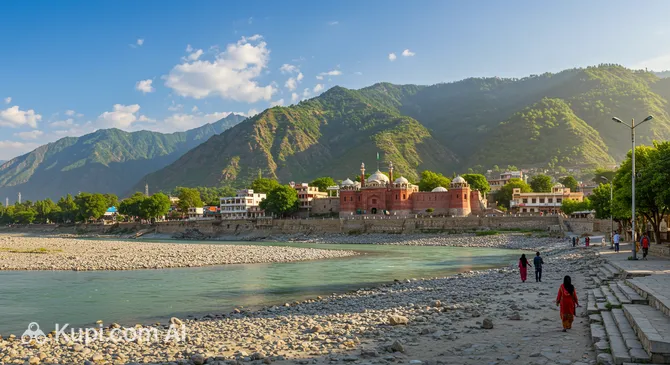
Muzaffarabad is the picturesque capital of the Azad Jammu and Kashmir region, situated at the confluence of two majestic rivers: the Jhelum and the Neelum. The city is nestled among emerald mountains, giving it a special atmosphere of seclusion and natural harmony. Thanks to its geographical location in the heart of the Himalayas, this place attracts those seeking inspiration in the beauty of mountain landscapes.

Muzaffarabad. Illustration.
Source: Kupi.com AI

With a population of about 96,000, Muzaffarabad retains the charm of a small town while remaining an important administrative center. Here, the modern rhythm of life blends wonderfully with the rich history of Muzaffarabad, captured in its architectural monuments and local traditions. The friendliness of the residents and the colorful streets immediately win over visitors.

The city is famous for its panoramic views and serves as a starting point for exploring the region's natural treasures. Breathtaking mountain trails, views of ancient forts, and a unique ethnic palette of culture await travelers. Muzaffarabad is worth visiting to experience the special rhythm of life in this land and enjoy an authentic atmosphere surrounded by majestic nature.

Weather Overview

The climate in this region is characterized by distinct seasonality, making a trip here interesting at any time of year if you prepare properly. Winters are quite cool: in January, the average temperature is only 2.1°C, and at night the thermometer can drop to -3.8°C. Spring arrives gradually, and by May the air warms up to a comfortable 24.1°C during the day, although precipitation occurs regularly during this period.

Summer brings maximum warmth but also the monsoon season. June is one of the warmest months with a maximum of around 27.0°C, but July and August are characterized by high humidity: up to 25 rainy days are recorded in July. In autumn, precipitation significantly decreases, especially in October, when the number of wet days drops to four, and the average temperature stays at a pleasant mark around 14.3°C.

When planning your trip, consider the general nature of the climate: expect warm summers with frequent rain and cold winters with night frosts. To avoid mistakes with your wardrobe and choose the best time for trekking or walking, we recommend checking the detailed weather in Muzaffarabad for the dates of your visit in advance.

Average monthly temperature

Average monthly precipitation

Interesting Facts

Beyond the main attractions, Muzaffarabad holds many fascinating secrets that make it a truly unique destination. The city is steeped in legends and cultural diversity, surprising guests with unexpected discoveries at every turn.
  • Guardians of the River. Two ancient forts — the Red and the Black — stand on opposite banks of the Neelum River. These silent giants seem to guard the city, reminding visitors of its strategic importance in the past, and are shrouded in legends of great battles and heroes of old.

  • Shrine in the Clouds. The Pir Chinasi shrine is located at an impressive altitude of nearly 2,900 meters. This site attracts not only pilgrims drawn by the legend of a saint with healing powers but also travelers wishing to enjoy a breathtaking panorama of valleys and snow-capped mountain peaks.

  • Ethnic Mosaic. The cultural identity of the city is shaped by representatives of various peoples: Paharis, Shinas, Kashmiris, and Baltis. This neighborhood has created a unique fusion of traditions and crafts, and Muzaffarabad itself regularly hosts colorful festivals featuring music and dance.

How to Get There

When planning a trip to this picturesque mountain region, it is important to note that there are no direct flights or trains to the city itself. Most tourists arrive via major transport hubs in neighboring metropolises and complete the final leg of the journey by road, enjoying the mountain scenery. You can find all the details and route options on the page about how to get to Muzaffarabad.

Muzaffarabad does not have its own airport, so the main gateway to the region is Islamabad International Airport (IATA: ISB). It is located about 108 km from the city and handles most international flights. A taxi or rental car journey from the airport takes about 3–4 hours along a winding but beautiful road. An alternative option is Bacha Khan International Airport (PEW) in Peshawar, though keep in mind that the transfer from there will take longer due to the distance.

Below is a summary of the available airports for planning your route:

AirportPassenger trafficDistance
Islamabad International Airport6 mln108 km
Srinagar International Airport4.4 mln126 km
Bacha Khan International Airport1.3 mln185 km
Gilgit Airport35 550190 km
Skardu Airport146 449217 km

For those who prefer traveling by rail, the nearest access point is Rawalpindi Railway Station (RWP). The station is located in the neighboring city of Rawalpindi and receives trains from Karachi, Lahore, and other major centers. From the station, Muzaffarabad can be reached by intercity bus or taxi, with a travel time of about 3–4 hours.

Information on the nearest railway station:

StationPassenger trafficDistance
Rawalpindi Railway Station5.5 mln92 km

Main Attractions

Muzaffarabad offers travelers a unique blend of historical heritage and breathtaking natural landscapes. Surrounded by mountains, the city hides ancient fortifications, sacred sites, and picturesque riverside spots that allow you to escape the hustle and bustle and immerse yourself in an atmosphere of tranquility.

One of the city's landmarks is the majestic Red Fort (Rutta Qila). This fortification, completed in the 17th century, stands on the banks of the Neelum River. Although time has left its mark on the citadel's walls, a stroll through its grounds allows you to touch the region's past and appreciate the skill of ancient builders. The fort's bastions offer a magnificent view of the river's curves and the city's skyline.

For lovers of panoramic views and mountain hikes, a trip to Pir Chinasi is a must. It is not just a tourist location but an important spiritual site located at the top of a mountain. The road there is a thrilling serpentine, and from the summit, perched almost in the clouds, you get perhaps the best view of the surrounding valleys and snow-capped peaks. A sense of peace and quiet reigns here, perfect for meditative relaxation.

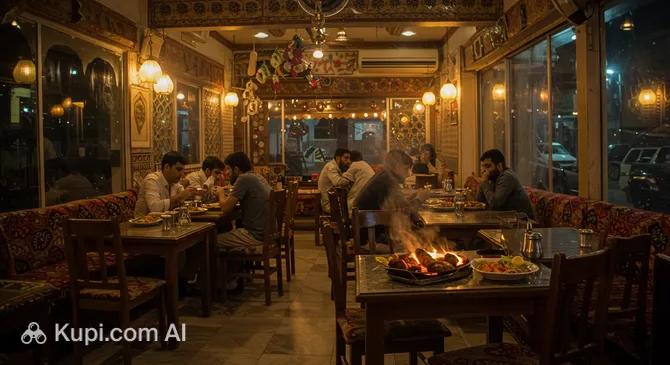
Tandoori Restaurant Muzaffarabad. Illustration.
Source: Kupi.com AI

Traveler photos:

Getting to know the local culture is impossible without tasting the traditional cuisine. A gastronomic highlight for guests is the Tandoori Restaurant Muzaffarabad. This place attracts visitors with the aromas of freshly baked bread and meat cooked in a clay oven — the tandoor. A visit here not only satisfies hunger but also provides a true taste of local hospitality in an authentic setting.

Another important attraction is Domel — the meeting point of the Jhelum and Neelum rivers. The contrast between the waters of the two rivers creates a mesmerizing sight, especially in clear weather. It is a popular spot for family picnics and evening strolls, where you can enjoy the cool breeze from the water and take beautiful photos to remember your journey to the heart of the mountains.

Local Cuisine

The culinary traditions of Muzaffarabad are a true symphony of flavors, where fresh products and the generous use of spices play the leading roles. The basis of the local diet consists of hearty meat dishes made from mutton and chicken, as well as river fish. Travelers should definitely try Rosh — a tender meat stew prepared according to ancient recipes that literally falls apart into fibers. Another gastronomic masterpiece of the region is Goshtaba, which consists of juicy meatballs in a velvety yogurt-based sauce.

For those who love vegetable dishes, Saag is an excellent choice — an aromatic dish made from leafy greens, generously seasoned with garlic and spices. No meal here is complete without hot bread: fresh Naan and layered Paratha are baked in tandoors right on the streets, and their aroma fills the whole city. To appreciate the skill of local bakers and try dishes with a smoky flavor, you can visit the Tandoori Restaurant Muzaffarabad, where traditions of clay-oven cooking are honored.

Street food is a point of pride for the city. While strolling through the markets, it's impossible to resist the crispy vegetable Pakoras, fried samosas, or thin chickpea flour pancakes known as Chilla. In the evenings, the streets come alive, turning into makeshift open-air cafes where chefs happily share the secrets of their signature snacks.

As for drinks, Muzaffarabad has a strong tea culture. The most popular choice is aromatic green tea with cardamom, often served with nuts or saffron. On hot days, Lassi — a traditional yogurt drink that can be either sweet or salty — is perfectly refreshing. It should be noted that due to the cultural and religious traditions of the region, alcoholic beverages are not common and are absent from the menus of regular establishments.

Travel Tips

A trip to Muzaffarabad will give you unforgettable impressions if you consider local peculiarities in advance and prepare for your journey to this mountain region. Here are several proven recommendations to help make your vacation comfortable, safe, and filled only with pleasant events.

  1. Clothing and Dress Code. Since Pakistan is a country with conservative traditions, choose clothing that covers your shoulders and knees. Women are advised to carry a light scarf (dupatta) for visiting shrines or walking through the city. Given the mountain terrain, be sure to bring comfortable trekking shoes, as well as warm clothes (a fleece jacket or windbreaker), as evenings here can be cool even in summer.

  2. Transport Nuances. There is no metro or tram system in the city; the main ways to get around are auto-rickshaws and taxis. It's better to agree on the fare in advance, before getting into the car. For trips to high-altitude attractions like Pir Chinasi, a regular taxi might not be suitable — it's more reliable to rent a jeep with an experienced local driver familiar with the serpentines.

  3. Financial Preparation. The main currency is the Pakistani Rupee (PKR). Bank cards are only accepted in large hotels, so cash is vital here. Withdraw or exchange currency in advance in Islamabad, as ATMs in Muzaffarabad may not work or may not accept foreign cards. Always keep small bills for fares and market purchases.

  4. Health and Safety. There are pharmacies in the city center, but 24-hour ones are hard to find, so pack a personal first-aid kit in advance. Be sure to include motion sickness remedies — the roads in the region are very winding. Drink only bottled water and avoid ice in drinks at street cafes. During the monsoon season, check the weather forecast before heading into the mountains due to the risk of landslides.

  5. Communication and Internet. An important nuance: regular Pakistani SIM cards (like Jazz or Telenor) may work intermittently or not at all in Azad Kashmir due to the region's special status. For stable communication, it is recommended to purchase a local SIM card from the operator SCOM. English is understood in hotels and tourist spots, but learning a few phrases in Urdu, such as "Shukriya" (Thank you), will earn you special favor with the locals.

  6. Local Etiquette. The greeting "Assalamu Alaikum" is universal and polite. Be sure to remove your shoes when entering a mosque or a private home. Maintain distance when interacting with the opposite sex; it is not customary for men to be the first to offer a hand to women for a handshake unless they take the initiative themselves.

  7. What to Avoid. It is strictly not recommended to photograph military installations, bridges, checkpoints, and people in uniform — this is a border zone with a special security regime. Also, refrain from public displays of affection (hugging and kissing) to avoid offending the local residents.

  8. Documents and Permits. Foreign tourists visiting the Azad Jammu and Kashmir region often require a special permit (NOC — No Objection Certificate). Rules can change, so be sure to check the current requirements before your trip. Always carry several copies of your passport and visa, as they may be needed at checkpoints when entering the city.

Following these simple but important rules will allow you to show respect for the local culture and avoid awkward situations. Muzaffarabad is famous for its hospitality, and by paying a little attention to traditions, you will discover all the beauty and warmth of this amazing land.

Entertainment & Nightlife

Nightlife in Muzaffarabad has its own unique flavor, which is fundamentally different from the typical European concept. You won't find noisy nightclubs, discos, or bars serving cocktails here, as the region follows strict laws and conservative traditions. Instead, evening leisure is centered around gastronomic delights, leisurely walks, and socializing in cozy tea houses, which often stay open until late at night.

The hubs of evening activity are the lively streets and bazaars, such as the Main Bazaar area or the riverfronts. As the sun sets, the city lights up, and the air fills with the scents of spices and grilled meat. Local families head out for dinner, creating a friendly and safe environment. The dress code here is modest and reserved: covered clothing is essential for both men and women, in line with local etiquette.

The main entertainment for the evening is dining out. If you are looking for a place with authentic cuisine and a pleasant atmosphere, it's worth visiting the Tandoori Restaurant Muzaffarabad. This establishment is popular with both locals and tourists for its traditional dishes prepared in the oven. Having dinner here is more than just a meal; it's an opportunity to immerse yourself in the local culture of hospitality.

The Domel area, where the Neelum and Jhelum rivers meet, adds a special charm to the city at night. It gets cool here in the evening, and many people come to enjoy a hot "doodh patti chai" at street cafes overlooking the dark waters and city lights. It is a great place for a quiet rest after a busy day.

Regarding daytime entertainment, Muzaffarabad offers more for nature and history enthusiasts than for fans of amusement rides. During the day, you can visit city parks or go on excursions to historical forts. Cultural life here is measured, without large theaters or entertainment centers, so the main focus is on contemplating mountain landscapes and studying architecture.

From a safety perspective, evening walks in the central districts and near popular restaurants are quite comfortable. However, tourists are advised to avoid dark alleys and outskirts. For night travel, it is best to use official taxis or arrange a ride with an auto-rickshaw driver in advance, as public transport may stop running quite early. The average check for dinner at a good place is very affordable, making evening gastronomic tours an accessible pleasure.

Parks & Museums

Muzaffarabad is a city where nature itself acts as the main exhibition hall, and history comes alive not behind glass display cases but within the walls of ancient forts and shady alleys. Green zones are harmoniously integrated into the mountain landscape, offering travelers places for quiet contemplation, while cultural heritage is carefully preserved in architectural monuments and traditional crafts.

Among the city's green oases, Jalalabad Garden holds a special place. It is not just a park but a true symbol of the administrative center, where well-kept lawns and flower beds sit alongside majestic government buildings. Tourists come here to enjoy the silence away from the noisy bazaars, walk along neat paths, and admire the panoramic view of the surrounding mountains. The garden is especially beautiful in spring when the blooming trees fill the air with a sweet fragrance.

Another important natural area is the territory around Domel — the confluence of the rivers. Although not a park in the classical sense, the developed embankments and green slopes by the water have become a favorite leisure spot. Here you can have a picnic while watching the powerful water currents change color depending on the season. This space serves as a natural gallery of landscapes, where every sunset paints a new picture against the backdrop of the Himalayan peaks.

Regarding museums, Muzaffarabad offers an immersion into history under the open sky. The main guardian of the past is the Red Fort (Rutta Qila). Strolling through its grounds, visitors feel as if they have entered an open-air history museum: the remains of ancient bastions and 17th-century walls tell the story of the city's strategic importance and past battles better than any guidebook. The fort's architecture allows you to appreciate the skill of ancient engineers and touch stones that have seen the change of eras.

Instead of traditional art galleries, the region's culture is best represented by Kashmiri craft centers and local workshops. Real works of art are exhibited here: famous Kashmiri shawls with fine embroidery, walnut wood carvings, and traditional "Namda" rugs. Visiting such places allows you not only to see the exhibits but also to observe the process of their creation, providing a much deeper understanding of the local culture than a standard tour.

For those seeking authentic experiences, we suggest paying attention to the small viewpoints along the road to Pir Chinasi. They are not marked on maps as official parks, but it is there, amidst wild nature and silence, that you can feel a true connection with the spirit of these mountains while stopping for a cup of tea from a thermos.

Getting Around

The public transport system in Muzaffarabad is significantly different from the typical European one: you won't find a metro, trams, or trolleybuses here. Urban mobility is built entirely on road transport, shared between nimble auto-rickshaws, route minivans, and taxis. This creates a rather chaotic but colorful rhythm of movement that travelers should be prepared for.

The most popular and convenient means of transport for short distances is the auto-rickshaw (locals often call them "tuk-tuks"). They are ideal for maneuvering through the narrow streets of the center and trips to the markets. They don't have a fixed schedule or route — the driver will take you directly to your destination. For travel between districts, "Suzukis" are used — small covered pickup trucks or minivans that operate like shared taxis. They run on fixed routes and stop at the request of passengers.

The fare payment system is extremely simple and conservative: only cash is accepted. There are no transport cards, validators, passes, or mobile apps for payment within urban transport. In minivans, the price is fixed and very low; money is handed to the driver or conductor. With rickshaw drivers, the price of the trip must be agreed upon strictly before boarding, as meters are usually not used, and the price for a tourist may be initially inflated.

An important feature of local transport is its adaptation to the mountain terrain. If you plan to visit viewpoints or attractions on the hills, a regular taxi might not cope. In such cases, special jeeps are used, which are rented along with an experienced driver at city stands. Familiar car-sharing services, bike rentals, or international taxi aggregators (like Uber) are practically non-existent in the city, so you should rely on official taxi stands or arrangements with private drivers.

Transport starts operating early in the morning and decreases in activity with the onset of dusk; after 9:00 PM, catching a minivan becomes difficult. It is important for tourists to remember local etiquette: in public transport (especially in cramped "Suzukis"), women traditionally take the front seats next to the driver, while men sit in the back. To stop the transport you need, just wave your hand on the roadside; there are more request stops than fixed signs here.

Accommodation

Muzaffarabad offers travelers a fairly wide range of accommodation options, although the hotel sector here has its own characteristics. The city's infrastructure caters to both transit tourists and those who come to enjoy the mountain air. The core of the housing stock consists of cozy guest houses, small private motels, and classic mid-range hotels. There are almost no luxury resorts of global chains here, but the best local hotels strive to maintain a high level of comfort and service.

When choosing a place to stay, it is important to consider the city's geography. If peace and picturesque views are your priority, look for hotels located along the banks of the Neelum and Jhelum rivers or on the hills surrounding the center. Staying here will allow you to wake up to the sound of water and contemplate mountain landscapes directly from your window. For those who prioritize logistics and proximity to urban life, options in the Bank Road and central bazaar areas are suitable, though be prepared for busy traffic and street noise.

The price range varies from very budget-friendly options to the "comfort" segment. Prices are generally lower than in major metropolises, though the quality of service can vary from one establishment to another. Booking accommodation has its specifics: while some large hotels are listed on international online platforms, many decent guest houses only operate through direct phone bookings or social media. Payment is most often accepted in cash.

Experienced travelers recommend booking rooms in advance, especially if your trip coincides with the summer season or holidays, when the city fills with domestic tourists escaping the heat of the plains. Also, when planning a winter visit, be sure to check for the availability of heaters and 24-hour hot water in the room, as central heating is non-existent.

Nearby Cities

For those who want to explore the surroundings, Muzaffarabad serves as an excellent starting point for day trips to several interesting nearby locations.

Just a few hours' scenic drive away is Islamabad — the modern and green capital, offering a striking contrast to the mountain landscapes of Kashmir. Here, travelers can visit the majestic Faisal Mosque at the foot of the Margalla Hills, explore the Lok Virsa ethnographic museum, or simply enjoy dinner at one of the hilltop restaurants with panoramic views of the city.

Right next to it is Rawalpindi, often called the historical "twin" of the capital. This city has a completely different rhythm: noisy, chaotic, and incredibly colorful. A walk through the famous Raja Bazaar will allow you to immerse yourself in the true atmosphere of Eastern trade, see ancient architecture, and taste the diverse street food for which this city is famous.

For fans of history and nature, Mingora, located in the famous Swat Valley, is an interesting destination. This city serves as the gateway to the emerald mountains and holds the region's rich Buddhist heritage. Here you can visit the Swat Museum, see ancient stupas, and enjoy the unique nature that attracts tourists from all over the world.

CityPopulationDistance
Mansehra69 08526 km
Abbottabad148 58731 km
Bhurban44 km
Murree20 86950 km
Batgram27 08354 km

These nearby destinations provide an insight into the diverse culture and landscapes of the region.

Shopping & Souvenirs

Shopping in Muzaffarabad is not a chase for global brands in air-conditioned halls, but an immersion into the colorful world of Eastern trade and traditional crafts. The city is not famous for huge shopping malls, but it is known for its artisans and authentic goods that cannot be found elsewhere. Here, the process of buying turns into a cultural experience, where interaction with the seller and the ability to bargain play as much of a role as the item itself.

The heart of the city's commercial life is its central streets. Main Bazaar and the Bank Road area are the places where most commercial activity is concentrated. Here, amidst a labyrinth of narrow alleys and small shops, you can find everything from clothing and fabrics to electronics and spices. Walking through these streets allows you to feel the true rhythm of the city, filled with noise, scents, and bright colors.

There are no large European-style malls in Muzaffarabad; trade is mainly conducted in small shopping plazas and galleries. These complexes usually bring together clothing, shoe, and accessory shops under one roof, offering both locally made goods and imports from other regions of Pakistan. This is a convenient option for those who want to shop in a calmer environment than the open market.

The city's markets deserve special attention, as they are where local traditions are best represented. Madina Market is one of the most popular spots, where locals buy fabrics, jewelry, and household items. It's also worth visiting the food stalls where fresh seasonal fruits, nuts, and the famous Kashmiri dried fruits are sold. The atmosphere here is always lively, and tourists can see the daily life of the townspeople without embellishment.

When it comes to souvenirs, it's worth bringing back items for which Kashmir is famous. First and foremost are the magnificent Kashmiri shawls (Pashmina) with exquisite hand embroidery. The region is also known for skillful wood carving, especially from walnut — boxes, trays, and decorative panels make excellent gifts. Look out for "Namda" rugs (felted rugs with embroidery) and traditional jewelry. Don't forget gastronomic souvenirs: local honey, walnuts, and dried apricots are of excellent quality here.

Shops in the city usually open around 10:00–11:00 AM and work until late in the evening, often until 9:00 or 10:00 PM. On Friday, the holy day for Muslims, many shops may close for afternoon prayer (from 1:00 to 2:00 PM) or only open in the second half of the day. As for payment, cash (Pakistani Rupees) is the primary and often the only way to pay. Credit cards are only accepted in rare large stores or hotels, so always have a sufficient supply of banknotes, especially small denominations for the markets.

The Tax-Free system (VAT refund) is not common in Muzaffarabad and is practically unavailable for tourists. Purchases here are made at prices that are often subject to bargaining, so the final cost depends on your negotiation skills rather than tax deductions.
Reached the end of the page?

That means the route is fully explored