Support

Abbottabad

About

Abbottabad is a true oasis of tranquility and freshness, nestled comfortably in the foothills of the Himalayas. This picturesque city in the northeast of the country attracts travelers with its moderate climate, lush greenery, and clean mountain air. If you are planning to visit Pakistan, Abbottabad will be an excellent starting point for exploring its amazing nature.
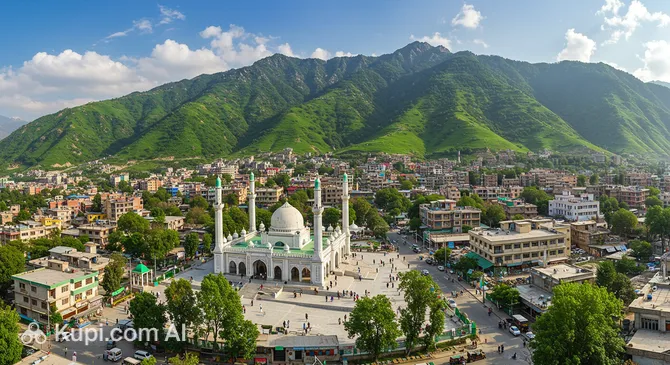
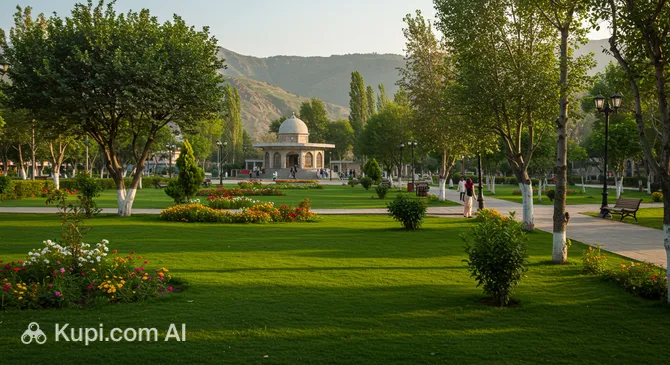
Abbottabad. Illustration.
Source: Kupi.com AI

The city lies at an altitude of about 1,250 meters above sea level, which ensures comfortable weather even during the summer heat. With a population of about 148,000 people, it remains an important administrative center of the Khyber Pakhtunkhwa province while maintaining a cozy and steady pace of life. To learn more about how this settlement developed, the history of Abbottabad, which is closely linked to the colonial past and the formation of the region, will be of help.

Abbottabad is often called the gateway to the famous mountain regions. It is from here that many tourist routes start towards such natural gems as the Nathiagali and Ayubia valleys. The picturesque mountain slopes and dense forests surrounding the city seem to invite you to go for a walk along forest trails or arrange a picnic with breathtaking panoramic views.

The atmosphere here is surprisingly harmonious: the friendliness of the local residents allows you to quickly feel at home. Abbottabad is an ideal place for a leisurely holiday, inspiring photographs, and new discoveries before traveling into the high mountains.
Weather Overview

The climate in this region can be described as humid subtropical, but due to the altitude above sea level, it is significantly cooler here than on the plains. Summer in the city is warm but rarely exhaustingly hot: the average temperature in June and July stays around 25°C, with maximum values reaching 31°C. However, the monsoon season should be taken into account—July and August are the rainiest months, when precipitation can occur up to 20–24 days per month.

Winter brings coolness and freshness. The coldest month is January, when the average temperature is about 6.7°C, and at night the air can cool down to 0.9°C. During this time of year, there is significantly less precipitation, although cloudy days still occur. Spring and autumn are considered some of the most pleasant periods for a visit: in April and October, a comfortable temperature around 18°C is established, ideal for long walks.

When planning your trip, expect a warm summer with frequent rains and a cool, relatively dry winter. To choose the best dates for your trip and avoid being caught in a downpour, you will find the detailed weather in Abbottabad by month very useful.

Average monthly temperature

Average monthly precipitation

Interesting Facts

In addition to the main attractions and picturesque views, Abbottabad holds many fascinating stories and features. This city, harmoniously combining colonial heritage and local color, is capable of surprising travelers with several curious facts.

  • The city is named after its founder, British Major James Abbott. Interestingly, he loved these places so much that before leaving, he wrote a moving poem titled \"Abbottabad\", in which he expressed his deep affection for this land, calling it the place where he left his heart.

  • Abbottabad is often called the \"City of Schools.\" There are a huge number of educational institutions here, including prestigious colleges and the Military Academy, which is why the literacy rate of the population here is considered one of the highest in all of Pakistan.

  • One of the best points for getting acquainted with the geography of the region is Shimla Hill Park. The hill got its name due to its similarity to the famous mountain resort of Shimla in India, and the view from its summit allows you to see the entire city lying in a bowl-shaped valley.

  • The historical Lady Garden Park is preserved in the city center, serving as a living reminder of the colonial era. Initially, it was created exclusively for European ladies to stroll, but today this open space serves as a popular holiday destination for all citizens, preserving its old layout and rare tree species.

Shimla Hill Park. Illustration.
Source: Kupi.com AI

Traveler photos:

How to Get There

When planning a trip to this picturesque corner, it is worth thinking about the route in advance, as there is no direct air connection to the city itself. You can find all the details and alternative options by following the link: how to get to Abbottabad in the most convenient way.

There is no airport in the city of Abbottabad itself, so most tourists fly into neighboring large cities. The most popular and closest option is Islamabad International Airport (ISB), located in the country's capital. It is about 78 km from Abbottabad. The journey by taxi or bus will take about 2 hours 20 minutes, and thanks to the modern Hazara Motorway, the trip will be quite comfortable.

Another possible option is arriving at Bacha Khan International Airport (PEW) in the city of Peshawar. It is located further away, at a distance of about 159 km from Abbottabad. A trip from here will take more time—approximately 4 hours 20 minutes by car. This route may be convenient if you are planning a journey through the western part of the region.

For clarity, here is a summary of the main airports:

AirportPassenger trafficDistance
Islamabad International Airport6 mln78 km
Srinagar International Airport4.4 mln145 km
Bacha Khan International Airport1.3 mln159 km
Sialkot Airport800 000210 km
Gilgit Airport35 550219 km

Rail travel is also a popular way to move around the country; however, it should be noted that there is no railway station in the city of Abbottabad itself. The nearest major transport hub is Rawalpindi Railway Station (RWP), located in the city of Rawalpindi, about 65 km from the destination. From the station, Abbottabad can be reached by taxi or shuttle bus in about 2 hours.

Below is information about the nearest railway station:

StationPassenger trafficDistance
Rawalpindi Railway Station5.5 mln65 km

Main Attractions

Attractions:

Abbottabad is famous for its picturesque views and cozy atmosphere, which is perfect for leisurely walks. The city offers tourists a harmonious combination of natural beauty and historical sites where you can take a break from the hustle and bustle and enjoy the fresh mountain air.

One of the city's most famous landmarks is Shimla Hill Park. This hill, covered with dense pine forests, offers a breathtaking panorama of the entire Abbottabad valley. People come here for the tranquility, the cool breeze, and the opportunity to have a picnic with a view of the city, which from here seems to lie in a huge green bowl. This is an ideal place for those who want to take beautiful photos or simply be alone with nature without traveling far from civilization.

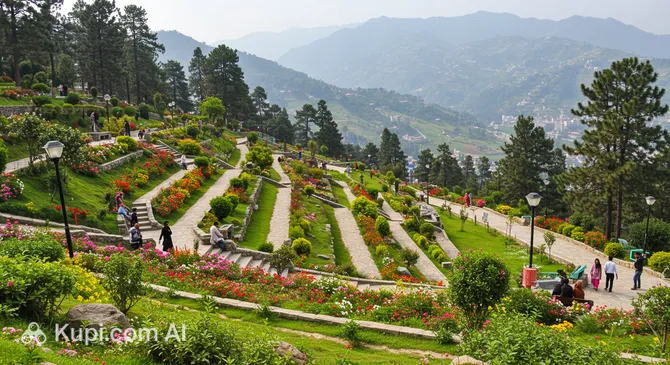
Lady Garden Public Park. Illustration.
Source: Kupi.com AI

Traveler photos:

In the very heart of the city lies the historical Lady Garden Park. Founded during the colonial era, it has retained its old-world charm and remains a favorite holiday destination for both locals and tourists. Here you can stroll along well-kept alleys, admire flower beds and rare trees brought here many years ago. The park is excellent for family walks and getting acquainted with the city's heritage in a relaxed setting.

For those who want to dive into the modern rhythm of life in Abbottabad and do some shopping, Jadoon Plaza Phase 2 is worth a visit. This shopping complex is one of the centers of city activity, where you can find clothing stores, souvenir shops, and various cafes. It is pleasant to spend an evening here after excursions, get acquainted with local fashion, and try popular snacks in a comfortable environment.

Local Cuisine

The culinary traditions of Abbottabad are a vibrant blend of Pashtun and Northern cuisine that will surprise you with a variety of flavors and aromas. Dishes here are prepared from the freshest local products with a generous addition of spices. The region's signature dish can be called saag—a thick dish made from spinach and herbs—as well as juicy charcoal-grilled mutton. On cool mountain evenings, locals and tourists warm up with hearty stews and fragrant soups, which are prepared here with special skill.

Street food occupies an important place in the city's life and is an integral part of the local flavor. While walking through the markets, be sure to try the crispy samosas with savory fillings, which are often served with refreshing mango and mint chutney. Meat delicacy lovers will enjoy the local kebabs and traditional pulao, which often has raisins and nuts added for a sweet note. Another delicacy to look for in street stalls is fried fish caught in clean mountain rivers.

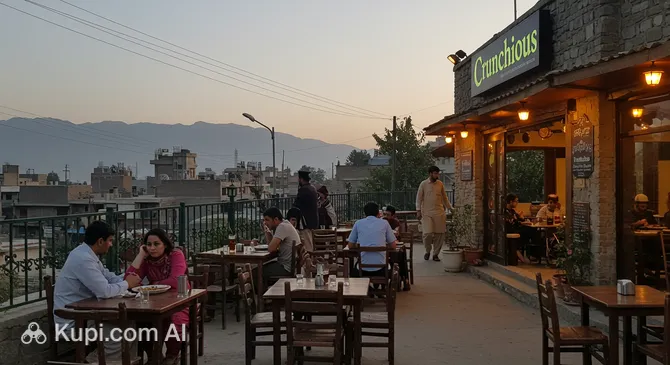
Crunchious. Illustration.
Source: Kupi.com AI

Traveler photos:

For those with a sweet tooth, Abbottabad has prepared its own temptations. Look for the bright orange spirals of jalebi soaked in syrup, and the delicate milk and cream dessert—ras malai. As for drinks, the absolute favorite is hot tea with milk and spices (doodh patti or masala chai). This drink is not only invigorating but also warms you up perfectly after long walks on the picturesque hills. Alcohol is practically not found in open sale due to the country's cultural and religious traditions.

The dining culture here is diverse: from busy street stalls to cozy establishments. If you are looking for a place for a comfortable lunch, you can stop by the Crunchius restaurant, which offers a varied menu. Food Planet is also popular and suitable for family gatherings. And for those who just want to relax in a quiet setting, Urban Cafe & Restaurant opens its doors.

The city's farmers' markets are a real paradise for foodies, where you can always find fresh seasonal fruits, vegetables, and nuts. Gastronomic festivals are regularly held here, allowing travelers to dive deeper into the culinary secrets of the region and try unique seasonal treats from local chefs.

Travel Tips

A trip to Abbottabad promises to be comfortable and memorable if you consider a few local features in advance. This city, known for its tranquility and high level of education, is friendly to guests, but following simple rules will help you find a common language with the residents more quickly and avoid awkward situations.

  1. Clothing and dress code. Pakistan is a country with conservative traditions, so it is recommended to wear modest clothing. Men are better off choosing trousers and shirts, avoiding short shorts, while women should prefer loose outfits that cover shoulders and knees; a light scarf or shawl will always come in handy for visiting religious sites. Given the changeable weather in the foothills, be sure to bring comfortable shoes for the hilly terrain and a warm sweater for cool evenings.
  2. Transport. The most popular and affordable way to move around the city is by auto rickshaws (tuk-tuks) and taxis. Public transport is represented by small vans (Suzuki) that run on fixed routes, but they are often overcrowded. For more comfort, you can use taxi-hailing apps (such as Careem or inDrive) that operate in major cities in the region, or agree on a price with the driver of a regular car in advance.
  3. Finances. The official currency is the Pakistani rupee (PKR). Although large hotels and some restaurants (for example, in the Jadoon Plaza area) may accept cards, cash is the main method of payment here. ATMs are available in the city center and at bank branches, but it is always better to have a supply of small bills for markets and tips. Tipping is not mandatory but welcomed (about 5–10% of the bill).
  4. Health and safety. Abbottabad is considered one of the safest and calmest cities in the country. However, standard precautions should be observed: do not walk alone in unlit areas at night and keep an eye on personal belongings. Drink only bottled water and avoid drinks with ice in street cafes. Pharmacies are common in the center, and many of them stay open late.
  5. Communication and connection. The official language is Urdu, but thanks to the large number of educational institutions, many locals, especially young people, understand and speak English well. For mobile communication and internet, it is better to purchase a local SIM card (Jazz, Telenor, or Zong) at the official offices of the operators; a passport is required for registration. Wi-Fi is available in most hotels and decent cafes.
  6. Local etiquette. A greeting is usually accompanied by the phrase \"Assalam-o-alaikum.\" Handshakes are accepted between men; for men, it is better to greet women verbally with a hand to the heart unless they offer their hand first. Be sure to remove your shoes when entering a house or mosque. Food is customarily taken and passed only with the right hand.
  7. What to avoid. Abbottabad is a city with a strong military presence (the Military Academy is located here). It is strictly forbidden to photograph military sites, checkpoints, people in uniform, and government buildings—this can lead to serious problems with the police. Also, you should not photograph local women without their explicit permission.
  8. Useful tip. If you want to bring home something special, look for the local dried fruits and nuts the region is famous for, or handmade wooden items. The best prices and freshest products can be found at traditional bazaars, where polite bargaining is appropriate.

Following these simple recommendations will make your stay in Abbottabad easy and pleasant. The locals appreciate respect for their culture and in return will surround you with sincere hospitality, turning the trip into a warm memory.

Entertainment & Nightlife

Entertainment and nightlife:

The nightlife in Abbottabad differs significantly from the usual European format. You won't find noisy night clubs, discos, or bars serving alcohol here, as Pakistan is a country with strict Muslim traditions. Evening leisure in the city primarily consists of gastronomic pleasures, leisurely walks through busy shopping streets, and cozy gatherings in tea houses and cafes. Life slows down quite early, but until midnight, the central districts remain active and safe.

The center of evening activity is the Jadoon Plaza area and the surroundings of Mansehra Road. This is where young people and families concentrate for an evening promenade. One of the main points of attraction is Jadoon Plaza Phase 2. This is not just a shopping complex, but a real meeting place: in the evening, the lights come on, numerous snack bars open, and the air is filled with the aromas of spices and grilled meat. Tourists come here to feel the rhythm of the city, buy souvenirs, and try local desserts.

Urban Cafe & Restaurant. Illustration.
Source: Kupi.com AI

Traveler photos:

If you are looking for a place with a pleasant atmosphere where you can spend the evening over a cup of coffee or a non-alcoholic cocktail, it is worth checking out Urban Cafe & Restaurant. This establishment is popular for its modern interior and diverse menu. Local intellectuals and students often gather here, background music plays, and the setting encourages long conversations. It is a great alternative to typical bars, with an emphasis on quality food and communication.

Fans of shopping and a more Europeanized holiday will enjoy the Italian Mall. In the evening, this building is beautifully illuminated, and inside there are brand-name clothing stores and food courts. This is one of those places where you can comfortably spend time with the whole family, away from the street bustle.

Atmosphere and dress code:
The public in evening establishments behaves discreetly and friendly. The style of clothing is casual, but respecting local standards of modesty (shoulders and knees covered). In high-end restaurants and shopping centers, you can see locals in elegant traditional shalwar kameez suits. The dress code is relaxed, but revealing clothing would be inappropriate.

Practical tips:

  • Time: The liveliest time is from 19:00 to 23:00. Most establishments close after midnight.
  • Safety: Central streets and shopping center areas are safe for evening walks. However, avoid dark alleys and the outskirts. For moving around at night, it is better to use taxis or rickshaws, which are easy to catch near the main shopping points.
  • Prices: The average check for dinner in a good cafe will be about 1,000–2,000 Pakistani rupees per person. You can eat significantly cheaper in street cafes.

Daytime entertainment in Abbottabad is more focused on nature and quiet relaxation. During daylight hours, tourists visit picturesque parks, go on small hikes in the surrounding hills, or play golf on the city's famous courses. The cultural program may include viewing colonial architecture and visiting local bazaars, which bustle with life during the day in a completely different way than in the evening.

Parks & Museums

Abbottabad, nestled in the greenery of pine forests and surrounded by majestic hills, offers tourists excellent opportunities for outdoor recreation. Although the city does not abound with large museum complexes, its cultural heritage is carefully preserved in historical buildings, and natural areas serve as the main points of attraction for those seeking solitude and beauty.

Among the green zones, Shimla Hill Park holds a special place. While life is buzzing in other parts of the city, silence reigns here, broken only by the sound of the wind in the treetops. This space is ideal not only for picnics but also for hiking enthusiasts: winding paths lead through a pine forest, offering healthy physical activity and the opportunity to enjoy the purest ionized air.

In the very center of the city's hustle and bustle lies Lady Garden Park. This is a true botanical oasis where you can see rare species of ornamental plants and century-old trees planted during the British period. The park serves as an excellent example of how the city preserves its \"green lungs,\" providing residents and guests with a space for quiet walks among flower beds and well-kept lawns.

Another important natural attraction is the area around the Ilyas Mosque (Ilyasi Masjid). Although it is primarily a religious site, the surrounding territory with natural springs and ponds attracts many visitors. The cool water and the shade of huge plane trees make this place a salvation on hot summer days, creating a unique atmosphere of combined spirituality and nature.

As for museums, Abbottabad's cultural scene is rather intimate. The main guardian of history is the Abbott Museum, located in the old town hall building. The exhibition here is small but rich: it tells about the formation of the city, its colonial past, and the ethnography of the Khyber Pakhtunkhwa region. Here you can see old photographs, household items, and documents related to the city's founder, James Abbott.

History buffs will also find it interesting to look at the city as an open-air museum. Colonial-era architecture, such as St. Luke's Church, built in 1864, represents an important cultural monument. These buildings, preserved in excellent condition, allow you to touch the atmosphere of the 19th century and understand how the unique appearance of this mountain garrison was formed.

For those looking for off-the-beaten-path trails, we recommend walking along the roads lined with old plane trees in the Cantonment area. In autumn, these alleys turn into a golden corridor, which will become an ideal background for atmospheric photos and give a sense of complete peace.

Getting Around

The transport system in Abbottabad has its own unique color, typical of many cities in a country like Pakistan. You won't find a metro or trams here—the entire urban rhythm is set by road transport. The city is stretched along the main artery, Mansehra Road, around which the main logistics of movement are built. For a tourist, this means the need to master local traffic rules and payment methods.

The most accessible and common type of public transport is the small shuttle vans, known among locals as \"Suzuki.\" They run along the main streets and connect the center with the suburbs. There is no clear schedule, and stops often happen on demand. This is the cheapest way to get from point A to point B, but be prepared for crowded conditions, as the vehicles are often full.

For trips over short and medium distances, auto rickshaws (tuk-tuks) are the ideal choice. These maneuverable three-wheeled carts are able to drive where a normal car would get stuck. A rickshaw ride is an adventure in itself, allowing you to feel the pulse of the city. It is important to remember that meters are not used here, so the cost of the trip must be agreed upon with the driver strictly before boarding. Moderate bargaining is not only appropriate but expected.

If you prefer comfort and predictability, we recommend using mobile taxi services. The inDrive and Careem apps work in the city and allow you to call a car without needing to explain the route in Urdu or bargain. The price is fixed in the app, which eliminates the risk of overpayment for foreigners. This is perhaps the safest option for evening trips.

Payment for travel in any type of transport is made exclusively in cash. Bank cards are not accepted in shuttle vans or taxis, so be sure to exchange money into small bills before heading out. Rickshaw and van drivers often do not have change for large banknotes.

Abbottabad is quite a green city, and the Cantonment area with its wide avenues is perfect for walking. However, in the old part of the city and near the bazaars, sidewalks may be occupied by goods or absent altogether. Be extremely careful when crossing roads: traffic here is chaotic, and pedestrians are rarely given the right of way.

Accommodation

Accommodation options in Abbottabad are quite diverse and capable of satisfying the requests of most travelers. The city, being a popular mountain resort and transit point, offers a wide range of housing: from inexpensive guesthouses and small motels to comfortable middle-class hotels and cozy resort complexes. It is difficult to find ultra-luxury five-star chain giants here, but it is quite possible to find a decent room with modern amenities and a picturesque mountain view.

When choosing a place to stay, you should pay attention to the location. The most convenient area for tourists is the zone along the main transport artery—Mansehra Road. The main infrastructure, shops, and restaurants are concentrated here, and from here it is easy to get to any point in the city. For those looking for silence and the atmosphere of the old city, options in the Cantonment area are suitable, where the streets are wider, greener, and quieter. Hotels located on the hills around the city, which offer the best panoramas, are also popular.

Hotel City Center. Illustration.
Source: Kupi.com AI

Traveler photos:

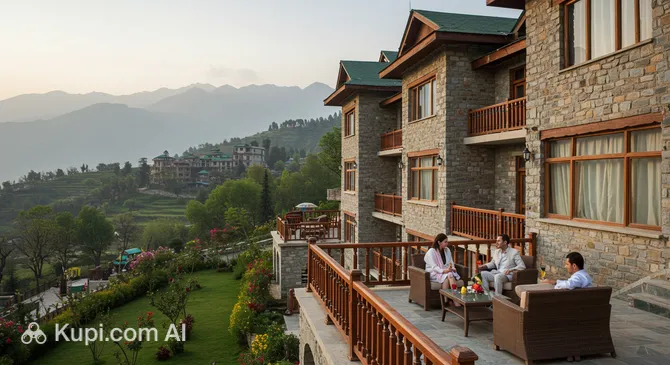
Among the specific examples of quality accommodation, the City Centre Hotel is worth highlighting. This establishment belongs to the category of resort hotels and offers guests a high level of comfort, making it an excellent choice for a family holiday or a business trip. The presence of such places allows tourists to recover their strength in a pleasant environment after long walks in the foothills.

Booking tips:

Abbottabad is a popular destination for domestic tourism, especially during the summer months when residents of the plains escape the heat here. Therefore, if you are planning a trip between May and August, it is strongly recommended to book accommodation in advance (at least 2–3 weeks). In the winter season, demand drops, and finding a vacant room upon arrival becomes much easier.

The price range varies from budget (1,500–3,000 PKR per night) to medium and high (from 6,000 to 15,000 PKR and above). Large hotels are represented on international booking platforms; however, many small guesthouses only work through direct calls or local Pakistani services. Keep in mind that when checking into small hotels, cash payment is often required, so have a sufficient amount in local currency with you.

Nearby Cities

For those who want to explore the surroundings, Abbottabad serves as an excellent starting point for day trips to several interesting nearby places. The city's convenient location on the Karakoram Highway allows for easy access to both bustling metropolises and historical centers of the region.

Just an hour's drive away is Islamabad—the modern capital of Pakistan. It is a city of wide avenues and lush parks, strikingly different from most other settlements in the country. It is worth visiting the majestic Faisal Mosque, located at the foot of the Margalla Hills, and climbing to the Daman-e-Koh viewpoint, which offers a stunning view of the city. Islamabad is ideal for a quiet cultural holiday, shopping in modern malls, and visiting museums such as the Lok Virsa Museum.

Right next to the capital is Rawalpindi, often called Islamabad's \"twin city,\" but possessing a completely different character. It is a noisy, historical city with narrow streets, colonial architecture, and huge bazaars like Raja Bazaar. A trip here will allow you to plunge into the authentic atmosphere of old Punjab, try traditional street food, and see the life of the local population in all its glory.

For history and nature lovers, an interesting destination is Mingora, located in the picturesque Swat Valley. Although the journey will take a bit longer, this city attracts tourists with its rich archaeological heritage from the Buddhist era and its famous emerald mines. Mingora serves as a gateway to the mountain region, offering travelers a unique combination of cultural monuments and breathtaking landscapes.

CityPopulationDistance
Mansehra69 08518 km
Muzaffarabad96 00031 km
Bhurban32 km
Murree20 86933 km
Haripur49 31835 km

These nearby destinations provide an insight into the diverse culture and landscapes of the region, from modern capital life to the ancient traditions of mountain valleys.

Shopping & Souvenirs

Shopping in Abbottabad is a fascinating immersion into local culture, where modern retail spaces exist alongside bustling traditional bazaars. The city is not a major fashion hub, but here you can find quality goods at pleasant prices, unique handicrafts, and experience the authentic atmosphere of Eastern trade.

For those who prefer comfort and modern conditions, Jadoon Plaza Phase 2 is an excellent choice. This popular shopping complex is a center of attraction for both locals and tourists. Clothing, shoe, and accessory stores are concentrated here, where you can buy both traditional Pakistani outfits and Western-style items. Numerous cafes are located around the plaza, making it a convenient place for family holidays.

Another notable location is the Italian Mall. This building stands out for its architecture and offers visitors a diverse assortment of goods. In the evening, the mall is beautifully illuminated, creating a pleasant atmosphere for strolling and shopping. Here you can find high-quality textiles, gifts, and home goods.

However, the true spirit of the city lives in its traditional bazaars, the main one being the Main Bazaar. It is a labyrinth of narrow streets filled with the aromas of spices and bright colors. This is the place to go for fabrics: Pakistan is famous for its cotton and silk, and the choice of colors for tailoring shalwar kameez here is simply enormous. Also, pay attention to the warm woolen shawls, which are indispensable in the cool climate of the foothills.

As souvenirs from Abbottabad, people most often bring back gastronomic treats. The region is famous for its excellent dried fruits and nuts: walnuts, almonds, dried apricots, and pine nuts are always fresh here and cost less than in the major cities. Lovers of unique items will enjoy the products of local craftsmen—carved wooden boxes and handmade embroidery.

When planning your purchases, remember that in shopping centers prices are usually fixed, while in markets and small shops bargaining is not only appropriate but encouraged. Most transactions are made in cash (Pakistani rupees), so take care to exchange money in advance, as bank cards are not accepted everywhere.

Reached the end of the page?

That means the route is fully explored