Support

Peshawar Museum

About

If you are looking for a place where the history of ancient civilizations comes to life, the Peshawar Museum is a must-see on your itinerary. Located in the city of Peshawar, this cultural hub is rightfully considered one of the most significant and richest collections of antiquities that Pakistan has to offer.
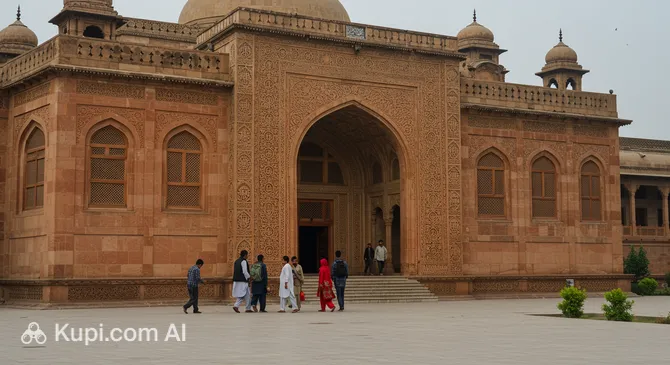
Peshawar Museum
Peshawar Museum. Иллюстрация. Источник: Kupi.com AI

The museum is world-famous primarily for its exceptional collection of Gandharan art. Here, unique artifacts are gathered under one roof, telling the story of a time when Buddhism flourished in these lands, creating a unique synthesis of Eastern traditions and classical influence.

The building itself is a true architectural masterpiece from the early 20th century. Built of red brick in an eclectic style combining British colonial motifs with exquisite Mughal-style decor, its monumentality is impressive even before you step inside. Fine wood carvings and vaulted ceilings create an atmosphere of solemnity and deep respect for the past.

Contacts

To inquire about special exhibitions or group tours, you can contact the museum administration using the details provided below.

How to contactContact
AddressSaddar Road opposite Governor House Peshawar & Civil Secretariat، 2H55+47P, Finance Department, Civil Secretariat, Peshawar, Pakistan
Phone+92 91 9210985
Websitewww.kparchaeology.com

What to Do

The main draw for visitors is the Gandhara Gallery. It houses one of the world's finest collections of Buddhist sculptures, including detailed bas-reliefs depicting scenes from the life of Buddha, exquisite Bodhisattva statues, and rare coins. Examining these exhibits, one can trace how Hellenistic canons of beauty influenced local art.

Beyond the Buddhist heritage, the museum halls display rich ethnographic collections. You can see traditional costumes from various tribes of the Khyber Pakhtunkhwa province, antique weapons, jewelry, and everyday items. The Islamic halls, with their calligraphic masterpieces and rare manuscripts, are of particular interest.

Architecture lovers should note the building's interior. High arches and carved details serve as a beautiful backdrop for photos. The museum often hosts educational exhibitions and lectures that allow for a deeper understanding of the complex and multifaceted heritage of this crossroads of cultures.

Getting There

Finding your way to the museum is easy, as it is located on Saddar Road, right across from the Governor House in the heart of the city. This central area is well-known to any taxi driver or local resident.

If you are arriving at Peshawar International Airport, a taxi ride will take only 15–20 minutes. You can also use rickshaws or ride-hailing services, which are popular and affordable ways to get around the city.

For those who prefer public transport, there are bus stops near the museum complex and the Civil Secretariat. Thanks to its convenient location, a visit to the museum can easily be combined with a walk through other historical quarters and markets in central Peshawar.

Ближайший город: Peshawar

History & Facts

The history of this majestic building began in 1907. Originally, it was built as a memorial to celebrate Queen Victoria's Golden Jubilee and was named Victoria Hall. Funding for its construction was raised by both British authorities and local rulers, highlighting the shared interest in preserving the region's heritage.

The museum's architectural style is a unique fusion. Elements of British colonial architecture are clearly visible, harmoniously intertwined with traditional Mughal and Sikh details. The red brick and white trim make the facade a recognizable and grand symbol of the city.

Over the years, the collection grew so rapidly that new halls had to be added to the main building. Today, the museum is not just a repository of antiquities but an active participant in international scientific research, showcasing Gandharan treasures in exhibitions worldwide and maintaining its status as one of South Asia's premier cultural institutions.

Time Needed

To see the main exhibitions without rushing, an average visitor will need 2 to 3 hours. This is enough time to walk through the main halls and appreciate the craftsmanship of the ancient Gandharan sculptors.

For those with a serious interest in archaeology, Buddhist history, or ethnography, a full day may be required. The abundance of fine details on the bas-reliefs and the rich collection of Islamic manuscripts deserve a longer stay at each display case.

Working Hours

The museum doors are open to guests throughout the week, except for one day off. You can plan your visit during the following hours:

  • Monday — Thursday: 9:00 – 17:00
  • Friday: Closed
  • Saturday — Sunday: 9:00 – 17:00

Please note that the schedule may change during public or religious holidays, so it is worth checking for the latest information before your trip.

DayWorking hours
Понедельник9:00 – 17:00
Вторник9:00 – 17:00
Среда9:00 – 17:00
Четверг9:00 – 17:00
ПятницаЗакрыто
Суббота9:00 – 17:00
Воскресенье9:00 – 17:00

Nearby

After immersing yourself in ancient history within the museum's halls, it's worth taking time to explore the surroundings, which are literally steeped in the atmosphere of the old city. Peshawar is one of the oldest inhabited cities in the region, and every turn here can reveal a historical gate or an ancient fortress.

A walk through the nearby streets will allow you to see the old city gates that once protected Peshawar and the majestic forts towering over the urban landscape.

NameDistance
Kabuli Gate, Qissa Khwani Bazaar1 km
Bala Hisar Fort1.2 km
Mahabat Khan Mosque1.4 km
Jinnah Park1.4 km
Cunningham Clock Tower1.6 km
Khalid Bin Waleed Park1.7 km
Sethi House Museum1.9 km

Reached the end of the page?

That means the route is fully explored