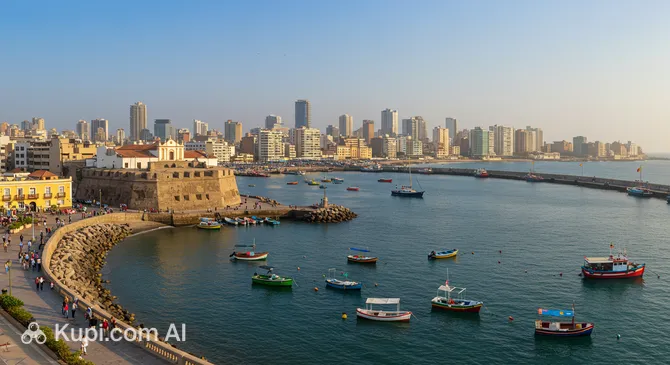
Callao is the pulsating heart of Peru's maritime trade and one of the most significant ports on the Pacific coast of South America. The city virtually merges with majestic Lima, located just 10 kilometers from its center, yet it retains its own unique identity. Here, the industrial power of vast shipyards and warehouses stands alongside charming historic quarters, where the history of Callao comes to life in colonial architecture and maritime traditions.
Callao. Illustration.
Source: Kupi.com AI
Geographically, the city is situated in the arid coastal belt, which defines its climate with high humidity and frequent fog. With a population of over 1.1 million, Callao is a dynamic metropolitan area that never sleeps. It is a place of contrasts: from the rugged port docks to the picturesque La Punta peninsula, famous for its calm atmosphere and Italian heritage.
Tourists are drawn here not only for boat trips but also for revitalized art spaces like the Monumental Callao project, which has transformed old streets into an open-air gallery. We invite you to discover this "fortress city," which served as the country's main gateway for centuries and continues to be its most important transport and cultural hub.
Weather Overview
The climate in Callao is defined by its location on the Pacific coast and the influence of the cold Humboldt Current. This creates unique weather conditions where extreme heat is a rarity, and humidity almost always remains high. A characteristic feature of the local sky is cloud cover and sea fog, known as "garúa," which often blankets the city during the cool season.
Typical weather in Callao ranges from mild summers with average temperatures around +21°C...+23°C (January-March) to cool winter months when the thermometer drops to +15°C...+17°C (July-September). Precipitation is extremely scarce here, as the region belongs to the arid coastal belt, so rain most often takes the form of a light drizzle that does not require an umbrella.
If you are planning a visit, the best time is from December to April, when the sun breaks through the clouds more often and the ocean water warms up to comfortable levels. During the rest of the year, the city takes on a melancholic, misty appearance, which lends the historic quarters and port docks a special cinematic charm but requires light warm clothing to protect against the damp wind.
Average monthly temperature
Average monthly precipitation
Interesting Facts
Callao was founded by the Spanish conquistador Francisco Pizarro in 1537, just two years after the founding of Lima.
It is not just a part of the capital, but a unique administrative unit—the Constitutional Province of Callao, which holds a special status within the state structure.
During the colonial era, the port was so wealthy and vital that galleons loaded with gold and silver from across the Inca Empire departed from here for Spain.
The main air gateway to Peru—Jorge Chávez International Airport—is located here, meaning that for most travelers, their introduction to the country begins in this city.
Callao is the birthplace of the famous Salsa Callao dance style, and the local residents, who call themselves "chalacos," are renowned for their passion for music and football.
How to Get There
Transport accessibility in Callao is among the best in the region, as the city serves as the main gateway to Peru. The majority of international tourists arrive in the country via the international aviation hub, which is geographically located right here. You can study all the ways to get to Callao in advance to plan a comfortable transfer to your hotel or to the center of neighboring Lima.
The main airport for not only the city but the entire capital metropolitan area is Jorge Chávez International Airport. It is located in close proximity to residential and business districts. The central areas are usually reached by taxi or official transfers, taking between 20 to 40 minutes depending on the traffic density, which can be quite significant in this part of the country.
Since Callao is primarily a port city, rail service here is focused mainly on freight transport. However, a developed road network and proximity to major highways make it easy to move between the port, the airport, and other parts of the capital region by bus or hired car.
Main Attractions
The main attractions of Callao are inextricably linked to its maritime soul and historical past. Unlike the museum-like atmosphere of Lima, the interest here lies primarily in the coastal areas and boardwalks, where you can feel the breath of the ocean and see the city in its true, port-side form.
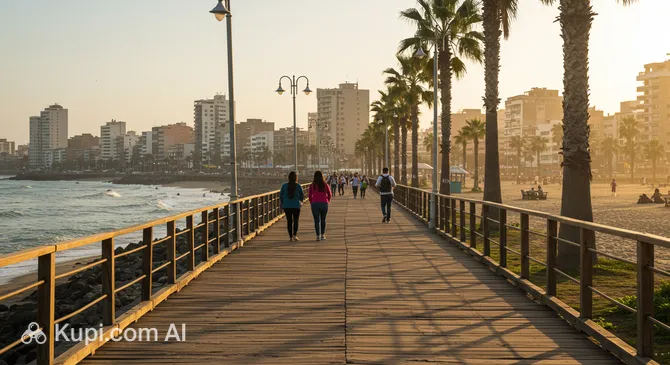
The La Punta Boardwalk, Callao is particularly popular. This is a picturesque district on a narrow peninsula that retains the atmosphere of old Europe. It’s a pleasant place to stroll among mansions from the early 20th century, enjoy the sea breeze, and watch the yachts. It is one of the safest and most well-maintained areas of the city, perfect for leisurely relaxation.
La Punta Boardwalk, Callao. Illustration.
Source: Kupi.com AI
Traveler photos:
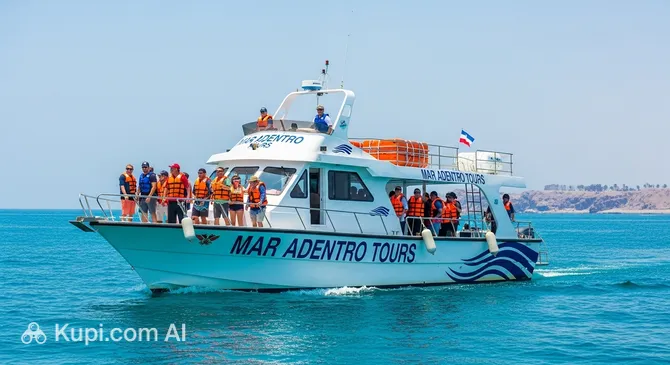
For lovers of active recreation and nature, Mar Adentro Excursions are a must. These boat trips take you to the nearby Palomino Islands, where you can see colonies of sea lions and unique birds in their natural habitat. It is an unforgettable experience that allows you to view Callao from the perspective of the open ocean.
Mar Adentro Tours. Illustration.
Source: Kupi.com AI
Traveler photos:
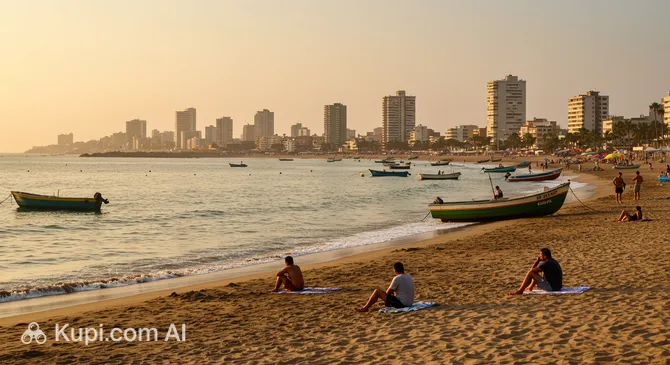
If you are looking for a classic beach getaway, check out Cantolao Beach. Although the shore here is pebbly, it is a popular spot for swimming and water sports due to its calm waters, protected from strong currents. The beach is surrounded by cozy cafes where you can grab a bite after a dip in the water.
Cantolao Beach. Illustration.
Source: Kupi.com AI
Traveler photos:
Local Cuisine
The gastronomy of Callao is a true hymn to the Pacific Ocean. Thanks to its status as the largest port, the city offers the freshest seafood found in the region. Local cuisine blends maritime delicacies with traditional Creole recipes, creating a unique flavor that residents proudly call the pride of the country.
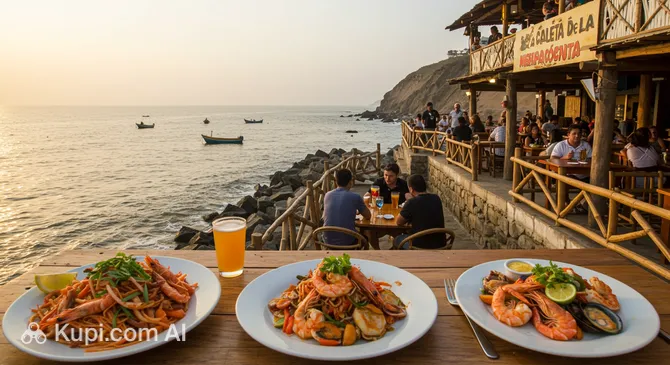
The main dish you must try is ceviche. In Callao, it is prepared from freshly caught fish marinated in lime juice with spicy rocoto pepper and red onion. It is also worth ordering Chicharrón de Calamar (fried squid) or Arroz con Mariscos—fragrant rice with an abundance of seafood. To enjoy these flavors in a cozy setting, you can visit the restaurant La Caleta de la Punta, famous for its fish dishes.
La Caleta De La Punta. Illustration.
Source: Kupi.com AI
Traveler photos:
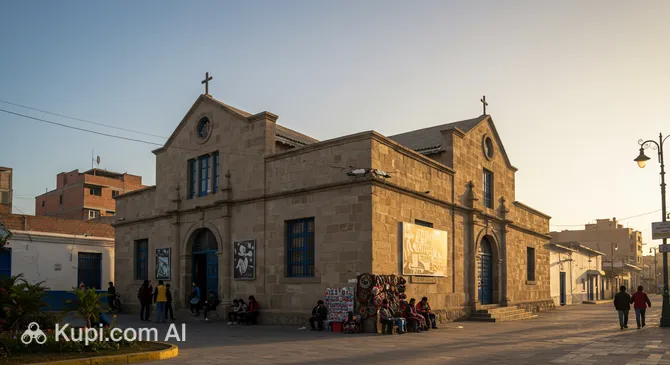
The food culture here is diverse: from simple port-side eateries (cevicherías) operating mainly in the first half of the day, to elegant establishments like Konamu Bellavista. In such places, you can try not only maritime classics but also Nikkei (Peruvian-Japanese) cuisine. For drinks, be sure to try the refreshing Chicha Morada made from purple corn or the famous Pisco Sour cocktail.
Conamu Bellavista. Illustration.
Source: Kupi.com AI
Traveler photos:
Travel Tips
We are happy to welcome you to Callao! To ensure your introduction to Peru's main port goes smoothly and leaves only pleasant impressions, we have prepared a few practical tips.
Clothing and Essentials: The coastal zone is often foggy and damp, especially from May to October. We recommend dressing in layers and bringing a light windbreaker. Comfortable shoes are a must for walking around La Punta.
Transport: The safest and fastest way to get around is by licensed taxi or ride-hailing apps. Avoid random trips on overcrowded minibuses if you are unfamiliar with the route.
Finances: The official currency is the Peruvian Sol. Cards are accepted in hotels and large shopping centers, but for payment in cevicherías and markets, be sure to have cash.
Health and Safety: Stick to tourist zones (La Punta, Monumental Callao). Avoid walking in sparsely populated port and industrial areas, especially after sunset. Drink only bottled water.
Communication: The primary language is Spanish. English is spoken in hotels and the airport, but knowing a few phrases in the local language ("Hola," "Gracias") will greatly help in communicating with residents.
Local Etiquette: Peruvians are friendly people. A greeting when entering a shop or restaurant is considered a standard courtesy. Tipping in restaurants is usually around 10%.
What to Avoid: Do not display expensive electronics or jewelry on busy streets outside of tourist zones. Avoid photographing naval installations in the port without special permission.
Additional Tip: Try to get to Callao in the first half of the day to enjoy the freshest ceviche—most specialized fish eateries close by the evening.
May your journey be filled with bright discoveries and the spirit of ocean adventures!
Entertainment & Nightlife
Nightlife in Callao is more point-specific, as the main entertainment clusters are concentrated in neighboring districts of the metropolitan area. Nevertheless, there are vibrant spots here where you can spend an evening in pleasant company, enjoying live music and local flavor.
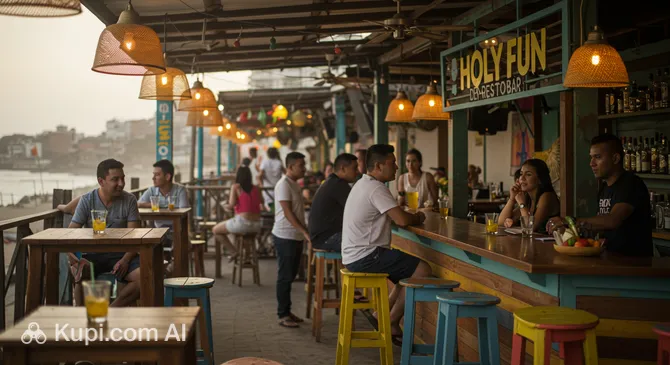
For those looking for atmospheric venues, Holy Fun Restobar is worth a visit. This popular spot combines the functions of a restaurant and a bar, offering guests excellent cocktails and modern music. Another interesting option is Santoku Sushi Bar, where the calm setting and quality cuisine make for a truly relaxed evening.
Holy Fun Restobar. Illustration.
Source: Kupi.com AI
Traveler photos:
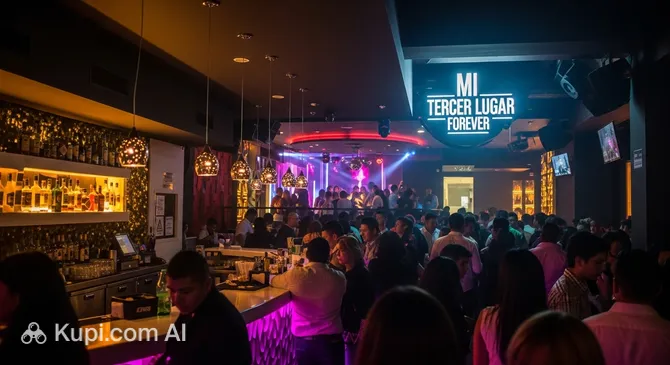
If you are in the mood for a more energetic outing, you can drop by Mi Tercer Lugar Forever—a club with a lively atmosphere that attracts both locals and tourists. Generally, when planning night walks, it is best to stick to proven routes and use ride-hailing apps for a safe return to your hotel. During the day, the city offers excellent opportunities for walking along the boardwalks and visiting cultural centers in the historic quarters.
Mi Tercer Lugar Forever. Illustration.
Source: Kupi.com AI
Traveler photos:
Parks & Museums
The cultural and natural heritage of Callao is closely intertwined with its maritime history. Despite the dense urban development, there are iconic places here that allow for a deeper understanding of the country's history and provide a chance to enjoy walks in the fresh air.
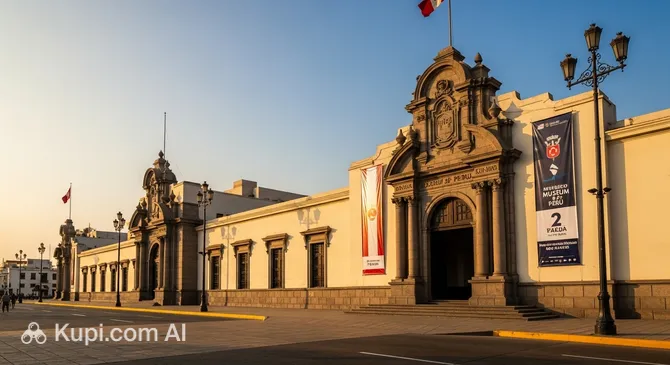
The absolute leader among cultural sites is the Naval Museum of Peru. The museum's exhibition covers a vast period—from pre-Hispanic times to the present day—featuring ship models, ancient navigational instruments, and personal belongings of famous admirals. This site will be of interest not only to history buffs but to anyone wanting to see how the sea shaped the character of this region.
Naval Museum of Peru. Illustration.
Source: Kupi.com AI
Traveler photos:
There aren't as many green zones in the city itself as in the center of Lima, so residents and tourists particularly value the boardwalks of the La Punta peninsula. This space serves as the main city park, where well-kept squares transition smoothly into promenade areas by the water. For larger-scale walks through gardens and parks, travelers usually head to neighboring districts of the capital; however, the historic charm and tranquility of La Punta make it a unique oasis within the port metropolis.
Getting Around
The public transport system in Callao is a dense network typical of a large Latin American metropolis. The main means of transport here are buses and minibuses (combis), which connect the port and airport with all districts of Lima. However, it should be noted that during peak hours, transport can be heavily overcrowded, and road traffic slows down due to the large number of trucks heading to the port.
For tourists, the most reliable and predictable way to get around remains the taxi. Using official services or popular mobile apps (such as Uber or Cabify) significantly simplifies navigation and increases safety. Payment on buses is usually made in cash to the driver or conductor, so it is always useful to have small coins on hand.
Active construction of a new metro line is currently underway, which is expected to directly connect Callao airport with the center of Lima, significantly simplifying logistics for travelers in the future. For now, when planning trips, try to allow extra time for potential traffic jams, especially if you need to catch a flight at Jorge Chávez International Airport.
Accommodation
The hotel stock in Callao is primarily geared toward transit travelers, business people, and those who want to be as close to the airport as possible. You won't find massive "all-inclusive" beach resorts here, but there is a wide selection of practical city hotels and mid-range apartments.
The most popular area for staying is the zone in the immediate vicinity of Jorge Chávez International Airport. Major international chain hotels offering a high level of comfort and security are located here. For those who prefer a more authentic atmosphere, cozy guesthouses in the La Punta district are a great choice, offering views of the ocean and historic yacht clubs.
It is recommended to book accommodation in advance, especially in chain hotels near the airport, as demand here remains consistently high year-round. Modern apartment rentals through online services are also popular in Callao, which can be a more budget-friendly alternative to classic hotels. When choosing a place to stay, it is worth looking at reviews regarding the safety of the neighborhood and proximity to major transport links.
Nearby Cities
Thanks to its location, Callao is an ideal starting point for exploring the central coast of Peru. Since the city is effectively part of a massive capital metropolitan area, most interesting destinations are very close, allowing for rich one-day trips.
The most important neighbor is Lima, which can be reached in literally half an hour. The capital offers an endless array of museums, colonial squares, and trendy districts like Miraflores or Barranco. For those seeking a quieter atmosphere and wanting to see suburban life, Chosica is of interest—a cozy town in the foothills of the Andes, where coastal residents often go for sun and fresh air.
You can also head to places like Sisa or Huaycán to get acquainted with the daily life and local architecture of the region. These trips will allow you to see a diversity of landscapes: from the misty ocean shore to arid mountain valleys.
The city's surroundings hide many interesting locations, and we sincerely recommend not limiting yourself to the port area, but boldly exploring neighboring cities and districts, each possessing its own unique character.
Shopping & Souvenirs
Shopping in Callao is primarily practical, offering modern retail spaces for daily needs and a few colorful spots for finding local goods. The city is perfect for stocking up on essentials before further travel across the country or for picking up something useful while waiting for a flight.
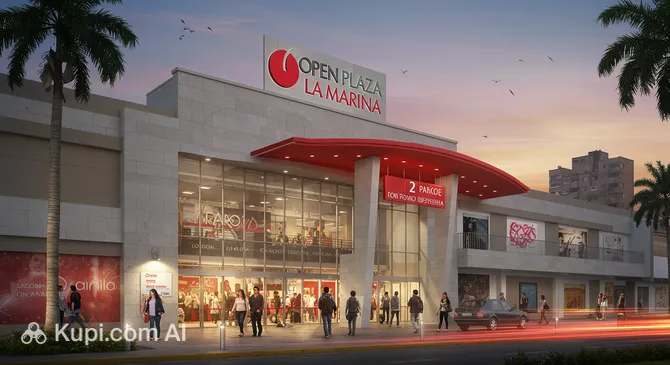
Major shopping centers are best for comfortable shopping. Open Plaza La Marina is a modern complex featuring both international brands and popular Peruvian clothing and footwear labels. You can also find food courts and entertainment zones here, making it a convenient spot for family outings.
Open Plaza La Marina. Illustration.
Source: Kupi.com AI
Traveler photos:
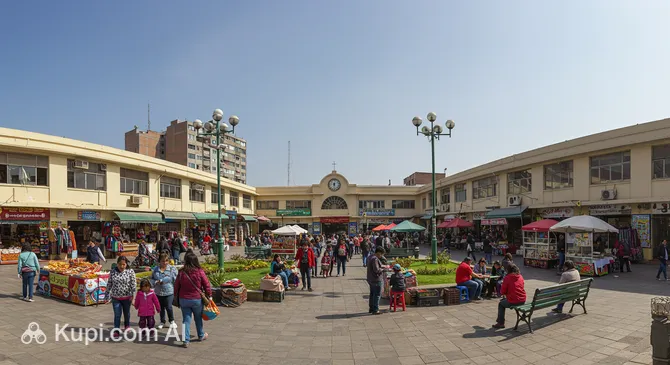
Another important retail point is Market Square Bellavista. This space combines shopping opportunities with supermarkets where you can buy high-quality local products: coffee, chocolate, or traditional sweets. If you are looking for souvenirs, look for alpaca wool products or ceramics, which are often found in shops within the malls.
Market Square Bellavista. Illustration.
Source: Kupi.com AI
Traveler photos:
Shops in Callao generally operate from 10:00 to 21:00 or 22:00. Large centers accept international bank cards, but at smaller markets, it is better to have cash in the local currency (soles). Tax Free refunds for foreign tourists are possible in some certified stores upon presentation of a passport.