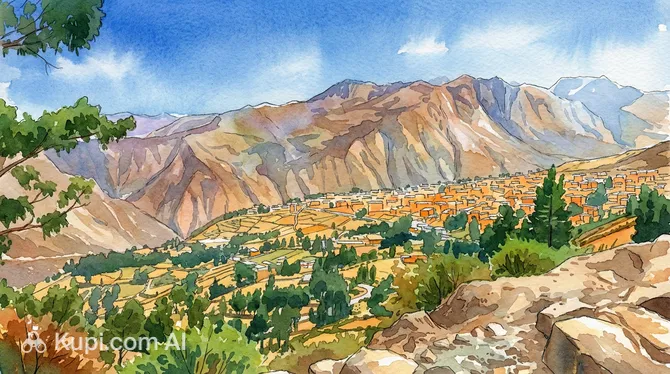
Oyón is a stunning corner of Peru, tucked away high in the Andes. The city serves as the capital of the province of the same name in the Lima region and sits at an impressive altitude of about 3,620 meters above sea level. Its atmosphere is steeped in the authentic spirit of the highlands: quiet narrow streets, traditional houses, and a leisurely pace of life create a sense that time has slowed down here.
The city's geographical location makes it an important administrative and cultural center for the surrounding communities. With a population of approximately 12,150 people, Oyón maintains the character of a cozy provincial hub surrounded by majestic mountain landscapes. This place is ideal for travelers looking to escape the hustle and bustle of metropolises and immerse themselves in the rich history of the region and its traditions.
Oyon. Illustration.
Source: Kupi.com AI
One of the main features of Oyón is its role as a "gateway" to the untouched nature of the northern Lima region. Tourists are drawn here by the opportunity to see the authentic way of life of the Andean people, enjoy the pure mountain air, and explore picturesque valleys. A visit to this city is an invitation to peaceful contemplation and the discovery of the true, non-touristy beauty of the Peruvian Andes.
Weather Overview
The climate in Oyón is determined by its high-altitude position and is classified as cool Andean. At this height, the air is always fresh, and the weather can change rapidly. If you are planning a trip, we recommend checking the weather in the city in advance to choose your wardrobe correctly.
The typical weather pattern includes a dry and clear season from June to September, when days are sunny with temperatures reaching +12...+18°C, while nights are harsh and cold, often with frosts below 0°C. The rainy season lasts from November to April; during this period, precipitation becomes frequent and heavy, especially in March (up to 286 mm), and the sky is often covered in fog.
The optimal time for travelers to visit is considered the period from May to October, when the probability of clear skies and dry weather is highest. The average temperature throughout the year stays at around +7°C, so warm clothing and sun protection (due to high solar activity in the mountains) will be necessary at any time of year.
Average monthly temperature
Average monthly precipitation
Interesting Facts
Oyón is one of the highest administrative centers in the Lima region, situated at an altitude of 3,620 meters above sea level.
The province, of which the city is the capital, was officially established relatively recently — on November 5, 1986.
Administratively, the Oyón province is divided into 6 unique districts: Oyón, Andajes, Caujul, Cochamarca, Naván, and Pachangara.
The population density in the province is extremely low — only about 11 people per square kilometer, which helps preserve its untouched nature.
The city's coordinates (10°40′ S and 76°46′ W) make it a strategic hub on the route between the coast and the deep regions of the Central Andes.
How to Get There
The transport accessibility of Oyón is determined by its high-altitude location in the Andes. Land travel from the capital of Peru remains the primary and most popular way to reach the city. If you are planning a trip, detailed information about routes can be found in the section on how to get to Oyón.
Regular bus services depart from Lima, particularly from northern terminals such as Gran Terminal Terrestre. The journey takes between 6 to 8 hours and follows the PE-18 highway. The road is a scenic but challenging series of switchbacks, offering breathtaking views of the mountain ranges. It is recommended to choose morning departures to enjoy the panoramas and arrive before dark.
In addition to direct buses from the capital, Oyón can be reached by local minibuses (colectivos) from nearby towns in the Lima region, such as Huaura or Cajatambo. These small buses run daily and are an affordable means of transport for locals and budget travelers. Life in the mountains has its own rules, so keep in mind that road conditions can depend on the weather.
Station
Passenger traffic
Distance
Desamparados station
7
155 km
Estación de Jauja
1
186 km
Main Attractions
The main treasure of Oyón is its magnificent nature. The city is surrounded by impressive Andean peaks that serve as a perfect backdrop for walks and hiking. The settlement itself is like a living open-air museum: a stroll through its central square and quiet streets allows you to feel the atmosphere of a traditional mountain village, where every house and every turn reveals new views of the rugged yet beautiful mountain slopes.
In the city's surroundings, there are interesting rural areas such as Cochamarca and Naván. Here, you can see traditional farms and pastures where locals manage their land just as their ancestors did many decades ago. This is a wonderful opportunity to get acquainted with the daily life of the Peruvian Andes and see the process of growing local crops in high-altitude conditions.
For more active travelers, Oyón's proximity to the borders of the Huánuco and Pasco regions opens up paths to hidden mountain lakes and trails rarely trodden by mass tourists. Although there are few major architectural landmarks in the city itself, its value lies in its pristine nature and the opportunity to take a true journey "deep" into the country.
Local Cuisine
The culinary traditions of Oyón are closely linked to ancestral heritage and the resources of the Andean land. The diet here is based on potatoes, corn, and quinoa, which are grown on local high-altitude terraces. The region's main gastronomic highlight is pachamanca — meat and vegetables slow-cooked in an earthen pit on hot stones. This dish has a unique aroma of smoke and earth and is usually prepared for special occasions.
Fish lovers should try the local trout (trucha), caught in the province's clear mountain rivers. It is often served fried with a side of golden potatoes and salad. Local eateries also serve traditional hearty soups, including those made with alpaca meat, which are perfect for warming up in the cool highland climate.
As for drinks, a must-try in Oyón is mate de coca — an infusion of coca leaves that helps cope with altitude sickness symptoms. On festive days, chicha de jora — a traditional fermented corn drink — is popular. To experience the true taste of Oyón, it is best to head to the local market, where simple stalls serve fresh and honest home-cooked food.
Travel Tips
Preparing for a trip to the high-altitude Oyón requires special attention, and our tips will help make your journey as comfortable and safe as possible.
Acclimatization and health: The city is located at an altitude of 3,620 meters. Be sure to set aside time for acclimatization, drink plenty of clean water, and avoid heavy food and alcohol in the first few days. Herbal tea made from coca leaves (mate de coca) is excellent for helping manage altitude sickness symptoms.
Clothing: Weather in the mountains is changeable. Even if the sun is shining during the day, nights in Oyón are very cold. Bring a warm jacket, thermal underwear, a hat, and reliable shoes with good grip for walking on uneven terrain.
Finances: International bank cards are practically not accepted in the city, and ATMs may be absent or out of service. Carry a sufficient supply of cash in Peruvian soles.
Transport: The most convenient way to move around the city is by mototaxi. If you plan a trip to the surroundings, use local buses (colectivos), but keep in mind that schedules can be flexible.
Communication: The main language is Spanish; English is hardly spoken here. Learn a few basic phrases in Spanish or download an offline translator. Locals are very friendly if you greet them in their language.
Local etiquette: In the Andes, it is customary to greet even strangers when meeting on a trail or in a narrow alley. Respect private property and always ask for permission before taking photos of locals in national costumes.
What to avoid: Do not plan trips on mountain switchbacks after dark or during heavy rains (November to April). Also, do not ignore your body's signals of discomfort at high altitude.
Connectivity: Wi-Fi is only available in some hotels. For reliable communication, it is better to buy a SIM card from a local operator (such as Claro or Movistar) while still in Lima.
By following these simple rules, you will be able to fully immerse yourself in the atmosphere of the Andes and get only the most pleasant impressions from visiting Oyón!
Entertainment & Nightlife
Entertainment in Oyón is primarily contemplative and peaceful in nature. There are no noisy nightclubs or neon bar signs; instead, the city offers something more valuable — silence and an incredible starry sky that feels surprisingly close at high altitude. A popular evening pastime among locals and visitors alike is relaxing in the central square, where you can observe the life of the community.
Daytime leisure is focused on ecotourism and outdoor activities. The surrounding valleys are ideal for organizing open-air picnics or spotting Andean wildlife. For those who want to dive deeper into the local culture, it is worth checking the local festival calendar — during holidays, the streets come alive with folk music, dancing, and vibrant national costumes.
Safety in the city is high, and evening walks through the central areas are quite comfortable. If you plan on moving around late at night, it is better to arrange a ride with a taxi or mototaxi driver in advance, as transport is less frequent during the night hours. Oyón is a place for those who appreciate solitude and harmony with nature.
Parks & Museums
In Oyón, classic city parks and museums are replaced by nature itself. The main "green zone" for residents and tourists alike is the surrounding valleys and mountain slopes, which serve as natural park spaces. Here, you can spend hours walking among endemic Andean vegetation, enjoying the silence and views of snow-capped peaks.
While there are no major museum complexes in the city, the role of history keeper is often taken by the local town hall or small community centers, where temporary exhibitions dedicated to the province's history and traditional crafts may be held. The city's main cultural wealth is concentrated in its architecture and everyday rituals, which are themselves a living display of Andean culture.
We recommend paying attention to the natural attractions of the province's rural districts. A trip toward settlements like Cochamarca can replace any natural history museum, allowing you to see the flora and fauna of the highlands in their natural habitat. This is the best way to get to know the true spirit of the region without museum display cases.
Getting Around
The transport system in Oyón is simple and adapted to the needs of a small mountain town. The main means of getting around the city streets are mototaxis (three-wheeled rickshaws). They are maneuverable, inexpensive, and allow you to quickly reach any point in the settlement. It is better to agree on the fare with the driver in advance, as meters are typically not used here.
For trips to neighboring districts of the province and nearby villages, residents use minibuses known as colectivos. They depart as they fill up and connect Oyón with places like Andajes or Caujul. Intercity communication is provided by large buses that depart daily from the terminal toward Lima and back.
Oyón itself is quite compact, so many tourists prefer to get around on foot, which also helps with the altitude acclimatization process. Bicycle or car rentals are practically non-existent in the city, so for long-distance individual trips, it is better to arrange for a private taxi driver. Remember that mountain roads require experience driving in challenging conditions.
Accommodation
Accommodation in Oyón is geared toward travelers who value simplicity and authenticity. The main stock of lodging consists of small guest houses (hostales) and family-run pensions. Most of them are concentrated in the city center, within walking distance of the main square and transport stops.
A typical accommodation option in the city is a modest room with basic amenities. Prices for lodging here are very affordable, usually ranging from 20 to 50 Peruvian soles per night. One of the better-known places is Hotel Oyón, which offers a standard set of services for resting after long mountain treks.
Since the choice of hotels in the city is limited, it is recommended to book accommodation in advance, especially if your trip coincides with local holidays or festivals. During other times of the year, rooms are usually available, but calling the owners ahead of time will help ensure a more comfortable welcome.
Nearby Cities
The city of Oyón serves as an excellent starting point for exploring the lesser-known but equally exciting corners of the Andean highlands. The city's surroundings are rich in small settlements that have preserved their original charm and traditions.
Just 34 kilometers away is the town of Yanahuanca, which is also famous for its mountain landscapes and cozy atmosphere. Another interesting destination for a trip could be Cerro de Pasco — one of the highest cities in the world, known for its mining history. The journey there takes about an hour and a half, and you can see how a large industrial center functions at an altitude of over 4,000 meters.
For those ready for longer travels, a route to Huánuco is available. This city is located in a zone with a milder climate and offers tourists monuments of colonial architecture. Exploring nearby areas will allow you to fully appreciate the diversity of natural zones and the cultural heritage of this region of Peru.
Shopping & Souvenirs
Shopping in Oyón is primarily about exploring local markets and craft shops. The city does not have shopping malls in the traditional sense, but that is exactly what makes shopping here special. The central market is the heart of commercial life: here you can find the freshest products grown in the ecologically clean conditions of the Andes, including rare potato varieties and fragrant fruits.
The main souvenirs from Oyón are products made from alpaca wool and sheep wool. Local artisans handcraft warm ponchos, scarves, hats, and blankets with traditional patterns. These items are not only beautiful but also extremely functional in the harsh mountain climate. It is also worth looking for ceramics created by local craftsmen in the traditional style.
Shops in the city usually operate from early morning until evening, with a break for lunch. The primary and often only method of payment is cash in Peruvian soles, so it is worth taking care of currency exchange in advance. Going shopping in Oyón is a great opportunity to interact with local people and bring home a piece of authentic Peruvian coziness.