Support

Island Garden City of Samal

About

Island Garden City of Samal is a true gem of the southern Philippines, sprawling across Samal Island and several neighboring islets in the picturesque Davao Gulf. The city enchants with its harmony of tropical nature and laid-back island life: here, azure waters, white-sand beaches, lush coconut groves, and whimsical rock formations create an atmosphere of a secluded paradise.
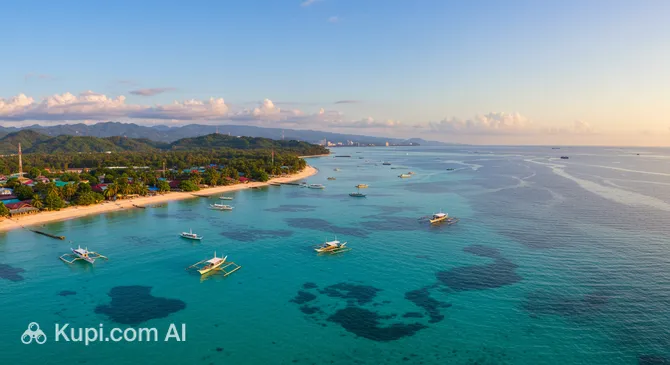
Island Garden City of Samal. Illustration.
Source: Kupi.com AI

Geographically, the Island Garden City of Samal is ideally located just a few kilometers from the major metropolis of Davao, making it easily accessible while still maintaining a feeling of being far from the urban hustle and bustle. The city is home to about 117,000 people. It occupies a significant part of Samal Island and includes a number of small islets, giving it a unique "archipelagic" structure and a special flavor.

Samal Island is famous for its magnificent vacation opportunities. Tourists are drawn to both luxury resorts with high levels of service and secluded beaches where one can enjoy peace and quiet. Popular activities include diving in crystal-clear waters, fascinating treks through tropical jungles, and visits to unique natural sites, such as the Monfort Bat Sanctuary.

The Island Garden City of Samal is the perfect place for those seeking a balance between active pastimes and complete relaxation in the heart of nature. This welcoming adventure island, as it is often called, will surely provide you with unforgettable impressions and is waiting for you to discover its unique beauty.

You can find more interesting facts on the history page of the Island Garden City of Samal

Weather Overview

In the Island Garden City of Samal, a typical tropical climate awaits you. Expect warm weather year-round: average monthly temperatures range from 25.7°C (January, February) to 27.2°C (May), with daytime highs reaching up to 30.3°C (April) and nighttime lows not falling below 23.0°C. Precipitation patterns involve frequent but often brief rains, with the lowest amount in March (averaging 4 mm) and the highest in June (averaging 9 mm). The number of rainy days per month is quite high, varying from 18 in April to 29 in October, indicating regular but not always heavy downpours.

For more detailed information about weather conditions and to plan your trip, check out the detailed forecast on the Climate of the Island Garden City of Samal page.

Average monthly temperature

Average monthly precipitation

Interesting Facts

Beyond its picturesque beaches and crystal-clear water, the Island Garden City of Samal hides many amazing stories and facts that make it a truly unique place. Ready to learn a few of them?

  • Island Garden City of Samal is the only city in the Philippines that officially bears the honorary title of "Island Garden." This title emphasizes its incredible natural wealth and commitment to environmental conservation.

  • On Samal Island, you'll find the famous Hagimit Cave, which captures the imagination with its whimsical stalactites and stalagmites and is also home to numerous bat colonies.

  • An annual unique Mangrove Tree Planting festival takes place here, during which locals and tourists join forces to plant mangrove trees, contributing to the preservation of the island's fragile ecosystem.

  • The city boasts one of the longest beaches in the Philippines – Alingag Beach, which stretches for over seven kilometers, offering endless space for walks and relaxation.

  • Local legends shroud the island in mystery: there are stories of ancient treasures supposedly hidden on one of the small islands of the archipelago, and of spirits guarding the centuries-old mangrove forests.

How to Get There

The most convenient way to reach the Island Garden City of Samal, located on the picturesque island of the same name, is by air followed by a short ferry crossing. There are no direct flights to Samal Island itself, so travelers usually fly to one of the airports on the neighboring island of Mindanao.

The main and most convenient option is Francisco Bangoy International Airport (DVO), which serves Davao City. This large international airport is located on the mainland, approximately 8.4 km in a straight line from the central part of the Island Garden City of Samal. Upon arrival at Davao airport, you will need to get to one of the ferry terminals (such as Sasa Wharf or Sta. Ana Wharf), from where ferries and boats depart for Samal Island. A taxi ride from the airport to the wharf usually takes 15-30 minutes. The ferry crossing to the Island Garden City of Samal itself takes from 10 to 45 minutes, depending on the chosen wharf on the island and the type of vessel.

Alternative airports to consider include General Santos International Airport (GES), located in General Santos City (approximately 122.5 km from the Island Garden City of Samal), or Laguindingan International Airport (CGY) in Cagayan de Oro (about 217.3 km). Traveling from these airports will require a longer overland transfer to the ferry wharves in Davao City (approximately 2.5-3 hours from General Santos and 4-5 hours from Cagayan de Oro), followed by the ferry crossing to the Island Garden City of Samal.

Since the Island Garden City of Samal is an island, the sea crossing from Davao City will be a key element of your route. It is recommended to check the ferry and boat schedules in advance, as this is the most popular and regular way to get to the island.

For clarity, here is a summary of the main airports that can be used for a trip to the Island Garden City of Samal:

AirportPassenger trafficDistance
Francisco Bangoy International Airport3.8 mln8 km
General Santos International Airport1.2 mln123 km
Awang Airport295 801167 km
Butuan Airport450 000206 km
Laguindingan International Airport2 mln217 km

Main Attractions

Island Garden City of Samal offers travelers not only a relaxed beach holiday but also unique natural phenomena, breathtaking views, and opportunities for active tourism. Here are a few key places that should definitely be included in your itinerary through this amazing corner of the Philippines.

One of the most unusual attractions is Vanishing Island. This is a sandbar in the Barangay Tambo area that completely lives up to its name: during high tide, it disappears underwater, leaving only the tops of mangrove trees and stilt cottages visible on the surface. During low tide, white sand is revealed, and tourists can walk ankle-deep in the water, collect starfish, or go snorkeling in the crystal-clear waters surrounding the shoal. It is an ideal place for those seeking solitude and wanting to take surreal photos in the middle of the sea.

Fans of panoramic views and hiking should conquer Mount Puting Bato — the highest point on the island, rising about 410 meters above sea level. The name translates as "White Stone" because of the limestone rocks characteristic of this area. The climb to the summit is accessible even for beginners and takes little time, and the reward is breathtaking 360-degree views: a panorama of the Davao Gulf, neighboring islands, and, if the weather is clear, the majestic silhouette of Mount Apo on the horizon will open up before you.

It is impossible to imagine a trip here without visiting Talicud Island, located very close to the main island. This is a true paradise for beach lovers and divers. Some of the region's best beaches, such as Isla Reta, with their soft sand and azure water, are located here. But Talicud's main treasure is hidden underwater: the famous Coral Garden Marine Park attracts divers and snorkelers from all over the world with its incredible biodiversity and colorful coral reefs preserved in their original state.

Local Cuisine

The gastronomy of Island Garden City of Samal is a delightful combination of traditional Philippine cuisine and an incredible abundance of the freshest seafood for which this island city is famous. Everyone will find a dish to their taste here, from simple street snacks to exquisite restaurant offerings, all with a unique island flair.

The main star of the local cuisine is undoubtedly the bounty of the sea. Be sure to try kinilaw – the Philippines' answer to ceviche, where fresh fish is marinated in vinegar with ginger, onions, and chili peppers. You should also enjoy giant prawns, fresh oysters, and mussels, which are often grilled or served in flavorful broths right in coastal cafes and restaurants. Don't miss the chance to try freshly caught fish cooked over coals – simple but incredibly delicious.

Street food and local markets are an integral part of the gastronomic experience on Samal. Here you can taste popular snacks such as fried bananas (banana cue or turon), fragrant chicken or pork skewers, and various local delicacies. In the markets, you'll find an abundance of exotic fruits: juicy mangoes, rambutans, and for the brave – the famous durian. Don't forget to try halo-halo – a refreshing and colorful dessert made of crushed ice, sweet beans, fruits, jelly, ice cream, and condensed milk, perfect for a hot day.

Among drinks, freshly squeezed tropical fruit juices are popular, especially mango and pineapple, as well as refreshing coconut water (buko juice) straight from a young coconut. Local beers are common alcoholic beverages. In some places, you can also find traditional drinks like tuba (palm wine).

The food culture on Samal is very diverse. Locals and tourists often eat in small family eateries known as carinderias, which serve home-cooked meals at affordable prices. Seaside restaurants offering fresh seafood with a sunset view are also popular. Markets and street stalls are places where you can grab a quick and inexpensive bite while immersing yourself in the local atmosphere. Sometimes the island hosts gastronomic festivals, such as the Seafood Festival, where you can appreciate the skills of local chefs.

Overall, the gastronomic scene of the Island Garden City of Samal attracts with its freshness, authenticity, and emphasis on the gifts of the sea. It is a true paradise for seafood lovers and those who want to get to know authentic Philippine cuisine in its island version. Whether it's a simple grilled dish or a complex dessert, the flavors of Samal will stay in your memory for a long time.

Travel Tips

Planning a trip to the charming Island Garden City of Samal? To ensure your journey goes smoothly and leaves only pleasant memories, we have prepared some practical tips. This information will help you better prepare and enjoy every moment on this beautiful Philippine island.

  1. Clothing and Essentials: The climate in the Island Garden City of Samal is tropical, hot, and humid all year round. Bring light, breathable clothing made from natural fabrics (cotton, linen). You will definitely need swimwear, a hat, sunglasses, and high-SPF sunscreen. Don't forget mosquito repellent, especially for evening walks. Comfortable shoes, such as sandals or aqua shoes, will be indispensable for the beach and active recreation. It is recommended to bring a universal adapter for electronics. In the Philippines, Type A and B sockets are predominantly used, and sometimes Type C is found. Type G is not standard for the country, so a universal adapter covering common types will be very useful.

  2. Island Transport: The main types of transport on Samal Island are tricycles (motorcycle taxis with a sidecar) and habal-habal (motorcycle taxis), which are ideal for short trips. Ferries and boats are used to move between different parts of the island or to the mainland (e.g., Davao). Renting a scooter can be a good option for exploring the island independently, but be careful on local roads. Public transport in the form of buses is less developed here.

  3. Financial Matters: The local currency is the Philippine Peso (PHP). It is recommended to have enough cash with you, as not all establishments, especially small shops and cafes, accept bank cards. It is better to exchange currency in Davao before traveling to the island or at the airport, as there are fewer exchange offices on Samal itself, and the rate may be less favorable. ATMs are available, but their number is limited and they may not be in all areas. Tipping is not strictly mandatory but is always welcome for good service (usually 5-10% of the bill in restaurants).

  4. Health and Safety: Bring a basic first-aid kit with necessary medications. There are pharmacies on the island, but the range may be limited. For serious medical assistance, you may have to go to clinics in Davao City. Be sure to take out travel insurance before your trip. Drink only bottled water. The Island Garden City of Samal is considered a fairly safe place for tourists, but always follow basic precautions: keep an eye on your belongings, do not leave valuables unattended on the beach, and avoid walking in unlit areas after dark.

  5. Communication and Language: The official languages in the Philippines are Filipino (Tagalog) and English. English is widely spoken, especially in the tourism sector, so there should be no problems with communication. Nevertheless, a few phrases in the local language, such as "Salamat" (Thank you) or "Magandang araw" (Good day), will be appreciated by the locals. A SIM card with internet access can be purchased at the airport or at mobile phone shops. Wi-Fi is available in most hotels and some cafes, but the speed can be unstable.

  6. Local Etiquette and Customs: Filipinos are very hospitable and friendly. A smile and polite address will help establish contact. It is customary to say hello and goodbye. Respect local traditions and customs. For example, when visiting homes or some establishments, you may be required to take off your shoes. Always ask for permission before photographing locals. Avoid public displays of anger or loud arguments, as this is considered impolite.

  7. What to Avoid: Try not to publicly criticize local ways, culture, or religion. Avoid engaging in arguments on political topics. It is also important to remember that the Philippines has very strict drug laws, so avoid any situations related to them.

  8. Additional Tip – Explore Nature: Island Garden City of Samal is famous for its beautiful beaches, clear water, and rich underwater world. Be sure to set aside time for snorkeling or diving, visit Hagimit Falls and the Monfort Bat Sanctuary. The island offers many opportunities for ecotourism and enjoying pristine nature.

We hope these tips help you plan the perfect trip to the Island Garden City of Samal. We wish you an unforgettable vacation full of vivid impressions and the tropical charm of this amazing corner of the Philippines!

Entertainment & Nightlife

Island Garden City of Samal, known for its beautiful beaches and natural beauty, offers tourists a fairly pleasant evening life, albeit more calm and relaxed than in major metropolises. Nighttime entertainment here is mainly concentrated around beach areas and resorts, creating a laid-back atmosphere for relaxation after an eventful day.

The foundation of the nightlife in Island Garden City of Samal consists of numerous bars, especially beach bars, where you can enjoy a cocktail to the sound of the waves and light music – from lounge to popular local and international hits. Many restaurants, especially those located on the shore or at hotels, offer dinner with a picturesque view and often accompany it with live music. There are few full-fledged nightclubs in the European sense here; rather, these will be bars with an opportunity to dance. The atmosphere in these establishments is usually very casual, and the dress code is everyday or beachwear. Most places are open until midnight, and some may work longer, especially during the peak season. The crowd is mixed – both tourists and locals.

While specific "hotspots" may change, main evening activity usually concentrates along popular beaches and in areas with a high density of resorts, for example, in the vicinity of Babak or Peñaplata. To find something to your liking, we recommend walking through these zones in the evening. For a quiet rest, it's better to come by sunset, and if you want a more lively setting – after 9:00 PM. Prices in local establishments are quite moderate, though they may be higher within major resorts. The main transport at night are tricycles and motorcycle taxis (habal-habal); always agree on the fare in advance. You can also call for transport through your hotel reception.

As for specific establishments, their popularity can change, so it's always useful to check out fresh reviews or ask for advice on the spot. However, you are sure to find attractive options. Look for places like "Sunset Vibe Bars," where you can watch the sunset with a drink in hand, or "Island Grill & Tunes" style restaurants offering seafood and live music. Many resorts also have their own lounge areas or bars with an evening program for their guests.

Island Garden City of Samal is generally considered a safe place for tourists. Evening walks along the main tourist zones and lit beaches are usually comfortable. Nevertheless, it's worth following standard precautions: keep an eye on your belongings and avoid poorly lit, deserted alleys. To call for transport at night, it is most reliable to contact the hotel reception or the establishment where you are relaxing.

During the day, Island Garden City of Samal offers plenty of opportunities for active recreation and exploring nature. This includes, of course, relaxing on magnificent beaches, snorkeling and diving at coral reefs, exploring caves like the famous Monfort Bat Sanctuary, or trips to waterfalls. Many tourists rent boats for sea excursions around the island. There are few classic theaters or large museums on the island, as the main focus is on natural attractions and beach relaxation.

Parks & Museums

Island Garden City of Samal, a charming island city in the Philippines, attracts travelers primarily with its stunning natural landscapes, pristine beaches, and rich underwater world. Although there may not be as many traditional museums here as in major metropolises, the island offers unique opportunities to experience nature and local culture through its parks, sanctuaries, and picturesque corners.

Among the green zones and natural attractions of Samal Island, several places particularly stand out. Hagimit Falls is a true oasis of coolness, where cascades of water flow down the rocks, forming natural pools ideal for swimming. This is a popular spot for family vacations and picnics. Another iconic natural attraction is the Monfort Bat Sanctuary, which is listed in the Guinness World Records thanks to its huge colony of fruit bats. An excursion here allows you to see this amazing natural phenomenon and learn more about the importance of these creatures to the ecosystem. Of course, one cannot fail to mention the island's numerous beaches, such as Kaputian or the beaches on neighboring Talicud Island, which are natural parks in themselves for relaxation, swimming, and snorkeling.

As for museums and cultural sites, on Samal they have their own specifics. There are few traditional historical or art museums here. However, cultural immersion is possible through other interesting places. For example, the famous Pearl Farm Beach Resort, located on the site of a former pearl farm, not only offers luxury relaxation but also preserves elements of its history, and its architecture reflects local motifs. For lovers of marine nature, the Giant Clam Sanctuary will be of interest, where you can see these amazing creatures in their natural habitat and learn about conservation efforts. This is more of an eco-tourism and educational center than a museum, but it makes an important contribution to understanding the region's marine biodiversity.

The historical heritage of the island is not as widely represented by monumental structures as in other parts of the Philippines. However, the very atmosphere of the local fishing villages, the traditional way of life, and the hospitality of the residents are a living reflection of Samal's culture and history. For a more authentic experience, it is worth straying from the main tourist routes, exploring the island's interior, or chatting with the locals, who will happily share stories and traditions of their homeland. Visiting local markets can also be an interesting cultural experience, allowing you to get acquainted with local products and crafts.

Getting Around

Getting around Island Garden City of Samal is possible via several types of transport adapted to the island's character. Public transport here has its own peculiarities, offering tourists an authentic experience of local life.

The main and most colorful forms of transport are tricycles (motorcycles with sidecars) and jeepneys. Tricycles are ideal for short trips around the city and its surroundings; they can be found almost everywhere. Payment is made in cash directly to the driver, and it's better to agree on the price before the trip begins, especially if you are traveling on a non-fixed route. Jeepneys are bright, converted vehicles that run on specific routes and are a budget way to travel longer distances within the island. Fare in a jeepney is also paid in cash to the conductor or driver.

For longer trips across the island or between major settlements in the Island Garden City of Samal, small buses or minibuses (V-Hires) are also used. They usually depart as they fill up from impromptu terminals or stops. More remote or hard-to-reach areas can be reached by habal-habal – motorcycles whose drivers offer taxi services. Fares for these types of transport are also typically paid in cash.

Given that Island Garden City of Samal is an island, ferries and boats (bangka) play a vital role in the transport system. They provide communication both between different parts of the island itself and with the mainland, particularly with Davao City. Ferry crossings operate regularly, and tickets can be purchased at the ticket offices at the piers. This is not only a means of transport but also an opportunity to enjoy sea views.

The payment system for public transport in Island Garden City of Samal is predominantly cash-based. It is recommended to have small bills with you. As a rule, there are no specialized travel cards or mobile apps for paying fares here. Transport starts running from early morning until evening. At night, the number of trips may be limited, and tricycles may operate at a higher rate.

As an alternative to public transport, tourists often choose to rent motorcycles or scooters, which gives greater freedom of movement around the island. Bicycle rentals are also popular for exploring beaches and the immediate surroundings. Taxi services in the traditional sense may be limited; their role is often performed by the same tricycles, which can be hired for an individual trip.

Accommodation

In the Island Garden City of Samal, known for its beautiful beaches and natural beauty, tourists will find a variety of accommodation options for every taste and budget. It features luxury resort complexes with a full range of services, as well as more affordable mid-range hotels, cozy guesthouses, and budget hostels. Renting private villas and apartments is also popular, especially for family vacations or large groups.

Most popular housing options are concentrated along the coast, offering easy access to beaches and water activities. When choosing a place to stay, you should pay attention to its proximity to ferry crossings if you plan frequent trips to the mainland, as well as to the island's main attractions. Many resorts are located in secluded bays, providing guests with a quiet and relaxing holiday.

Samal Island is home to many well-known resorts and hotels offering a high level of service and comfort. While specific names may vary depending on your preferences and travel dates, you will easily find options with excellent reviews and a full set of amenities, from swimming pools and spas to restaurants and tour organization. It is recommended to study reviews from other travelers to find the most suitable option.

When planning a trip to the Island Garden City of Samal, especially during the peak tourist season (usually the dry months and holiday periods), it is recommended to book accommodation in advance. This not only guarantees the availability of rooms in your preferred hotel or resort but also often allows you to take advantage of better deals and early booking discounts.

The price range for housing in the Island Garden City of Samal is quite wide: from budget options for thrifty travelers to luxury offers for those seeking maximum comfort. You can book your stay through popular online platforms and travel aggregators, as well as directly on the websites of hotels and resorts. Some small guesthouses may accept bookings via phone or email.

Nearby Cities

For those looking to explore the surroundings, the Island Garden City of Samal serves as an excellent starting point for day trips to several interesting nearby locations. For example, Davao City, a bustling metropolis and the largest city on the island of Mindanao, is only a few kilometers away and offers many activities: from visiting the Philippine Eagle Center and Eden Nature Park to exploring the rich culture and, of course, tasting the famous durian. A bit further away is Tagum, known as the "City of Palms" and the "Music Capital of the South." It attracts tourists with its colorful festivals, well-kept parks, and unique atmosphere. Below is a list of some cities that may also be of interest for short trips:

CityPopulationDistance
Davao City1 776 94912 km
Panabo209 23023 km
Maco83 23732 km
Lupon66 97939 km
Tagum296 20239 km

These nearby destinations allow for a more complete picture of the diverse culture, history, and natural beauty of the Davao region, complementing the impressions of staying on Samal Island.

Shopping & Souvenirs

Island Garden City of Samal, being a charming resort island, offers opportunities for buying authentic souvenirs, local crafts, and fresh produce rather than classic shopping in large malls. The city is famous for its handmade products, quality beachwear, and unique local delicacies that will serve as an excellent reminder of your trip to the Philippines.

Main retail outlets in Island Garden City of Samal are concentrated in small shops and colorful stalls. They can be found near popular beach areas, as well as in the central parts of the island's small settlements like Babak and Peñaplata. It is here that tourists can discover a variety of goods from local artisans reflecting the island's culture and nature.

You won't find large modern shopping centers, familiar to residents of metropolises, on Samal Island. Shopping here is more local and intimate, which gives it a special charm. If you need a wider range of goods and brand-name stores, it's worth considering a trip to the neighboring, larger Davao City, which can be easily reached by ferry.

An important and integral part of the shopping culture on the island are the local markets. For example, Babak Public Market, along with markets in other areas of the island, offers a rich selection of the freshest exotic fruits, among which the famous durians and mangosteens particularly stand out. You can also purchase fresh seafood, vegetables, local sweets, and various snacks here. In addition to food, markets often sell inexpensive clothing and household items.

As souvenirs from the Island Garden City of Samal, it's worth bringing back elegant items made of shells and pearls. When buying pearls, it's recommended to be careful and, if possible, consult to ensure their authenticity. Woven products – baskets, bags, hats made by local craftsmen – are also popular. Look out for batik, local aromatic coffee, dried fruits, and, of course, various sea-themed trinkets. T-shirts and other clothing with island symbols will also make a great gift.

Most small shops and market stalls on Samal Island are usually open to visitors from the morning, around 8:00-9:00 AM, and work until evening, closing around 6:00-8:00 PM. Some souvenir shops catering to tourists may extend their working hours, especially at the height of the tourist season. As for payment methods, most small retail outlets and markets prefer cash (Philippine Peso). Credit cards may be accepted in larger hotels and some shops, but it is recommended to always have enough cash with you for convenience.

The Tax Free refund system in the Philippines generally functions, but its application in small shops and markets of the Island Garden City of Samal is unlikely. The possibility of a tax refund is usually relevant when making large purchases in certified stores located in the country's major cities. Tourists planning significant spending should clarify Tax Free information directly at the points of purchase.

Reached the end of the page?

That means the route is fully explored