Support

Tagum

About

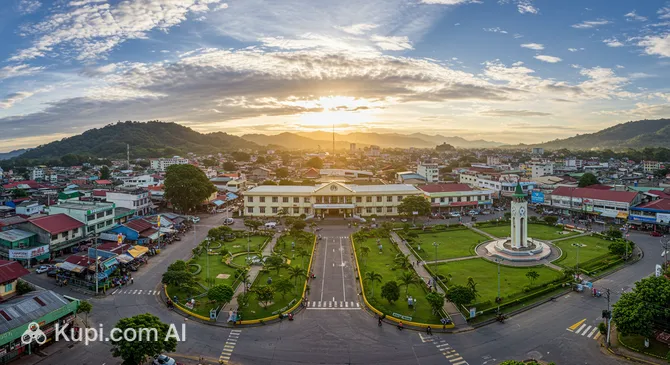
Tagum is a vibrant and fast-growing city located in the province of Davao del Norte on Mindanao Island, part of the Philippines. Known for its cleanliness, lush greenery, and friendly atmosphere, it is often called the "Palm City" and the "Music Capital of the South."

Tagum. Illustration.
Source: Kupi.com AI

As the provincial capital, Tagum, with a population of about 296,000 people, is a key commercial, agricultural, and educational hub in the region. The climate is tropical—hot and humid throughout the year—typical of this part of Southeast Asia. The city is developing rapidly, offering modern amenities while preserving its unique culture and natural beauty.

Key attractions in Tagum include the majestic Christ the King Cathedral, one of the largest and most impressive modern cathedrals in Mindanao. The Tagum City Hall also draws attention with its unusual architecture. The city is famous for its numerous festivals that reflect the rich cultural heritage and creative spirit of its residents.

Tagum offers travelers a unique opportunity to immerse themselves in vibrant Philippine culture, enjoy the hospitality of the locals, and discover a dynamic yet cozy corner of the Philippines. It is a wonderful destination for those seeking new experiences and wanting to get to know the modern face of Philippine cities.

You can find more interesting facts on the history of Tagum page.

Weather Overview

The weather in Tagum is characterized by consistently high temperatures throughout the year. Average monthly temperatures range from 26.1°C in January to 28.3°C in May. Maximum daytime temperatures typically reach 28.9°C - 31.9°C, while minimum nighttime temperatures rarely drop below 23.1°C - 24.7°C. Expect warm weather all year round with frequent but usually light rainfall, with the number of rainy days per month varying from 20 to 28. The driest months are March and April with 5-6 mm of precipitation, while the wettest are January and June with 10 mm.

For more detailed weather information, including a monthly forecast, we recommend checking the Tagum Climate page.

Average monthly temperature

Average monthly precipitation

Interesting Facts

Known as the "Palm Capital of the Philippines," Tagum holds many fascinating secrets and lesser-known details that make it truly special.

  • Tagum is home to the impressive Christ the King Cathedral, whose main pride is one of the largest rosaries in the world. These giant beads, crafted from durable magono wood (ironwood), symbolize the deep faith and exquisite craftsmanship of the local people.

  • The city is the birthplace and host of the prestigious "Musikahan sa Tagum" festival—an annual international music event. This festival attracts performers and musical groups from all over the world, turning Tagum into a vibrant musical arena.

  • Tagum wears the nickname "Palm Capital of the Philippines" with pride. The city is famous for its unique greening program, which involves planting thousands of palm trees along the Maharlika Highway and other streets, creating a distinctive tropical look.

  • Tagum is actively developing its ecotourism potential. A prominent example is the river cruise on the Tagum-Libuganon River, which allows visitors to explore mangroves, go birdwatching, and experience the region's untouched nature.

  • Tagum can rightfully be called the "City of Festivals." Besides the famous "Musikahan," it hosts many other vibrant events, such as the Durian Festival, dedicated to the "king of fruits," and the colorful Araw ng Tagum (City Day) celebration, each showcasing the rich cultural heritage and hospitality of the locals.

How to Get There

The most convenient way to reach Tagum, located in the province of Davao del Norte in the Philippines, is by air via one of the regional airports, followed by a land transfer. There are no major transportation hubs within Tagum itself, but thanks to a developed road network, the city is easily accessible from neighboring settlements.

The primary and most convenient option for travelers heading to Tagum is Francisco Bangoy International Airport (DVO). This major international airport is located in Davao City, approximately 40 km south of Tagum. The airport serves many domestic and some international flights. The trip from Francisco Bangoy Airport to Tagum by taxi or bus usually takes about 1 hour and 20 minutes, depending on traffic conditions.

Another option, though more distant, is General Santos International Airport (GES), located in General Santos City. The distance from there to Tagum is approximately 161 km, and the journey can take over 4 hours. This airport also handles both domestic and some international flights and can be considered depending on your itinerary.

For convenience, here is a summary of the main airports used to reach Tagum:

AirportPassenger trafficDistance
Francisco Bangoy International Airport3.8 mln40 km
General Santos International Airport1.2 mln161 km
Butuan Airport450 000170 km
Awang Airport295 801179 km
Laguindingan International Airport2 mln197 km

After arriving at the airport, Tagum can be reached by taxi, rental car, or by using bus companies that regularly operate between major cities on Mindanao Island. Tagum has good bus connections, making it accessible for land travel from various parts of the region.

Main Attractions

Tagum, a dynamically developing city in the Philippines, offers its guests a chance to explore unique attractions reflecting its culture and modern growth. There are interesting sites for both architecture enthusiasts and those who prefer outdoor relaxation or immersion in local life.

One of the city's main landmarks is the Christ the King Cathedral. This grand structure is striking in its scale and modern architecture, considered one of the largest cathedrals in Mindanao. Its unique crown-like design and spacious interiors attract not only pilgrims but also lovers of architectural art. The cathedral is an important spiritual center and a symbol of faith for the local population.

No less impressive is the New City Hall of Tagum. This is not just an administrative building but a true architectural masterpiece, often called one of the most beautiful city halls in the Philippines. Its modern design, thoughtful lighting, and well-maintained surrounding area, including fountains and greenery, make it a popular spot for walks and photography, especially in the evening when the lights come on.

For lovers of outdoor activities and nature, Energy Park (E-Park) is the perfect destination. This expansive green zone offers many recreational opportunities: you can have a picnic, play outdoor sports, go cycling, or simply stroll along the shaded alleys. The park often hosts various city events, concerts, and festivals, attracting both locals and tourists.

To experience the true flavor of local life and taste a variety of Philippine delicacies, visit the Tagum City Night Market. As evening falls, the market becomes a hive of activity, offering guests a wide selection of street food, fresh fruit, grilled seafood, as well as souvenirs and other goods at affordable prices. It is a great place for a leisurely stroll, interacting with locals, and getting to know the city's gastronomic culture.

Local Cuisine

The gastronomic scene of Tagum is a vivid reflection of the rich culture of the Philippines, where local traditions intertwine with culinary influences from various nations. Travelers will discover a true explosion of flavors, from the freshest seafood to the exotic fruits for which the Davao del Norte region is famous. The core of the local cuisine is a harmonious combination of sweet, sour, salty, and spicy, making every dish unforgettable.

Be sure to try iconic Filipino dishes in Tagum, such as Sinigang—a fragrant sour soup with meat or seafood—and Adobo—tender meat stewed in vinegar with soy sauce and garlic. Don't miss the chance to enjoy fresh Kinilaw, the local version of ceviche, where raw fish is marinated in vinegar with ginger and onions. And, of course, the main gastronomic attraction of the region is the durian fruit. Its specific aroma may seem unusual, but its creamy texture and unique taste win over many gourmets. Also worth noting are dishes made from freshly caught fish and grilled seafood.

To refresh yourself, choose from a variety of local drinks. Popular non-alcoholic options include freshly squeezed tropical fruit juices—mango, pineapple, calamansi—as well as buko juice (coconut water directly from a young nut). The traditional sweet drink sago't gulaman, featuring tapioca pearls and jelly, is also a great thirst quencher. Common alcoholic beverages include local beers, such as San Miguel, and you can occasionally find tuba, which is fermented palm sap.

The food culture in Tagum is diverse and accessible. Locals and tourists can enjoy authentic Filipino food at carinderias—small, family-run eateries offering home-cooked meals at very affordable prices. This is a great way to get acquainted with real local cuisine. Numerous restaurants offer both traditional Filipino delicacies and international dishes. Don't overlook street food: here you can try various meat and seafood skewers, fried snacks, and local sweets. City markets are also excellent places not only for buying fresh produce but also for grabbing a delicious and inexpensive bite to eat.

Travel Tips

Welcome to Tagum, a vibrant city in the Philippines! To make your trip as comfortable and memorable as possible, we have prepared some practical tips. They will help you navigate the city better and avoid common mistakes.

  1. Clothing and Essentials: Tagum has a tropical climate, so choose light, breathable clothing made of natural fabrics (cotton, linen) year-round. Don't forget a hat, sunglasses, and high-SPF sunscreen. A light raincoat or umbrella will come in handy for sudden downpours, especially from May to October. For walking around the city and its surroundings, comfortable shoes like sandals or light sneakers are ideal. If you plan to visit churches, such as the majestic Christ the King Cathedral, choose clothing that covers your shoulders and knees. Don't forget a universal adapter for electrical appliances (types A, B, and C sockets are used in the Philippines, with a voltage of 220V).
  2. City Transport: The main mode of transport in Tagum is the tricycle (a motorcycle with a passenger sidecar)—they are great for short trips around the city. For longer routes within the city and immediate surroundings, you can use jeepneys. Buses run between cities. Taxis are less common but can be found. Renting a car may not be practical for getting around the city itself due to local traffic patterns, but it can be useful for independent trips around the Davao del Norte province.
  3. Finances: The local currency is the Philippine Peso (PHP). You can exchange currency at banks or authorized exchange offices; avoid street money changers. Credit and debit cards (Visa, Mastercard) are accepted in large hotels, restaurants, and shopping centers. However, always have enough cash for market purchases, tricycle fares, and small establishments. ATMs are quite common in the city. Tipping is not mandatory but welcomed for good service (usually 5-10% of the bill if a service charge is not included).
  4. Health and Safety: Pharmacies like Mercury Drug are easy to find in the city, and some may be open 24/7. It is recommended to have travel medical insurance. Tagum is generally considered a safe city, but always take basic precautions: watch your belongings, especially in crowded places, do not leave valuables unattended, and avoid walking in poorly lit or deserted areas after dark.
  5. Communication: The official languages are Filipino and English. English is widely spoken, especially in the tourism sector, so there should be no communication problems. Nevertheless, a few phrases in the local language, such as "Salamat" (Thank you) or "Magandang araw" (Good day), will be appreciated by the locals. SIM cards from local operators (Globe, Smart) with internet access can be easily purchased upon arrival. Wi-Fi is available in most hotels, cafes, and shopping centers.
  6. Local Etiquette: Filipinos are very hospitable and friendly. Greet people with a smile and a nod. A handshake is appropriate when meeting someone. Use the particles "po" and "opo" when talking to elders or to show respect—this demonstrates your politeness. Avoid public displays of anger or loud arguments, as this is considered improper.
  7. What to Avoid: Try not to take photos of people without their permission, especially children or during religious ceremonies. Do not openly criticize local customs or food, even if they are unfamiliar to you. Show respect for religious sites and symbols.
  8. Tagum Specialties: Tagum is known as the "Palm City" and the "Music Capital of the South." If your trip coincides with one of the many festivals, such as the Musikahan Festival (usually in February-March) or the Araw ng Tagum (City Day, March) celebration, be sure to visit them—it's a great opportunity to immerse yourself in the local culture. Also, don't miss the chance to visit local markets to try fresh exotic fruits.

We hope these tips help you plan an unforgettable trip to Tagum! Enjoy the hospitality, vibrant culture, and beauty of this Filipino city.

Entertainment & Nightlife

When the sun sets over Tagum, the city comes alive, offering residents and visitors various options for evening and night leisure. While Tagum might not match megacities in the scale of its nightlife, there are certainly places to relax and have fun after a busy day, immersing yourself in the authentic atmosphere of the Philippines.

Most evening activity is concentrated in a few key areas. Energy can be found along the National Highway passing through the city, where numerous cafes and bars are located. Other popular spots for evening outings are the areas around major shopping centers, such as Gaisano Mall of Tagum and Robinsons Place Tagum, where modern venues can be found. Undoubtedly, one of the main centers of attraction in the evening is the Tagum City Night Market, usually located near the city square. It is an excellent place to try various street foods, buy souvenirs, and simply soak up the local vibe.

Among the popular entertainment formats in Tagum are KTV (karaoke bars), where you can have a great time with friends. These establishments can be found in shopping malls or as standalone complexes, for example, along Apokon Road or other busy streets. Bars with live music are also common, offering both covers of global hits and original music by local performers. Many of these are concentrated along the National Highway. For a quieter evening, resto-bars that combine dinner with drinks are ideal; they can be found in business districts or near the aforementioned shopping centers. For instance, places like "Highway Resto Bar" or "Chill Resto Bar" are often mentioned as venues with a pleasant atmosphere for dinner and socializing.

The atmosphere in Tagum's nightlife venues is generally relaxed and friendly. The dress code in most places is smart casual, unless it is a high-end establishment. Bars and clubs usually start filling up around 9:00 PM – 10:00 PM and stay open until late at night, especially on Fridays and Saturdays. Food and drink prices in Tagum are generally more affordable compared to major tourist hubs in the Philippines. For getting around the city at night, it is convenient to use taxis or local tricycles. It is recommended to always agree on the fare in advance or ensure the taxi driver uses the meter.

Overall, Tagum is considered a relatively safe city. Nevertheless, standard precautions should be taken at night: avoid poorly lit and deserted areas, keep an eye on your belongings, and do not leave drinks unattended. It is best to travel in a group and use official taxis, which can be booked via an app (if available) or requested through your hotel or venue.

During the day, Tagum also offers leisure options. You can take a stroll through city parks like Energy Park or Freedom Park, which offer green spaces for relaxation. Cultural programs may include visiting iconic sites, such as the majestic Christ the King Cathedral. While the city may not have major theaters or world-class museums, local cultural events or exhibitions dedicated to the history and traditions of Davao del Norte province are sometimes held. For family fun, consider visiting local entertainment centers or play zones in shopping complexes.

Parks & Museums

Tagum, known for its green initiatives and vibrant cultural life, offers travelers various opportunities for relaxation and discovery. The city takes pride in its well-maintained parks and places where you can connect with local heritage.

Among Tagum's green oases, Energy Park (E-Park) stands out. It is a popular spot for locals and tourists for morning jogs, family picnics, or simply relaxing in nature. Spacious lawns, shady trees, and well-kept paths make it ideal for peaceful leisure. Another significant public space is Freedom Park, which often becomes the center for city events and celebrations, where you can experience the true atmosphere of Tagum.

To learn about the city's culture and history, visit Kagikan: Tagum City Museum and Cultural Center. It houses exhibits telling the story of the region, its traditions, and the daily life of its residents. It is a great place to gain a deeper understanding of the rich heritage of Davao del Norte. While the city may not have many traditional museums, cultural experiences can be found by attending the local festivals and events Tagum is famous for.

The architectural and spiritual heart of the city is the majestic Christ the King Cathedral. It is one of the largest and most impressive religious structures in Mindanao, attracting pilgrims and tourists with its modern design and scale. Also worth noting is the modern architecture of the New City Hall of Tagum, which has become a symbol of the city's progressive development.

For a more authentic experience, check out the local markets, where you can sample fresh fruits and regional dishes. If your trip coincides with one of the many festivals, such as the famous Musikahan Festival, you will be able to fully experience why Tagum is called the "Music Capital of the South."

Getting Around

Getting around Tagum is quite simple thanks to the diverse and affordable types of public transportation that reflect the local flavor. The core of the transport system consists of the famous Philippine jeepneys and motorized rickshaws known as tricycles.

Jeepneys are colorful, elongated jeeps that follow fixed routes. Key points of the route are usually listed on their sides or windshields. Payment is made in cash directly to the driver or the conductor, if there is one. Fares are low and depend on the distance. This is the most popular and budget-friendly way to get around the city. Tricycles (motorcycles with sidecars) are ideal for short trips or for reaching places where jeepneys do not go. It is customary to agree on the fare for a tricycle ride with the driver before boarding.

Additionally, buses and V-Hire vans operate in and around Tagum, usually used for trips to neighboring towns or more distant areas. The bus terminal is the starting point for many of these routes. Bus tickets are purchased either at the terminal ticket offices or directly from the conductor.

As for practical tips, public transport in Tagum starts early in the morning and ends late in the evening, although the frequency of service may decrease during the night. It is better to have small cash on hand for paying fares in jeepneys and tricycles. Generally, there are no specialized transit cards for tourists in city transport; payment is made for each trip.

As an alternative to public transport, you can use taxi services (including motorcycle taxis known as "habal-habal") or book a car through mobile ride-hailing apps if they are available in the city. Bicycle rentals may not be as widespread as in major tourist hubs, but it can be an interesting option for exploring certain areas.

Accommodation

When planning a trip to Tagum, you'll find a wide range of accommodation options to suit every taste and budget. The city offers everything from cozy guesthouses and affordable hostels for budget travelers to comfortable mid-range hotels. Apartment rentals are also available for those who value independence and home comforts during their stay.

To make your stay in Tagum as comfortable as possible, consider staying in central areas. From here, you can easily reach key shopping centers, restaurants, and administrative buildings. Hotels and apartments located near transportation hubs are also excellent choices if you plan to move around the city actively and explore its picturesque surroundings.

If you are looking for specific recommendations, Tagum has several well-established hotels. For example, Big8 Hotel is known for its comfortable rooms, while Rufina's Leisure Center may appeal to those looking for a place with additional recreational amenities. Important tip: try to book your accommodation well in advance, especially if your trip coincides with major city events or peak tourist season. This not only guarantees room availability but often helps you save money.

Accommodation prices in Tagum vary, offering options for every budget: from inexpensive hostels for backpackers to mid-range and higher-level hotels with a full range of services. You can book a suitable option through popular international online services, official hotel websites, or by contacting local travel agencies.

Nearby Cities

For those looking to explore the surroundings, Tagum serves as an excellent starting point for day trips to several interesting nearby locations:

Nearby is Davao City, the largest city in Mindanao, known for its majestic Mount Apo, exotic durian, and the Philippine Eagle Center. Panabo, known as the "Banana Capital of the Philippines," offers a look at local agriculture and colorful markets. Beach lovers should head to Mati City, where you can enjoy surfing at Dahican Beach or visit the Subangan Museum. Island Garden City of Samal beckons with its beautiful beaches, resorts, and caves, including the famous Monfort Bat Sanctuary. And Monkayo may interest those seeking adventure, such as visiting Awao Falls or exploring the Mount Diwata region.

CityPopulationDistance
Maco83 23711 km
Cambanugoy61 89312 km
New Corella57 91317 km
Panabo209 23021 km
Nabunturan84 34024 km

These nearby destinations provide a glimpse into the diverse culture and landscapes of the region.

Shopping & Souvenirs

Shopping in Tagum offers tourists a mix of modern shopping centers and colorful local markets. While the city isn't famous for world-class exclusive goods, you can find interesting local products, souvenirs, and everyday items characteristic of the Philippines and the Davao del Norte region.

The main shopping spots in Tagum are concentrated along the primary streets and in commercial districts. While there may not be dedicated European-style pedestrian shopping streets, lively trade takes place in the city center, home to numerous shops, stalls, and small retail outlets. Strolling through the central streets will allow you to soak up the local atmosphere and find a variety of goods.

There are several modern shopping malls in Tagum where you can spend time comfortably and shop. Among the most famous are Gaisano Mall of Tagum, NCCC Mall Tagum, and CityMall Tagum. These malls feature both local and some international brands of clothing, footwear, electronics, and home goods. They also typically house supermarkets, food courts, and entertainment zones like cinemas.

A visit to the Tagum City Public Market is a must. It is a fantastic place to see an abundance of fresh fruits, vegetables, seafood, and local delicacies. You can buy fresh produce at affordable prices while experiencing the authentic atmosphere of a Filipino market. Sometimes you can also find inexpensive souvenirs or products from local artisans at these markets.

As souvenirs from Tagum and the Davao region, you can bring home items made from local materials, such as accessories made from shells or wood. Products made from durian (candies, jams), mangosteen, and other exotic fruits are also popular. Look out for local coffee and cacao. In the broader context of the Mindanao region, you can find interesting fabrics and woven goods, but their availability directly in Tagum should be checked on-site.

Most shops and shopping centers in Tagum are typically open from 10:00 AM to 8:00 PM or 9:00 PM, especially in the malls. Public markets start operating very early in the morning. Regarding payment, credit cards are accepted in major shopping centers and supermarkets. However, it is preferable to carry cash in Philippine Pesos (PHP) for markets and small shops. ATMs are quite common in the city.

The possibility of a tax refund (Tax Free) for tourists in the Philippines is not as widespread as in some other countries and usually applies to major purchases in authorized stores, most often in the capital or large tourist centers. If you are making a significant purchase, it is worth asking the seller about the possibility of obtaining documents for a VAT refund at the airport when leaving the country. However, for most everyday purchases in Tagum, this option will likely be unavailable.
Reached the end of the page?

That means the route is fully explored