Las Piñas is a dynamic and fast-growing city located on the southern edge of Metro Manila, in the heart of the Philippines. Once a quiet fishing village famous for its salt beds and pineapple plantations, it has evolved into a key residential and commercial hub of the National Capital Region. Despite rapid urbanization, the city maintains a reputation as one of the cleanest and most peaceful areas in the metropolis, making it an attractive destination for those wishing to experience everyday Filipino life off the beaten tourist path.
Geographically, the city covers about 33 square kilometers and is divided into two major districts. With a population of over 600,000, Las Piñas pulses with energy, blending the bustle of busy highways with the tranquility of gated residential communities. Its name, derived from the Spanish word piña (pineapple), is a nod to its agricultural past, which has gradually given way to modern shopping centers and industrial zones.
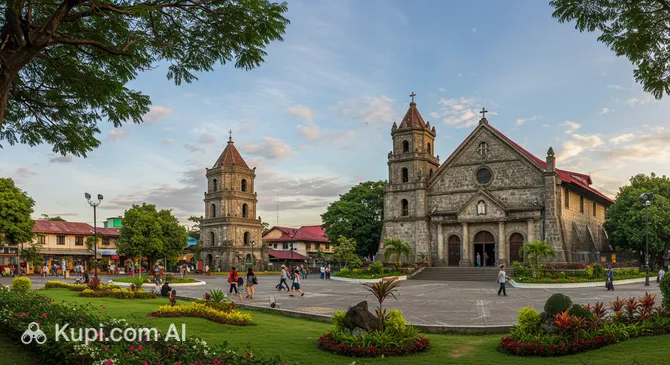
Las Piñas. Illustration.
Source: Kupi.com AI
The city's greatest treasure is its historical heritage, centered around the famous Bamboo Organ. This unique relic attracts music and history lovers from all over the world. Additionally, Las Piñas is renowned for the production of "jeepneys"—vibrant Filipino minibuses that have become a true symbol of the country. A visit to this city offers a unique chance to see how ancient traditions intertwine with the rhythm of a modern metropolis.
Weather Overview
Las Piñas is dominated by a tropical monsoon climate, typical for most regions of the Philippines. This means that summer-like conditions with high humidity prevail almost year-round. Average daytime temperatures usually fluctuate between 27–33°C, and rarely drop below 24°C at night. April and May are considered the hottest months, when the sun is particularly active and the air heats up to its maximum.
Two seasons are clearly defined: the dry season (from December to May) and the wet season (from June to November). During the rainy period, the city often encounters tropical downpours and typhoons, which can lead to local flooding due to the low-lying terrain. July is traditionally the wettest month. If you are planning a visit, it’s worth noting that the city weather is most favorable for walking between January and March, when refreshing northeast winds blow.
Expect truly sweltering days with periodic brief but heavy downpours even during the dry season. High humidity can make being outdoors tiring, so we recommend always carrying a supply of water and planning visits to outdoor attractions for morning or evening hours. Dense construction and intense traffic can create a "heat island" effect, especially in the central parts of the city.
Average monthly temperature
Average monthly precipitation
Interesting Facts
Las Piñas is home to the world's only functioning bamboo organ, which consists of 1,031 pipes, 902 of which are made of bamboo.
The city is considered the "Jeepney Capital" of the Philippines thanks to the Sarao Motors factory, whose vehicles have even been exported for exhibitions in New York and London.
The city's name literally translates from Spanish as "The Pineapples," as the area was once covered with vast plantations of this tropical fruit.
Every year, the city hosts the Water Lily Festival, showcasing products woven from the stems of water lilies that clog the local rivers.
Las Piñas was recognized as the cleanest and most peaceful city in Metro Manila for three consecutive years due to strict environmental initiatives by the authorities.
How to Get There
Thanks to its location in the south of the capital region, Las Piñas is an important transport hub connecting Manila with the province of Cavite. The main road arteries are the Coastal Road and the busy Alabang-Zapote Road. The journey from central Manila by car or bus usually takes between 30 minutes and an hour, though one should account for the famous Manila traffic, which can increase travel time to two hours during peak periods.
For air travelers, the closest and most convenient hub is Ninoy Aquino International Airport (NAIA). It is located just 15–20 kilometers from the city. Getting from the airport terminals to Las Piñas is most convenient via taxi or the Grab mobile app; the trip is affordable and takes about 30–40 minutes with favorable traffic.
The city does not yet have its own metro or railway line. The nearest light rail station (LRT-1) is Baclaran, from which numerous jeepneys and buses regularly run toward Las Piñas. The city is also a convenient transit point for trips south via the South Luzon Expressway (SLEX). More detailed information on routes can be found in the section describing ways to get around.
Station
Passenger traffic
Distance
Dr. Santos station
6
5 km
Asia World station
6
7 km
Manila International Airport LRT Station
6
8 km
FTI railway station
5
8 km
Redemptorist station
6
9 km
Main Attractions
Although Las Piñas is primarily a residential suburb, it is home to sites of global significance. The undisputed leader among attractions is the St. Joseph Parish Church. It is here that the famous Bamboo Organ, created in 1824, is housed. This is the only instrument of its kind in the world made almost entirely of bamboo tubes, and its soft, unique sound draws thousands of listeners to international festivals every year.
Another point of pride for the city is the Sarao Motors factory. This is the birthplace of the legendary Filipino jeepneys. Tourists can observe the manual assembly and painting process of these colorful vehicles, which have become an icon of Filipino culture. For modern leisure and shopping, it is worth stopping by Vista Mall Las Piñas, which offers an excellent selection of shops and relaxation areas in a contemporary setting.
Vista Mall Las Piñas. Illustration.
Source: Kupi.com AI
Traveler photos:
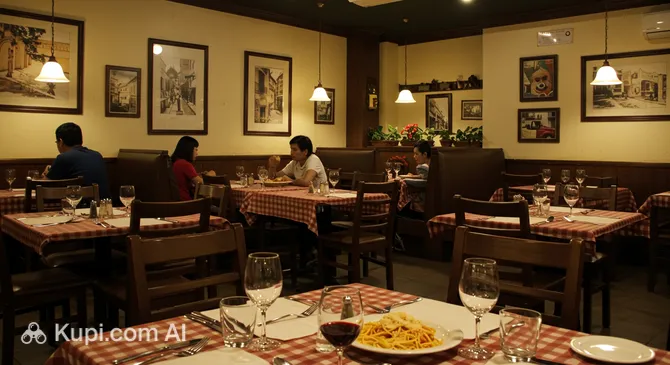
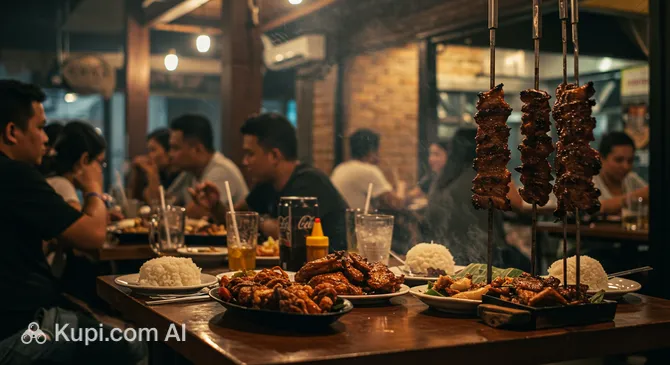
Gastronomic experiences are also part of the tourist route. For instance, you can visit Mama Lou's Italian Kitchen to enjoy homemade Italian cuisine in a cozy atmosphere, or stop by Mang Raul's BBQ House, which serves famous Filipino street food and grilled dishes. For a more informal evening, Bojangles Restaurant is a great choice, where the local atmosphere is complemented by live music.
Local Cuisine
The gastronomy of Las Piñas is a quintessence of Filipino flavors with a touch of coastal traditions. Historically, the city was a center for salt production, so the purity and quality of basic ingredients are highly valued here. Be sure to try the classics: sinigang (a sour soup with fish or shrimp) and aromatic adobo. Due to its proximity to Manila Bay, seafood is always fresh here, and grilling it is a local culinary passion.
To experience the authentic taste of Filipino barbecue, head to Mang Raul's BBQ House. This place is loved by locals for its simplicity and the incredible taste of its marinated meat. If you find yourself missing European dishes, Mama Lou's Italian Kitchen will offer you some of the best pizza and pasta in the city, prepared with Filipino hospitality.
Mama Lou's Italian Kitchen. Illustration.
Source: Kupi.com AI
Traveler photos:
Freshly squeezed juices remain the favorite drinks, especially pineapple juice, which recalls the city's historical name. For those who prefer something stronger, try the local San Miguel beer or traditional tuba (palm wine). The dining culture here is closely linked to food courts in shopping malls and roadside eateries, where the food is always fresh, hot, and very affordable.
Travel Tips
A trip to Las Piñas will allow you to feel the real rhythm of life in the Philippine capital region. To make your journey as comfortable and safe as possible, use these practical tips.
Clothing and Gear: Choose lightweight clothing made from natural fabrics, as the humidity and heat are constant. Be sure to bring an umbrella—it will save you from both tropical downpours and the scorching sun. When visiting the St. Joseph Parish Church, follow a modest dress code (shoulders and knees should be covered).
Transportation Hacks: Avoid traveling along Alabang-Zapote Road during peak hours (mornings and evenings on weekdays), otherwise you risk spending several hours in traffic. For comfort, use the Grab app, and for local color, take a jeepney, but confirm the route with the driver beforehand.
Financial Matters: The local currency is the Philippine Peso. While malls accept cards, you will need cash for jeepneys, markets, and small cafes. ATMs are available in all malls, but it’s better to have a cash reserve when heading into residential areas.
Health: Drink only bottled water and avoid ice from street stalls. Always carry mosquito repellent, as it is the best protection against seasonal fevers in a tropical climate.
Communication: English is widely spoken, and you can easily make yourself understood in any shop. For internet, buy a local SIM card (Globe or Smart) directly at the airport—it will be cheaper and more reliable than roaming.
Local Etiquette: Filipinos are very friendly. Greet people with a smile. When interacting with elders, a slight nod of the head as a sign of respect is appropriate.
What to Avoid: Do not criticize the local infrastructure or traffic jams when talking to residents—they are aware of them but are very proud of their city. Also, do not leave valuables unattended in crowded places (like markets or jeepneys).
Best Time: Try to plan your visit for the dry season (December to May) when the weather is most predictable and the chance of typhoons is minimal.
Las Piñas will welcome you with sincere smiles and amazing discoveries if you are ready for its energetic and sometimes chaotic pace of life. Have a great trip!
Entertainment & Nightlife
Nightlife in Las Piñas is more laid-back and family-oriented compared to the central districts of Manila. Most activity is concentrated around major shopping malls and along main roads like Alabang-Zapote Road. Here, you will find many karaoke bars—a favorite Filipino pastime—where you can spend an evening with friends singing popular hits. Locals often choose Bojangles Restaurant for relaxation, as it is famous for its casual atmosphere and live performances.
For those seeking larger parties and trendy clubs, it is usually recommended to head to the neighboring Alabang district or Makati, which can be reached by taxi in 30–60 minutes. However, Las Piñas itself has plenty of spots for a cozy dinner; for example, family restaurants like Mama Lou's Italian Kitchen offer excellent wine lists and exquisite dishes. The city is quite safe at night around residential complexes, but it is better to use ride-hailing apps for transportation after dark.
Mang Raul's BBQ Haus. Illustration.
Source: Kupi.com AI
Traveler photos:
Daytime entertainment in the city consists mostly of cinemas in the malls and bowling centers. The main cultural events of the year are festivals, such as the Water Lily Festival and the International Bamboo Organ Festival, which transform the city into a vibrant celebration venue. This is the best time to see local crafts, dances, and hear unique music in a historical setting.
Parks & Museums
Cultural life in Las Piñas is inextricably linked to its religious and musical heritage. The main and practically only museum that is a must-visit is the complex at the Bamboo Organ Church. It features an exhibition dedicated to the history of the creation of this unique instrument by Father Diego Cera, as well as ancient artifacts telling the story of city life in the 19th century. This place possesses a special, peaceful atmosphere rarely found in the noisy metropolis.
As for park areas, there are not many given the dense urban development. Small green oases can be found in the historic center and near administrative buildings. Locals often spend time within modern shopping spaces like Vista Mall Las Piñas, where landscape design and indoor greenery partly substitute for urban parks.
Mang Raul's BBQ Haus. Illustration.
Source: Kupi.com AI
Traveler photos:
Despite the lack of large public gardens, the city actively implements greening programs for residential subdivisions. For serious nature walks, tourists and residents usually head to neighboring areas like Alabang or eco-parks in Cavite province. Nevertheless, the well-kept streets of Las Piñas and the abundance of flowers at private homes create a pleasant impression of a "green" suburb.
Getting Around
The public transport system in Las Piñas is typical for a Philippine metropolis but has its own specifics. The main mode of transport here is the jeepney—brightly painted minibuses running on fixed routes. For short trips within residential neighborhoods (barrios), tricycles (motorcycles with sidecars) are indispensable. This is the fastest way to reach a specific house in the labyrinth of narrow streets.
Regular buses run along main arteries like Alabang-Zapote Road, connecting the city with other districts of Manila and Cavite province. Payment in jeepneys and tricycles is made in cash to the driver, so tourists should always carry small change. Fares are very low, but be prepared for a lack of air conditioning and dense passenger traffic during peak hours.
For more comfortable travel, a taxi or the Grab service is an ideal choice. The apps work efficiently and prices are fixed, eliminating the need to haggle. Bicycles are rarely used in the city due to intense traffic and high humidity, and there is no dedicated metro network yet, although plans to extend LRT lines toward Las Piñas are actively discussed. The main tip for tourists is to plan trips outside the 7–9 AM and 5–8 PM periods, when the city grinds to a halt in traffic jams.
Accommodation
The choice of accommodation in Las Piñas is specific: there are almost no massive resort complexes, as the city is geared toward long-term residents and expats. The hotel stock mainly consists of mid-range hotels and budget chain hotels like Red Planet. Most tourists planning to stay here choose apartments or condominiums in gated residential communities (subdivisions) such as Almanza or Pilar Village.
If your goal is proximity to historical sites, it is better to look for options in the western part of the city, closer to the Bamboo Organ church. For those who value comfort and access to shopping, hotels and apartments near major shopping centers, such as the area around Vista Mall Las Piñas, are ideal. The main infrastructure, including restaurants and 24-hour shops, is concentrated there.
Mama Lou's Italian Kitchen. Illustration.
Source: Kupi.com AI
Traveler photos:
Accommodation prices here are noticeably lower than in central Manila districts (Makati or Bonifacio Global City), making the city an excellent option for the budget traveler. It is recommended to book accommodation in advance, especially in February, when the International Bamboo Organ Festival takes place and demand for rooms increases sharply. Major online booking systems work reliably here, offering both classic hotels and private homes for rent.
Nearby Cities
Las Piñas serves as an excellent starting point for exploring the southern part of the capital region and nearby provinces. Very close by is the city of Parañaque, home to the country's largest entertainment complexes and the massive SM Mall of Asia. It is an ideal spot for those seeking thrills, casinos, or world-class shopping just a 20-minute drive away.
To the east, Alabang (a district of Muntinlupa City) is well worth a visit. This is a modern business center with beautiful parks, wide avenues, and many upscale restaurants. And if you want to trade the city bustle for historical charm, head to Bacoor in Cavite province. This city offers a chance to explore the heritage of the Philippine Revolution and enjoy seaside views.
Exploring the surroundings of Las Piñas allows you to see the contrasts of the Philippines: from ultra-modern skyscrapers to cozy old neighborhoods. Short day trips to these cities will help you better understand the multifaceted life in Metro Manila and discover different sides of the local culture.
Shopping & Souvenirs
Shopping in Las Piñas is an exciting blend of massive modern malls and colorful local markets. The main magnet for shoppers is SM Southmall, one of the largest shopping centers in the region, where you can find literally everything from global fashion brands to electronics. Equally popular is Vista Mall Las Piñas, which attracts visitors with its stylish design and cozy boutiques.
For those looking for authentic goods, it is worth visiting the markets in the historic center (the barrios). Here you can buy the freshest seafood, exotic fruits, and, of course, unique handicrafts. Pay special attention to woven bags and baskets made from water lilies—they are the signature product of local artisans, celebrated during the annual city festival.
Vista Mall Las Piñas. Illustration.
Source: Kupi.com AI
Traveler photos:
As souvenirs from Las Piñas, people most often bring back miniature replicas of the Bamboo Organ or collectible jeepney models made at the famous Sarao factory. Shops usually operate from 10:00 AM to 9:00 PM or 10:00 PM. International bank cards are widely accepted in large malls, but you will definitely need cash Philippine pesos for markets and small shops.