Support

Muntinlupa

About

Located on the southern edge of Metro Manila, Muntinlupa rightfully bears the title of the "Gateway to CALABARZON." This modern city in the Philippines harmoniously combines the dynamic energy of a business hub with the tranquility of upscale residential neighborhoods. Due to its abundance of green spaces and responsible approach to ecology, the city is often called the "Emerald City," distinguishing it from the densely built-up neighboring districts of the capital.

Geographically, the city stretches along the shores of Laguna de Bay, the largest freshwater lake in the country. With a population of over 540,000, Muntinlupa has undergone an impressive transformation from an agricultural community into a highly urbanized metropolis. The city's rich history is reflected in its architectural contrasts: from the old quarters of the Poblacion district to the futuristic skyscrapers of Filinvest City.
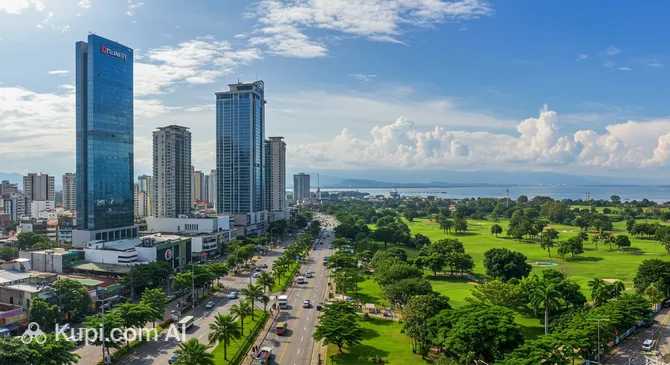
Muntinlupa. Illustration.
Source: Kupi.com AI

Tourists are primarily drawn here by the world-class infrastructure for leisure and shopping. The Alabang district has become synonymous with luxury and comfort, offering elite shopping malls, exquisite restaurants, and park zones. Despite its industrial status, the city maintains the atmosphere of a cozy suburb, where the modern pace of life is balanced by islands of peace and greenery.

A visit to this city is an excellent opportunity to see a "different" Manila: more organized, clean, and modern. Whether it is a business trip or a desire to spend the weekend at the region's best shopping complexes, this southern metropolis offers hospitality and comfort at the highest level.
Weather Overview

The typical weather in Muntinlupa is defined by the Philippines' tropical climate, characterized by high temperatures and significant humidity throughout the year. Average temperatures usually range from 25°C to 33°C. The proximity to Laguna de Bay and the abundance of green zones in some areas slightly temper the heat, but in densely built-up quarters, the heat can feel quite intense.

The year is divided into two main seasons: the dry season and the rainy season. The dry period lasts from December to May, with March, April, and May considered the hottest months. The rainy season usually begins in June and continues until November. During this time, heavy tropical downpours and typhoons are possible, sometimes leading to temporary flooding on the roads. July is traditionally the rainiest month.

For tourists, the most comfortable time to visit the city is from late December to early March, when the heat is not as extreme and the chance of precipitation is minimal. Expect warm, sunny days with a pleasant breeze from the lake, but always be prepared for high humidity, which is an inherent part of the climate in this region.

Average monthly temperature

Average monthly precipitation

Interesting Facts

Muntinlupa is a city of contrasts and amazing transformations. Here are a few interesting facts to know before your trip:

  • Origin of the Name: There are two main versions: one suggests it comes from the phrase "monte sa lupa" (mountain on land), while the other relates it to a thin layer of fertile soil ("muntin lupa"), reflecting the area's topography.

  • Southern Gateway: The city is officially called the "Gateway to CALABARZON" as it is a key transport hub connecting the capital region with the rapidly developing southern provinces of Luzon.

  • City Status: Muntinlupa achieved the status of a highly urbanized city relatively recently—on March 1, 1995, becoming the 65th city in the official list of the Philippines.

  • Green Record: Thanks to strict environmental regulations and a ban on plastic bags in retail (one of the first in the country), the city has earned a reputation as the cleanest and "greenest" in Metro Manila.

  • Prison Heritage: The famous New Bilibid Prison is located on the city's hills, having been moved here from central Manila in the 1930s. A significant part of the historical development of the Poblacion district formed around it.

How to Get There

Thanks to its strategic position in the south of the capital region, getting to Muntinlupa is easy. The main transport artery is the South Luzon Expressway (SLEX), which connects the city with central Manila. A trip by car or taxi usually takes 30 minutes to an hour, though this can double during peak hours due to heavy traffic. Detailed route information is available in the section on how to get to the city.

The nearest international aviation hub is Ninoy Aquino International Airport (NAIA), located in neighboring Parañaque. The distance from the terminals to the center of Muntinlupa is about 20–40 kilometers. The most convenient way to get from the airport is by using an official taxi or the Grab service. For those who prefer public transport, there are bus routes running from the terminals toward the southern suburbs.

AirportPassenger trafficDistance
Ninoy Aquino International Airport50.1 mln11 km
Danilo Atienza Air Base17 km
Clark International Airport2.4 mln100 km
San Jose48 000227 km
Naga Airport71 487258 km

Rail service is provided by the PNR (Philippine National Railways) line, which passes through the city. Stations are located in key areas, including Alabang. This is a budget-friendly, though not always the most comfortable, way to travel, which is very popular with locals for trips to central Manila.

Main Attractions

The main attractions of Muntinlupa are concentrated in its modern districts, which have become the face of the revitalized city. One of the significant spiritual centers is the Sacred Heart of Jesus Parish, attracting both parishioners and tourists with its architecture and peaceful atmosphere. This place serves as an important landmark for residents and a point of interest for those interested in the country's religious heritage.

The Filinvest City district deserves special attention—a true "city within a city." This modern business district is designed with an emphasis on sustainability. Here, you can stroll among futuristic buildings interspersed with well-kept lawns and recreation areas. For fans of large-scale architecture and thoughtful urban planning, this area is a must-see.

While the city is not positioned as a traditional tourist center with ancient ruins, its "attractions" are giant lifestyle centers. Districts like Ayala Alabang and Alabang Town Center offer more than just shopping; they provide entire entertainment ecosystems with gardens, open terraces, and cinemas. An evening walk through the illuminated streets of these quarters allows you to feel the rhythm of life of the successful Filipino middle class.

For those seeking a quieter getaway, areas along the shores of Laguna de Bay are available. While a fully developed tourist embankment is still in the planning stages, the presence of the vast lake itself gives the southern part of the city a special character. It is a great place to see traditional fishing boats and experience the natural scale of the region.

Local Cuisine

The culinary scene in Muntinlupa is a vibrant mix of traditional Filipino flavors and international concepts. Fresh seafood dishes, which Laguna de Bay has provided for centuries, are particularly popular. It is worth trying the classic sinigang (sour soup) with fish or shrimp, as well as the famous adobo—meat stewed in soy sauce with vinegar and garlic.

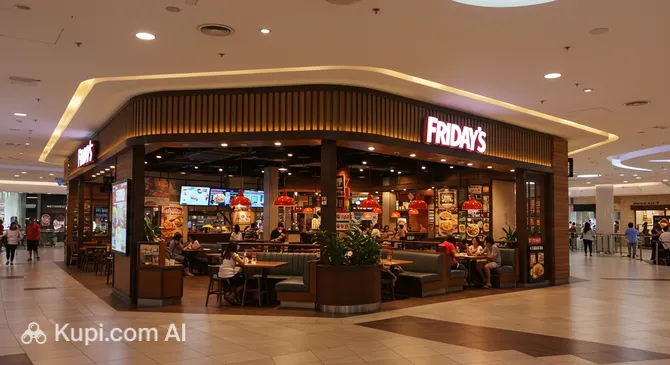
To experience modern cuisine in a cozy setting, Tablo Kitchen x Cafe South is an excellent choice. They offer creative interpretations of popular dishes, perfect for a leisurely lunch. If you find yourself missing familiar Western tastes, you can always visit the legendary TGI Fridays in the Alabang district, where classic American burgers and cocktails are served in a lively atmosphere.

Friday's. Illustration.
Source: Kupi.com AI

Traveler photos:

The city's dining culture is closely tied to its shopping malls: food courts in Festival Mall and Alabang Town Center offer endless variety—from street food like "isaw" (chicken skewers) to Japanese ramen and Italian pasta. Don't forget to try the local dessert halo-halo—a refreshing mix of shaved ice, fruits, jelly, and sweet beans that is indispensable in the tropical heat.

Travel Tips

A trip to Muntinlupa promises to be comfortable and interesting if you consider a few practical nuances. These tips will help you settle into the "Emerald City" faster and avoid minor inconveniences.

  1. Clothing and Accessories: Choose light clothing made from natural fabrics (cotton, linen), as the humidity is high. Always carry a light sweater—air conditioners in shopping malls and buses are often set to full blast. Don't forget a power adapter (Types A and B, as in the US, are typically used).

  2. Transport and Traffic: Muntinlupa suffers from serious congestion, especially at the SLEX exits. Use the Grab app to call a taxi—it's safer and eliminates the need to haggle. To get around Alabang, try the local jeepneys for a bit of local flavor.

  3. Finances: The main currency is the Philippine Peso (PHP). Cards are accepted almost everywhere in shopping centers, but for paying for jeepneys, tricycles, and market purchases, be sure to have small cash. There are many ATMs in the Alabang and Filinvest City areas.

  4. Health: Drink only bottled water. Pharmacies (such as Mercury Drug) are found at every turn and stay open late. If you need medical assistance, head to the large private hospitals in Alabang.

  5. Communication: Almost all residents speak English well, especially service staff. Knowing a few phrases in Tagalog (for example, "Salamat" — thank you) will earn you a sincere smile from the locals.

  6. Safety: The Alabang and Filinvest areas are very safe and well-guarded. However, in crowded places (markets, public transport), watch your bags and pockets. Avoid walking alone in poorly lit outskirts at night.

  7. Etiquette: Filipinos are very polite and smiling. In conversation, try to remain calm and avoid open confrontation or raising your voice—this is considered extremely rude here.

  8. What to Avoid: Do not discuss sensitive political topics or criticize local customs publicly. Also, do not attempt to enter the New Bilibid Prison grounds without official permission—it is a restricted facility, not a tourist attraction.

Enjoy your stay in Muntinlupa! This city will surely surprise you with its hospitality and modern comfort.

Entertainment & Nightlife

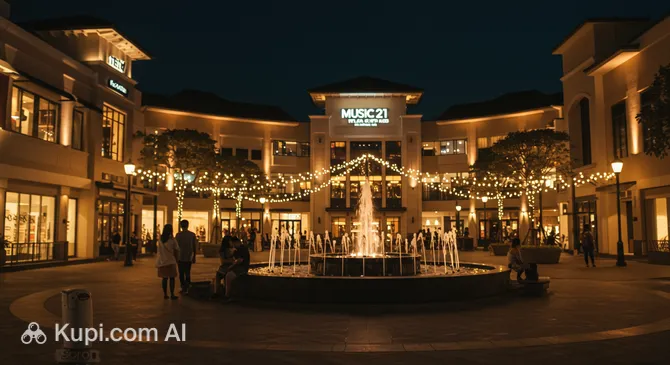
Nightlife in Muntinlupa is more relaxed and upscale compared to the noisy districts of central Manila. Most activity is concentrated in the Alabang area, where bars and restaurants offer excellent cuisine and live music. Karaoke clubs (KTV) are a popular form of entertainment for locals and visitors alike, such as Music 21 Plaza Alabang, where you can spend the evening in a private booth with friends.

Music 21 Plaza Alabang. Illustration.
Source: Kupi.com AI

Traveler photos:

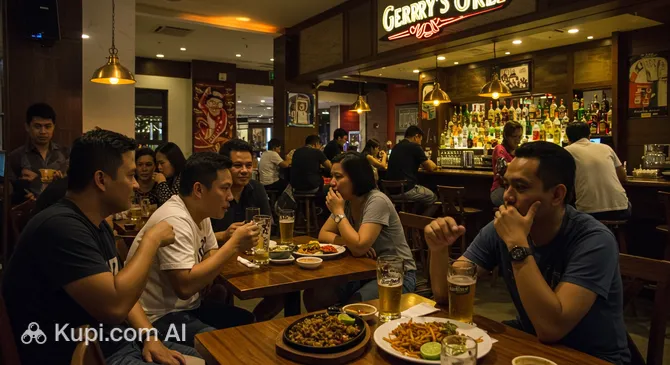
For lovers of quality beer and a European atmosphere, the Bar at Alabang West Parade is a great choice, known for its drink selection and cozy interior. If you are looking for a casual dinner with traditional Filipino hospitality and grilled dishes, it is worth visiting Gerry's Grill at Festival Mall. This establishment is popular with both families and lively groups who appreciate good food and a democratic atmosphere.

Gerry's Grill Festival Mall. Illustration.
Source: Kupi.com AI

Traveler photos:

Overall, entertainment in the city is geared toward quality relaxation after the workday. You won't find massive nightclubs with electronic music here, but there is an abundance of cozy pubs, wine bars, and cafes in shopping centers that stay open late. For those wanting larger parties, a taxi to the neighboring Bonifacio Global City in Taguig is always an option, with the trip taking about 30 minutes.

Parks & Museums

Despite its status as a business and industrial hub, Muntinlupa maintains its "green lungs," which earned it the nickname "Emerald City." One of the most pleasant areas for walking is Filinvest City, where modern office buildings are surrounded by manicured gardens and pedestrian paths. The upscale Ayala Alabang district also features many private park zones, making it one of the most comfortable neighborhoods to live in the capital.

The shoreline of Laguna de Bay offers views of a vast expanse of water. While there are no traditional landscaped parks in the European sense here, the promenades in the Poblacion district allow you to feel close to nature and observe the life of lake communities. This spot is especially popular in the pre-sunset hours when the midday heat subsides.

In terms of cultural sites, the city is more focused on modern art and corporate spaces. While there are no large historical museums, art galleries within shopping centers and congress centers often serve as cultural venues. Residents and visitors appreciate these spaces for the opportunity to see the works of contemporary Filipino artists in a comfortable setting.

Getting Around

The transport system in Muntinlupa is typical for Filipino metropolises but has its own characteristics. The iconic jeepneys remain the main means of transport for short and medium distances. They run along fixed routes, connecting residential areas with shopping centers and transport hubs. Fares are minimal and paid in cash to the driver.

For traveling within residential neighborhoods (barangays), tricycles—motorcycles with covered sidecars—are indispensable. This is a convenient "door-to-door" method, especially in areas with narrow streets. In business districts like Alabang, it is much more convenient to use a taxi or the Grab mobile app, which provides fixed pricing and high comfort, especially important in hot weather.

The city is crossed by important bus routes heading both to central Manila and the southern provinces. Buses come in two types: air-conditioned and non-air-conditioned. For tourists, the former is preferable. Although there is no metro system within the city itself, keep in mind when planning trips that traffic on major highways slows down significantly during peak hours (7:00 to 9:00 AM and 5:00 to 8:00 PM). If you value your time, try to plan your movements for midday.

Accommodation

The accommodation market in Muntinlupa is primarily geared toward business travelers and expats working in the southern part of the capital. Most high-quality hotels are concentrated in the Alabang business district. Here, you will find world-class hotel chains offering modern rooms, conference halls, fitness centers, and panoramic rooftop pools.

If you are looking for a quieter, more secluded format with resort elements, consider the Angelis Resort. Such establishments offer guests the chance to escape the city bustle without leaving the metropolis. For short-term stays or business meetings in a comfortable setting, Widmanns Plaza is also a suitable option.

For those planning to stay in the city for a longer period, a popular option is renting apartments or studios in modern residential complexes (condominiums). Areas like Filinvest City offer housing with gated security, access to parks, and proximity to major shopping centers. It is recommended to book hotels in advance, especially if your trip coincides with major business exhibitions or holiday periods in the Philippines.

Nearby Cities

Muntinlupa serves as an excellent starting point for exploring the southern part of the capital region and neighboring provinces. Just a couple of kilometers away is Alabang, which is formally part of the city but is perceived as its own center of attraction due to its luxury quarters and office parks. Other nearby areas include Kupang and Putatan, where you can see the everyday life of Filipino residential neighborhoods.

For a day trip, the city of Taguig to the north is perfect. It is home to the famous Bonifacio Global City (BGC)—the country's most modern and fashionable district, featuring top museums, art installations, and bars. If you are drawn to nature and historical sites, you can head south to Cavite province, known for its beaches and locations associated with the Philippines' struggle for independence.

CityPopulationDistance
Alabang71 0751 km
Bayanan39 1501 km
Cupang57 1962 km
Putatan99 7252 km
Tunasan61 3744 km

Exploring the city's surroundings allows for a better understanding of the multifaceted life in Metro Manila. From ultra-modern business centers to traditional communities on the lakeshore, each neighboring destination will add new dimensions to your travel itinerary.

Shopping & Souvenirs

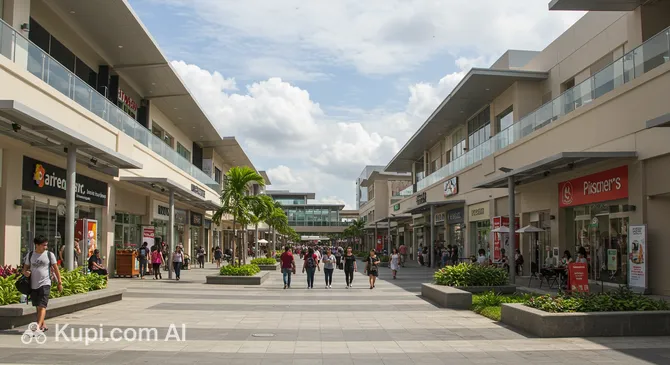
Shopping in Muntinlupa is perhaps one of the main reasons to visit the city. The southern part of the capital is famous for its massive and comfortable shopping complexes. The heart of the shopping scene is Alabang Town Center, which combines indoor galleries and open terraces with gardens. Here, you can find both popular international brands and boutiques from local designers.

Alabang Town Center. Illustration.
Source: Kupi.com AI

Traveler photos:

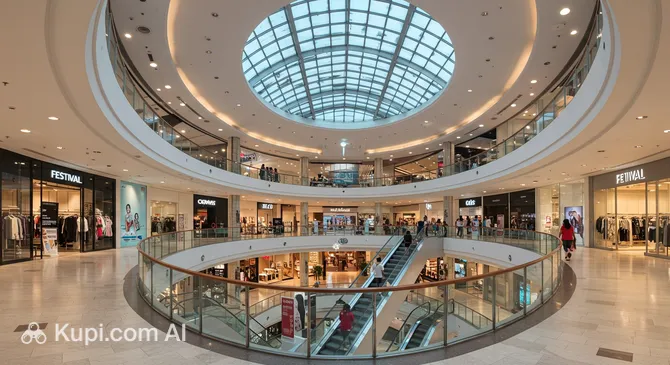
Another giant of the entertainment and shopping industry is Festival Mall. It is one of the largest shopping centers in the country, and even features small amusement parks and a river inside. It is an ideal place for family shopping, where the choice of goods ranges from budget electronics to mass-market clothing.

Festival Mall. Illustration.
Source: Kupi.com AI

Traveler photos:

For those looking for something more authentic, local markets in the Poblacion district sell fresh tropical fruits and everyday goods. Popular souvenirs from the city include Filipino textiles, pearl jewelry, or dried mangoes, which are widely available in specialized departments of large malls. Most stores are open from 10:00 AM to 9:00 PM or 10:00 PM, and international bank cards are accepted everywhere.

Reached the end of the page?

That means the route is fully explored