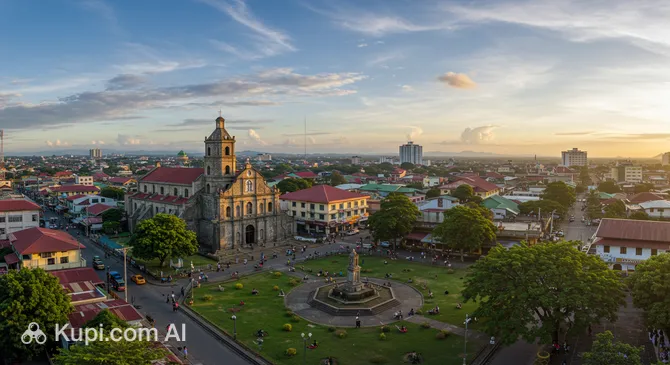
Imus is a dynamically developing city in the province of Cavite, officially recognized as the de jure capital of the region. Located just 20 kilometers south of Manila, it serves as an important link between the capital and the fast-growing southern provinces of the Philippines. Despite being a major industrial and commercial hub with a population of nearly half a million people, it maintains the atmosphere of a cozy suburb, where a modern urban environment exists alongside historical heritage.
Imus. Illustration.
Source: Kupi.com AI
The city plays a significant role in the country's national pride. It was here that independence was forged during key events of the Philippine Revolution. You can immerse yourself in the region's rich past and learn more about its formation by exploring the city's history, which is inextricably linked to the struggle for freedom and the heroism of the local people.
Today, Imus attracts not only business travelers but also those seeking a comfortable pace of life near the metropolis. Here, you will find some of the best shopping malls in the province, picturesque Catholic cathedrals, and a welcoming atmosphere. Although the city is often perceived as a transit point or a residential area, its genuine friendliness and hidden historical monuments make it a worthy stop on your journey through Luzon.
Weather Overview
The climate in Imus is classified as tropical monsoon, which implies the presence of two distinct seasons. The dry season lasts from December to May—this period is considered the most favorable for visiting the city when the sky is mostly clear and the probability of precipitation is minimal. The hottest months are usually April and May, when temperatures can rise to +34°C.
From June to November, monsoons arrive in the region, bringing heavy rains. During this period, humidity increases significantly, and short-term flooding is possible in low-lying areas due to the proximity of the river. Nevertheless, even in the rainy season, the temperature rarely drops below +24°C, remaining comfortable for those accustomed to tropical warmth. You should check the detailed forecast and current information about the weather in Imus just before your trip.
The optimal time for walking around the city is early morning or evening after sunset when the heat subsides. The average annual temperature stays around +27°C, making Imus a truly warm and sunny place all year round. When planning a visit during the rainy season, be sure to bring a light raincoat and sturdy closed-toe shoes.
Average monthly temperature
Average monthly precipitation
Interesting Facts
According to one version, the city's name comes from the Tagalog word imus, meaning "caressing" or "stroking"—this is how locals described the calm and gentle flow of the river of the same name.
Imus is officially considered the "Revolutionary Capital of the Philippines," as it was the site of significant victories for revolutionaries in the late 19th century.
The city was officially designated the de jure capital of Cavite province in 1977 by presidential decree, although many administrative functions remain distributed among neighboring cities.
Every May, the city hosts the colorful Wagayway Festival, which commemorates the first raising of the Philippine national flag in the region following a historical victory.
How to Get There
Thanks to its location on the southern edge of Metro Manila, Imus boasts excellent transport accessibility. Most travelers arrive here via the capital, utilizing a well-developed network of highways. You can find more details about all routes and schedules on the page about how to get to Imus.
The main aviation hub for the trip is Ninoy Aquino International Airport (NAIA) in Manila. The journey from the airport terminals to the city by taxi or Grab takes between 45 to 90 minutes, depending on traffic density. Additionally, regular buses and modern jeepneys run from the PITX transport hub in Manila, offering a ride that allows you to experience the local flavor.
Rail transport in the region is currently undergoing active expansion. At present, the nearest stations are in neighboring districts of Manila, from where Imus is easily accessible by land-based public transport. The planned extension of the Light Rail Transit (LRT) lines toward Cavite province will make traveling to the city even faster and more comfortable in the future.
Station
Passenger traffic
Distance
Dr. Santos station
6
10 km
Asia World station
6
13 km
Manila International Airport LRT Station
6
14 km
Redemptorist station
6
15 km
FTI railway station
5
15 km
Main Attractions
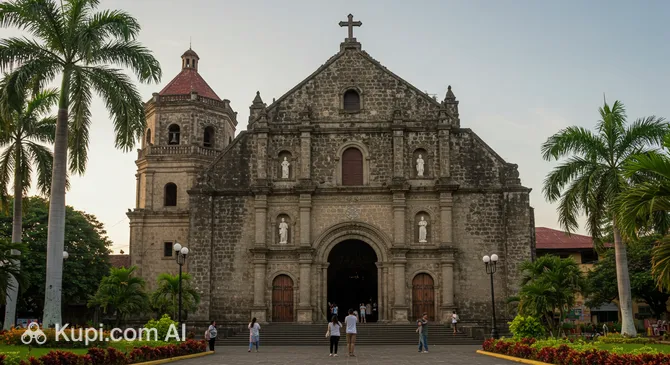
The city's main architectural and spiritual landmark is the Imus Cathedral. This majestic structure, also known as the Cathedral of Our Lady of the Pillar, impresses with its austere beauty and historical depth. Built in the colonial style, the cathedral serves not only as a place of worship but also as an important cultural symbol uniting generations of Cavite residents.
Imus Cathedral. Illustration.
Source: Kupi.com AI
Traveler photos:
History buffs will be interested in visiting the sites associated with the Battle of Imus of 1896. Although there aren't many specialized museum complexes here, the city's spirit itself is steeped in memories of its revolutionary past. Historical monuments are scattered throughout the central districts, serving as reminders of the era of the Philippine struggle for independence.
For those who prefer a modern pace of life, Imus offers a well-developed leisure infrastructure. City plazas and landscaped areas around the Imus River become centers of public life. Here, you can see how modern Filipino society lives, combining the tradition of family walks with visits to modern shopping galleries and markets.
Local Cuisine
The cuisine of Imus is a vibrant palette of Tagalog flavors with an emphasis on hearty meat dishes. The region's signature item is longganisa—a local sweet or spicy sausage that is often served for breakfast. You should also definitely try traditional adobo (meat stewed in soy sauce and vinegar) and sinigang—a sour soup prepared with particular mastery in the Philippines.
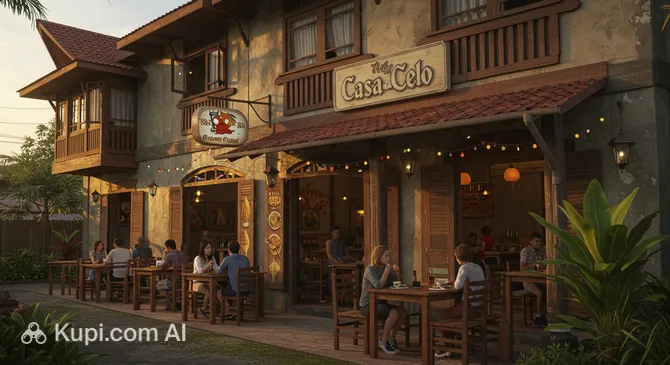
To experience the city's modern gastronomy, head to 24 Chicken Imus, which serves popular fried chicken with a variety of sauces. If you are looking for a place with a more refined atmosphere and authentic presentation, stop by Casa De Celo—this restaurant is famous for its hospitality and traditional recipes adapted for modern tastes.
Casa De Celo. Illustration.
Source: Kupi.com AI
Traveler photos:
Don't forget to visit the local markets, where you can buy the freshest seafood and exotic fruits. For drinks, be sure to try buko juice (fresh coconut water) or the famous halo-halo dessert with shaved ice, fruit, and sweet beans, which is the perfect remedy for the tropical heat. The food culture in the city is accessible: from budget-friendly "carinderias" to stylish cafes in shopping malls, everyone will find something to their taste.
Travel Tips
A trip to Imus will be a great experience of getting to know the real Philippines if you take a few important practical points into account.
Clothing and Essentials: Choose lightweight clothing made from natural fabrics, as heat and high humidity prevail in the city year-round. Be sure to bring sunscreen and an umbrella—it will protect you from both sudden tropical downpours and the scorching sun. When visiting cathedrals, observe the dress code: shoulders and knees should be covered.
Transport: For getting around the city, it is most convenient to use the Grab app. If you decide to ride a jeepney or tricycle, prepare small change in advance (20 and 50 peso bills), as drivers often don't have change for large banknotes.
Finances: The official currency is the Philippine Peso (PHP). Cards are accepted in large malls and chain hotels, but for markets, tricycles, and small cafes, you will definitely need cash. ATMs are easy to find in shopping centers.
Health and Safety: Drink only bottled water and avoid ice at street stalls. Use mosquito repellent during the rainy season. Imus is a relatively safe city, but keep a close eye on your belongings in crowded places (like markets and public transport).
Communication: The main language is Tagalog, but English is understood almost everywhere, especially by staff in malls, banks, and among the youth. A few phrases in the local language, such as "Salamat" (thank you), always bring a smile and build rapport with the locals.
Local Etiquette: Filipinos are very polite. Greet people with a smile. It is customary to remove your shoes when entering a private home. Show respect to elders—this is an important part of the local culture.
What to Avoid: Do not criticize the local cuisine or traditions when talking to residents and avoid political discussions. Also, avoid walking alone in unlit outlying areas late at night.
Additional Tip: Try to plan your trips to or from Manila outside of rush hours (avoid 7:00 AM to 10:00 AM and 5:00 PM to 8:00 PM), otherwise you risk spending several hours in traffic.
By following these simple tips, you can focus on the most important thing—the hospitality and unique character of this dynamic Philippine city.
Entertainment & Nightlife
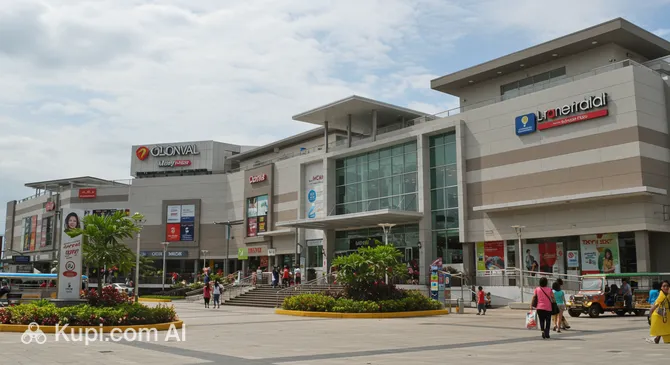
Entertainment in Imus is primarily focused on family leisure and a relaxed pastime. The main activity in the evenings centers around major commercial centers such as SM Center Imus. These venues house modern cinemas, bowling alleys, and gaming zones, which are incredibly popular among young people and families.
Center Imus. Illustration.
Source: Kupi.com AI
Traveler photos:
The city's nightlife differs from that of metropolitan Manila—it is more low-key and laid-back. Instead of noisy nightclubs, cozy karaoke bars (KTV) prevail, where locals love to spend their evenings singing popular hits. If you are looking for more lively bars or dance floors, it is worth checking out the area around Anabu Imus Mall, where you can find several pleasant establishments with live music.
For those who appreciate gastronomic entertainment, the city offers many cafes that stay open until late evening. A popular spot for a quick and tasty bite is 24 Chicken Imus, where a lively atmosphere always reigns. Overall, a holiday in Imus is an opportunity to enjoy the rhythm of a real Filipino city without the excess tourist bustle.
Parks & Museums
Despite the high density of buildings, Imus strives to maintain green oases for its residents. One such place is the park areas along the Imus River, which are being gradually developed for walks and outdoor recreation. Popular meeting spots also include the open plazas in front of major shopping centers and the Imus Cathedral, where city events and festivals are frequently held.
The city's cultural and museum life is closely tied to its revolutionary past. While there are no giant museum complexes in Imus, you can often find historical exhibits and markers dedicated to the heroes of Philippine independence inside the City Hall and around SM Center Imus. These local displays provide a deeper understanding of the national character and the pride of Cavite's residents.
For a larger-scale immersion into art and history, residents often visit galleries in neighboring cities within the province; however, Imus itself attracts visitors with its "living history"—the old streets of the central district and colonial-era architecture. A stroll through the city's historical center can replace any classic museum, revealing details of everyday life and the rich heritage of this region.
Getting Around
The public transport system in Imus is typical for Philippine cities and is based on a combination of traditional and modern means of travel. The main burden is carried by jeepneys—brightly painted minibuses that ply the main thoroughfares, such as Aguinaldo Highway. The cost of a ride is minimal (starting from 12–15 pesos), and the route is usually written directly on the side or the windshield.
For short-distance trips within residential neighborhoods (barrios), tricycles—motorcycles with sidecars—are indispensable. This is the most flexible form of transport, capable of taking you right to the doorstep of your home or hotel. It's best to agree on the price for a tricycle ride in advance; it usually costs around 20–50 pesos depending on the distance. Be prepared for significant traffic jams on the roads of Imus during peak hours (morning and evening), so plan your time with a margin.
If you prefer a more predictable and comfortable service, the Grab app is active in the city. This is the most reliable way to call a taxi with a fixed price. The city does not yet have its own metro system; however, the government plans to extend the LRT-1 line to Cavite, which will radically simplify communication with Manila in the future. For intercity travel, use the large buses that stop at major hubs along the main highway.
Accommodation
The accommodation market in Imus is primarily geared toward business travelers and those planning an extended stay in Cavite province. Instead of large resort complexes, the city features modern apartments and condominiums, which are frequently rented out through popular booking services. This is an excellent option for those who want to feel like a local while having access to a kitchen and home comforts.
If you prefer classic hotel service, it is worth looking at hotels located near the main highways and shopping hubs. Staying in the area around SM Center Imus is a good choice, as you will be within walking distance of restaurants and shops. Additionally, there are mid-range chain hotels like Microtel in the city, offering a consistently high level of comfort.
For short stays or transit trips, you might consider smaller guesthouses and cozy villas, such as Casa De Celo. During peak seasons and local festivals, it is best to book accommodation in advance, as the city is an important economic center and demand for quality rooms is always steady.
Nearby Cities
The city of Imus is an excellent starting point for exploring Cavite province and the southern part of Luzon. Thanks to the compact layout of cities in this region, you can visit several interesting places in a single day trip, each possessing its own unique character.
Very close by is the city of Bacoor, which serves as the gateway to Manila and is famous for its fish markets. The historical heart of the region is rightfully considered to be Cavite City. Here you can find the famous Emilio Aguinaldo Shrine, where Philippine independence was proclaimed in 1898. For those interested in culture and unique architecture, a visit to Las Piñas is a must, famous for its unique bamboo organ housed in an old church.
If you are looking for more modern entertainment or want to immerse yourself in an atmosphere of dynamic development, check out General Trias or the small, cozy town of Noveleta. The surroundings of Imus offer a fascinating blend of the Philippines' heroic past and its rapid future, turning every trip into a small discovery.
Shopping & Souvenirs
Shopping in Imus is an exciting blend of modern retail giants and colorful local markets. The city is considered one of the main commercial hubs of Cavite province, so you can find almost anything here: from international clothing brands to unique handicrafts and fresh farm produce.
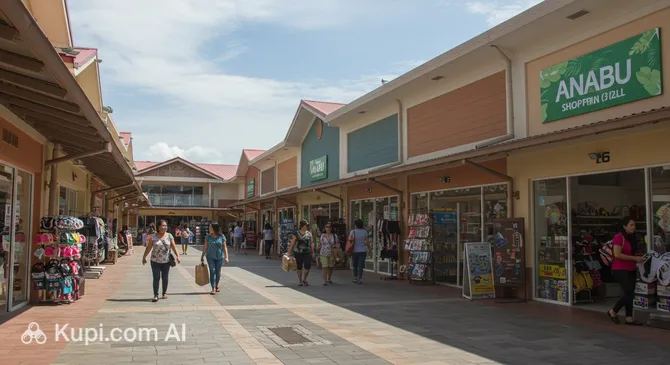
The main center of attraction for shoppers is SM Center Imus, where dozens of shops, a supermarket, and a food court are gathered under one roof. It is the ideal place for those who value comfort, air conditioning, and a wide selection of goods. Another important spot on the city's shopping map is Anabu Imus Mall, offering excellent opportunities for wholesale purchases and finding goods at great prices.
Anabu Imus Shopping Mall. Illustration.
Source: Kupi.com AI
Traveler photos:
If you want to experience the true spirit of the Philippines, be sure to visit the Imus Public Market. At this bustling market, you can purchase local delicacies such as dried beef (tapa) or traditional sweets. Shops usually operate from 10 AM to 9 PM, while markets open at dawn. Most large shopping malls accept bank cards, but it is always better to have cash in pesos for trips to the market.