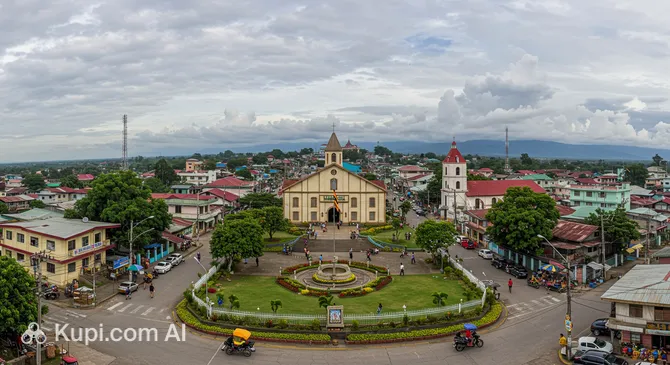
Located in the heart of the Cavite province in the Philippines, General Trias is a dynamically developing city where modern industry harmoniously coexists with a deep historical heritage. Formerly known as San Francisco de Malabon, this place plays a key role in the economy of the CALABARZON region, serving as an important residential and industrial hub with a population of over 480,000 people.
General Trias. Illustration.
Source: Kupi.com AI
The city attracts travelers primarily for its role in the formation of the Philippine nation. This is where the region's heroic past begins, captured in ancient churches and commemorative markers. Geographically, the city occupies a strategic position in the northeast of the province, bordering municipalities such as Imus and Rosario, making it a convenient base for exploring the outskirts of Manila.
Despite its status as an industrial center, General Trias retains an atmosphere of Philippine hospitality. Here, you can see the strict facades of modern enterprises give way to cozy residential neighborhoods and historical landmarks. Visiting this city is an opportunity to see the modern Philippines "from the inside," away from traditional beach routes, and to touch the living history of the country.
Weather Overview
The city of General Trias is dominated by a typical tropical climate characteristic of the Philippines, with a distinct division into dry and wet seasons. The average annual temperature stays around 27-28°C, providing stable warmth throughout the year. If you are planning a trip, it is worth considering the features of the city's climate.
The driest and most comfortable period to visit lasts from January to April. In March and April, temperatures can reach a maximum of 32-34°C, and rainfall is minimal (only about 21-42 mm per month). This is an ideal time for walking through historical sites and excursions. However, be prepared for high humidity, which is felt throughout the year.
The rainy season usually starts in May and reaches its peak in July and August, when monthly rainfall can exceed 500 mm. During this period, typhoons and prolonged downpours are possible, which sometimes lead to temporary transport difficulties. Nevertheless, even in the rainy season, temperatures rarely drop below 24°C, and rains are often followed by sunny periods.
Average monthly temperature
Average monthly precipitation
Interesting Facts
The city was renamed in 1920 in honor of Mariano Trías—a prominent revolutionary and the first de facto Vice President of the Philippines.
General Trias was the site of the historic Tejeros Convention, where the revolutionary government was formed and the foundations of the modern Armed Forces of the Philippines were laid.
The city preserves the house where Andrés Bonifacio stayed, and later several Philippine presidents, making it a unique political landmark.
General Trias was the site of the "First Uprising of Cavite" on August 31, 1896, marking the beginning of the active phase of the struggle against Spanish colonial rule.
General Trias officially received its component city status relatively recently—in December 2015, becoming the 145th city in the country.
How to Get There
General Trias is strategically located near Manila, making it easily accessible for travelers. The primary way to get here is by road. The journey from the capital's center usually takes between one and two hours, depending on traffic conditions, which can be quite heavy in this region, especially during rush hours.
Although the city does not have its own airport, it is conveniently connected to the country's main air hubs via the national road network of Cavite province. Most tourists arrive through Manila International Airport and then use taxis, rental cars, or the popular Philippine buses and minibuses (jeepneys) to reach their destination. To plan your route, it is helpful to review general information on how to get to the city.
Direct rail service to General Trias is currently unavailable, so the focus remains on road infrastructure. The city serves as an important transit point for travel within Cavite province, connecting towns such as Noveleta, Imus, and Kawit. Intercity buses departing from Manila's major transport hubs are most commonly used for travel between cities.
Station
Passenger traffic
Distance
Dr. Santos station
6
17 km
Asia World station
6
19 km
Manila International Airport LRT Station
6
19 km
Redemptorist station
6
21 km
Baclaran LRT Station
7
21 km
Main Attractions
Although General Trias is better known as an industrial center, its historical significance for the Philippines is hard to overstate. The main spiritual and architectural landmark of the city is the St. Francis of Assisi Parish Church. This ancient temple not only serves as a place of prayer for thousands of residents but also stands as a silent witness to many historical events that have taken place in Cavite province over the centuries.
For those interested in the history of the struggle for independence, the Cavite Kalayaan Trail is a must-visit. This route leads tourists through sites associated with the birth of the Philippine Revolution. A special place in the city's history is held by the Tejeros Convention of 1897, where Emilio Aguinaldo was elected president of the revolutionary government—an event that effectively laid the groundwork for the country's modern state structure.
In addition to historical monuments, the city is interesting for its modern educational and business facilities. For example, the impressive campus of the Lyceum of the Philippines University is located here, serving as a symbol of the region's educational progress. While walking through the city, you may come across numerous commemorative plaques and markers indicating the sites of early uprisings, turning an ordinary stroll into a fascinating immersion into the Philippine past.
Local Cuisine
The gastronomic scene in General Trias reflects the rich culinary traditions of Cavite province and the general features of Filipino cuisine. Here, you will find an abundance of rice-based dishes, fresh seafood, and tropical vegetables. A hallmark of the local food is the balance of sweet, sour, and salty flavors, making every meal vibrant and memorable.
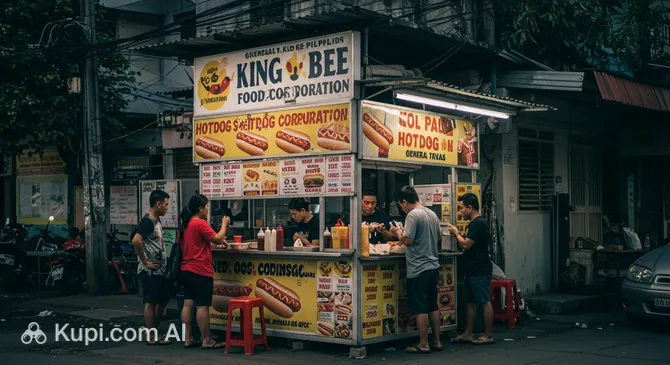
Among the city's popular establishments, Chicks ni Otit is worth highlighting for its local poultry variations, as well as King Bee Food Corporation, known for its Chinese-Filipino style dishes that are very popular among locals. These places allow you to experience the authentic atmosphere of the city, where food is an important element of social life.
King Bee Food Corporation. Illustration.
Source: Kupi.com AI
Traveler photos:
For street food lovers, General Trias offers standard Filipino delicacies: from "balut" to sweet desserts made from glutinous rice. The city also has many chain restaurants and modern cafes located in shopping areas. Be sure to try local drinks based on coconut milk or calamansi—a Philippine lime that is perfectly refreshing in the tropical climate.
Travel Tips
General Trias is a welcoming but specific city, focused on local life and industry. These tips will help make your trip comfortable and productive.
Clothing and Essentials: Choose lightweight clothing made from natural fabrics, as it is humid and hot in Cavite year-round. For visiting the St. Francis of Assisi Parish Church, clothing that covers the shoulders and knees is recommended. Don't forget an umbrella—it will protect you from both tropical downpours and the scorching sun.
Transport: The easiest way for a tourist to get around is the Grab app. Public jeepneys are cheap but can be crowded. If you decide to rent a car, be prepared for heavy traffic and chaotic movement.
Finances: The official currency is the Philippine Peso (PHP). Cards are accepted in large malls, but always keep cash on hand for markets, tricycles, and small cafes. ATMs are available in shopping centers like City Tanza.
Health and Safety: The city is generally safe, but follow standard precautions. Drink only bottled water and use mosquito repellent. Pharmacies (e.g., Mercury Drug) are available everywhere.
Communication: The primary language is Tagalog, but almost all residents understand English. A few phrases like "Salamat" (thank you) will bring a smile to locals. It is best to buy a SIM card immediately upon arrival at Manila Airport.
Local Etiquette: Filipinos are very polite. It is customary to remove your shoes when entering a private home. In communication, avoid direct criticism or raising your voice—calmness and kindness are valued here.
What to Avoid: Do not engage in political arguments and respect the religious feelings of local residents. It is not advisable to walk alone in poorly lit industrial zones late at night.
Specific Tip: Use General Trias as a base to explore the history of Cavite—it is much more interesting than just staying within the city limits.
May your acquaintance with the historical heart of Cavite be filled with interesting discoveries and pleasant encounters!
Entertainment & Nightlife
General Trias is primarily a city for living and working, so classical nightlife here is moderately developed. Most evening activity is concentrated around major commercial zones and shopping centers. Locals often prefer to spend their evenings in restaurants or head to neighboring, more vibrant cities in Cavite province or directly to Manila for entertainment.
One of the popular spots for family vacations is the Amanda Resort, where you can relax by the pool and escape the city noise. For those looking for more traditional leisure activities, modern complexes such as the City Tanza Mall, located on the city's border, offer cinemas, gaming zones, and numerous cafes that stay open until late evening.
The city also has a thriving culture of gastronomic gatherings. An evening in General Trias often begins with dinner at establishments like King Bee Food Corporation, where large groups of friends and families gather. Despite the lack of world-class noisy nightclubs, the city offers a safe and calm atmosphere for evening strolls and social interaction.
Parks & Museums
General Trias is a city where history lives on the streets rather than just within museum walls. While there are no large museum complexes in the traditional sense, historical monuments and ancient buildings fulfill the role of cultural centers. The entire city can be viewed as an open-air museum dedicated to the Philippine Revolution.
An important cultural site is the St. Francis of Assisi Parish Church, whose walls preserve the memory of the colonial era. Historical markers are placed near it and in other parts of the city, marking the sites of significant battles and political assemblies. These locations are particularly interesting for those who want to understand the origins of Filipino identity.
For outdoor recreation, city residents often visit local recreational areas such as the Amanda Resort, which serves as a public park for many thanks to its green zones and swimming pools. Despite the dense development, small squares and leisure areas are being actively created in the city's newer residential districts, gradually changing the face of this industrial center toward greater comfort for walking.
Getting Around
The public transport system in General Trias is typical for Philippine cities and is based on the use of jeepneys, buses, and three-wheeled motorcycles (tricycles). Jeepneys are the most popular and budget-friendly way to get around; they run on fixed routes, connecting the city with neighboring districts and Manila. The fare is minimal, and payment is made in cash to the driver.
For longer trips, such as toward the capital, it is better to use intercity buses. They are often air-conditioned and offer a higher level of comfort. It should be noted that the CALABARZON region is known for its traffic jams, so trips during peak hours (morning and evening) can take significantly longer than planned.
Within the residential quarters of General Trias, it is most convenient to move around by tricycle—they will take you practically to the doorstep of a house or a small shop. Taxi-hailing services via apps (such as Grab) also operate in the city, providing the most reliable and safe option for tourists. Having your own car or motorcycle remains the most flexible way to get around if you plan to actively explore the surroundings of Cavite province.
Accommodation
The hotel base in General Trias is primarily geared toward business travelers and those visiting the city for long-term work. It is dominated by apartments and modern residential complexes that offer comfortable accommodation with all the necessary amenities. Tourists seeking a classic vacation often look toward suburban options.
One of the well-known places for relaxation is the Amanda Resort, which offers guests the chance to spend time in a more resort-like setting with pools and relaxation areas. Such facilities are excellent for short stays or resting after a busy day of touring the historical sites of Cavite province.
Since the city is not a mass tourist destination, the choice of traditional hotels here is limited. Many travelers prefer to stay in neighboring large cities or even in Manila, making day trips to General Trias. If you plan to visit during peak season or during local festivals, it is recommended to book accommodation in advance through international booking services, as the best options in residential complexes fill up quickly.
Nearby Cities
General Trias serves as an excellent starting point for exploring Cavite province, as it is surrounded by many historically significant and picturesque locations. Just a few kilometers from the city, there are interesting destinations perfect for day trips.
Only 4–5 kilometers away is the city of Rosario, known for its industrial activity and proximity to the coast. Equally close is Tanza, where you can find modern shopping centers and interesting local markets. For history buffs, a trip to Imus is essential—a city that also played a vital role in the Philippine Revolution and is famous for its cathedrals and monuments.
Exploring these neighboring municipalities will allow you to form a more complete picture of life in the CALABARZON region. You will be able to see the contrast between industrial zones and traditional Filipino settlements, enjoy the local cuisine of different districts, and visit significant historical museums located just a couple of hours' drive from General Trias.
Shopping & Souvenirs
Shopping in General Trias is represented by a combination of traditional Filipino markets and modern shopping complexes. The city is actively developing as a commercial center, offering residents and visitors a wide range of goods—from everyday groceries to electronics and branded clothing. Most retail outlets are concentrated along the city's main transport arteries.
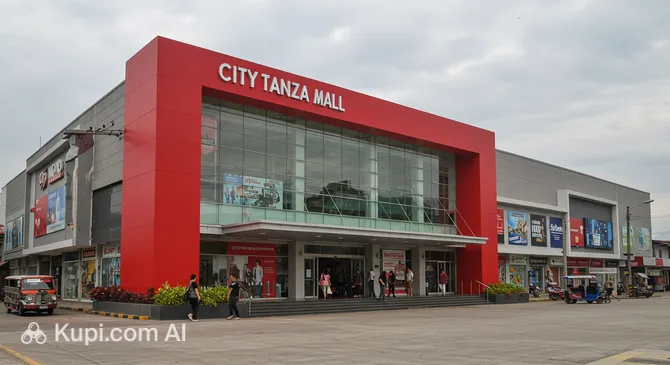
One of the most significant objects in the area is the City Tanza Mall. Although it is located on the city border, residents of General Trias often visit it for its wide assortment of goods, supermarkets, and food courts. This modern space offers the usual level of comfort with air conditioning, which is especially important in the hot tropical climate.
City Tanza Mall. Illustration.
Source: Kupi.com AI
Traveler photos:
For those seeking an authentic experience, it is worth visiting the local public markets. Here, you can buy fresh tropical fruits, vegetables, and traditional Filipino sweets at affordable prices. Most shops are open from morning until late evening (usually until 8:00 PM – 9:00 PM). Payment in large shopping centers is accepted via cards; however, in markets and small shops, you will definitely need cash in Philippine pesos.