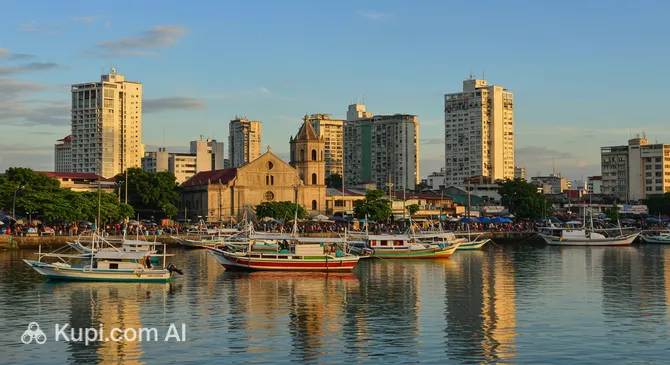
Parañaque is a dynamic and bustling city that is part of the National Capital Region of the Philippines. Serving as the southern gateway to Manila, it plays the role of a vital transportation and commercial hub for the country. Home to approximately 689,992 people, the city's atmosphere is infused with the rhythm of a modern metropolis: from dense residential blocks to glittering shopping malls and massive infrastructure projects.
The city is primarily known for housing the country's largest international airport — Ninoy Aquino (NAIA). This makes Parañaque the first point of introduction to the archipelago for millions of travelers. Despite its distinctly functional character, the city carefully preserves its heritage, as evidenced by the rich history of Parañaque, which dates back to the times when it was known as Palanyag.
Paranaque. Illustration.
Source: Kupi.com AI
For a tourist, Parañaque is a place of contrasts. Here, you can see ancient churches, such as the famous Bamboo Organ Church, and then immediately go shopping in some of Asia's largest malls. The city invites those who want to feel the pulse of real capital life, appreciate the convenience of modern logistics, and experience the hospitality of locals in the very heart of business activity.
Weather Overview
Parañaque has a tropical monsoon climate that dictates the rhythm of life for the entire region. It is almost always hot and humid here, and the seasons are divided not into cold and warm, but into dry and rainy. If you are planning a trip, keep in mind that the weather in Parañaque largely depends on seasonal winds bringing moisture from the ocean.
The hottest month is usually May, when temperatures can reach +33°C...+35°C. The most comfortable time to visit is from January to March, when rainfall is low and the average temperature stays around +27°C. Expect a sunny and dry start to the year, which gives way to the rainy season from June to October, when heavy downpours are frequent and local flooding is possible.
During the monsoon season (July–September), humidity rises significantly, which can create a "sauna" effect due to the dense urban development. At this time, you should always have an umbrella or raincoat with you. Despite the abundance of rain, temperatures rarely drop below +24°C even at night, so you will likely not need warm clothes, except for protection against powerful air conditioners in shopping malls and transport.
Average monthly temperature
Average monthly precipitation
Interesting Facts
Parañaque was historically called Palanyag, which, according to one version, translates to "my fishing place," highlighting the original occupation of its residents.
The city is home to Ninoy Aquino International Airport (NAIA), making it the country's main "entryway" for all foreign guests.
The city houses the unique St. Joseph Parish Church, which contains the world's only functioning bamboo organ — a recognized national treasure.
Parañaque is an important center for salted fish production and seafood processing in its coastal areas, despite rapid urbanization.
It is home to PITX — the first multimodal terminal in the Philippines, which locals call the "landport" due to its exceptional convenience and scale.
How to Get There
Thanks to its strategic location within Metro Manila, Parañaque boasts exceptional accessibility. It is one of the few cities in the region that most foreign tourists enter immediately after their plane lands, as the main terminals of the country's primary aviation hub are located right here. You can learn more about various ways to get to Parañaque by exploring routes from different parts of the capital.
The main aviation facility is Ninoy Aquino International Airport (NAIA). It consists of four terminals connecting the city to almost any point in the world. You can get from the airport to a hotel within Parañaque via official airport taxis or ride-hailing apps. Travel time can vary from 15 minutes to an hour, depending on the traffic, which is a characteristic feature of the capital's congestion.
For those who prefer ground transportation, the city offers a developed network of bus routes and a system of expressways. A key hub is the PITX (Parañaque Integrated Terminal Exchange), where buses depart for various provinces on the island of Luzon. Although the rail network within the city itself is less developed than in central Manila, it is connected to key highways served by modern shuttles and traditional jeepneys.
Main Attractions
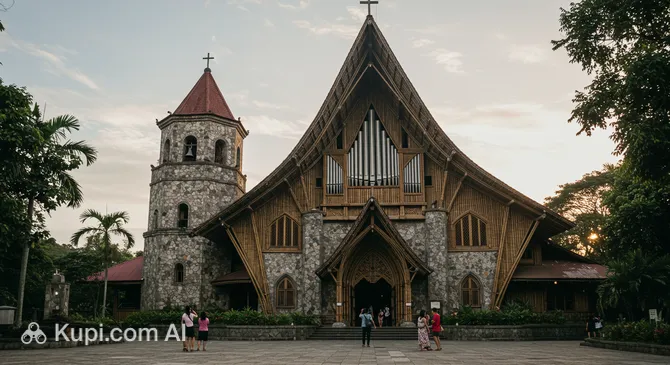
The main attractions of Parañaque reflect its deep spiritual traditions and its role as a modern metropolis. One of the most unique places is rightfully considered the Bamboo Organ Church. This temple is famous for its remarkable musical instrument, created almost entirely from bamboo in the 19th century. The sound of this organ is so pure and distinctive that music lovers and tourists from all over the world come to hear it.
Bamboo Organ Church. Illustration.
Source: Kupi.com AI
Traveler photos:
Another significant religious site is the St. Ezekiel Moreno Shrine. This place impresses with its architectural elegance and tranquility, offering visitors a chance to escape the city noise. One also cannot overlook the famous church in Baclaran, which is one of the most visited Catholic shrines in the Philippines, attracting thousands of pilgrims every week.
The modern face of the city is complemented by sites like the Parañaque Integrated Terminal Exchange (PITX). Although it is a transport hub, its scale and organization make it an interesting example of modern urbanism. In Parañaque, attractions are often linked to infrastructure and commerce, turning a simple walk into an exploration of a functional and vibrant Filipino megacity.
Local Cuisine
The culinary scene in Parañaque is a vibrant reflection of Filipino hospitality. Here, you can try all the country's classic dishes: from fragrant adobo to hearty sinigang soup. A specialty of the city is its access to the freshest seafood, prepared in numerous restaurants along the coast. Locals often eat in small eateries called "carinderias," which offer home-cooked food steeped in tradition at a modest price.
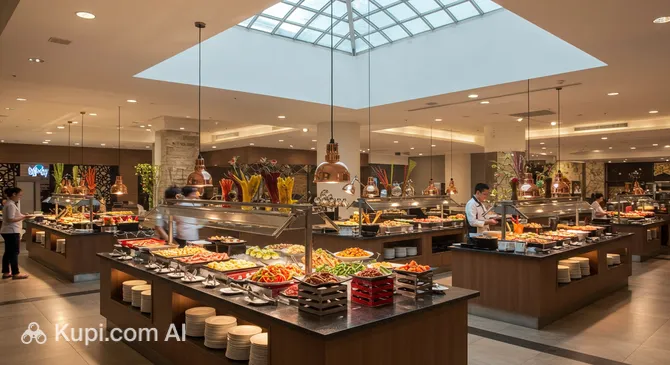
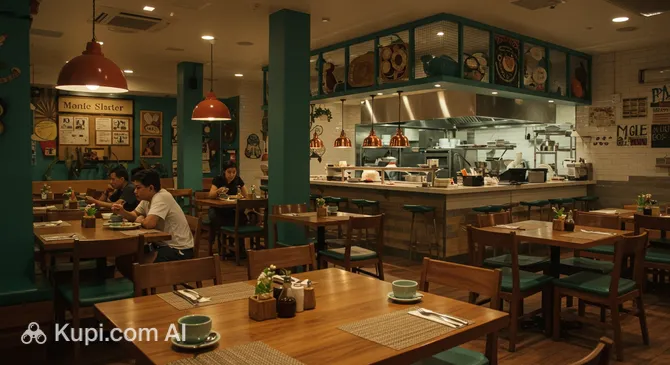
For those who prefer variety and premium service, the Luxury Buffet SM City BF Parañaque is an ideal choice. This establishment is famous for its huge selection of international and local cuisine, where you can host a real gastronomic feast. Another popular spot with a cozy atmosphere is Tablo Kitchen x Cafe, where modern culinary trends meet Filipino classics.
Luxury Buffet SM City BF Parañaque. Illustration.
Source: Kupi.com AI
Traveler photos:
Don't forget to try local desserts like halo-halo — a mix of shaved ice, fruit, jelly, and sweet beans that is the perfect rescue on a hot afternoon. Essential drinks to taste include refreshing calamansi juice and strong local coffee. Street food in Parañaque, such as grilled chicken skewers or fish balls, is sold everywhere, offering tourists a simple and delicious way to get to know local flavors.
Travel Tips
Preparing for your trip to Parañaque will help you get the most out of your visit to this bustling transport hub of the Philippines. Here are a few proven tips to make your stay here comfortable and safe:
Clothing and Essentials: Choose lightweight clothing made from natural fabrics, as the city is always hot and humid. Be sure to bring a power adapter (Types A and B are commonly used) and comfortable closed-toe shoes for walking. When visiting churches, such as the shrine in Baclaran, try to dress modestly.
Transport: The main tip is to allow at least an extra hour for any travel due to traffic. Use the Grab app to call a car; it is safer and more convenient than hailing a taxi on the street, especially with luggage.
Finances: The local currency is the Philippine Peso (PHP). Cards are accepted almost everywhere in shopping malls, but for paying for jeepneys, markets, and small purchases, always carry small denominations of cash. ATMs are available in every mall.
Health and Safety: Drink only bottled water. Pharmacies (e.g., Mercury Drug) are found at every turn. In crowded places like terminals and markets, keep a close eye on your bags and phones.
Communication: English is widely spoken, and you will easily be able to communicate in shops or hotels. You can buy a SIM card from a local operator (Globe or Smart) right at NAIA airport.
Local Etiquette: Filipinos are very friendly. A smile and the polite term "po" at the end of a phrase will help you win over any conversation partner.
What to Avoid: You should not publicly display anger or argue loudly — this is considered losing face. Also, avoid walking alone in poorly lit and unfamiliar residential neighborhoods at night.
Extra Tip: If your flight departs during rush hour (morning or evening), leave for the airport 3-4 hours early. Traffic around the NAIA terminals is unpredictable.
Parañaque is a city that rewards patient and curious travelers with its energy and sincerity. Enjoy getting to know the southern gateway of Manila!
Entertainment & Nightlife
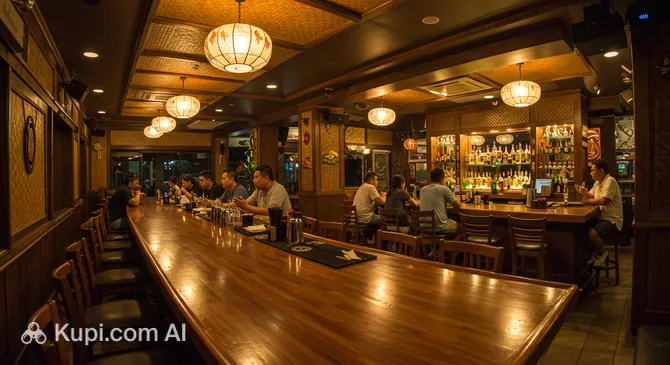
Evening in Parañaque offers entertainment for every taste, though nightlife here is often concentrated around major commercial zones and hotels. One of the centers of attraction is the Newport City area, home to stylish venues such as Gerry's Grill Newport. Here you can enjoy excellent cuisine in the company of friends accompanied by live music or simply relax in a cozy atmosphere after a busy day.
Gerry's Grill Newport. Illustration.
Source: Kupi.com AI
Traveler photos:
For lovers of high-quality sound and intimate concerts, a must-visit spot is 19 East. This bar is famous for its live performances by top Filipino musicians and is considered one of the region's best venues for fans of jazz, blues, and rock. The atmosphere here is sophisticated, and the audience appreciates good sound and performer mastery.
Daytime entertainment in the city is equally diverse: modern cinemas in shopping centers, gaming zones, and bowling alleys. If you are looking for more high-energy nightclubs, locals often head to neighboring districts like Makati or Bonifacio Global City, which can be quickly reached from Parañaque by taxi. The city remains a safe place for recreation if you stick to well-lit streets and popular establishments.
Parks & Museums
In the dense urban environment of Parañaque, parks and museums often sit alongside commercial and residential zones. Although the city is not considered the "green lungs" of the region, you can still find pleasant corners for a walk. A key historical and cultural point is the complex where the Bamboo Organ Church is located. It is not just a temple but a real living museum, where the history of Filipino craftsmanship is presented through the sounds of an ancient instrument.
For fans of spiritual architecture, a visit to the St. Ezekiel Moreno Shrine will be interesting. Although it is primarily a religious site, its grounds are well-maintained and conducive to quiet contemplation. If you are looking for classic museums with extensive art collections, it is worth taking a short trip to neighboring Manila or Pasay, where the main national galleries are concentrated.
Natural areas in Parañaque are mainly represented by coastal territories and small squares inside upscale residential areas like BF Homes. Here you can find shaded streets and cozy cafes that serve as alternatives to traditional parks. The city is constantly developing, and in the new commercial districts by the bay, modern open spaces for the recreation of citizens and tourists are gradually appearing.
Getting Around
The transport system in Parañaque is typical for a major Filipino metropolis: it is diverse, chaotic, and incredibly functional. The primary mode of transport for locals remains jeepneys — brightly painted minibuses that run on set routes. For tourists, this is the most affordable and colorful way to get around, though navigating their routes without help can be tricky.
A more comfortable alternative are buses and UV Express (air-conditioned minivans). A particular point of pride for the city is PITX — a modern terminal that integrates various modes of transport and offers a level of comfort comparable to an airport. Payment in jeepneys is made in cash to the driver, while buses and the PITX terminal often use special transport cards or tickets.
For fast and safe trips around Parañaque, we recommend using the Grab mobile app (the local equivalent of Uber) or official taxis. This will save you from having to haggle and ensure air-conditioned comfort, which is important in the tropical climate. Bicycle rentals and car-sharing are not yet well-developed in the city, so taxis remain the most reliable option for moving between the hotel, airport, and shopping malls at any time of day.
Accommodation
The choice of accommodation in Parañaque is largely dictated by its status as an aviation hub. The most popular hotels are those located in the immediate vicinity of NAIA airport and in the Newport City area. Here you can find both luxury world-class hotel chains and more affordable options for those who just need to rest before their next flight. Many hotels offer free shuttles to the terminals, which is very convenient for transit passengers.
For travelers planning a longer stay, apartments and condominiums in residential complexes like BF Homes are an excellent option. This neighborhood is famous for its coziness and developed infrastructure, including many cafes and restaurants such as Tablo Kitchen x Cafe. Staying here allows you to feel the rhythm of the local middle class and enjoy relative quiet away from the main highways.
Tablo Kitchen x Cafe. Illustration.
Source: Kupi.com AI
Traveler photos:
It is recommended to book accommodation in Parañaque in advance, especially if your trip falls on holidays or the peak tourist season. The price range is quite broad: from budget hostels and guesthouses to five-star resort complexes with casinos and pools. Most bookings are made through international services, and when checking in, it's worth confirming the availability of stable Wi-Fi and proximity to public transport stops.
Nearby Cities
Due to its location in the southern part of the metropolis, Parañaque serves as an excellent starting point for exploring neighboring districts and cities. Just a few kilometers away are the country's largest business and cultural centers, each with its own unique character and set of attractions.
Nearby is the cozy suburb of La Huerta, where you can experience a more relaxed pace of life. For those seeking large-scale shopping and modern entertainment, Pasay and Makati are a must-visit, easily reached by taxi or bus. Also of interest is Sucat, known for its transport interchanges and local markets.
Exploring the surroundings of Parañaque allows you to see the multifaceted nature of life in the Philippines — from ultra-modern skyscrapers to authentic neighborhoods like Don Galo. We recommend not limiting yourself to just one area and utilizing the convenience of the city's transport system to see as many interesting places in the capital region as possible during one trip.
Shopping & Souvenirs
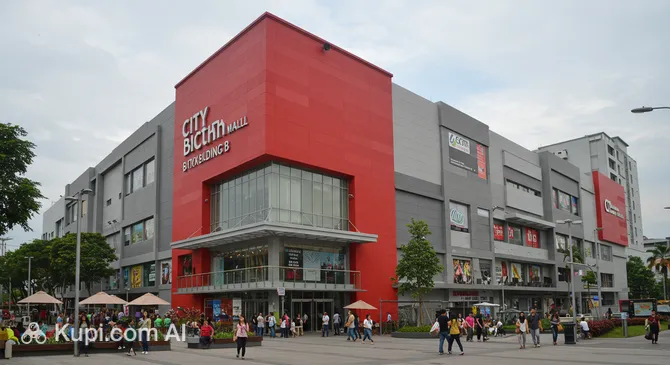
Shopping in Parañaque is a form of full-fledged entertainment that attracts guests from all around. The city is famous for its massive malls, where international brands, local designers, cinemas, and restaurants are all gathered under one roof. One of the most popular spots is the SM City Bicutan - Building B, offering a wide selection of goods at affordable prices and excellent infrastructure for family recreation.
City Bicutan Mall - Building B. Illustration.
Source: Kupi.com AI
Traveler photos:
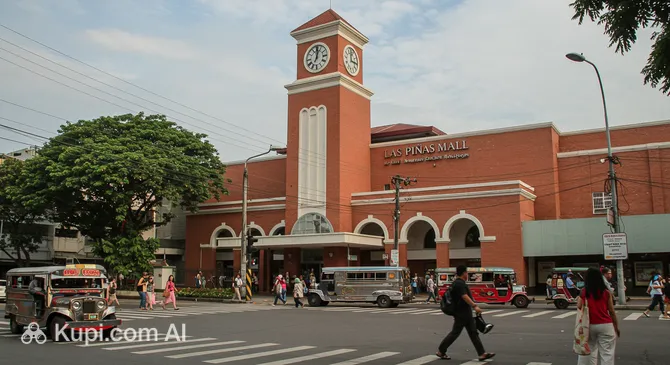
Another important point on the city's shopping map is Las Piñas Mall, located on the border of the districts. A calmer atmosphere prevails here, making shopping more comfortable. For those seeking an authentic experience, it's worth checking out the local markets, such as the one in the Baclaran area. This is a real labyrinth of stalls where you can find everything from inexpensive clothing and textiles to fresh fruit and handmade souvenirs.
Las Piñas Mall. Illustration.
Source: Kupi.com AI
Traveler photos:
Famous Filipino pearls, capiz shell products, woven bags, and, of course, local delicacies like dried mango, Barako coffee, and coconut sweets are often brought back as souvenirs from Parañaque. Most shops in the malls operate from 10:00 AM to 9:00 PM or 10:00 PM and accept international bank cards. At the markets, however, you will definitely need cash in Philippine pesos and the ability to bargain in a friendly manner.