Support

FortBonifacio

About

Fort Bonifacio, also known as Bonifacio Global City (BGC), is an ultra-modern and dynamically developing district that is rightfully considered one of the brightest symbols of modern Manila. Located in the city of Taguig, in the southeast of the Manila metropolitan area and just 11 kilometers from the historical center of the Philippines' capital, BGC represents a unique combination of business activity, cultural space, and a comfortable urban environment.
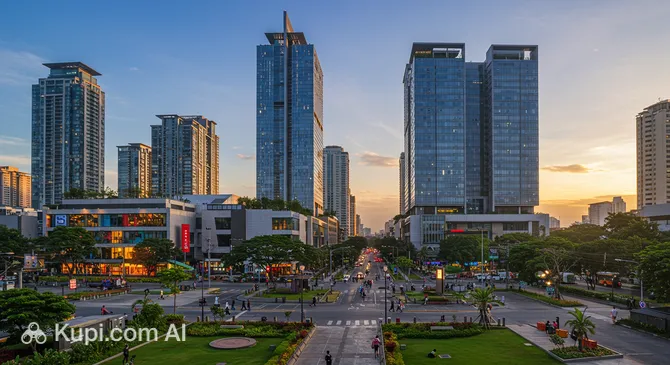
Fort Bonifacio. Illustration.
Source: Kupi.com AI

This district occupies a relatively compact territory but impresses with its well-thought-out layout: wide avenues, well-maintained green boulevards, and public spaces make it one of the most pleasant and safest places for walking in Manila. Although the permanent population of Fort Bonifacio is about 12,000 people, during the day the streets are filled with the energy of thousands of office workers, tourists, and locals drawn by its opportunities. The climate here is typical for the region—warm and humid—which encourages lush greenery in the numerous parks and squares.

The atmosphere of Fort Bonifacio is a fascinating mix of metropolis energy and relaxed comfort. Unlike other parts of Manila, there is no chaotic traffic or excessive noise here. Instead, you'll find clean streets, modern open-air art objects, stylish boutiques, and countless cafes and restaurants for every taste. Key features attracting visitors include impressive skyscrapers creating a futuristic cityscape, the Mind Museum offering interactive science exhibits, and numerous street installations that turn a walk through the area into a real art journey.

If you want to see how rapidly modern Manila is developing, experience the latest trends in culture and design, enjoy world-class shopping, or simply spend time in a beautiful and safe setting, Fort Bonifacio is a place that should definitely be on your itinerary. It is a true city of the future that warmly welcomes every guest.

You can find more interesting facts on the history of Fort Bonifacio page.

Weather Overview

The weather in Fort Bonifacio is characterized by a warm climate year-round. The average annual temperature fluctuates only slightly, staying within the range of 26.0°C in January to 29.7°C in May. The highest temperatures occur in April and May, reaching 32.5-32.7°C. Expect a hot and humid summer, especially from June to September, when precipitation is at its highest (up to 16 mm in July) and there are many rainy days. Winter and spring (from January to April) are significantly drier, with minimal precipitation (1-2 mm) and fewer rainy days.

For more detailed information about the weather by month, including sunshine hours and humidity, you can check the Fort Bonifacio Climate page.

Average monthly temperature

Average monthly precipitation

Interesting Facts

Beyond its modern skyscrapers and busy streets, Fort Bonifacio hides many curious details and stories that not everyone knows. This dynamic district is not just a business center, but a place with a rich past and unique characteristics.

Track 30th Park. Illustration.
Source: Kupi.com AI

Traveler photos:

  • From military post to metropolis: Fort Bonifacio, named after the Philippine national hero Andres Bonifacio, has an amazing transformation story. Originally, this area housed a US military base and later a Philippine Army garrison. It was only at the end of the 20th century that the district was drastically transformed into the modern business and cultural hub we see today.

  • A Little New York in Manila: Because the district was designed by American architects and urban planners, Fort Bonifacio is often compared to Singapore or even New York. It is one of the few areas in Metro Manila with wide, pedestrian-friendly sidewalks, a well-designed navigation system, and an abundance of green zones, such as Track 30th Park. This makes it exceptionally comfortable and safe for walking, even at night.

  • The Mystery of the Masonic Clock: One of the intriguing, though not always widely known, landmarks of the area is the Masonic Clock. This neoclassical monument, built in the early 20th century, features a unique clock mechanism. It is not just an architectural decoration but a symbol embodying the values of brotherhood, charity, and truth, and is considered an important part of Fort Bonifacio's cultural heritage.

  • Art at every step: Fort Bonifacio is a veritable open-air gallery. Street exhibitions of contemporary art, music festivals, and food fairs take place here regularly. Visitors have the chance not only to see works by famous Philippine artists, musicians, and chefs but also to participate in various workshops and art performances.

How to Get There

When planning a trip to this modern district, it is important to find out all the ways to get to the city in advance and choose the most convenient route. Since Fort Bonifacio is part of the capital region, the journey here usually goes through the country's main air gateways.

The primary transport hub for arriving tourists is Ninoy Aquino International Airport (IATA: MNL). It is important to note that there is no airport within Fort Bonifacio itself; this main aviation hub is located in the city of Manila (and partly in Pasay City), just 7 km from the center of Fort Bonifacio. This is the fastest way to get there: a taxi or transfer will take approximately 30-35 minutes, although time may increase due to heavy traffic.

An alternative option, especially for low-cost carriers, is Clark International Airport (IATA: CRK). It is not located in Fort Bonifacio but in Angeles City, about 88 km away. This option is often chosen by travelers looking to save on flights or explore the northern part of Luzon. The journey from here to Fort Bonifacio by taxi or bus will take much longer—approximately 2 hours and 30 minutes.

For convenience, here is a summary of the main airports:

AirportPassenger trafficDistance
Ninoy Aquino International Airport50.1 mln7 km
Clark International Airport2.4 mln88 km
Naga Airport71 487263 km
Cauayan Airport66 415274 km
Busuanga Airport341 546288 km

Regarding rail connections, Fort Bonifacio does not have its own railway station or long-distance train terminal. Tourists usually travel to the nearest MRT-3 stations (such as Ayala Station), located in the neighboring city of Makati, and from there transfer to local BGC Buses or taxis to reach the center of the district.

Main Attractions

Fort Bonifacio, a modern and dynamic district, offers its guests many interesting places to visit. There is something for everyone here, from historical monuments to vibrant markets and modern parks.

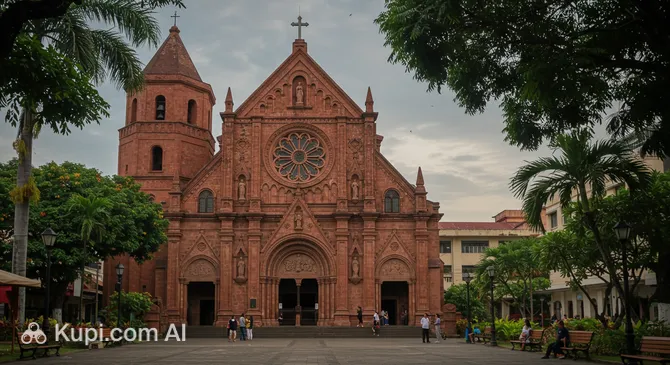
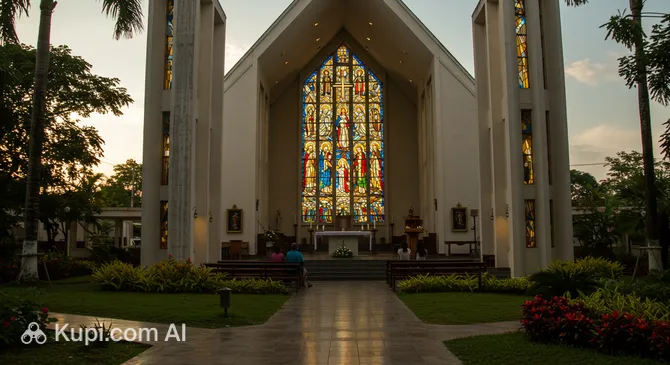
One of the iconic landmarks is the Cathedral of the Immaculate Conception in Pasig. This is not only an important site for believers but also an impressive architectural monument with a rich history. A visit to the cathedral allows you to touch the spiritual life of the region and appreciate its historical heritage.

Immaculate Conception Cathedral of Pasig. Illustration.
Source: Kupi.com AI

Traveler photos:

For lovers of active recreation and outdoor walks, Track 30th Park is ideal. This modern urban park offers well-maintained paths for running and walking, green areas for relaxation, and playgrounds. It is a great place to unwind, play sports, or simply enjoy nature in the heart of the city.

Track 30th Park. Illustration.
Source: Kupi.com AI

Traveler photos:

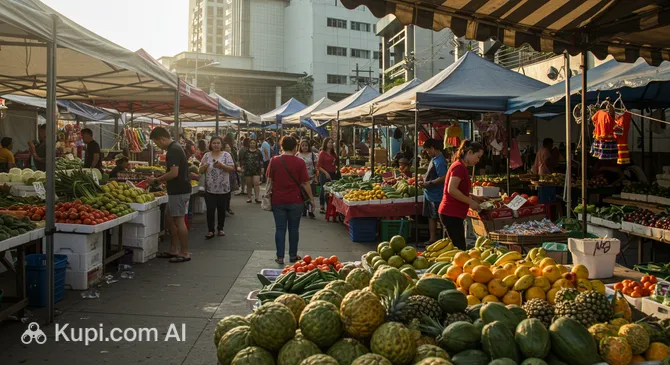
If you want to dive into the local atmosphere and try something authentic, be sure to visit the Legaspi Sunday Market. Here you can find fresh farm products, unique handmade crafts, souvenirs, and, of course, try a variety of local dishes. The market attracts both tourists and locals with its lively atmosphere and wide selection of goods.

Legazpi Sunday Market. Illustration.
Source: Kupi.com AI

Traveler photos:

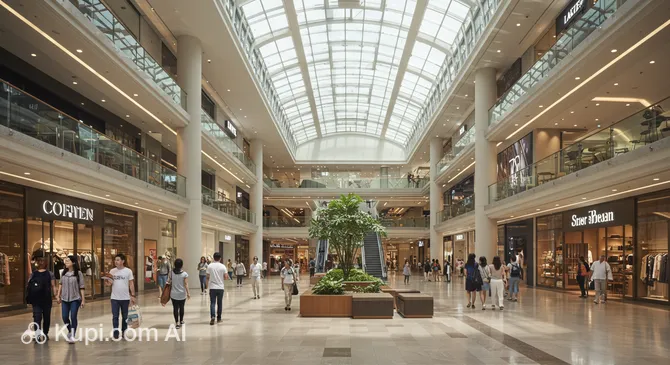
For those who prefer shopping and modern entertainment, Estancia Mall is an excellent choice. This large mall offers a wide range of famous brand stores, diverse restaurants and cafes, as well as a cinema and other entertainment options. It is a place where you can spend several hours enjoying shopping and relaxing in a comfortable environment.

Estancia Mall. Illustration.
Source: Kupi.com AI

Traveler photos:

In addition, there are other interesting places in Fort Bonifacio, such as the Garden of Remembrance, offering a peaceful atmosphere for reflection, or the St. Andrew the Apostle Church, another important religious site with interesting architecture.

Local Cuisine

Fort Bonifacio, also known as BGC (Bonifacio Global City), is a true paradise for foodies in the heart of Manila. This modern district is famous for its incredible gastronomic diversity, offering visitors both authentic dishes from the Philippines and international culinary delights. You can find everything here: from cozy cafes to fine dining restaurants, many of which are concentrated along the vibrant High Street or in popular shopping centers like Market! Market! and SM Aura.

Be sure to try the classics of Filipino cuisine. Adobo—meat (usually chicken or pork) stewed in vinegar, soy sauce, and garlic—is considered the unofficial national dish. No less popular is sinigang—a flavorful, sour tamarind-based soup with meat or seafood and vegetables. For a special occasion or a large feast, Filipinos prepare lechon—a whole roasted suckling pig with incredibly crispy skin.

Street food in Fort Bonifacio is an adventure in itself. Be bold and try isaw—grilled chicken or pork intestines on skewers. For the most daring gourmets, there is balut—a boiled duck egg with a developing embryo inside, considered a local delicacy and specialty. On a dessert break or a hot day, halo-halo is perfect—a refreshing mix of crushed ice, sweet beans, fruits, jelly, condensed milk, and a scoop of ice cream.

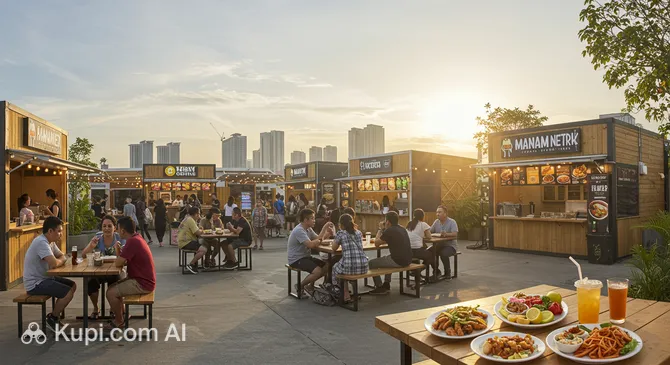
The food culture in Fort Bonifacio is very diverse. Locals and tourists love dining in numerous restaurants offering dishes for every taste. For example, to get acquainted with modern Filipino cuisine, you can visit Manam Net Park. Food courts in shopping centers like Market! Market! and SM Aura also offer a wide selection of dishes at affordable prices. Additionally, BGC regularly hosts food festivals and fairs where you can sample both traditional treats and innovative creations from young chefs.

Manam Net Park. Illustration.
Source: Kupi.com AI

Traveler photos:

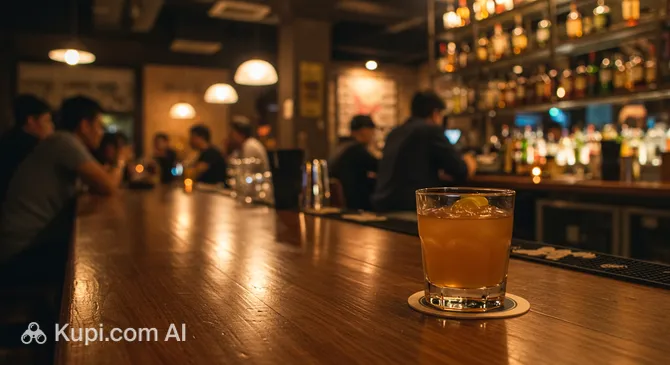
As for drinks, a culture of craft bars and cozy coffee shops thrives in Fort Bonifacio. You can enjoy local beers or signature cocktails here, for instance, at Tipsy Pig. Among non-alcoholic beverages, fresh exotic fruit juices, various shakes, and, of course, coffee prepared in many stylish cafes are popular. Don't forget to try the aforementioned halo-halo, which is often served as a dessert-drink.

Tipsy Pig. Illustration.
Source: Kupi.com AI

Traveler photos:

The gastronomic scene of Fort Bonifacio is a bright blend of tradition and modern trends. Everyone will find something to their liking here: from authentic Filipino dishes that capture the spirit of the country to innovative culinary concepts. Immersion in the world of BGC flavors will be an unforgettable part of your journey through the Philippines.

Travel Tips

Welcome to Fort Bonifacio, a modern and dynamic district of Manila! To ensure your journey through this vibrant place goes smoothly and leaves only pleasant impressions, we have prepared some practical tips.

  1. Clothing and Essentials: The climate in the Philippines is tropical, so choose light, breathable clothing made from natural fabrics. In Fort Bonifacio, as a modern business and entertainment hub, the dress code is usually casual, but more formal attire may be required for visiting expensive restaurants or clubs. Be sure to bring comfortable walking shoes, sunscreen, a hat, and sunglasses. Don't forget a universal power adapter for your electronics (Type A, B, and C sockets are used in the Philippines).
  2. Transport: Getting around Fort Bonifacio itself (especially the Bonifacio Global City or BGC area) is convenient on foot. For longer trips or to other parts of Manila, taxis or ride-hailing services (like Grab) are the best choice. BGC Buses also run on specific routes within BGC. Car rental is possible, but keep in mind Manila's heavy traffic.
  3. Finances: The local currency is the Philippine Peso (PHP). You can exchange currency at banks or licensed exchange offices, often found in shopping malls. Credit and debit cards are widely accepted in shops, restaurants, and hotels in Fort Bonifacio. ATMs are also easily accessible. A rough daily budget can vary, but Fort Bonifacio is considered one of the more expensive areas of Manila. Tipping is appreciated (usually 10% in restaurants if a service charge is not included in the bill).
  4. Health and Safety: Fort Bonifacio is considered one of the safest and cleanest districts in Manila. There are many pharmacies, including those in shopping malls. BGC is home to the large, modern St. Luke's Medical Center. Observe standard precautions: keep an eye on your belongings in crowded places and avoid displaying expensive jewelry.
  5. Communication: The official languages in the Philippines are Filipino and English. English is very widely spoken, especially in Fort Bonifacio, so you won't have any trouble communicating. A local SIM card (Globe or Smart operators) can be bought at the airport or in shopping centers. Wi-Fi is available in most hotels, cafes, and malls.
  6. Local Etiquette: Filipinos are known for their hospitality and friendliness. It's customary to smile when interacting. Using "po" and "opo" expresses respect, especially toward elders. Avoid raising your voice or showing anger in public, as it is considered impolite.
  7. What to Avoid: You shouldn't openly criticize local customs, food, or culture—this may offend local residents. Also, try not to engage in political arguments. Be careful when crossing the road, even at pedestrian crossings.
  8. Additional Tip: Fort Bonifacio, especially the BGC area, is famous for its public art installations and murals. Set aside some time just to walk along Bonifacio High Street and the surrounding streets, enjoying the modern art and green spaces. Various fairs and events are often held here on weekends.

We hope these tips help you better prepare for your trip and get the most out of your stay in Fort Bonifacio. We wish you an unforgettable journey!

Entertainment & Nightlife

Fort Bonifacio, a modern and dynamic district of Manila, offers plenty of opportunities for an exciting pastime, especially when the sun goes down. The nightlife here is buzzing with energy, attracting both locals and tourists with its variety of venues for every taste and budget.

The main centers of nocturnal activity in Fort Bonifacio are concentrated around popular spots like Bonifacio High Street, The Fort Strip, and Burgos Circle. Here you will find many stylish bars, trendy nightclubs, cozy pubs with live music, and restaurants open until late. The atmosphere in these areas is usually lively and cosmopolitan. The crowd ranges from young professionals to expats and tourists. Most clubs open around 10:00-11:00 PM and stay open until the early hours, especially on weekends. Some venues may require a dress code (smart casual or more formal).

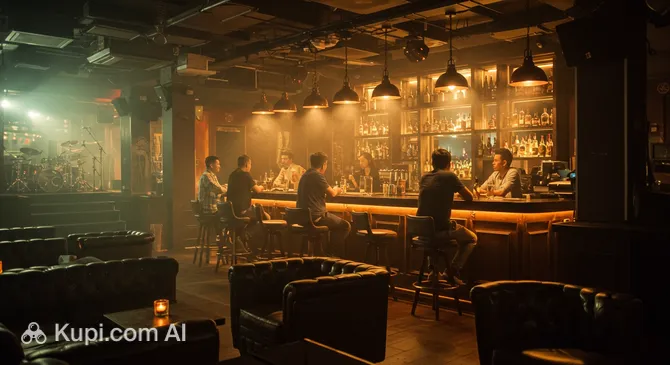
Notable places include 12 Monkeys Music Hall and Pub, known for its live performances and great atmosphere, and Tipsy Pig, which offers a wide selection of drinks and delicious snacks in a casual setting. These establishments are perfect for diving into the district's nightlife.

12 Monkeys Music Hall and Pub. Illustration.
Source: Kupi.com AI

Traveler photos:

Practical tips for nighttime entertainment:

  • Timing: The best time to visit clubs and bars is Friday and Saturday nights, although many venues are open on weekdays as well.
  • Prices: Prices can vary from moderate in pubs to higher in exclusive clubs. On average, a cocktail can cost between 300-500 PHP.
  • Transport: At night, it is most convenient to use taxis or ride-hailing apps (such as Grab). Fort Bonifacio has a well-developed infrastructure, and finding transport is usually easy.

Safety: Fort Bonifacio is considered one of the safest districts in Manila, especially in its busy commercial zones. However, as in any large city, you should take standard precautions: keep an eye on your belongings and avoid poorly lit or deserted areas late at night. Calling a taxi via an app is a reliable way to get around.

During the day, Fort Bonifacio also keeps you entertained. You can stroll through numerous parks, such as Track 30th Park, go shopping in modern malls like Estancia Mall, or visit one of the art galleries. While the district doesn't have large traditional theaters or world-class museums, its modern architecture, street art, and numerous installations are attractions in themselves.

Parks & Museums

Fort Bonifacio, known for its ultra-modern development and business activity, also offers guests many opportunities for outdoor relaxation and exploring cultural heritage. This dynamic district will pleasantly surprise you with its green oases and interesting landmarks.

Among the green zones of Fort Bonifacio, Track 30th Park stands out particularly. It is a popular spot for active recreation, jogging, yoga, or simply pleasant walks. Here you can take a break from the city bustle and enjoy a well-maintained space with modern landscape design. For those who prefer a more tranquil pastime, Jaime C. Velasquez Park is ideal. This cozy corner is perfect for a picnic, reading a book in the shade of trees, or a leisurely conversation. Another noteworthy place is the Garden of Remembrance, which offers a peaceful atmosphere for reflection and quiet rest.

Track 30th Park. Illustration.
Source: Kupi.com AI

Traveler photos:

Although Fort Bonifacio is primarily associated with modernity, significant cultural and historical sites can be found in its vicinity. One such landmark is the Cathedral of the Immaculate Conception in Pasig. This is an important religious and architectural monument, and visiting it allows you to touch the spiritual history of the Philippines. Its rich history and beautiful architecture attract both believers and history buffs.

Immaculate Conception Cathedral of Pasig. Illustration.
Source: Kupi.com AI

Traveler photos:

Another interesting religious site is the St. Andrew the Apostle Church. It is known for its unique modern architecture, which sets it apart from more traditional temples. This church is not only a place of worship but also an interesting example of modern ecclesiastical architecture.

Saint Andrew the Apostle Parish Church. Illustration.
Source: Kupi.com AI

Traveler photos:

Fort Bonifacio itself can be considered a kind of open-air gallery. Walking along Bonifacio High Street and the surrounding streets, you will discover many original street art objects, sculptures, and installations. This reflects the city's modern cultural pulse and makes every walk a fascinating exploration.

For an authentic experience, we suggest paying attention to the temporary exhibitions and cultural events often held in shopping centers or open-air areas of Fort Bonifacio. Also, don't be afraid to explore the less busy streets—you might stumble upon interesting graffiti and small art studios hidden from the main tourist routes.

Getting Around

Getting around Fort Bonifacio, a modern and dynamic district, is quite convenient thanks to a well-thought-out transport system. It combines both traditional regional modes of transport and modern solutions focused on the comfort of residents and guests.

The main mode of public transport specifically within Fort Bonifacio (also known as BGC - Bonifacio Global City) is the BGC Bus system. These comfortable buses run on several routes, covering key points in the district, including shopping centers, office buildings, and residential complexes. Schedules and routes are usually available at stops and online. For trips to other parts of Manila, you can use jeepneys and buses that stop on the periphery of BGC, or travel to the nearest metro stations (MRT/LRT), from where it is easy to reach different parts of the metropolis.

The fare payment system in Manila, and consequently for access to Fort Bonifacio, is becoming increasingly unified. The reloadable Beep™ card is widely used and can pay for trips on the MRT, LRT, some buses (including the BGC Bus), and even on toll roads. You can buy and top up the card at metro stations, BGC Bus terminals, and some convenience stores. For jeepneys and many traditional buses, payment is made in cash directly to the driver or conductor; the fare is usually low and depends on the distance.

Tourists are encouraged to purchase a Beep™ card for convenience and savings. Single-journey tickets are also available, but the card simplifies the process. Public transport usually starts early in the morning (around 5-6 AM) and finishes late in the evening (around 10-11 PM), but schedules can vary depending on the route and day of the week. It is important to remember that during peak hours, transport can be very crowded.

In addition to public transport, other ways of getting around are popular in Fort Bonifacio. Taxis and online ride-hailing services like Grab are widespread, offering a convenient way to get from point A to point B. The BGC area itself is very pedestrian-friendly thanks to its wide sidewalks and well-thought-out layout. Bicycle and electric scooter rentals are also gaining popularity here, which is an excellent way for leisurely rides and sightseeing in the district.

Accommodation

Fort Bonifacio, also known as BGC (Bonifacio Global City), offers tourists a wide range of accommodation options, primarily in the mid-range and high-end categories. Here you will find luxury hotels from famous international chains, modern aparthotels, stylish serviced apartments ideal for long stays, as well as chic boutique hotels with unique designs. While budget options like hostels are less common here, they can be found in the adjacent areas of Manila.

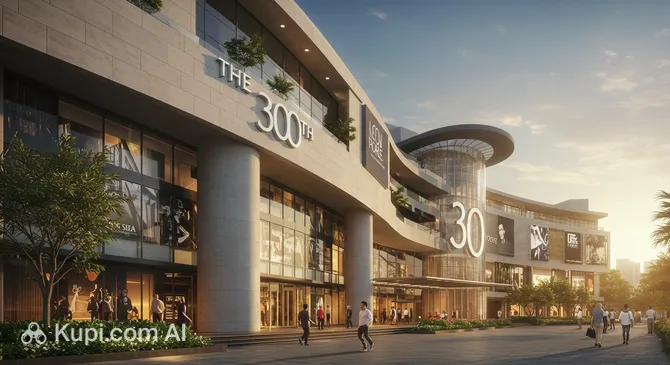
The entire Fort Bonifacio district is very convenient for staying thanks to its modern infrastructure, pedestrian accessibility to key sites, and high level of safety. Most hotels and apartments are strategically located near business centers, numerous restaurants, entertainment venues, and shopping complexes like Estancia Mall or Ayala Malls The 30th. Areas around Bonifacio High Street and Burgos Circle, where life is most vibrant, are particularly popular for accommodation.

The 30th. Illustration.
Source: Kupi.com AI

Traveler photos:

Accommodation prices in Fort Bonifacio typically reflect its status as a prestigious district, ranging from mid-range to high-end. To get the best deals and guarantee availability, especially during peak tourist season or major events, it is recommended to book your stay well in advance. The most popular booking methods are international online platforms and official hotel websites. You can also consider renting apartments through specialized services.

Nearby Cities

For those who want to explore the surroundings, Fort Bonifacio serves as an excellent starting point for day trips to several interesting nearby locations:

CityPopulationDistance
Guadalupe Nuevo18 3411 km
Pinagkaisahan57 3431 km
Poblacion153 1972 km
Pateros65 2272 km
West Rembo29 6492 km

These nearby destinations provide a glimpse into the diverse culture and landscapes of the region. Each of these cities offers its own unique attractions for an engaging day trip. Makati, the country's main financial center, attracts travelers with modern shopping malls like Greenbelt and Glorietta, luxury hotels, and a vibrant nightlife, as well as cultural sites like the Ayala Museum. In Taguig, which includes Fort Bonifacio, you can visit the ultra-modern Bonifacio Global City district with its numerous shops, restaurants, parks, and the interactive Mind Museum. Pasig offers both the business quarters of Ortigas Center and historical sites like the Cathedral of the Immaculate Conception, as well as the popular Tiendesitas shopping complex with its Filipino flair. A trip to Pasay will be interesting for shopping lovers, as it is home to one of the world's largest shopping malls, SM Mall of Asia, as well as cultural sites and amusement parks. Mandaluyong, also known for its large shopping centers like SM Megamall and Shangri-La Plaza, is another hub of commercial activity and entertainment.

Shopping & Souvenirs

Fort Bonifacio, part of the dynamically developing Metro Manila, offers tourists excellent shopping opportunities. This modern district is famous for its first-class shopping malls, designer boutiques, international brand stores, and stylish open-air retail spaces. You can find everything here: from trendy clothing and accessories to unique local products.

The main place for shopping and strolling in Fort Bonifacio is Bonifacio High Street. This is a lively pedestrian street lined with numerous shops, restaurants, cafes, and entertainment venues. You can spend an entire day here enjoying your purchases and the atmosphere. Another popular area is Serendra Piazza, which offers a more intimate setting with boutiques, art galleries, and cozy restaurants integrated into a green zone.

In Fort Bonifacio, there are several large shopping centers capable of satisfying the demands of the most discerning buyers. One notable mall is Estancia Mall, which offers a wide range of goods—from clothing and shoes by famous international and local brands to electronics and home goods. It's also worth checking out Ayala Malls The 30th, which, while smaller in size, offers a good selection of shops, restaurants, and a cinema, creating a cozy atmosphere for shopping and relaxation.

If you prefer a more authentic shopping experience and want to discover local products, be sure to visit the markets. One such place is the Legaspi Sunday Market. Here you can find fresh organic products, local delicacies, handmade crafts, souvenirs, and much more. It's a great place to immerse yourself in local culture and purchase unique items.

As souvenirs from Fort Bonifacio and the Philippines in general, tourists often choose dried mangoes and other exotic fruits, natural pearl jewelry, traditional Filipino "barong tagalog" shirts for men, and "filipiniana" dresses for women. Various handmade items from wood, shells, and textiles are also popular, as is local coffee, such as the "kapeng barako" variety.

Most shops and malls in Fort Bonifacio operate daily, typically from 10:00 or 11:00 AM to 9:00 or 10:00 PM. In large shopping centers and many stores, international credit cards (Visa, Mastercard) are accepted. However, in markets and small souvenir shops, it's preferable to have cash—Philippine Pesos (PHP).

Foreign tourists may be eligible for a value-added tax (VAT) refund on goods purchased at accredited stores in the Philippines. Look for "Tax-Free Shopping" signs and don't hesitate to ask sellers about the refund procedure. Usually, you need to present your passport and complete the necessary documents when making a purchase over a certain amount.

Reached the end of the page?

That means the route is fully explored