Support

Malate

About

Malate is more than just a district of Manila; it is a true kaleidoscope of cultures, architectural styles, and emotions located on the western coast of the capital of the Philippines, along the shores of scenic Manila Bay. Thanks to its location, Malate has long served as a unique gateway to the city for travelers from all over the world, offering easy access to central museums, historic parks, and lively promenades.
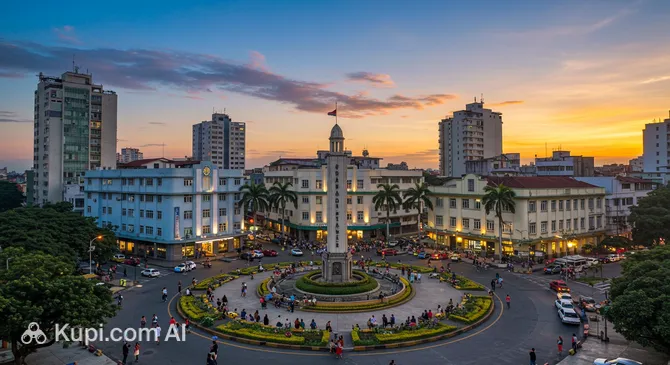
Malate. Illustration.
Source: Kupi.com AI

With a population of around 78,000 people, Malate manages to maintain a relatively intimate atmosphere despite its proximity to the bustling heart of Manila. This district is an important administrative part of the city: major transport arteries pass through here, and many embassies, universities, and cultural centers are located within its bounds. The architectural landscape of Malate is an interesting blend of old colonial buildings and modern structures.

The main charm of Malate is its soul: open, friendly, and slightly bohemian. One of the key attractions is the famous Roxas Boulevard waterfront, an ideal spot for leisurely strolls, especially at sunset. No less attractive is Mabini Street, known for its vibrant nightlife, numerous cozy cafes, art galleries, and performances by street artists. Malate is also famous for its diverse restaurants, offering both local and international cuisine.

Malate is a place where the past and present meet face-to-face, creating a unique atmosphere for those who crave new experiences and vivid emotions. If you are looking for a district with character, a rich cultural life, and a convenient location, Malate definitely deserves your attention during your visit to Manila.

You can find more interesting facts on the Malate history page.
Weather Overview

Malate enjoys a tropical climate with fairly stable temperatures throughout the year. The average annual temperature ranges from 26.0°C in January to 29.7°C in May. Maximum daytime temperatures can reach 32.4°C in May, while minimum nighttime temperatures rarely drop below 23.8°C. Expect hot weather year-round with a distinct rainy season from May to October, when rainfall and humidity increase significantly, peaking in July and August. The driest months are from January to April. For a more detailed look at weather conditions, visit the Malate Climate page.

Average monthly temperature

Average monthly precipitation

Interesting Facts

Beyond its famous boulevards and lively nightlife, the Malate district in Manila hides many surprising stories and lesser-known details. These curious facts will help you see it in a new light and perhaps inspire a deeper exploration of this colorful corner of the Philippine capital.

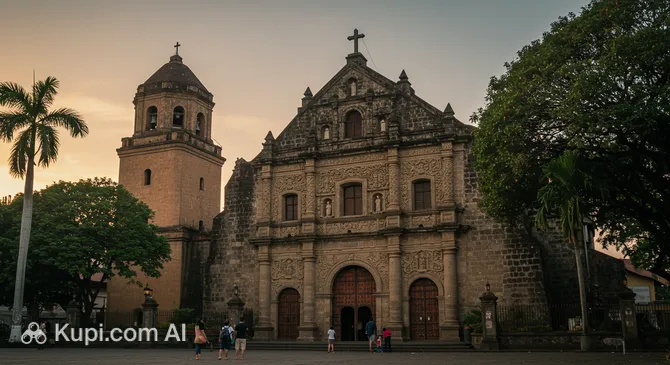
San Agustin Church (Malate). Illustration.
Source: Kupi.com AI

Traveler photos:

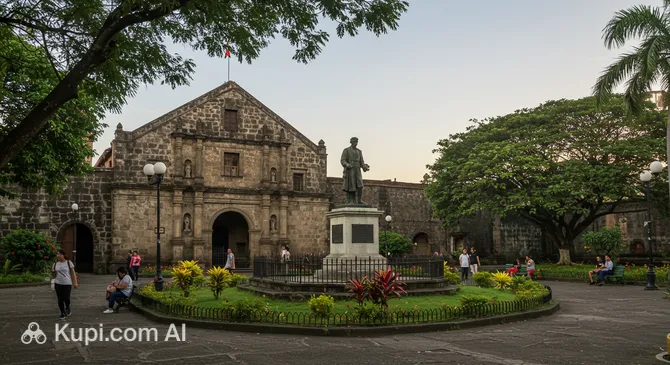
  • Malate is one of Manila's oldest districts, with history dating back to the colonial era. It is home to the famous San Agustin Church (Malate), a unique architectural monument whose facade combines Baroque elements with Muslim craftsmanship, resembling an Eastern palace, while its interior frescoes are breathtakingly beautiful.

  • In the 20th century, Malate transformed into a true bohemian hub, attracting artists, musicians, and writers. Its streets became stages for vibrant cultural festivals, parades, and street performances, creating a unique creative atmosphere that can still be felt today.

  • Malate is home to one of the city's most iconic parks—Rizal Park. It is named after the national hero of the Philippines, Jose Rizal. Beyond its beautiful landscapes, you can find unusual memorials and mosaics that tell the story of the country's heroic past.

  • The district is famous for its hospitality and multinational atmosphere. Malate regularly hosts themed fairs, food festivals, and art exhibitions that attract visitors from around the world and reflect its cultural diversity.

How to Get There

Malate, being one of the most colorful districts in Manila, boasts excellent transport accessibility. As part of the capital, getting here is easy for both international travelers and those traveling within the country. You can find all the details and plan your perfect route by visiting the how to get to Malate page.

The primary gateway for air travelers is Ninoy Aquino International Airport (IATA: MNL). This is the country's main and busiest aviation hub. It is worth noting that the airport is not located within Malate itself, but in Manila (on the border with Pasay City), just 7.3 km from the district center. A taxi or transfer will take about 30–40 minutes, though this can vary significantly depending on Manila's famous traffic jams. This is the most convenient option for most tourists.

An alternative option is flying into Clark International Airport (IATA: CRK), located in Angeles City. It is significantly further away—approximately 82 km from Malate. This airport is often chosen by those flying with budget airlines. The journey from there to Malate by bus or taxi takes about 2.5 hours. Despite the distance, modern infrastructure makes this route quite comfortable.

For clarity, here is summary information on the main airports:

AirportPassenger trafficDistance
Ninoy Aquino International Airport50.1 mln7 km
Clark International Airport2.4 mln82 km
Naga Airport71 487269 km
Cauayan Airport66 415274 km
Busuanga Airport341 546288 km

Regarding rail travel, there are no direct long-distance trains to Malate. The primary mode of land travel is by road. If you are already on the island of Luzon, you can reach Manila via comfortable intercity buses that arrive at various terminals throughout the capital. From there, Malate is easily reached by city taxi, using popular ride-hailing apps, or via local public transport such as jeepneys and the light rail (LRT-1).

Main Attractions

Malate, a lively district of Manila, offers tourists many interesting places to discover the culture, history, and modern life of the Philippines. Here, everyone will find something for themselves, from historical monuments to modern entertainment centers.

One of the district's main gems is the San Agustin Church (Malate). This historic church, built in a style characteristic of the Spanish colonial period, attracts visitors with its majestic architecture and rich history. It is not only an important religious center but also a witness to many historical events. Visiting the church allows you to touch the past and appreciate the craftsmanship of architects from previous centuries.

San Agustin Church (Malate). Illustration.
Source: Kupi.com AI

Traveler photos:

For those interested in history and who enjoy outdoor walks, Plaza Bonifacio is a must-see. This historic square, named after one of the national heroes of the Philippines, Andres Bonifacio, is a popular meeting and recreation spot. Here you can see monuments, enjoy the city's atmosphere, and take great photos.

Bonifacio Square. Illustration.
Source: Kupi.com AI

Traveler photos:

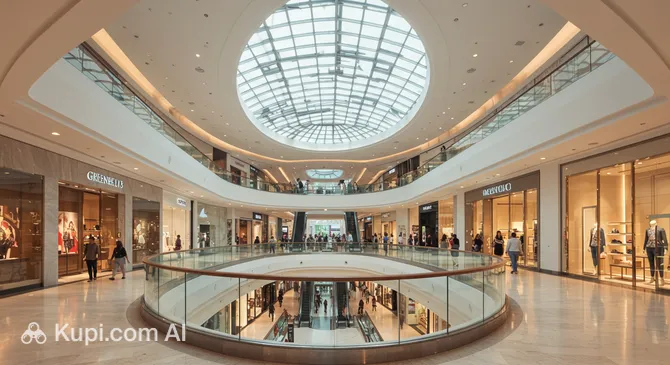
If you are in the mood for shopping or looking for a place to enjoy delicious food and entertainment, head to Greenbelt 3. This is part of the large Greenbelt shopping and entertainment complex, known for its numerous stores, international brand boutiques, restaurants for every taste, and cinemas. A special feature of Greenbelt is its green zones and chapel, creating a pleasant atmosphere for relaxing between purchases.

Greenbelt 3. Illustration.
Source: Kupi.com AI

Traveler photos:

Fans of Asian cuisine should check out Din Tai Fung, globally renowned for its delicious Taiwanese dishes, especially its xiao long bao dumplings. This is a great place to get acquainted with the region's gastronomic traditions and enjoy quality food in a pleasant setting.

Local Cuisine

Malate is the true culinary heart of Manila, where Filipino gastronomic traditions are skillfully interwoven with international influences. This district attracts foodies with its diversity and authentic atmosphere, offering an unforgettable taste experience.

Be sure to try classic Filipino dishes such as adobo—tender meat or chicken stewed in vinegar, soy sauce, and garlic—or sinigang—a flavorful, sour soup made with meat, fish, or seafood and vegetables. Fresh seafood is especially popular in Malate: shrimp, squid, and various fish masterfully prepared on the grill or in spicy sauces. For the most adventurous gourmets, you can find the exotic delicacy known as balut—a boiled duck egg with a partially formed embryo.

Street food is an integral part of Malate's culinary culture. Local markets and lively food courts that stay open late into the night offer a huge selection of treats. Don't miss the chance to try crispy lumpia—Filipino spring rolls with meat or vegetable fillings. For dessert, the perfect choice is halo-halo—a refreshing mix of crushed ice, sweet beans, fruits, jelly, ice cream, and condensed milk.

For drinks, look out for fresh juices made from exotic fruits like mango or pineapple, as well as refreshing coconut water (buko). Among alcoholic beverages, local beer like San Miguel is very popular. Locals and tourists alike enjoy food in both numerous small restaurants and right on the street from food stalls. The atmosphere here is always lively, especially in the evenings when street cafes and markets fill with people.

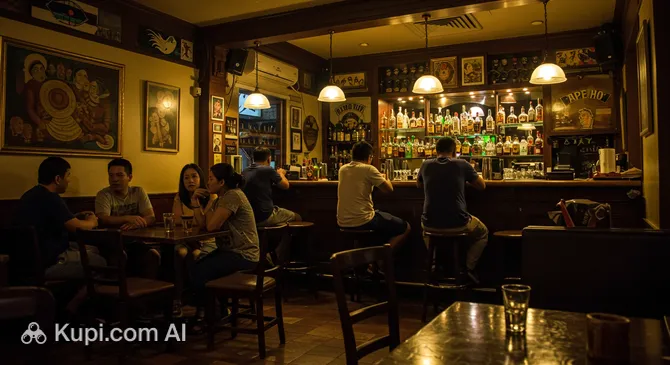
Malate often serves as a venue for food festivals, during which the streets are filled with food stalls and restaurants offer special menus. This is a wonderful opportunity to experience the full diversity of Filipino cuisine. If you want to spend the evening in a pleasant setting and feel the local flavor, you can stop by one of the many bars, such as Octopus, to sample various drinks.

Octopus. Illustration.
Source: Kupi.com AI

Traveler photos:

Travel Tips

Welcome to Malate! This lively district of Manila is full of surprises and vivid experiences. To ensure your trip goes smoothly and leaves only pleasant memories, we have prepared some practical tips.

  1. Clothing and Essentials: The climate in the Philippines is tropical, so choose light and breathable clothing made from natural fabrics. Don't forget sunscreen, a hat, and comfortable walking shoes. If you plan to visit churches, such as the famous Malate Church, bring something to cover your shoulders and knees. A universal power adapter will also be useful.
  2. Transport in Malate: You can move around Malate and Manila on colorful jeepneys (a unique local transport), buses, or by using the LRT-1 metro line that passes through the district. For more comfort and predictable pricing, it is recommended to use ride-hailing apps like Grab. Renting a car is generally not recommended for tourists due to heavy traffic and local driving habits.
  3. Finance: The local currency is the Philippine Peso (PHP). You can exchange money at banks or licensed exchange offices in shopping malls. Credit and debit cards are accepted in most hotels, large stores, and restaurants. ATMs are widely available. Tipping is not mandatory but welcomed (5-10% in restaurants if a service charge is not included).
  4. Health and Safety: Pharmacies (e.g., Mercury Drug, Watsons) are easy to find, and some operate 24/7. It is wise to get travel insurance before your trip. Malate is a busy district, but as in any large city, stay vigilant, especially after dark and in crowded places. Keep an eye on your belongings, avoid displaying valuables, and drink bottled water.
  5. Communication: The official languages are Filipino (Tagalog) and English. English is widely spoken, especially in the tourism sector, so you shouldn't have any communication problems. Local SIM cards (Globe or Smart operators) can be purchased at the airport or in shopping malls. Wi-Fi is available in many cafes, hotels, and malls.
  6. Local Etiquette: Filipinos are very friendly and hospitable. A smile and polite address are always appropriate. When addressing elders or in formal settings, use the respectful particles "po" and "opo." Avoid public displays of anger or loud arguments.
  7. What to Avoid: Do not criticize local customs, food, or the country in general, especially in public. Also, remember that the Philippines has very strict drug laws—avoid any situations involving them.
  8. Malate's Unique Character: The district is famous for its bohemian atmosphere, numerous art galleries, antique shops, and vibrant nightlife, especially around Remedios Circle. It is also a great place to try a variety of cuisines—from local Filipino dishes to international fare.

We hope these tips help you better prepare for your trip to Malate and enjoy every moment of your stay in this colorful corner of Manila. Have a great journey!

Entertainment & Nightlife

Malate is the district of Manila that truly comes to life after dark. It is famous for its vibrant and diverse nightlife, offering entertainment for every taste and budget. If you are looking for fun after sunset, Malate will not disappoint.

The main hub for nightlife enthusiasts is the area around Remedios Circle, as well as Nakpil Street and Adriatico Street. Here you will find a concentration of bars, clubs, karaoke bars (KTV), and restaurants that stay open late into the night or even until dawn. The atmosphere in Malate is quite casual and lively, attracting both locals and tourists. The crowd is diverse—from students to expats and travelers. Most venues do not require a strict dress code, though some of the more upscale clubs may not admit guests in overly casual beachwear.

Octopus. Illustration.
Source: Kupi.com AI

Traveler photos:

Popular spots include various bars with live music playing both local and international hits. Dance lovers will find clubs featuring different musical genres here. One interesting place for an evening out is the Octopus bar, where you can enjoy drinks in a pleasant environment. If you get hungry late at night, restaurants like Din Tai Fung or Mendokoro Ramenba can provide a delicious dinner.

Practical Tips for Malate Nightlife:

The best time to visit nightlife venues is Friday and Saturday nights when the streets are particularly busy. Most bars and clubs start to fill up after 10:00 PM and stay open until 3 or 4 AM, with some even later. Prices for drinks and club entry vary but generally remain affordable compared to many other capitals. The most convenient way to get to Malate and move around at night is by taxi or using ride-hailing apps. It is recommended to use official taxis or trusted apps for your safety.

Safety:

Malate is considered a relatively safe district for night walks, especially in busy areas. However, as in any large city, standard precautions apply: keep an eye on your belongings, avoid poorly lit and deserted streets, and never leave your drinks unattended. If you are returning late, take a taxi.

Malate also offers interesting leisure options during the day. While the district is better known for its nightlife, cultural sites can be found here as well. For example, historic sites like Plaza Bonifacio are nearby, or you can visit the ancient San Agustin Church. Manila also has many museums and parks to explore during daylight hours before diving into evening adventures.

Parks & Museums

Malate, a vibrant district of Manila, offers its guests not only a bustling nightlife and a variety of restaurants but also the opportunity to connect with nature and a rich cultural heritage. Here you can find both cozy green corners for relaxation and places that preserve the history and art of the Philippines.

One of the main green spaces easily accessible from Malate is the famous Rizal Park. It is not just a park but a true national symbol—a massive area with manicured gardens, ponds, monuments, and open spaces for recreation and events. It is a pleasant place for a stroll, a picnic, or simply a break from the city's hustle. Located directly in Malate is Remedios Circle, a small but lively square with a fountain surrounded by cafes and restaurants, serving as a popular meeting point. For lovers of seascapes and sunsets, a walk along the Manila Baywalk, stretching along the coastline, is ideal.

You can immerse yourself in the world of art and history by visiting the National Museum Complex of the Philippines, located in close proximity to Malate. It brings together several museums, including the National Museum of Fine Arts, the National Museum of Anthropology, and the National Museum of Natural History, each offering unique exhibits detailing the country's rich culture and nature. In the heart of Malate lies the San Agustin Church—not only an active place of worship but also an outstanding monument of Baroque colonial architecture. Its massive walls and ancient interiors preserve the spirit of past centuries and will be of interest to anyone who values history and architecture.

San Agustin Church (Malate). Illustration.
Source: Kupi.com AI

Traveler photos:

Among other significant historical sites, Plaza Bonifacio stands out. This site carries the memory of important events in Philippine history and is a draw for those wishing to better understand the country's past. Here you can see monuments and soak in the atmosphere of the district's historical significance.

Bonifacio Square. Illustration.
Source: Kupi.com AI

Traveler photos:

To fully experience Malate, don't limit yourself to just the famous attractions. Wander through its side streets, where you can discover interesting graffiti, small art galleries, or authentic local eateries. In the evening, Remedios Circle comes alive in its own special way, offering a chance to dive into the local atmosphere with live music and socializing.

Getting Around

Getting around Malate and other districts of Manila can be surprisingly diverse, if sometimes chaotic. Public transport here is a kaleidoscope of options, from colorful jeepneys to modern trains.

The main and most recognizable part of the transport system is the jeepney—extended, brightly painted, and often decorated jeeps. This is the primary mode of transport for many locals and the most budget-friendly option. A jeepney ride usually costs between 15-50 Philippine pesos depending on the distance. Jeepneys have fixed routes, usually written on the sides or windshield. Payment is made in cash directly to the driver or conductor; simply pass the money forward if you are sitting far back. Stops are made on request—just let the driver know when you want to get off.

In addition to jeepneys, buses serve longer routes throughout Malate and Manila. Some are air-conditioned. Payment is also mostly in cash, though some routes accept the Beep™ transport card. Bus fares are comparable to or slightly higher than those for jeepneys. The Malate district is well-served by the LRT-1 (Light Rail Transit) elevated metro line, with stations such as Vito Cruz, Quirino, and Pedro Gil within walking distance. This is a fast way to reach other parts of the metropolis while avoiding traffic. An LRT-1 trip costs about 15-35 pesos depending on the number of stations. For paying on the LRT/MRT, it is most convenient to use a Beep™ card or buy single-journey tickets.

For short trips within the district, especially along narrow streets, tricycles (motorcycles with sidecars) and pedicabs (bicycle rickshaws) are indispensable. The price for these trips is negotiable, so always confirm the price before boarding. They are usually slightly more expensive than jeepneys but convenient for short "door-to-door" distances.

The payment system in Manila is gradually modernizing. A key element is the reloadable Beep™ smart card, which can be used for LRT/MRT trains and some bus routes. The card can be purchased and topped up at LRT/MRT stations and some convenience stores. Cash is still widely accepted, especially in jeepneys and tricycles. Try to keep small bills and coins with you.

As an alternative to public transport, taxis are always available. It is recommended to use official taxis with a working meter or to book a car through popular ride-hailing apps like Grab, which often provides more predictable pricing and safety. A taxi flag-down rate usually costs about 40-70 pesos, with additional charges for distance and time. Taxis are significantly more expensive than other forms of public transport, especially for long distances or during rush hour. Car-sharing and bike-rental systems are less common in Malate compared to other major cities.

Practical tips for tourists: Public transport usually starts early in the morning and ends late at night, but schedules can vary. During rush hours (weekday mornings and evenings), transport can be very crowded, and significant traffic jams occur, so plan your trips with extra time. Familiarize yourself with basic routes in advance if possible, and don't hesitate to ask locals for directions—they are usually friendly and ready to help.

Accommodation

In Malate, travelers will find a wide variety of accommodation options to suit different preferences and budgets. You can find everything from affordable guesthouses and hostels, ideal for backpackers, to comfortable mid-range hotels. Short-term rental apartments are also available, offering more space and a homey feel, along with more luxurious options for those seeking enhanced comfort.

When choosing accommodation in Malate, consider staying near major transport links or popular attractions, such as the San Agustin Church (Malate) or shopping malls, to ensure easy travel around the city and access to entertainment. Many hotels and apartments are concentrated in the livelier parts of the district, offering easy access to restaurants and nightlife.

The price range for housing in Malate varies from budget-friendly options to more expensive offerings. You can book a suitable option through popular online booking platforms or directly on hotel websites. The selection is truly wide, allowing every tourist to find the optimal balance of price and quality.

To guarantee the availability of the best options at reasonable prices, especially if your trip coincides with the peak tourist season, it is recommended to book your accommodation in advance. This will also give you more time to study reviews and choose the most suitable place for your stay in Malate.

Nearby Cities

For those looking to explore the surrounding areas, Malate serves as an excellent starting point for day trips to several interesting nearby locations:

CityPopulationDistance
Ermita10 5232 km
Pandacan76 1342 km
Paco79 8392 km
Quiapo23 1383 km
Manila24 922 0003 km

Each of these cities offers something unique, making them excellent choices for a short trip from Malate. For example, Manila, as the capital of the Philippines, impresses with its historic Intramuros district and rich cultural life. Tondo, one of Manila's oldest districts, offers an authentic experience with its bustling local markets. Makati is a modern financial hub with chic shopping malls and restaurants. In Pasay, you can find large entertainment complexes, including the famous Mall of Asia. And Mandaluyong, known for its shopping centers, offers great opportunities for retail therapy.

These nearby destinations provide a glimpse into the diverse culture and landscapes of the region. Each city offers its own unique attractions and atmosphere, making them wonderful additions to your trip to Malate.

Shopping & Souvenirs

Malate, being part of the bustling capital of the Philippines, offers its guests diverse shopping opportunities. While the district itself is better known for its bohemian atmosphere, restaurants, and nightlife, shopping enthusiasts will find both modern shopping centers and authentic local shops here. You can find clothing, accessories, electronics, and, of course, unique Philippine souvenirs.

Main retail outlets and small shops in Malate are often concentrated along busy streets such as Adriatico Street and Mabini Street. Strolling along these, you will discover many boutiques, souvenir stalls, antique shops, and art galleries. This area is particularly lively in the evenings when locals and tourists head out for a promenade.

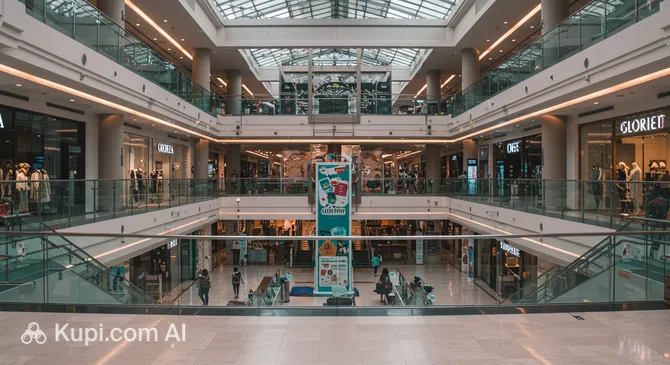
For a more concentrated shopping experience, you can visit large malls located in Malate or the immediate vicinity. Popular spots offering a wide range of goods include Greenbelt 3, which features both luxury brands and mid-range stores, as well as Glorietta 4, known for its variety of shops and entertainment venues. These complexes provide comfortable conditions for shopping, along with food courts and cinemas.

Glorietta 4. Illustration.
Source: Kupi.com AI

Traveler photos:

While Malate is not famous for large traditional markets like some other districts of Manila, you can find street vendors and small local markets selling fresh fruit, local snacks, and inexpensive souvenirs. For a more authentic market experience, consider trips to other parts of the city.

Popular souvenirs from Malate and the Philippines in general include shell and pearl jewelry, hand-woven bags and baskets ("bakakua"), wooden figurines and masks, local rum such as "Don Papa" or "Tanduay," "barako" coffee with its strong aroma, and the famous dried mangoes and other tropical fruits. Items of clothing made from light natural fabrics can also be an interesting purchase.

Most shopping malls in Manila, including those easily accessible from Malate, typically operate from 10:00 or 11:00 AM to 9:00 or 10:00 PM, especially on weekends. Smaller shops may have more flexible hours. International credit cards are widely accepted in malls and large stores. However, in small shops and markets, it is preferable to have cash in Philippine Pesos (PHP).

Tourists shopping in the Philippines may be eligible for a VAT refund on certain goods when leaving the country. It is recommended to check the conditions and Tax Free procedure in advance at participating stores (usually large department stores and boutiques) and be sure to keep all receipts and necessary documents for presentation at customs at the airport.

Reached the end of the page?

That means the route is fully explored