Support

Makati

About

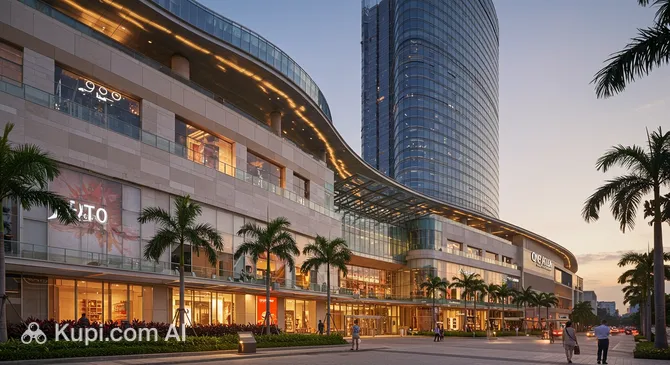
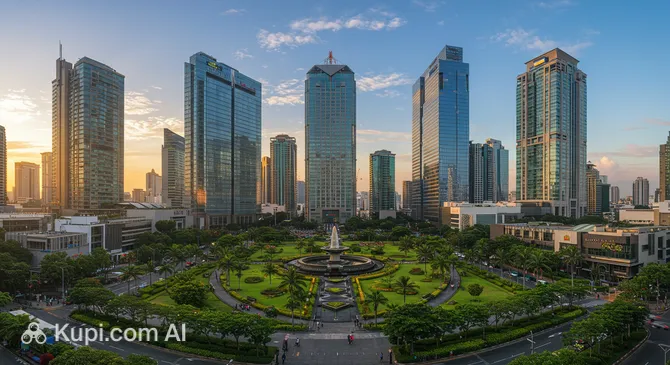
Makati is the pulsing heart of business life in the Philippines, a city that impresses with its dynamism and striking contrasts. Here, modern skyscrapers made of glass and concrete sit side-by-side with centuries-old churches, and ultra-trendy shopping centers blend seamlessly with cozy green parks, creating a unique atmosphere.

Located on Luzon Island in the center of the Metro Manila metropolis, Makati occupies a strategically important position. With a population of about 630,000 people, it is not just a densely populated area, but the recognized financial center of the country and one of the largest commercial and economic hubs in Southeast Asia. This is where the headquarters of leading banks, international corporations, and embassies are located, giving the city its cosmopolitan character.
Makati. Illustration.
Source: Kupi.com AI

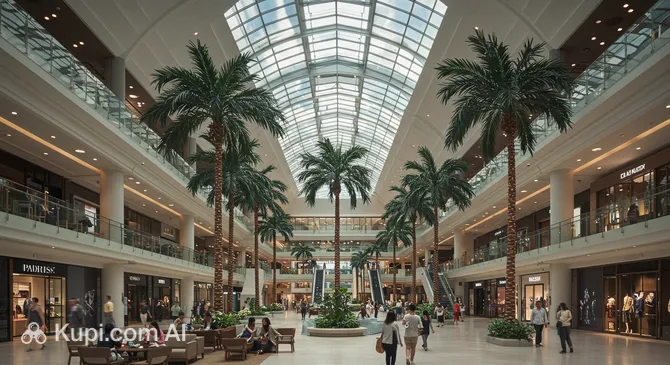
Makati attracts tourists with its diverse range of experiences. Shopping enthusiasts will appreciate grand complexes like Greenbelt and Glorietta, which offer goods for every taste and budget. History and culture buffs can visit the historic Nuestra Señora de Gracia Church (Guadalupe Church) or the Ayala Museum, which showcases the history and art of the Philippines. For outdoor relaxation, the well-maintained Ayala Triangle Gardens and Legazpi Active Park are perfect choices.

The city is also famous for its vibrant nightlife, numerous restaurants offering both local and international cuisine, and regular exhibitions, concerts, and festivals. Here, everyone will find something to their liking, whether it's a business trip, a family vacation, or a romantic weekend.

Makati is a city that combines comfort, style, and incredible energy. It warmly welcomes everyone ready to immerse themselves in its unique atmosphere and discover the modern face of the Philippines. Come and see for yourself — Makati will not leave you indifferent!

You can find more interesting facts on the Makati city history page.
Weather Overview

The weather in Makati is characterized by a tropical climate with fairly consistently high temperatures throughout the year. The average annual temperature fluctuates slightly, remaining in a comfortable warm range. Expect hot and humid weather, especially from March to May, when average maximum temperatures can exceed 31-32°C. The "coolest" months are January and February, with average temperatures around 26°C.

The city experiences a distinct dry season, which usually lasts from January to April, with minimal rainfall (1-2 mm per month). The wet season arrives in May and lasts until October or November, bringing significant rainfall. The peak of the rains occurs in July and August, when 14-16 mm of precipitation falls, with up to 30 rainy days per month. You can learn more about the Makati climate on a dedicated page.

Average monthly temperature

Average monthly precipitation

Interesting Facts

Beyond its skyscrapers and business centers, Makati hides many amazing stories and little-known details. This dynamic city is ready to share its secrets with curious travelers.

  • Makati is a place where the past meets the future. It is home to some of the country's oldest churches: Nuestra Señora de Gracia, built in 1629, and the Saints Peter and Paul Church, dating back to 1620. These historical shrines are true gems of Philippine architecture and history, surprising visitors with their atmosphere and beauty.

  • The city is famous not only for its financial success but also for its cultural achievements. It is in Makati that the famous Ayala Museum is located — the largest private museum in the Philippines, housing unique exhibits that tell the story of the country's history, art, and ethnography. It also frequently hosts vibrant art exhibitions and festivals.

  • Makati boasts an impressive concentration of shopping centers. It is said to have one of the highest ratios of malls per square kilometer in Southeast Asia. Among them are shopping giants like Greenbelt Mall, Glorietta, and the Power Plant Mall, offering goods and entertainment for all tastes.

  • Many famous Filipinos were born and worked in the city: businesspeople, politicians, artists, and musicians. Makati is considered a place where new trends are born and local culture stars emerge. A special point of pride for the city is its well-developed volunteer movement and numerous charitable initiatives.

Power Plant Mall. Illustration.
Source: Kupi.com AI

Traveler photos:

How to Get There

Makati is part of the Metro Manila capital region, so getting here is quite easy. Most tourists arrive via the country's main air gateways located nearby. You can explore all the ways to get to the city in more detail on a dedicated page.

The most convenient and popular option is to fly into Ninoy Aquino International Airport (IATA: MNL). It is worth noting that this airport is not in Makati itself, but in the neighboring city of Manila, just about 5.9 km from the center of the business district. It is the country's largest aviation hub. Travel time by taxi or transfer is usually around 30 minutes, though you should account for Manila's famous traffic jams, which can increase this time.

As an alternative, some travelers choose Clark International Airport (IATA: CRK). It is located in Angeles City, about 86 km from Makati. This option can be convenient if you find budget airline tickets. The trip from here to Makati by bus or taxi takes about 2.5 hours (approximately 150 minutes).

For convenience, here is a summary of the main airports:

AirportPassenger trafficDistance
Ninoy Aquino International Airport50.1 mln6 km
Clark International Airport2.4 mln86 km
Naga Airport71 487265 km
Cauayan Airport66 415274 km
Busuanga Airport341 546287 km

Main Attractions

Makati, the modern financial center of the Philippines, offers tourists not only business opportunities but also many interesting places for leisure and entertainment. Here, skyscrapers stand alongside green parks, and bustling shopping centers neighbor historical monuments.

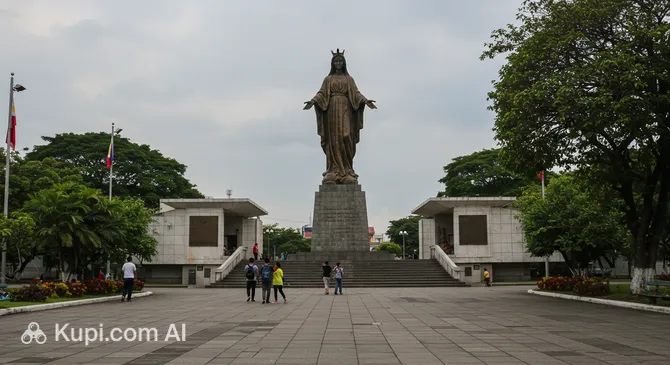
One of the iconic landmarks is the People Power Monument on EDSA. This monument is dedicated to the peaceful revolution of 1986 that led to the overthrow of the dictatorship. It symbolizes the power of national unity and the quest for freedom, attracting those interested in the modern history of the Philippines.

EDSA People Power Monument. Illustration.
Source: Kupi.com AI

Traveler photos:

For shopping and entertainment lovers, the Power Plant Mall is a must-visit. It's not just a place for shopping but a true hub of attraction with many well-known brand stores, restaurants for every taste, a cinema, and entertainment zones. It is ideal for spending time with family or friends.

Power Plant Mall. Illustration.
Source: Kupi.com AI

Traveler photos:

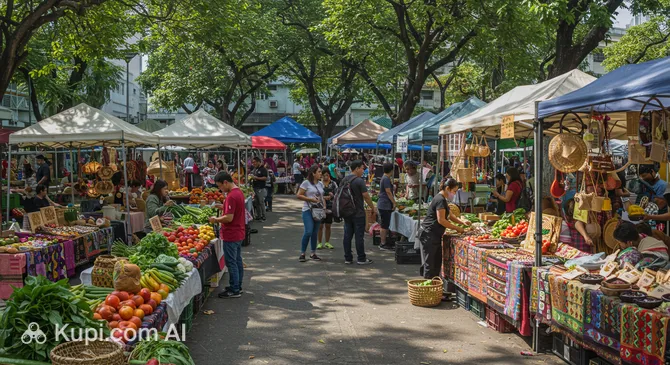
If you want to dive into the local atmosphere and purchase unique souvenirs or fresh produce, head to the Salcedo Weekend Market. This lively market, operating on weekends, offers a wide selection of local delicacies, handmade crafts, organic products, and much more. It's a great place to feel the local flavor of Makati and chat with residents.

Salcedo Weekend Market. Illustration.
Source: Kupi.com AI

Traveler photos:

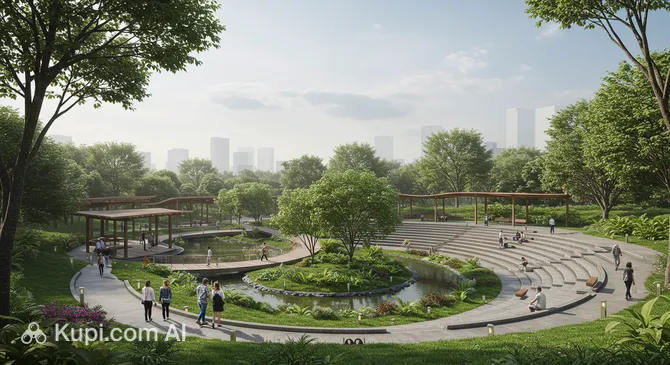
For those seeking peace and solitude amidst the city bustle, Legazpi Active Park is an excellent choice. This well-maintained green oasis offers shaded paths for walking, playgrounds for children, and picnic spots. Various events and festivals are often held here, making it a popular relaxation spot for both tourists and locals.

Legazpi Active Park. Illustration.
Source: Kupi.com AI

Traveler photos:

It is also worth visiting the Santuario de San Antonio Parish, located in the prestigious district of the same name. This is a modern Catholic church known for its beautiful architecture and peaceful atmosphere. It serves as an important spiritual center for the local community and is interesting to tourists as an example of modern religious architecture.

Local Cuisine

Makati is a true paradise for foodies, offering an incredible variety of flavors, from authentic Filipino dishes to exquisite international culinary masterpieces. The city's gastronomic scene is dynamic and multifaceted, with something for everyone. Be sure to start your introduction to local cuisine with staples such as adobo — tender meat stewed in vinegar, soy sauce, and garlic — and sinigang — a fragrant, sour soup, most often made with tamarind and meat or seafood.

Other must-try dishes include lechon (a whole roasted suckling pig with crispy skin) and kare-kare (a rich oxtail or beef stew with vegetables in a thick peanut sauce). Fresh seafood dishes such as oysters, shrimp, and squid, prepared according to traditional recipes, also hold a place of honor on many menus. These culinary delights can be tasted in upscale establishments, such as the Raffles Makati restaurants, or in cozy family cafes where flavor secrets are passed down through generations.

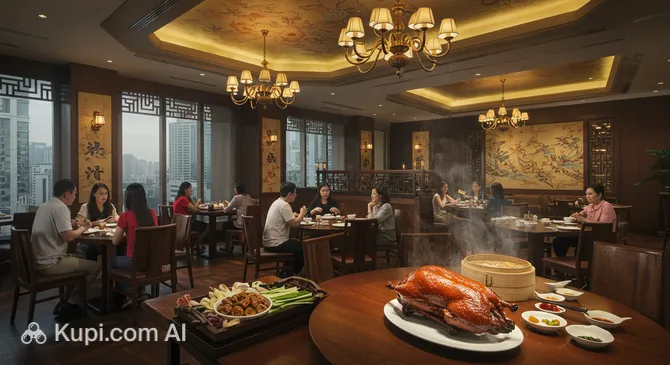
East Ocean Palace. Illustration.
Source: Kupi.com AI

Traveler photos:

The food culture in Makati is very diverse. Beyond restaurants, food courts and street food are extremely popular. Markets hold a special place, where you can not only buy fresh produce but also try many local delicacies. A prominent example is the Salcedo Weekend Market, which gathers the best farmers and chefs on weekends, offering authentic dishes and original creations. Don't forget to try the famous Filipino dessert halo-halo — a refreshing treat made of crushed ice, sweet beans, fruit, jelly, ice cream, and condensed milk, perfect for the hot climate.

As for drinks, a rich selection awaits you in Makati. On a hot day, calamansi juice (a drink made from a local citrus similar to lime), fresh coconut water straight from the nut, or various tropical fruit smoothies are perfectly refreshing. In the evening, the city comes alive with numerous bars and lounges where you can enjoy signature cocktails. Visit, for example, The Curator Coffee & Cocktails to appreciate the skill of local mixologists. It is also worth trying Filipino rum, known for its quality, and local wine varieties.

Travel Tips

Welcome to Makati, the financial heart of the Philippines and a modern city full of opportunities for an exciting journey! To ensure your trip goes smoothly and leaves only pleasant impressions, we have prepared some practical tips to help you navigate better.

  1. Clothing and Essentials:

    The climate in Makati is tropical, hot, and humid year-round. Bring light, breathable clothing made of natural fabrics (cotton, linen). The rainy season lasts from June to November, so a compact umbrella or a light raincoat will be quite useful. Don't forget sunscreen, a hat, and sunglasses. A key point — comfortable shoes for walking around the city and shopping malls. For electronics, you may need a universal adapter (the Philippines uses Type A, B, and occasionally C sockets). When visiting churches and religious sites, modest clothing that covers shoulders and knees is recommended.

  2. Getting Around the City:

    There are various ways to get around Makati. Public transport includes buses, colorful jeepneys, and the MRT-3 metro line that passes through the city. Taxis are easy to find, but it's much more convenient to use mobile ride-hailing apps, such as Grab. Renting a car is generally not recommended for tourists due to heavy traffic and parking difficulties. Central areas, such as Ayala Center, are pleasant to explore on foot.

  3. Finances: Currency, Cards, Tipping:

    The local currency is the Philippine Peso (PHP). You can exchange money at banks and licensed exchange offices in shopping malls; avoid street money changers. Credit and debit cards (Visa, Mastercard) are widely accepted in hotels, large stores, and restaurants. ATMs are available everywhere. An approximate daily budget (excluding accommodation) can be 2,500-5,000 PHP. Tipping is not mandatory but welcomed: 5-10% in restaurants if a service charge is not included, and small amounts for porters or housekeepers.

  4. Health and Safety:

    There are many pharmacies in Makati (e.g., Mercury Drug, Watsons), some of which are open 24/7. The city is home to the Makati Medical Center — a large hospital with a good reputation. Be sure to get travel insurance. The Ayala Center, Salcedo Village, and Legazpi Village areas are considered safe, especially during the day. Stay vigilant in crowded places and watch your belongings to avoid pickpockets. It is recommended to drink bottled water.

  5. Communication and Internet:

    The official languages are Filipino (Tagalog) and English. English is widely spoken, especially in business and tourism, so communication should not be an issue. Useful Tagalog phrases: "Salamat" (thank you), "Magandang umaga/hapon/gabi" (good morning/afternoon/evening). A local SIM card (Globe, Smart) can be bought at the airport or in stores. Wi-Fi is available in most hotels, cafes, and shopping malls. Useful apps include Grab (transport, food delivery).

  6. Local Etiquette and Interaction:

    Filipinos are very hospitable and friendly. Greetings usually involve a smile and a nod; for formal introductions, a handshake. Respect for elders is very important; using the words "po" and "opo" (polite particles) when addressing elders or to show respect will be appreciated. In public places, try not to raise your voice and avoid public displays of anger.

  7. What to Avoid:

    Try not to photograph locals without their prior permission, especially in private settings. Also, avoid open criticism of local customs, food, or the country — Filipinos are very proud of their heritage and can be sensitive to such remarks.

  8. Special Tip for Makati:

    Be sure to visit the famous weekend markets, such as the Salcedo Saturday Market or the Legazpi Sunday Market. This is a great opportunity to try authentic local food and buy unique souvenirs. Additionally, many shopping malls in Makati are connected by covered pedestrian walkways, allowing you to move between them comfortably without going outside — this is especially convenient in hot or rainy weather.

We hope these tips help you feel more confident and enjoy every moment of your stay in dynamic and welcoming Makati. Have a great trip!

Entertainment & Nightlife

Makati, the business hub of the Philippines, transforms at sunset, offering a wealth of entertainment for nightlife lovers. The city is famous for its diverse bars, chic clubs, and lively night districts where everyone can find something to their taste.

The main concentration of nightlife venues is in the Poblacion area and around the Greenbelt and Glorietta shopping complexes. Poblacion is a more bohemian and eclectic neighborhood with many independent bars, craft beer pubs, and art spaces. The atmosphere here is more relaxed, and the crowd is a mix of locals, expats, and tourists. Greenbelt and Glorietta offer more fashionable lounge bars, stylish clubs, and restaurants with terraces, where a smart casual dress code often applies. Many establishments stay open late into the night, and some clubs operate until morning, especially on weekends.

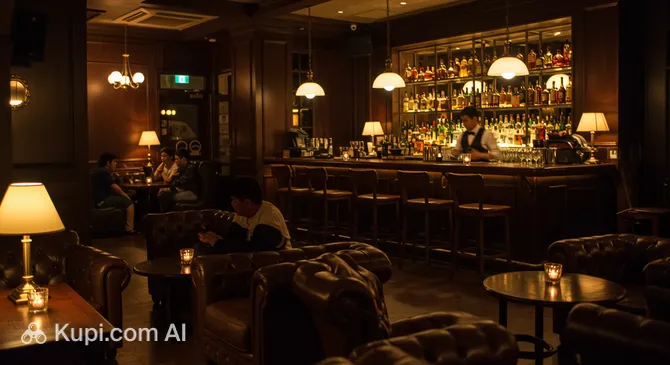
The Curator Coffee & Cocktails. Illustration.
Source: Kupi.com AI

Traveler photos:

Popular spots include The Curator Coffee & Cocktails, known for its signature cocktails and cozy atmosphere, which operates as a coffee shop by day and turns into a stylish bar by evening. Another interesting place is Fun Roof, offering great views of the city. Fans of club vibes and steaks should check out Dillingers 1903 Steak and Brew. Night markets, such as the Salcedo Weekend Market (though primarily known as a day market, it sometimes hosts evening events), offer local street food and unique goods.

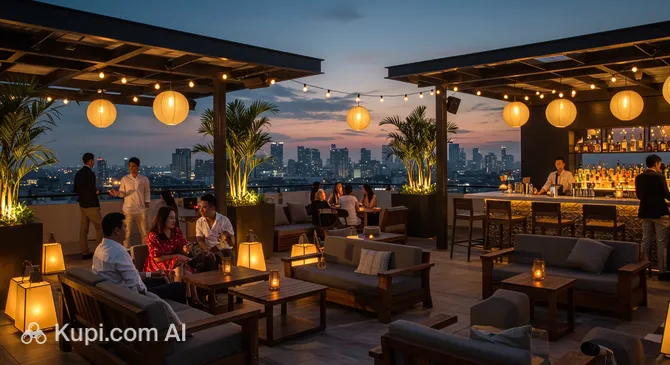
The Fun Roof. Illustration.
Source: Kupi.com AI

Traveler photos:

Practical Tips: The best time to visit bars is after 8:00 PM, while clubs start to come alive closer to midnight. Average cocktail prices vary, but generally, Makati offers options for different budgets. At night, it is most convenient to get around the city by taxi or through ride-hailing apps (e.g., Grab). It is important to use official taxis or verified apps for your safety.

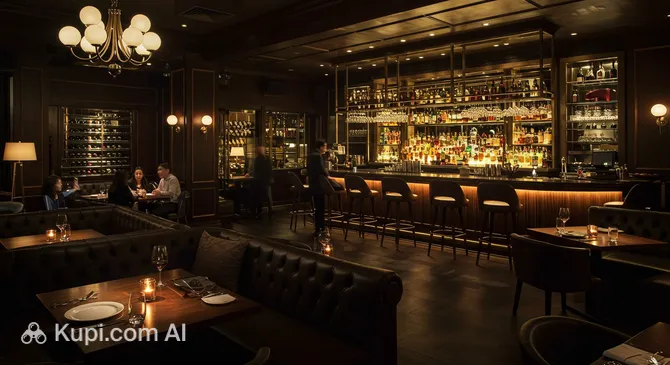
Dillingers 1903 Steak and Brew. Illustration.
Source: Kupi.com AI

Traveler photos:

Regarding safety, central areas of Makati, such as the Ayala Center (where Greenbelt and Glorietta are located) and Legazpi Village, are considered quite safe for nighttime walks; however, you should always take standard precautions: watch your belongings and avoid poorly lit or deserted streets. Calling a taxi via an app or ordering one at the hotel reception is the safest option.

During the day, Makati also has much to offer. You can visit Legazpi Active Park or Jaime C. Velasquez Park for some outdoor relaxation. Shopping enthusiasts will appreciate large malls such as the Power Plant Mall or One Ayala. Although Makati doesn't have many classical museums, a cultural program can be put together by visiting contemporary art galleries often found in the Legazpi Village area.

Parks & Museums

Makati is not just the financial heart where the country's business rhythm beats, but also a surprising place where modern skyscrapers harmoniously coexist with cozy green zones and a rich cultural heritage. Traveling through the Philippines, tourists are often surprised by how diverse leisure can be in this metropolis: from morning jogs in shaded parks to diving into history at local museums.

Among the city's green oases, Legazpi Active Park is particularly popular. It is the perfect place for those who want to take a break from the city bustle without leaving the neighborhood. It features jogging paths, playgrounds, and well-kept lawns where locals often have picnics. Another wonderful place for a stroll is Jaime C. Velasquez Park, which attracts visitors with its calm atmosphere and thoughtful landscape design, allowing one to enjoy peace in the middle of a busy city.

Legazpi Active Park. Illustration.
Source: Kupi.com AI

Traveler photos:

Makati's cultural life is equally rich. The main gem for art and history lovers is the Ayala Museum. Although it is a private institution, its collections—including the famous pre-colonial gold exhibition and dioramas illustrating key moments in Philippine history—are must-sees. It is also worth noting the Yuchengco Museum, which brings together fine art, design, and historical exhibits, creating a space for cultural dialogue.

Fans of monumental art and history will find the Bonifacio and the Katipunan Revolution Monument interesting. This memorial is dedicated to one of the country's national heroes and important events in the struggle for independence. The architecture of religious buildings is no less impressive; for example, the Santuario de San Antonio Parish serves not only as a spiritual center but also as a beautiful example of local craftsmanship that draws attention with its elegance.

For those seeking authentic experiences, the best advice is to visit the weekend markets. The famous Salcedo Weekend Market, held in the park on Saturdays, is a true gastronomic feast where you can taste homemade dishes, buy fresh products, and feel the lively atmosphere of the local community.

Getting Around

Getting around Makati, the business heart of Metro Manila, is quite simple thanks to a diverse public transport system. Although it may seem chaotic at first glance, once you understand it, you can easily reach any point in the city.

The main modes of transport in Makati are jeepneys, buses, and MRT trains. Jeepneys are colorful, modernized American military jeeps that have become a true symbol of the Philippines. They run on fixed routes indicated on their sides or windshields and are the most affordable way to travel. Buses, both air-conditioned and regular, serve longer routes, linking Makati to other areas of Metro Manila. Of particular note are the comfortable P2P (Point-to-Point) buses, which run on express routes between key locations, such as from the Ayala area to other business and residential centers.

While there is no dedicated subway line in the very center of Makati, the city is served by the MRT-3 line (Metro Rail Transit), with stations such as Ayala, Buendia, and Magallanes located on the border or in close proximity to the business districts. This is a convenient way to quickly cross significant distances and avoid traffic, especially during peak hours. Also, for short-distance trips within neighborhoods or to places less accessible to large buses, tricycles — motorcycles with a sidecar — are often used. Another popular mode of transport is the UV Express minivans, which operate like shared taxis, offering faster trips compared to jeepneys for medium and long distances.

The fare payment system in Makati is quite varied. In jeepneys and tricycles, payments are usually made in cash directly to the driver or conductor. The fare for a jeepney is very low. For trips on the MRT and many buses (including P2P), it is recommended to purchase a Beep™ card. This is a reloadable contactless card that can be bought and topped up at MRT stations, some bus terminals, and convenience stores. It significantly simplifies payment and helps avoid ticket queues. Some modern jeepneys are also beginning to accept Beep™ card payments.

Tourists should keep a few practical points in mind. Beep™ cards can be purchased at MRT stations or authorized sales points. To validate, tap the card on the reader at the entrance (and sometimes at the exit) of metro stations or on buses. Public transport usually starts operating early in the morning (around 5-6 AM) and finishes late in the evening (around 10-11 PM), although jeepneys on some popular routes may run 24/7. To plan routes, you can use online maps or local apps like Sakay.ph.

As an alternative to public transport, taxis and ride-hailing services are widespread in Makati, with the most popular being Grab. This is a convenient, though more expensive, way to get around, especially at night or with luggage. The central part of Makati, particularly the Ayala Center area, is quite suitable for walking, allowing you to enjoy the modern architecture and green zones. Bicycle rentals and car-sharing are less common as organized city systems but may be found locally.

Accommodation

Makati, as one of the main financial and business centers of the Philippines, offers tourists a wide range of accommodation options for every taste and budget. Here you will find everything: from luxury five-star hotels and stylish serviced apartments to more affordable mid-range hotels and cozy guesthouses. For budget-conscious travelers, hostels are also available, though they may be located slightly further from the most central areas.

The most popular and convenient areas for tourists to stay are those adjacent to the Ayala Center, such as Legazpi Village and Salcedo Village. These neighborhoods are famous for their safety, developed infrastructure, abundance of restaurants, cafes, shopping centers (such as the Power Plant Mall or One Ayala), and proximity to main business sites and several attractions. Staying here provides easy access to transportation and the city's main points of interest.

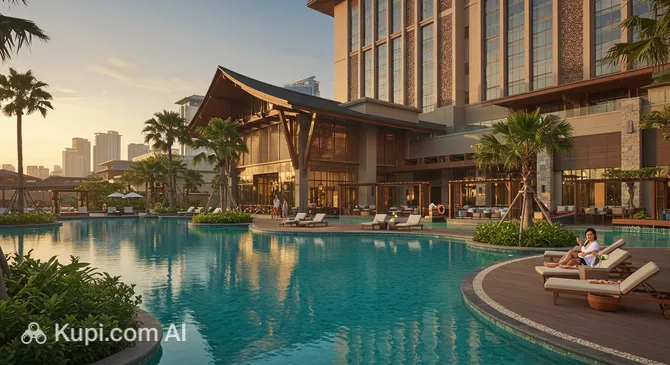
Nüwa Hotel. Illustration.
Source: Kupi.com AI

Traveler photos:

World-renowned hotel chains and local hospitality brands are represented in Makati. Among the well-known options, you can find both luxury complexes and hotels offering excellent value for money. For example, for those seeking high-class comfort, an option like Nüwa Hotel might be suitable. Many hotels offer a wide range of services, including swimming pools, fitness centers, and business facilities.

As for booking, it is recommended to arrange your accommodation in advance, especially if your trip coincides with the peak tourist season or major business events. The price range varies from budget options to luxury offers. The most common booking methods are popular international online platforms and booking systems, as well as direct booking via official hotel websites. This allows you to compare prices and choose the most suitable option.

Nearby Cities

For those who want to explore the surroundings, Makati serves as an excellent starting point for day trips to several interesting nearby locations:

CityPopulationDistance
Bel-Air36 0071 km
Poblacion153 1971 km
Pinagkaisahan57 3432 km
Guadalupe Nuevo18 3412 km
Pasay440 6563 km

Each of these cities offers something different for the inquisitive traveler:

Taguig attracts visitors with its ultra-modern Bonifacio Global City (BGC) district, which is a hub of business activity, high-end shopping, and diverse restaurants. It's a great place for those who want to see the dynamic side of Metro Manila and enjoy modern architecture.

Pasay is famous for the massive SM Mall of Asia complex, one of the largest in the world, as well as its proximity to the international airport and cultural sites like the Cultural Center of the Philippines. The city offers many options for entertainment and shopping.

Mandaluyong, often called the "shopping heart" of Manila, is famous for its numerous malls, including Shangri-La Plaza and SM Megamall. This destination is ideal for those planning a day dedicated to shopping and finding good deals.

Poblacion, the historic center of Makati itself, offers a unique blend of old-world charm and modern bohemian atmosphere. Here you can find many art galleries, independent boutiques, trendy bars, and restaurants with diverse cuisine, making it a popular spot for evening walks and gastronomic discoveries.

San Juan attracts visitors with its rich history, centered around the Pinaglabanan Memorial Shrine, dedicated to an important event in Philippine history. Additionally, the city is known for the Greenhills Shopping Center, a popular place to buy electronics, clothing, and souvenirs at affordable prices.

These nearby destinations provide insight into the diverse culture and landscapes of the region, offering excellent options for short trips from Makati.

Shopping & Souvenirs

Makati is a true paradise for shopping enthusiasts in the Philippines, offering a huge selection from luxury brands to unique local finds. The city is famous for its modern, air-conditioned shopping malls where you can spend the whole day, as well as interesting markets where you can dive into local flavor and find authentic goods.

The main center of attraction for shopaholics in Makati is the Ayala Center district. This is a vast area where numerous shopping complexes, department stores, boutiques, and restaurants are concentrated, connected by convenient pedestrian walkways. Here you can find almost everything: from clothing and electronics to cosmetics and home goods.

One Ayala. Illustration.
Source: Kupi.com AI

Traveler photos:

Among the most notable shopping centers are the Power Plant Mall, known for its stylish design and selection of premium stores, and the newer and more modern One Ayala, offering a wide range of shops and entertainment. Both centers offer a comfortable atmosphere for shopping and relaxation.

If you are looking for something more authentic, check out the markets. One of the most popular is the Salcedo Weekend Market, which operates on Saturdays. Here you can find fresh produce, local delicacies, organic goods, as well as handmade crafts and souvenirs. It's a great place to try local cuisine and purchase unique gifts.

As souvenirs from Makati and the Philippines in general, it is worth bringing back pearl jewelry (especially South Sea pearls), traditional Filipino clothing like "Barong Tagalog" for men and "Filipiniana" for women, wood carvings, woven bags and baskets, as well as the famous dried mangoes and other local sweets.

Most shopping malls in Makati are open daily, usually from 10:00 or 11:00 AM to 9:00 or 10:00 PM. Smaller shops may have more flexible schedules. Both cash (Philippine Pesos) and credit/debit cards from international payment systems are accepted. ATMs can often be found in large shopping malls and tourist shops.

Regarding Tax Free returns, the system is not as widely used in the Philippines as in some other countries. However, in certain large department stores or tourist-oriented shops, VAT refund options for foreign nationals may be available. It is recommended to clarify this information directly at the stores when making large purchases.

Reached the end of the page?

That means the route is fully explored