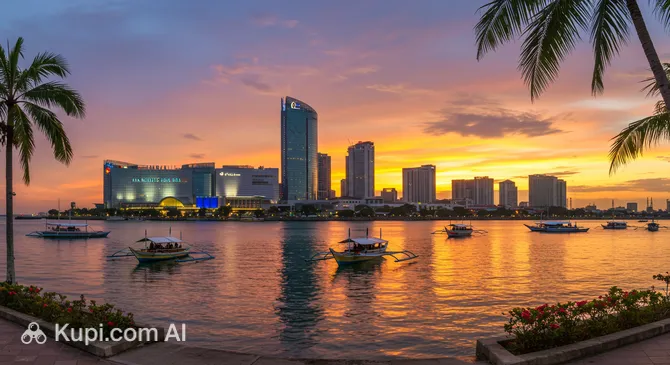
Pasay is a dynamic and vibrant city located on the west coast of Luzon, just a few kilometers south of the heart of Manila. The city is bordered by the waters of the famous Manila Bay, which gives it a special maritime atmosphere and offers stunning views of sunsets. Thanks to its advantageous location, Pasay has become a major transportation and tourism hub for the country.
Pasay. Illustration.
Source: Kupi.com AI
With a population of about 440,000 people, Pasay is part of the National Capital Region of the Philippines and is considered one of the most densely populated and urbanized cities in the country. Despite its relatively compact size, Pasay is a true kaleidoscope of modern skyscrapers, luxury hotels, massive shopping malls, and entertainment complexes. It is home to Ninoy Aquino International Airport, the country's main gateway, as well as numerous bus terminals and metro stations connecting the city to other parts of the metropolis.
The atmosphere of Pasay uniquely combines the relentless energy of a large metropolis with the relaxation of a coastal resort. The city is famous for its cultural events, lively nightlife, and an abundance of entertainment for every taste. Key attractions include the SM Mall of Asia complex, one of the largest shopping malls in the world, and the Cultural Center of the Philippines Complex, which hosts significant cultural events.
Pasay is an ideal place to experience modern Filipino culture, make gastronomic discoveries, and enjoy the sea breeze. This city is perfect for both a short stopover before further island travels and for a full-scale vacation with the whole family or a group of friends. Discover the vibrant and welcoming Pasay!
More interesting facts can be found on the history of Pasay page.
Weather Overview
In Pasay, typical tropical weather awaits you: it is hot all year round, and the seasons are clearly divided into dry and wet. Expect consistently high temperatures, ranging on average from 26.0°C in January to 29.7°C in May. The dry season usually lasts from January to April, characterized by minimal rainfall (1-2 mm per month) and a low number of rainy days. The wet season arrives in May and lasts through October, bringing more frequent and heavy rains, especially in July and August, when up to 15 mm of precipitation can fall and almost every day can be rainy. November and December are transitional months with moderate rainfall. For more detailed information, including a monthly forecast, check the Pasay Climate page.
Average monthly temperature
Average monthly precipitation
Interesting Facts
Pasay, known as the vibrant "gateway to the Philippines," holds much more than meets the eye. Beyond the famous airport and giant shopping malls, the city hides several surprising secrets and little-known details that make it truly unique. Here are just a few of them:
Pasay is often called the "gateway to the Philippines," and for good reason. It is home to the country's largest international airport, welcoming millions of travelers annually, for whom Pasay becomes their first impression of the archipelago.
Pasay houses one of Asia's most grandiose shopping complexes — SM Mall of Asia. Its territory is so vast that, besides countless shops and restaurants, it accommodates an ice rink, a modern concert arena, cinemas, and even an impressive Ferris wheel with a panoramic view of Manila Bay.
The city is a true center of cultural life, largely thanks to the famous Cultural Center of the Philippines (CCP). Its stages host major theater premieres, exquisite ballet performances, cutting-edge art exhibitions, and vibrant national festivals.
Pasay also surprises with unusual museum spaces. For example, Lakbay Museo offers guests an interactive journey through various regions of the Philippines, while the Trickeye Museum captures the imagination with optical illusions and unique photo zones, creating unforgettable impressions.
How to Get There
Pasay, as one of the key transport hubs of Metro Manila, boasts excellent accessibility. Most travelers arrive here by air, as the city is located in the immediate vicinity of the country's main aerial gateway. You can find all the details and plan your route by following the link: more about how to get to Pasay.
The most convenient way to reach the city is by flying into Ninoy Aquino International Airport (IATA: MNL). Although it is formally associated with the city of Manila, the airport terminals are located just 3.6 km from the center of Pasay, and some are situated directly on its territory. This is the country's main hub with an enormous passenger flow. A taxi or transfer ride to most hotels in Pasay will take about 25–30 minutes, depending on traffic.
An alternative option, especially for those planning to visit northern regions before the capital, is Clark Airport (IATA: CRK). It is located in Angeles City, about 86 km from Pasay. This is a modern international airport accepting many flights from Asia and the Middle East. The journey from here to Pasay by bus or taxi will take about 2.5 hours (approximately 150 minutes).
For clarity, here is a summary of the main airports:
In addition to air travel, Pasay is perfectly integrated into the ground transportation network of Luzon. It can be reached by long-distance buses from any point on the island, as several large bus terminals are located in the city. Pasay is also connected to neighboring cities by elevated metro lines (LRT and MRT), making movement within the metropolitan area fast and convenient.
Main Attractions
Pasay, a bustling city within Metro Manila in the Philippines, offers its guests several interesting spots to diversify their journey. Among them, a few key attractions stand out that may interest tourists with various preferences.
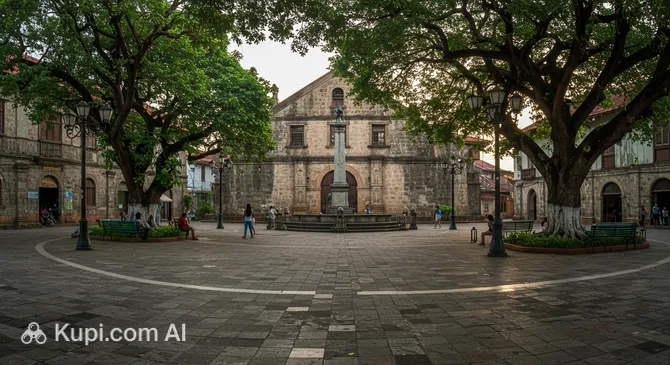
One notable location in the city is Plaza Noli. This historical site, likely connected to the country's heritage, will be particularly interesting to those fond of the culture and history of the Philippines. A stroll through the square allows for a deeper immersion into the atmosphere of the past and a chance to learn more about the region's significant events.
Plaza Noli. Illustration.
Source: Kupi.com AI
Traveler photos:
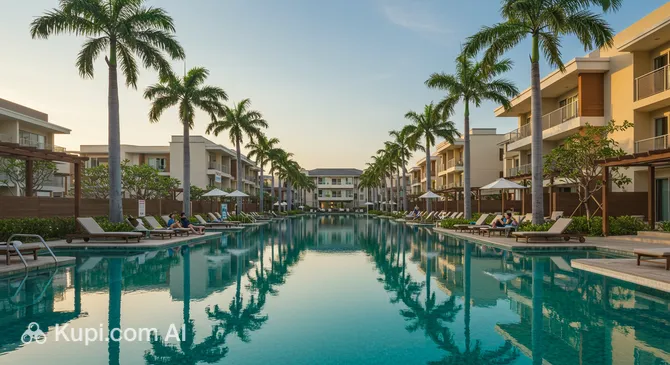
For those seeking full rest and relaxation, Ciudad Christia 9 Waves Resort can be an excellent choice. This resort complex, as the name suggests, offers comfortable conditions for staying and likely features various water activities or pools. It is a great place to take a break from the city's hustle and enjoy quality service.
Ciudad Christhia 9 Waves Resort. Illustration.
Source: Kupi.com AI
Traveler photos:
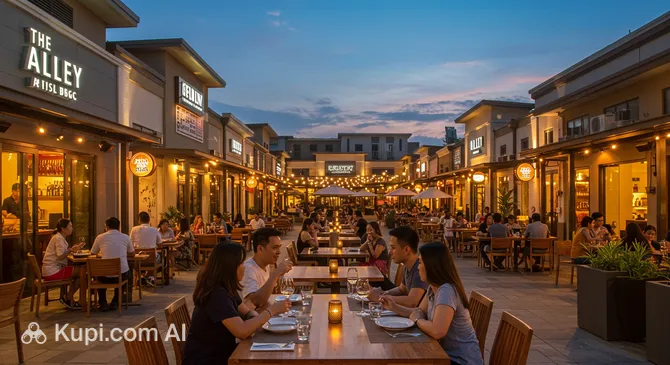
Food lovers should pay attention to The Alley at BGC. Located in the dynamic Bonifacio Global City (BGC) area, this restaurant offers a unique "food alley" concept where you can enjoy a wide selection of dishes from various cuisines in one place. It is a wonderful opportunity to try something new and spend time in a stylish and lively atmosphere.
The Alley at BGC. Illustration.
Source: Kupi.com AI
Traveler photos:
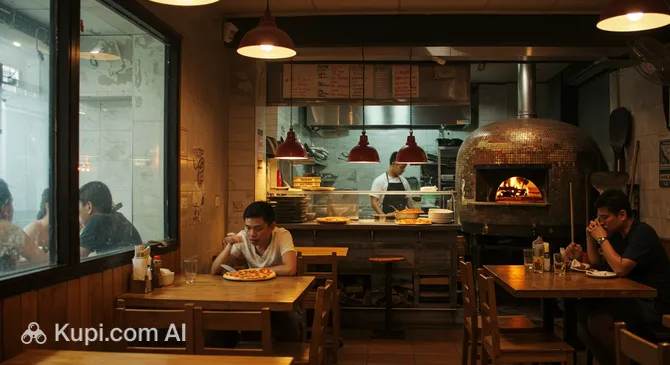
If you are a fan of Italian cuisine, you should definitely visit Crosta Pizzeria. This establishment is known for its authentic pizza made with high-quality ingredients. The cozy atmosphere makes it a great place for lunch or dinner with friends or family, allowing you to enjoy the flavors of Italy.
Crosta Pizzeria. Illustration.
Source: Kupi.com AI
Traveler photos:
Local Cuisine
Pasay is a true gastronomic kaleidoscope, where everyone will find a dish to their liking. The city offers an amazing variety of Filipino flavors, from traditional street delicacies to sophisticated restaurant offerings. The culinary scene in Pasay is dynamic and multifaceted, attracting both connoisseurs of authentic food and fans of culinary experimentation.
Be sure to try the iconic dishes of Filipino cuisine. Adobo – tender meat (usually chicken or pork) stewed in soy sauce, vinegar, garlic, and spices – is the country's calling card. Another popular dish is sinigang, a fragrant and slightly sour soup made with meat or fish broth with tamarind and various vegetables. For the bravest gourmets, there is balut – a boiled duck egg with a partially developed embryo, considered a local delicacy.
Street food in Pasay is an adventure in itself. At bustling markets and from street vendors, you can taste the freshest grilled seafood, sweet fried caramelized bananas known as turon, or delicate rice cakes called puto. On a hot day, there is nothing better than the refreshing dessert halo-halo – a medley of crushed ice, sweet beans, fruits, jelly, ice cream, and condensed milk.
Among local drinks, the rich Filipino barako coffee stands out, known for its strong taste and aroma. Everywhere you can find refreshing coconut juice straight from the young nut, as well as various tropical smoothies made from mango, papaya, pineapple, and other exotic fruits. These drinks perfectly quench thirst and complement any meal.
Dining culture in Pasay is very diverse. Locals and tourists often choose busy street markets and small family-run cafes (carinderias), which serve authentic dishes based on traditional recipes. Large shopping centers, such as SM Mall of Asia, offer a huge selection of restaurants and food courts with cuisines from around the world. If you are looking for a place with various gastronomic concepts, consider The Alley at BGC, where you can find many interesting options for lunch or dinner.
Pasay regularly serves as a venue for gastronomic festivals and fairs where you can learn about local products and culinary traditions. This city will not leave any gourmet indifferent, offering an endless field for gastronomic discovery.
Travel Tips
Welcome to Pasay, a lively city in the Philippines, known for its shopping malls, entertainment complexes, and proximity to the international airport! To ensure your trip goes smoothly and leaves only pleasant impressions, we have prepared a few practical tips.
Clothing and Essentials: The climate in Pasay is tropical, so choose light, breathable clothing made of natural fabrics. T-shirts, shorts, skirts, and sundresses will be very useful. Don't forget comfortable shoes for walking around the city and shopping malls. Sunglasses, a hat, and sunscreen are your faithful companions. A light jacket or wrap may also come in handy for air-conditioned rooms. Electrical outlets in the Philippines are usually types A, B, and G, so a universal adapter will be useful.
Transport: It is convenient to get around Pasay by taxi or using ride-hailing apps like Grab. This is the most comfortable way, especially if you are traveling with luggage. Jeepneys and buses are also available – this is a more authentic and budget-friendly option, but can be less predictable regarding timing. In some parts of the Manila metropolitan area, to which Pasay belongs, there are elevated metro lines (LRT/MRT) that can be useful for long trips across the city. Car rental is possible, but consider the heavy traffic and local driving styles.
Finance: The local currency is the Philippine Peso (PHP). You can exchange currency at the airport, banks, or authorized exchange offices in shopping malls. Credit and debit cards (Visa, Mastercard) are widely accepted in hotels, large stores, and restaurants. However, it is always useful to have some cash on hand for small purchases, markets, or taxis. ATMs are quite common. Tipping is welcome but not always mandatory; in restaurants, it is common to leave 5-10% of the bill if service is not included.
Health and Safety: Drugstores are easy to find, and many operate 24/7. In case medical assistance is needed, tourists are better off going to large hospitals where there is English-speaking staff. As in any large city, follow basic precautions: watch your belongings, especially in crowded places, and avoid walking in poorly lit areas after dark. Drink bottled water.
Communication: The official languages in the Philippines are Filipino and English. English is widely spoken, especially in the tourism sector, so communication should not be a problem. A local SIM card (operators Globe or Smart) can be purchased at the airport or shopping malls for mobile internet access. Wi-Fi is available in most hotels, cafes, and malls. Useful phrases: "Salamat" (Thank you), "Magandang umaga/hapon/gabi" (Good morning/afternoon/evening).
Local Etiquette: Filipinos are known for their hospitality and friendliness. A smile and polite address ("po" and "opo" when speaking with elders or in formal settings add respect) will always be appreciated. It is customary to remove shoes when entering a private home. Show respect for local traditions and customs.
What to Avoid: Try not to engage in loud arguments or criticize local ways or culture. It is also not recommended to openly display expensive jewelry or large sums of money to avoid attracting unnecessary attention.
Extra Tip:Pasay is home to one of the largest shopping centers in Asia, SM Mall of Asia. Plan enough time to visit it, as it has not only shops but also an ice rink, cinemas, restaurants, and even an exit to the promenade with attractions. The city is also very conveniently located relative to Ninoy Aquino International Airport (NAIA), making it an excellent starting or ending point for your Philippine adventure.
We hope these tips help you better prepare for your trip and get the most out of your stay in Pasay. We wish you an unforgettable journey!
Entertainment & Nightlife
Pasay, as part of the dynamic metropolis of Manila, offers its guests many options for engaging evening and nighttime leisure. The city is particularly famous for its integrated resort complex, Entertainment City, which serves as a magnet for fans of gambling, spectacular shows, and high-class entertainment after sunset.
The main centers of Pasay's nightlife are concentrated in the Entertainment City area, home to luxury casino hotels with their own nightclubs, stylish bars, and concert halls. Establishments around the giant SM Mall of Asia shopping center are also popular, where many restaurants and bars stay open until late evening. Some streets near major hotels also come alive at nightfall, offering more intimate and local spots for relaxation.
The choice of venues in Pasay is quite diverse: from fashionable nightclubs with performances by famous DJs and strict dress codes to more relaxed bars with live music and extensive cocktail menus. Karaoke lounges (KTV) remain consistently popular, offering a fun way to spend time with friends. Many restaurants offer not only dinner but also evening entertainment programs or simply stay open until late at night, smoothly transforming into bars.
The atmosphere of Pasay's nightlife varies from glamorous and sophisticated in the casino complexes to more casual and lively in the bars near SM Mall of Asia. Most clubs start to fill up closer to midnight and continue operating until early morning, especially on weekends. Prestigious clubs usually have a smart casual or more formal dress code. Prices can be quite high in the exclusive venues of Entertainment City, but budget-friendly options can always be found.
If you are looking for a place for dinner before diving into the bubbling nightlife or just want to spend the evening in a pleasant gastronomic setting, consider venues like the buffet restaurant The Alley at BGC, known for its impressive selection of dishes, or Crosta Pizzeria, which serves delicious pizza. While these are restaurants, they can be excellent starting points for your evening itinerary. Directly in Pasay, especially within Entertainment City, you will find many world-class bars and clubs, such as those in the Okada Manila, Solaire Resort & Casino, or City of Dreams Manila complexes.
For moving around Pasay at night, it is recommended to use taxi services or popular ride-hailing apps like Grab. This is the safest and most comfortable way to reach your destination. The optimal time to visit clubs is after 11:00 PM, especially on Fridays and Saturdays. In popular places, it is often recommended to book tables in advance.
Pasay is generally a safe city for tourists, especially in well-lit and busy areas like Entertainment City and the area around SM Mall of Asia. Nevertheless, as in any large metropolis, standard precautions should be followed: keep a close eye on personal belongings, avoid poorly lit and deserted streets late at night, and use official taxis or trusted ride-hailing apps.
During the day, Pasay also offers plenty of interesting activities. You can dedicate time to shopping in one of Asia's largest malls – SM Mall of Asia, visit various theme parks, or explore cultural attractions. For instance, to learn more about the region's history, you can visit places like the historical Plaza Noli. For family vacations, numerous entertainment centers and attractions located throughout the city are perfect.
Plaza Noli. Illustration.
Source: Kupi.com AI
Traveler photos:
Parks & Museums
Pasay, a bustling city within Metro Manila, offers its guests not only modern entertainment but also the opportunity to experience the culture of the Philippines through its green spaces and museums. Here you can find corners for outdoor relaxation and educational cultural sites that will make your journey more fulfilling.
One of the iconic places for walking and relaxation in Pasay is the Cultural Center of the Philippines Complex (CCP Complex). Although it is not a park in the traditional sense, its vast open spaces, proximity to Manila Bay, and well-kept greenery create a pleasant atmosphere for leisurely walks. Here you can enjoy the sea breeze, admire outdoor sculptures, and simply take a break from the urban bustle. Nearby, along the coast, stretches the promenade and entertainment area SM by the Bay Amusement Park, which is a popular spot for evening strolls, riding attractions, and admiring spectacular sunsets over Manila Bay. It is a great place for family vacations and active leisure.
For lovers of art and history, Pasay also offers several interesting sites. The GSIS Museo ng Sining (GSIS Museum of Art), located in the Government Service Insurance System building, is known for its collection of Filipino art, including works by national artists and masters. This is a wonderful opportunity to get a deeper look into the country's visual culture. The Cultural Center of the Philippines (CCP) itself, besides being the country's main stage for theater productions, classical and modern music concerts, ballet, and film screenings, often organizes art exhibitions in its galleries. The CCP building, designed by the prominent Filipino architect Leandro Locsin, is an important brutalist architectural landmark and cultural symbol in its own right.
If you are looking for something more modern and interactive, check out the Upside Down Museum. This museum offers visitors a unique experience, allowing them to take funny and creative photos in rooms with upside-down furniture and decor. This place will especially appeal to families with children and anyone wanting to add a touch of fun and unusual impressions to their trip.
The city also carefully preserves the memory of its past. One such historical corner is Plaza Noli – a small square with symbolic significance that serves as a reminder of important milestones in the history of the city and the nation. A walk here allows you to touch the historical heritage of Pasay.
To get a more authentic experience of Pasay, try walking along the Manila Bay embankment on a weekday at sunset – it is usually less crowded at this time, and you can fully enjoy the peaceful views. It is also worth paying attention to the small eateries and cafes around the CCP Complex, where you can try local cuisine away from the main tourist routes and feel the real taste of the city.
Getting Around
Getting around Pasay and its surroundings is possible via several types of public transport, making the city accessible for tourists. The backbone of the transport system consists of the famous Filipino jeepneys – colorful, customized buses that run on fixed routes. Payment is made in cash directly to the driver, and it is one of the most budget-friendly ways to travel; a jeepney ride usually costs about 12-15 PHP. City buses are also widespread, following main thoroughfares and connecting Pasay with other districts of the Manila metropolitan area. Bus fares are also low and depend on the route and the presence of air conditioning.
For faster trips, especially over longer distances within the metropolis, elevated metro lines are convenient: LRT (Light Rail Transit) Line 1 and MRT (Metro Rail Transit) Line 3. The LRT-1 Baclaran and EDSA stations, as well as the MRT-3 Taft Avenue station, are located in Pasay and are important transport hubs. To pay for metro fares, it is recommended to purchase a reloadable Beep™ card, which can be bought and topped up at station ticket offices. Metro travel (LRT/MRT) with a Beep™ card depends on the distance and can range from 15 to 35 PHP per trip. This card is also accepted on some buses and other services. Single-journey tickets are also available, but the card is more convenient for frequent use.
For short distances within neighborhoods or for "door-to-door" trips, tricycles (motorcycles with a sidecar) and pedicabs (bicycle rickshaws) are popular. The cost of a ride on these is usually negotiable, so do not hesitate to clarify the price before starting your journey. Additionally, taxi services and online ride-hailing aggregators like Grab actively operate in Pasay, offering a more comfortable, albeit more expensive, way to travel. You can pay for a taxi in cash, and in apps – by card or cash.
Practical tips for tourists: jeepney and most bus fares are paid in cash to the driver or conductor. Beep™ cards for the metro can be purchased at stations from vending machines or ticket counters. Metro operating hours are usually from early morning (about 5:00 AM) to late evening (approximately 10:00 PM-11:00 PM), but they can vary, so it is better to check the current schedule. Jeepneys and buses run longer, some routes almost around the clock, but with less frequency at night. During peak hours, public transport can be very crowded, so keep this in mind when planning your trips.
Accommodation
In the city of Pasay, tourists have access to a wide range of accommodation options catering to different preferences and budgets. You can find everything from inexpensive guesthouses and hostels to mid-range hotels, as well as luxury hotel complexes and apartments for short-term rent.
Particularly popular among travelers are the areas adjacent to major transport hubs, such as Ninoy Aquino International Airport, as well as territories near famous shopping and entertainment centers like SM Mall of Asia and the Entertainment City complex. Staying in these zones provides easy access to attractions, shops, and restaurants.
Ciudad Christhia 9 Waves Resort. Illustration.
Source: Kupi.com AI
Traveler photos:
Among specific accommodation options, for example, is the Ciudad Christia 9 Waves Resort, which offers comfortable conditions for relaxation. Overall, Pasay features hotels from international chains as well as local hotels offering various levels of service.
When planning a trip, especially during peak tourist season or during major events, it is recommended to book accommodation in advance. This will help ensure a better selection and more favorable prices. The price range varies from budget options to luxury offers. Most hotels and apartments can be booked through popular online platforms or directly on hotel websites.
Nearby Cities
For those who want to explore the surroundings, Pasay serves as an excellent starting point for day trips to several interesting nearby locations. Here are a few options that might interest you:
Makati, located just a few kilometers away, is the financial heart of the Philippines. This modern city attracts with its skyscrapers, high-end shopping malls like Greenbelt and Glorietta, as well as numerous restaurants and a lively nightlife. It is also home to the Ayala Museum and Legaspi Village, offering cultural and recreational opportunities.
Taguig, especially its Bonifacio Global City (BGC) district, is a dynamically developing business and residential area. BGC is known for its wide streets, modern parks, street art, interactive installations, and plenty of shops and cafes. It is a great place for walking and experiencing modern urban life.
Parañaque offers various entertainments, including major integrated resorts and casinos in Entertainment City. Additionally, it houses the famous Baclaran Church (National Shrine of Our Mother of Perpetual Help), which is an important pilgrimage site.
These nearby destinations provide an insight into the diverse culture and landscapes of the Philippines region.
Shopping & Souvenirs
Pasay, as an important part of the Metro Manila area, offers tourists impressive shopping opportunities, especially if you love large modern shopping centers. The city is not so much famous for unique local goods as it is for the variety of shops and entertainment concentrated in megamalls.
The main magnet for shopping enthusiasts in Pasay is the Bay City area, home to giant shopping and entertainment complexes. You can spend an entire day here, moving from one store to another, relaxing in cafes, or visiting entertainment zones. It is also worth noting the streets adjacent to major transport hubs, where smaller shops and stalls can be found.
Speaking of shopping centers, one cannot fail to mention SM Mall of Asia (MOA) – one of the largest malls in the world. It is a true city within a city, offering an incredible selection of international and local brand stores, restaurants, cinemas, an ice rink, and even a concert venue. Another significant complex nearby is Ayala Malls Manila Bay, which also offers a wide range of goods and services.
If you are looking for a more authentic and budget-friendly shopping experience, you should visit the Baclaran Market. Although it can be crowded and chaotic, you can find clothes, shoes, textiles, fresh produce, and various knick-knacks at very low prices here. It is a great place for those who love to bargain and dive into the local atmosphere. The market is partially in Parañaque but is easily accessible from Pasay.
As souvenirs from Pasay and the Philippines in general, tourists often bring back pearl jewelry, dried mangoes and other local sweets, coconut oil, handmade items made of wood or shells, as well as the traditional Filipino men's shirt, the "barong tagalog." All this can be found both in the souvenir departments of large malls and at markets.
Major shopping centers in Pasay usually operate from 10:00 AM to 9:00 PM or 10:00 PM, especially on weekends. Small shops may have their own schedules. Credit cards are widely accepted in malls and large stores. Cash (Philippine pesos) is preferred in markets and small stalls. It is recommended to always have some cash on hand for small purchases.
In the Philippines, there is a VAT refund system for tourists on certain goods purchased in accredited stores. This usually applies to more expensive purchases. Check for the possibility of Tax-Free processing directly in the store when making a purchase and keep all receipts. The refund procedure can be completed at the airport before departure.