Support

Binondo

About

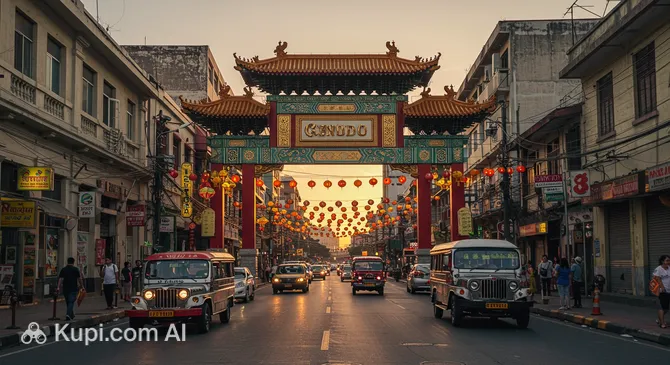
Binondo is not just a district, but a true gem of Manila, one of the largest cities in the Philippines. Located on the banks of the Pasig River, just a stone's throw from the historic city center of Intramuros, Binondo is a place where you can feel the true pulse of an Asian capital, and where history and modernity intertwine in the most surprising way.

Binondo. Illustration.
Source: Kupi.com AI

With a population of about 20,500 people, Binondo is an administrative part of Manila and is known worldwide as the oldest Chinatown on the planet, founded back in 1594. Originally established as a settlement for Catholic Chinese, the district remains a bustling hub of business and trade for the Filipino-Chinese community to this day.

The atmosphere of Binondo is truly unique: life is always in full swing here, the air is filled with the aroma of spices, and the voices of traders mingle with the music of street festivals. The district impresses with its architectural diversity, where ancient temples, such as the famous Binondo Church, sit alongside modern shopping centers. It is the perfect place for those who want to experience the authentic spirit of Manila, try exotic cuisine, and immerse themselves in the atmosphere of an Asian metropolis with deep historical roots.

A visit to Binondo is recommended for everyone who loves discovering new worlds. It is a place where the past meets the present, where every building and street tells a story, and the hospitality of the locals leaves you wanting to return again and again.

You can find more interesting facts on the history of Binondo page.

Weather Overview

In Binondo, you can expect a tropical climate with high temperatures and humidity throughout the year. Average monthly temperatures range from 26°C in January to nearly 30°C in May. Daytime highs in the hottest months, April and May, can reach 32-32.4°C, while nighttime lows rarely drop below 24°C. The city has a distinct rainy season that lasts from May to October, bringing heavy rainfall; the peak occurs in July and August, when the number of rainy days reaches up to 30 per month. The driest months are February, March, and April, with minimal precipitation and only 5-7 rainy days. For detailed planning of your trip, check out the information on the climate of Binondo.

Average monthly temperature

Average monthly precipitation

Interesting Facts

Beyond its bustling streets and rich culinary scene, Binondo hides many amazing stories and little-known details that make it a truly unique place. Here are just a few of them:

  • Spiritual Heritage: Two iconic figures for the Philippines were born in Binondo: Saint Lorenzo Ruiz, the first Filipino saint and martyr, and Mother Ignacia del Espiritu Santo, the founder of one of the country's oldest and most famous religious congregations. This fact gives the area a special spiritual significance.

  • The Mystery of the Name: The origin of the name "Binondo" is still debated. One popular version states that it comes from the Tagalog word "binundok," meaning "mountainous," which perhaps described the area's landscape in the past. Another theory links the name to the "Tundok" mangrove river, which is believed to have once flowed abundantly in this area.

  • Living Traditions: The district is famous for its traditional festivals, colorful processions, and unique rituals that have been carefully preserved here for centuries. Visiting Binondo during one of these festivities allows you to immerse yourself in an authentic atmosphere and see cultural heritage in all its glory.

How to Get There

As a historic district of Manila, Binondo does not have its own airport; however, thanks to its location in the capital region, it is easily accessible to travelers. The main flow of tourists arrives through the country's main air gateways. You can learn more about how to get to Binondo and choose the most convenient route, and below we will look at the key transport hubs.

The most convenient and closest option is Ninoy Aquino International Airport (IATA: MNL). It is located in the city of Manila, approximately 11.1 km from the Binondo district. It is the country's main international hub with a huge passenger flow. A trip from the terminal to Chinatown by taxi or bus will take approximately 40 minutes, though the time may increase due to heavy urban traffic.

As an alternative, especially for some budget airlines, you might consider Clark International Airport (IATA: CRK). It is located in Angeles City, which is much further away—about 78.6 km from Binondo. The journey from this airport will take longer: expect about 2 hours and 20 minutes by taxi or transfer.

For convenience, here is a summary of the main airports:

AirportPassenger trafficDistance
Ninoy Aquino International Airport50.1 mln11 km
Clark International Airport2.4 mln79 km
Cauayan Airport66 415271 km
Naga Airport71 487272 km
Busuanga Airport341 546290 km

Main Attractions

Binondo, the oldest Chinatown in the world, offers tourists a unique blend of history, culture, and, of course, delicious cuisine. Walking through its bustling streets is an adventure in itself, but there are several key places you shouldn't miss.

One of the main historical and spiritual attractions is Binondo Church, also known as the Minor Basilica of Saint Lorenzo Ruiz. This beautiful church, founded by Dominican priests in 1596, has undergone many renovations and today stands as an important pilgrimage site. Its impressive Spanish Baroque architecture and rich interior attract both worshippers and history enthusiasts.

The heart of Binondo is undoubtedly Ongpin Street. This lively artery of Chinatown is famous for its numerous shops selling gold, traditional Chinese medicine, tea, and various souvenirs. It is also home to countless eateries and restaurants where you can taste authentic Chinese-Filipino cuisine. Especially popular are bakeries like Eng Bee Tin, known for their colorful hopia (sweet bean-filled pastries).

For those looking for more modern amenities without losing the Chinatown charm, Lucky Chinatown Mall is worth a visit. This large shopping and entertainment complex seamlessly combines traditional Chinese design motifs with modern shops, a cinema, and many restaurants. It’s a great place for shopping and relaxing after a stroll through the historical streets.

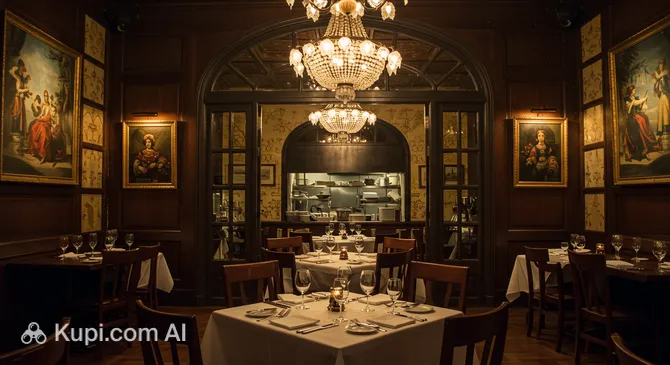
Ilustrado Restaurant. Illustration.
Source: Kupi.com AI

Traveler photos:

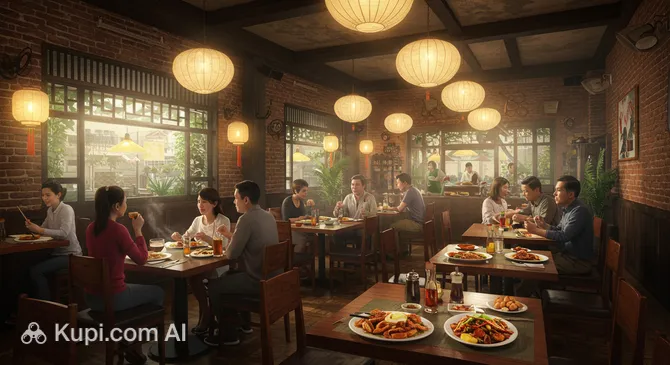
Binondo is a true paradise for foodies. Beyond street food and traditional diners, you can find establishments with more refined cuisine. For example, Ilustrado Restaurant offers guests the chance to soak in the atmosphere of Old Manila while sampling Filipino and Spanish dishes. Another interesting place to explore local gastronomic traditions is Emilia, House of Filipino Food, which serves authentic Filipino delicacies in a cozy setting.

Local Cuisine

Binondo is a true gastronomic paradise, where centuries-old culinary traditions of China and the Philippines merge to create a unique flavor experience. This oldest Chinatown in the world is famous for its authentic cuisine, attracting foodies from all corners of the globe. Here, every dish tells a story, and recipes are carefully passed down from generation to generation.

Among the dishes you must try in Binondo are the famous dim sum – small steamed or fried snacks with various fillings, from pork and shrimp to vegetables. Another hallmark of the district is "hopia" – a sweet pastry made of flaky dough filled with mung bean paste or other sweet pastes. Don't miss the chance to enjoy aromatic noodles, crispy spring rolls, and local interpretations of Peking duck. For those who prefer hearty meals, seafood soups and fried rice with various toppings will be a delight.

The food culture in Binondo is very democratic and diverse. Locals and tourists alike enjoy snacks in numerous small eateries and bustling street markets, where fresh meat buns (siopao) and sweet pastries are prepared right before your eyes. For a more thorough introduction to the local cuisine, there are traditional restaurants, many of which have a long history. Food tours are also popular, allowing you to learn the history of the dishes and even watch the preparation process.

Regarding beverages, tea is something to look out for in Binondo. You can find many tea shops offering rare varieties of Chinese tea, where tasting becomes a real cultural event. If you want to dive deeper into the local culinary atmosphere and try authentic dishes, visit Emilia, House of Filipino Food, where a warm welcome and delicious treats await you.

Emilia, House of Filipino Food. Illustration.
Source: Kupi.com AI

Traveler photos:

A visit to Binondo is not just an opportunity to try exotic dishes; it’s a chance to touch a unique culture where food is an integral part of daily life and celebrations. The gastronomic impressions of this district of Manila will undoubtedly become one of the brightest memories of your trip to the Philippines.

Travel Tips

Welcome to Binondo, the oldest Chinatown in the world and the bustling heart of Manila! To make your journey through this unique district of the Philippines as comfortable and rewarding as possible, we have prepared a few practical tips.

  1. Clothing and Essentials: In Binondo, as in all of Manila, a hot and humid tropical climate prevails. Choose light, breathable clothing made from natural fabrics. Be sure to bring comfortable shoes for walking through the busy streets. Don't forget sunscreen, a hat, and sunglasses. If you plan to visit temples, such as the famous Binondo Church, bring something to cover your shoulders and knees. a universal power adapter for electronics will also be useful.
  2. Transportation: Binondo itself is best explored on foot to fully enjoy its atmosphere. For short trips, you can use the colorful jeepneys or tricycles (motorcycle taxis with sidecars). For longer distances around Manila, taxis or ride-hailing apps (like Grab) are suitable. Keep in mind that traffic in Manila can be very heavy, especially during peak hours.
  3. Finances: The local currency is the Philippine Peso (PHP). You can exchange currency at banks or authorized exchange offices, which are also found in Binondo. Credit and debit cards are accepted in large stores, restaurants, and hotels, but for purchases at markets and in small shops, it is better to have cash. ATMs are quite common. Tipping is generally welcomed (5-10% in restaurants if a service charge is not included in the bill) but is not strictly mandatory.
  4. Health and Safety: Pharmacies are easy to find in Manila, and some are open 24/7. In case of serious health problems, contact major hospitals. Binondo is a fairly busy area and is generally safe during the day, especially in tourist spots. However, as in any large city, keep an eye on your belongings, especially in crowds, to avoid pickpockets. Drink bottled water.
  5. Communication: The official languages in the Philippines are Filipino (Tagalog) and English. English is widely spoken, especially in the tourism sector, so there should be no problems with communication. Nevertheless, a few phrases in Tagalog, such as "Salamat" (thank you) or "Magandang umaga" (good morning), will be warmly received by locals. A SIM card with mobile internet can be purchased at the airport or in local stores. Wi-Fi is available in many cafes and hotels.
  6. Local Etiquette: Filipinos are known for their hospitality and friendliness. A smile and polite address are always appropriate. When communicating with elders or in formal settings, use the respectful particles "po" and "opo". In the shops and markets of Binondo, it is customary to haggle (locals call this "tawad"), but do so politely and with a smile.
  7. What to Avoid: Try not to point at people or objects with your index finger – this is considered impolite; it's better to use an open palm or a nod of the head. Also, avoid public displays of anger or irritation, as this can be perceived negatively.
  8. Extra Tip: Binondo is a true paradise for foodies! Be sure to try the local Chinese-Filipino dishes in the numerous eateries and restaurants. Don't be afraid to try street food – it is an important part of the culture. If your trip coincides with the Chinese New Year, you will witness incredibly colorful and noisy celebrations.

We hope these tips help you plan an unforgettable trip to colorful Binondo. Enjoy every moment of your adventure in this amazing corner of Manila!

Entertainment & Nightlife

When the sun sets over Binondo, the world's oldest Chinatown, the district doesn't go to sleep; it transforms, offering its own unique nightlife. Instead of loud Western-style nightclubs, you'll find a kaleidoscope of aromas, flavors, and authentic experiences centered around food and socializing. Evening in Binondo is a true feast for foodies and those seeking a unique cultural experience.

The main hub of evening activity is certainly Ongpin Street and its adjacent alleys, such as Salazar Street and Carvajal Street (known as "Umbrella Alley"). This is where numerous restaurants, snack bars, and street food vendors operating late into the night are concentrated. The atmosphere here is lively, filled with the buzz of voices, the scent of freshly prepared dishes, and the glow of lanterns. While traditional dance clubs are rare here, you can find popular Philippine karaoke bars (KTV) in and around Binondo where you can have a great time with friends.

Nightlife in Binondo is, above all, a gastronomic adventure. You will find establishments for every taste and budget: from humble street stalls offering delicious dim sum and pastries to established restaurants with rich histories. For an unforgettable dinner, you can visit Ilustrado Restaurant, famous for its historic atmosphere and Filipino-Spanish cuisine.

Ilustrado Restaurant. Illustration.
Source: Kupi.com AI

Traveler photos:

Another wonderful place to enjoy authentic dishes is Emilia, House of Filipino Food, offering guests traditional Filipino fare in a cozy setting. Many restaurants are open until late at night, especially on weekends, allowing for a leisurely dinner.

Emilia, House of Filipino Food. Illustration.
Source: Kupi.com AI

Traveler photos:

The atmosphere in Binondo in the evening is very colorful and vibrant. The crowd is diverse: locals, tourists, families with children, and groups of friends. The dress code in most places is casual, though some more upscale restaurants may welcome smart casual attire. The best time to visit is from early evening until midnight, when activity peaks. Prices range from very affordable for street food to mid-range and above in restaurants.

Getting to Binondo and moving around the area at night is most convenient by taxi or using ride-hailing apps (like Grab). Be prepared for busy traffic, especially during peak hours. As for safety, Binondo is generally considered a relatively safe area, especially on busy streets. However, as in any large city, it is recommended to take usual precautions: keep an eye on your belongings, avoid poorly lit and deserted alleys late at night, and use official taxis or trusted apps.

During the day, Binondo also offers plenty of interesting activities. You can explore historic streets, visit ancient Chinese temples like the Kuang Kong and Seng Guan Temple, browse numerous shops selling traditional goods, or visit the Bahay Tsinoy Museum, dedicated to the history of the Chinese community in the Philippines. Thus, Binondo offers a full program both day and night, leaving travelers with vibrant and delicious memories.

Parks & Museums

Binondo, the world's oldest Chinatown, offers its guests not only a unique atmosphere and culinary delights but also the opportunity to connect with its rich cultural heritage through historical sites and small green oases. Although Binondo is primarily a bustling commercial district, you can find corners for relaxation and informative museums that tell the amazing history of this place.

Despite the dense development, there are spaces in Binondo where you can catch your breath. Plaza San Lorenzo Ruiz, located right in front of the famous Binondo Church, is an important public space and the historical heart of the district. This is not a classic park with vast lawns, but rather a lively square with some greenery, benches, and a fountain, where locals and tourists can rest and observe the colorful life of Chinatown. For a longer walk in the fresh air, you can head to the larger Rizal Park, which is not in Binondo itself but is relatively close and easily accessible.

To gain a deeper understanding of Binondo's unique culture and history, it is worth visiting several key museums. The primary one is certainly Bahay Tsinoy (Museum of the Chinese in Philippine Life). Located in the historic Intramuros district but directly related to the history of the Chinese diaspora (much of which is concentrated in Binondo), this museum details the history, culture, and contributions of the Chinese community to the development of the Philippines. Displays include dioramas, photographs, and artifacts that make a visit informative and engaging for all ages. Another interesting place to understand the broader historical context is Casa Manila Museum, also located in Intramuros. It recreates the lifestyle of a wealthy 19th-century Filipino family and provides insight into the Spanish colonial heritage that is closely intertwined with Chinese culture in Binondo.

The heart of Binondo and its main architectural and spiritual landmark is Binondo Church (Minor Basilica and National Shrine of Saint Lorenzo Ruiz). This historic basilica, named after the first Filipino saint, impresses with its majestic Baroque facade and rich interior decoration. It is not only an active place of worship but also an important historical monument. A walk through the streets of Binondo is an immersion in history itself: you will see traditional Chinese gates, old shophouses with unique architecture combining Chinese and European elements, and feel the inimitable atmosphere of blended cultures.

For a truly authentic experience, turn off the busy Ongpin and Quintin Paredes streets into the narrow alleys of Binondo. That's where the district's real life hums: you can discover small family temples, traditional pharmacies offering exotic remedies, or unique craft shops. Also, don't miss the chance to pop into one of the many tea houses – it’s a great way to try authentic Chinese teas and traditional sweets in a calm setting.

Getting Around

Getting around Binondo, the oldest Chinatown in the world, is an adventure in itself, immersing you in the colorful atmosphere of Manila. The transport system here is a vibrant blend of traditional and more modern ways of moving, and knowing their features will make your trip more comfortable.

The main transport artery not only of Binondo but of all Manila is the famous jeepney. These brightly decorated, former American military jeeps converted into route taxis run on fixed routes. A sign indicating the route is usually placed on the windshield. Payment is made in cash directly to the driver or conductor, passing the money through the chain of passengers if you are sitting far back. This is a very affordable way to get around, though not always the fastest due to traffic jams.

For faster travel over longer distances, you can use the Manila light rail system (LRT/MRT). Near Binondo are stations for LRT Line 1 (such as Carriedo or Recto), making this mode of transport convenient for connecting to other parts of the city. For fare payment, it is recommended to purchase a reloadable Beep™ card, which is also accepted on some buses, or buy single-journey tickets at ticket booths or machines at the stations.

For short trips within Binondo or to neighboring blocks, tricycles (motorcycles with sidecars) and pedicabs (bicycle rickshaws, known as "padyak") are ideal. The cost of a trip on these is usually negotiable, so it's best to agree on the price with the driver in advance. In some tourist parts of Chinatown, you can also find kalesas – horse-drawn carriages that offer more of a nostalgic ride than a practical way to get around.

Buses and UV Express shuttle vans also run along the main thoroughfares, connecting Binondo with other parts of Manila. Buses generally have longer routes, while UV Express are more comfortable (often air-conditioned) microbuses following specific directions. Payment in these is usually in cash.

As an alternative to public transport, taxis are always available (it is recommended to use metered cars or agree on a price for short distances) and popular ride-hailing apps like Grab. This can be a convenient option, especially during rush hour or for trips with luggage, though it is more expensive.

A few practical tips for tourists: always have small cash on hand for fares, especially in jeepneys and tricycles. Be prepared for heavy traffic and jams, especially during peak hours. Public transport usually runs from early morning until late evening, but schedules can vary. The Binondo district itself is quite compact, and many of its streets, markets, and temples are best explored on foot, enjoying its unique atmosphere.

Accommodation

In Binondo, travelers will find a variety of accommodation options to suit different preferences and budgets. The range of available housing includes budget-friendly options such as guesthouses and hostels, ideal for economical tourists, as well as mid-range hotels offering a good balance of comfort and price. For those seeking more privacy or planning a longer stay, apartments and rental options are available.

When choosing a place to stay in Binondo, it's worth paying attention to areas that provide easy access to the main attractions and transport hubs. Staying near the district's key points will save time on travel and make your stay more comfortable.

While specific examples of famous hotels are not provided in the current list, you can find a wide selection of hotels across various categories in Binondo. From small, cozy establishments to larger hotels with an expanded range of services—everyone will be able to find something to their taste.

When planning a trip, especially during the peak tourist season, it is recommended to book accommodation in advance. This will help ensure the best choice and prices. The general price range varies from budget to mid-range and higher, depending on the level of comfort and location. The most common booking methods are popular online platforms and direct booking through hotel websites.

Nearby Cities

For those who want to explore the surroundings, Binondo serves as an excellent starting point for day trips to several interesting nearby locations:

Among them, cities such as Manila, the capital of the Philippines, stand out. Located just 1 km from Binondo, it attracts tourists with its rich history, well-preserved colonial architecture in the Intramuros district, numerous museums, and a vibrant cultural scene. Also worth noting is Makati (about 7 km away), the country's modern financial hub. Here you will find impressive skyscrapers, world-class shopping malls like Greenbelt and Glorietta, exquisite restaurants, and a booming nightlife.

CityPopulationDistance
Quiapo23 1381 km
Manila24 922 0001 km
Ermita10 5232 km
Sampaloc13 6292 km
Tondo654 2202 km

These nearby destinations provide insight into the diverse culture and landscapes of the region, complementing the experience of staying in Binondo.

Shopping & Souvenirs

Binondo, the oldest Chinatown in the world, offers a unique shopping experience, immersing you in the atmosphere of traditional Chinese trade with a Filipino flair. This district is famous not so much for modern boutiques but for authentic shops offering gold, jewelry, Chinese medicines, herbs, tea, exotic fruits, fresh seafood, and various delicacies. Shopping here is a real adventure where you can find both traditional goods and unexpected souvenirs.

The main shopping artery of Binondo is Ongpin Street. Along this busy street and its adjacent alleys are countless shops selling gold and jewelry at prices often considered better than those in large shopping malls. Here you will also find shops with traditional Chinese medicines, tea, dried goods, and everything needed for Chinese cooking. Carvajal Street, known as "Umbrella Alley," is famous for its food stalls and street food.

While Binondo is better known for its traditional shops, it also has modern shopping centers. The most notable is Lucky Chinatown Mall. This multi-story complex offers a wide selection of famous brand stores, restaurants, a cinema, and a supermarket, successfully combining modern comfort with elements of Chinese culture in its design and atmosphere. Nearby you can find other smaller shopping complexes and department stores, such as 168 Shopping Mall and 999 Shopping Mall, known for their low prices on clothing, accessories, and home goods; although they are technically just outside the historical heart of Binondo, they are very popular with locals and tourists looking for a bargain.

The entire Binondo district can be considered one large, colorful market, especially its narrow streets and alleys. There is no single centralized market in the classic sense, but trade is buzzing everywhere. Street vendors offer fresh fruit, vegetables, seafood, prepared food, and various small items. It's especially busy on the streets adjacent to temples and main shopping arteries. It's a great place to observe local life and try authentic Chinese-Filipino snacks.

For souvenirs from Binondo, it's worth bringing back traditional Chinese sweets like hopia (pastries with different fillings) and tikoy (sweet rice cake, especially popular during Chinese New Year). Also popular are various types of Chinese tea, healing herbs, jade jewelry, lucky charms, and feng shui figurines. If you're looking for something more valuable, look for the gold items for which this district is famous.

Most shops in Binondo open around 9:00-10:00 AM and work until 6:00-7:00 PM, though some food stalls and eateries may stay open longer. In large malls like Lucky Chinatown Mall, operating hours are usually longer, until about 9:00-10:00 PM. Regarding payment, cash (Philippine Pesos) is preferred in small shops and street markets. Credit cards are accepted in shopping malls and larger stores. It is recommended to carry enough cash for small purchases.

Tourists in the Philippines may be eligible for a VAT refund on goods purchased at accredited stores, subject to certain conditions and a minimum purchase amount. This usually applies to major purchases in department stores or specialty shops. Check the possibility of Tax-Free directly at the store when making a purchase and keep all receipts and necessary forms for presentation at the airport before departure.
Reached the end of the page?

That means the route is fully explored