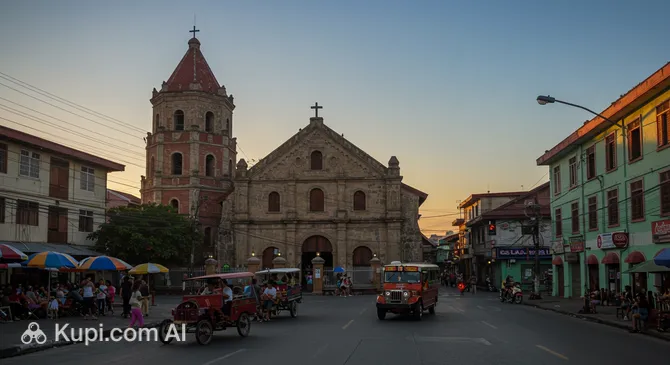
Malabon is a vibrant and densely populated part of the Philippines, forming part of the National Capital Region (Metro Manila). Located north of the capital, it represents a unique blend of residential quarters and industrial zones where the spirit of the old town still lingers. Despite modern urbanization, Malabon attracts those who wish to see the authentic life of the metropolis beyond the polished tourist facades.
The city is spread across low-lying areas near the shores of Manila Bay, which has shaped its appearance and way of life. With a population of about 380,000 people, Malabon is considered one of the most densely populated areas of the metropolitan area. Its rich historical past dates back to the end of the 16th century when the settlement of Tambubong was established, eventually becoming an important center for tobacco and sugar production.
Malabon. Illustration.
Source: Kupi.com AI
Key features of the city include its ancient churches and authentic cuisine, which is considered some of the best in the region. Although Malabon is not a typical resort destination, it charms visitors with its energy and sincerity. A visit to this city is an excellent opportunity to explore the country's industrial heritage and experience the hospitality of the locals in their everyday environment.
Weather Overview
A typical tropical monsoon climate prevails in Malabon, dictating the rhythm of life for the entire region. It is always warm here, but the weather depends heavily on the rainy season. The most pleasant time for a visit is the period from January to March, when the average temperature is about 26–27°C and rainfall is minimal. During these months, refreshing winds blow, making walks around the city comfortable.
With the arrival of May, humidity increases noticeably, heralding the monsoon season. Peak rainfall occurs in July and August, when heavy downpours can hit the city. During this period, the city's climate is characterized by frequent, but sometimes short-lived, tropical rains that bring temporary coolness. Temperatures throughout the year rarely drop below 23°C and often rise to 32°C during the day.
When planning your trip, keep in mind that due to its proximity to Manila Bay and its low-lying location, it can be quite muggy in Malabon. The ideal temperature range for walking is in the morning hours or after sunset. The sun here is very active, so even on cloudy days, it is recommended to use sunscreen.
Average monthly temperature
Average monthly precipitation
Interesting Facts
Ancient Roots: Malabon was founded by Augustinian friars as early as May 21, 1599. In those days, the settlement was called Tambubong, which in Tagalog means "a barn for storing harvest."
Industrial Pioneer: It was here that the La Princesa Tabacalera tobacco factory opened in 1851, and in 1878, the first sugar company was established, pioneering refined sugar production in the Philippines.
Religious Center: The majestic San Bartolome Church was fully completed in 1614, serving as the spiritual heart of the region for centuries.
City Status: For a long time, Malabon remained a municipality, and it was only on April 21, 2001, that it officially received highly urbanized city status.
Culinary Fame: The city is famous nationwide for its special dish — Pancit Malabon (rice noodles in a thick seafood sauce), the recipe for which is carefully preserved by local chefs.
How to Get There
The most convenient way to reach Malabon is through the capital of the Philippines, as the city is an integral part of the metropolitan area. The region's main transportation hub is Ninoy Aquino International Airport, from which major highways lead toward Malabon. If you want to plan your route in advance, it is worth studying detailed transport information to choose the most comfortable way to travel.
Within Metro Manila, Malabon is connected to other districts by an extensive network of roads. The most popular transport for traveling from the capital's center is by bus or traditional Philippine jeepneys. A taxi ride from central Manila can take anywhere from 20 to 40 minutes during off-peak hours, but during rush hours (especially from 7 to 9 AM and 5 to 7 PM), travel time can increase to an hour and a half due to heavy traffic.
There are no major rapid transit railway terminals directly in the city, so the main focus should be on ground public transport. Nevertheless, railway lines pass along the borders of neighboring districts, providing residents with additional mobility.
Station
Passenger traffic
Distance
Monumento station
7
2 km
5th Avenue LRT Station
7
3 km
R. Papa LRT Station
7
4 km
Balintawak station
7
4 km
Abad Santos LRT Station
7
4 km
Main Attractions
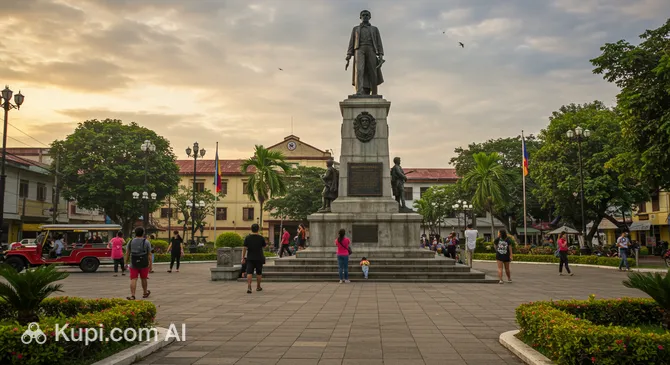
Although Malabon is often perceived as an industrial hub, it preserves several notable landmarks that deserve attention. One of the main symbols is the Andres Bonifacio National Monument — a majestic structure dedicated to one of the leaders of the Philippine Revolution. This monument serves as an important place of memory and pride for all residents of the metropolitan area.
Andres Bonifacio National Monument. Illustration.
Source: Kupi.com AI
Traveler photos:
For those interested in architecture and religion, San Bartolome Church is a must-visit. Built in the 17th century, it is an architectural landmark of the city and a reminder of the colonial period of its history. Equally interesting is the Teodoro Luna House, which offers a glimpse into the past to see what traditional Philippine mansions looked like in previous centuries.
Families with children and nature lovers often choose Malabon Zoo for a walk. Although small by world standards, this zoo is a favorite recreation spot for locals and allows visitors to see representatives of the local fauna in a cozy atmosphere. Malabon offers tourists not so much classic sightseeing as a chance to touch the living historical heritage of the country.
Local Cuisine
A gastronomic journey to Malabon is a true discovery for seafood lovers. Thanks to its proximity to Manila Bay, local markets are always full of fresh catches. The city's main culinary treasure is Pancit Malabon — a unique variation of rice noodles with a thick, flavorful orange sauce, generously topped with shrimp, eggs, and crispy pork rinds. This dish is a must-try for every visitor to the city.
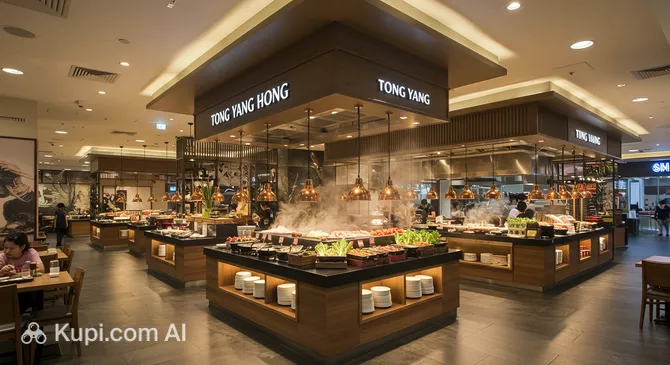
For those who prefer modern dining formats, a great choice is the Tong Yang restaurant, located in a shopping mall. Here, you can enjoy the popular "hot pot" and buffet-style grill. If you are looking for something quicker and more familiar, check out 24 Chicken, which serves excellent fried chicken that has become a hit among locals.
Tong Yang (SM City Grand Central). Illustration.
Source: Kupi.com AI
Traveler photos:
Dining culture in the city is closely linked to street food. Walking through residential neighborhoods, you will surely encounter vendors offering traditional Filipino delicacies: adobo (stewed meat), arroz con pollo (chicken with rice), and various sweets made from coconut milk and rice. Food prices in Malabon are noticeably lower than in the capital's tourist centers, allowing for a real food tour without extra expense.
Travel Tips
Visiting Malabon is an opportunity to see the real Philippines without the frills. To ensure your trip is comfortable and safe, we have prepared some practical recommendations from experienced travelers.
Clothing and Gear: Choose light clothing made from natural fabrics, as humidity in the city is always high. Don't forget sunglasses and a hat. When visiting San Bartolome Church, observe the dress code: shoulders and knees should be covered.
Transport Hacks: For traveling between cities, use the Grab app — it's safer and more convenient than hailing a taxi on the street. For jeepney rides, always keep small coins handy.
Financial Matters: The main currency is the Philippine Peso (PHP). Large shopping centers accept cards, but for small purchases, markets, and transport fares, you will definitely need cash. It is best to exchange money at banks or large malls.
Safety: The area is generally safe during the day, but after dark, it is better to avoid walking in industrial or sparsely populated zones. Keep valuables in an inner pocket or a hotel safe.
Connectivity: Buy a local SIM card (such as Globe or Smart) immediately upon arrival at the airport. Mobile internet in the Philippines works steadily within the city limits, which will help you use maps.
Local Etiquette: Filipinos are very friendly people. Greet people with a smile. The "mano po" gesture (pressing the elder's hand to your forehead) is a common sign of respect, though it is not expected of tourists.
What to Avoid: Do not drink tap water — use only bottled water. Also, try to avoid entering into political discussions and respect local traditions.
Culinary Tip: Be sure to try Pancit Malabon at one of the local eateries — it is the city's signature dish that you won't find made this way anywhere else.
May your introduction to this energetic city be filled with interesting discoveries and only positive emotions!
Entertainment & Nightlife
Nightlife in Malabon is more laid-back and family-oriented compared to the bright lights of Makati or Taguig. You won't find a huge number of noisy nightclubs here; however, the evening city offers a cozy atmosphere in small cafes and local restaurants. Residents prefer to spend time dining with loved ones, enjoying the cool air after a hot tropical day.
The main hub for those seeking modern entertainment is Grand Central Mall. Here, you can find modern cinemas, children's play areas, and food courts that stay open until late evening. Another popular spot for both daytime and evening strolls is the Sangandaan Center, where a significant portion of the district's commercial and social activity is concentrated.
For those looking for a truly bustling nightlife with bars and dance floors, experienced travelers recommend heading to the central districts of Metro Manila, which are easily accessible from Malabon by taxi. Within the city itself, it is best to enjoy the evening markets and authentic eateries where the life of the capital's working class thrives.
Parks & Museums
Greenery and park areas in such a densely built-up city as Malabon are a real treasure. The main recreation spot for locals remains the territory of Malabon Zoo. It is not just a zoo, but a kind of green oasis where you can take a break from the urban noise among tropical plants. For many families, it is the only accessible place for outdoor walks within the district.
The city's cultural heritage is best represented in its architecture and few surviving historical buildings. One of the most significant sites is the Teodoro Luna House. This mansion reflects the sophistication of Philippine architecture from past centuries and preserves the atmosphere of old Malabon, allowing tourists to imagine the city's life before the era of global industrialization.
For those looking for large-scale art galleries or world-class national museums, we recommend a short trip to central Manila. However, Malabon itself, with its ancient San Bartolome Church and historical monuments like the Andres Bonifacio National Monument, can be considered an open-air museum where history lives on every narrow street.
Getting Around
The transport system of Malabon is typical of the Philippines' densely populated areas. The main and most accessible means of transport here are jeepneys — brightly decorated mini-buses that run on established routes. This is not just transport, but a cultural symbol of the country. A jeepney ride is very inexpensive, but during rush hours they can be very crowded, and movement on the city's narrow streets often slows down due to traffic jams.
For longer distances or to reach metro stations in neighboring districts, residents use regular buses. If you value comfort and personal space, the best choice is a taxi or using the Grab mobile app. This is the most reliable way to move between Metro Manila cities, especially if you have heavy luggage or are not familiar with public transport routes.
Inside the residential quarters of Malabon, you can often see tricycles (motorcycles with sidecars). They are ideal for short trips through narrow alleys where a regular car cannot pass. The price for a tricycle ride should be negotiated in advance. Overall, when planning your travels around the city, always allow extra time for possible traffic congestion, especially in the morning and evening hours.
Accommodation
Since Malabon is primarily a residential and industrial area, its tourist hotel infrastructure is not as developed as in the central parts of Metro Manila. The city itself is dominated by budget hotels, motels, and apartments for long-term rent, which are most often chosen by business travelers or those visiting relatives.
For a classic tourist stay, we recommend considering accommodation options in neighboring districts such as Quezon City or Makati. These areas offer a wide range of choices — from luxury chain hotels to cozy hostels. From these districts, Malabon is easily accessible by taxi or ride-hailing apps like Grab.
If you decide to stay specifically in Malabon, try to choose accommodation near major shopping centers like Grand Central Mall. This will ensure quick access to cafes, shops, and transport links. It is best to book accommodation in the Philippines in advance through popular international services, especially if your trip coincides with holidays or the dry season.
Nearby Cities
Malabon's location within the capital region makes it an excellent starting point for exploring the surroundings of Metro Manila. Nearby cities seamlessly blend into one another, creating a single living space of a megacity. Each neighboring municipality has its own character and offers interesting places for short trips.
In the immediate vicinity lies the city of Navotas, known as the "Fishing Capital of the Philippines" thanks to its massive port. It is also worth visiting the city of Valenzuela, where you can find modern shopping areas and parks. If you are interested in residential quarters with an authentic atmosphere, stop by Tugatog or Karuhatan, which are literally a few kilometers from Malabon's center.
For a richer cultural program, we recommend heading slightly south to the historical center of Manila to see the Intramuros district and the country's main museums. Exploring the areas around Malabon will help you better understand the diversity of the Philippine capital, where industrial giants, ancient temples, and modern megamalls coexist side by side.
Shopping & Souvenirs
Shopping in Malabon is primarily about getting to know the lifestyle of a typical Filipino resident. Main commerce is concentrated in local markets and small shopping complexes. There are no glamorous boutiques here, but you can find high-quality local products and fresh produce at very attractive prices. Particular attention should be paid to the local seafood markets, which supply a significant part of the capital.
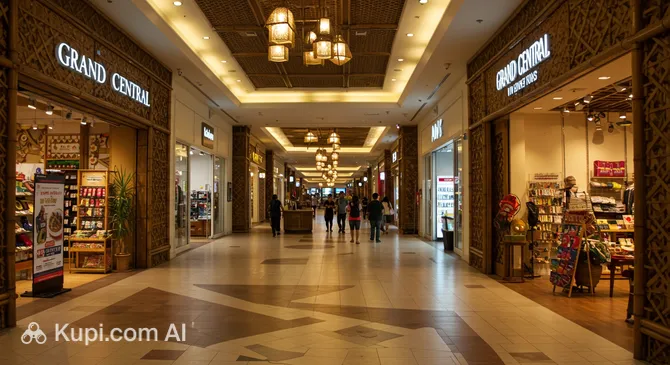
The main place for comfortable shopping is Grand Central Mall. This is a modern shopping center where clothing stores, electronics, and household goods are gathered under one roof. It also houses supermarkets and pharmacies, making it a convenient place to restock supplies during your trip.
Grand Central Mall. Illustration.
Source: Kupi.com AI
Traveler photos:
Another important point on the city's shopping map is the Sangandaan Center. These centers often host seasonal sales, and local shops offer typical Filipino souvenirs: textile products, traditional woven accessories, and shell crafts. Stores usually operate from 10 AM to 9 PM, and payment in large centers is accepted both in cash (Philippine peso) and by credit card.