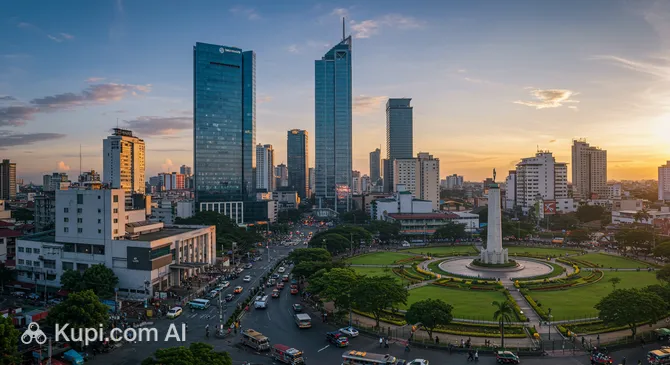
Quezon City is a dynamic and the most populous metropolis in the Philippines, which held the proud status of the nation's capital until 1976. Founded in the mid-20th century by President Manuel L. Quezon as a "dream city," it has become home to nearly 3 million people. Located on the Guadalupe Plateau, the city seamlessly combines the energy of business districts with the tranquility of green park zones, offering tourists a unique look at modern Philippine culture.
Quezon City. Illustration.
Source: Kupi.com AI
Quezon City is a surprising mix of architecture from different eras: from majestic neoclassical government buildings to modern skyscrapers and cozy residential neighborhoods. It is home to a rich historical heritage that reflects the country's journey toward independence and prosperity. The city is recognized as the country's main hub for education and the media industry, giving its atmosphere a special intellectual and creative flair.
Tourists are drawn here not only by historical monuments, such as the famous Quezon Memorial Circle, but also by vast opportunities for shopping and gastronomic discoveries. Visiting this city is a chance to see the real life of the modern Philippines away from the beach resorts. We invite you to explore this multifaceted metropolis, where everyone will find something to their liking: from strolling through shady gardens to visiting grand sports arenas.
Weather Overview
A typical tropical monsoon climate prevails in Quezon City, characterized by consistently high temperatures throughout the year. The average maximum usually ranges between 28–33°C. When planning a trip, it is important to consider the division of the year into two main seasons: dry and wet. The hottest month is traditionally April, when the air warms up to 34°C and above.
The dry season lasts from December to April and is considered the ideal time for tourism. During this period, precipitation is minimal, and the sky most often remains clear. From May to November, the rainy season arrives, bringing heavy downpours and the possibility of typhoons. You can find out more about the weather in Quezon City by month to choose the best time for your vacation.
Typical weather in the city involves high humidity, especially during the summer months (July–September), when rainfall can reach 600 mm per month. However, even in the rainy season, downpours are often brief, followed by bright sunshine. We recommend always having an umbrella and light clothing made of breathable materials with you.
Average monthly temperature
Average monthly precipitation
Interesting Facts
Quezon City is a city full of surprising details and records that make it stand out among other Philippine metropolises.
The local city hall (Quezon City Hall) is a majestic 14-story structure that, at the time of its completion in the 1950s, was considered the tallest city hall in the world.
The Araneta Coliseum, known as "The Big Dome," long held the title of the world's largest indoor stadium and gained worldwide fame thanks to the legendary "Thrilla in Manila" boxing match between Ali and Frazier.
The La Loma district is home to one of the country's oldest cockfighting arenas, which has been in continuous operation since 1903.
The city was designed as an ideal metropolis with wide avenues and an abundance of parks, making its layout more orderly compared to the older districts of Manila.
The "Malakas and Maganda" sculpture in one of the local parks is a beautiful embodiment of the Filipino creation legend, a local counterpart to the story of Adam and Eve.
How to Get There
Quezon City is a major transportation hub for the Philippine capital region, providing convenient connections to all parts of the country. Despite not having its own airport, the city is easily accessible to international travelers. You can find detailed information about routes on the how to get to Quezon City page.
The nearest air gateway is Ninoy Aquino International Airport (IATA: MNL), located approximately 20–30 kilometers to the south. The journey from the airport to the city center usually takes 1 to 1.5 hours by taxi or through the Grab service, though travel time can increase significantly during rush hours due to heavy traffic.
Rail service in the city is represented by Light Rail Transit (LRT) and Metro Rail Transit (MRT) lines, which connect Quezon City with central Manila and Pasay. Key transfer hubs are the Araneta Center-Cubao and North Avenue stations. These stations provide quick access to the metropolis's largest shopping and business centers.
Station
Passenger traffic
Distance
North Avenue Grand Central Station
5
3 km
North Avenue station
7
3 km
Fernando Poe Jr. station
7
3 km
Quezon Avenue station
6
4 km
Kamuning Station
6
5 km
Main Attractions
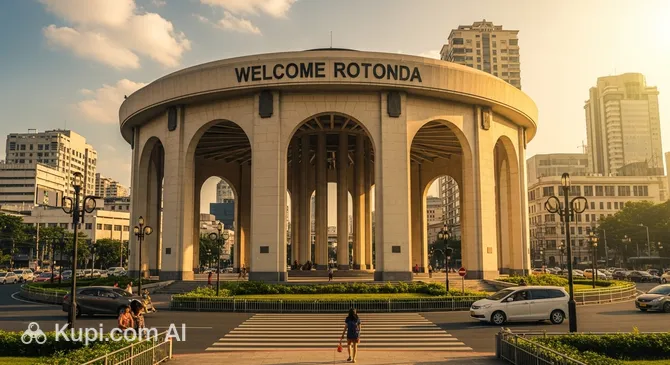
Quezon City is rich in iconic places that tell the country's story and amaze with their scale. One of the most recognizable spots is the Welcome Rotunda—the majestic "gateway" to the city, located on the border with Manila. This historical landmark serves as a symbol of hospitality and an important landmark for all travelers.
Welcome Rotonda. Illustration.
Source: Kupi.com AI
Traveller photos:
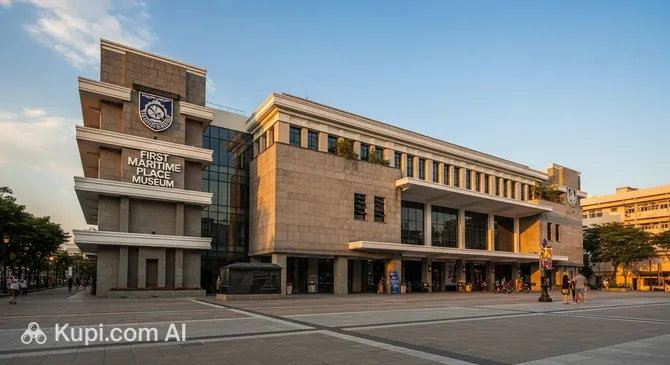
For those interested in maritime history and educational exhibits, the First Maritime Place Museum is a must-visit. It features interesting collections related to seafaring, which plays a key role in the life of this island nation. Also worth noting is the Quezon Memorial Circle—a huge park with a mausoleum where the remains of the city's founder rest, and a towering Art Deco monument.
The city's spiritual life is represented by magnificent temples. The Santo Domingo Church impresses with its scale and is considered the largest in the metropolis, while the Iglesia Ni Cristo church captures the imagination with its architecture, reminiscent of fairytale spired castles. Don't forget to stop by the Araneta Coliseum, which for decades has remained one of the largest indoor arenas in the world and a venue for legendary events.
Local Cuisine
The gastronomic scene in Quezon City is a true paradise for foodies, where traditional Filipino recipes meet modern culinary trends. The main districts for getting to know the local cuisine are Timog and Tomas Morato. Here, you should definitely try adobo (meat stewed in soy sauce and vinegar), crispy lumpia spring rolls, and sinigang sour soup, which is perfectly refreshing on a hot day.
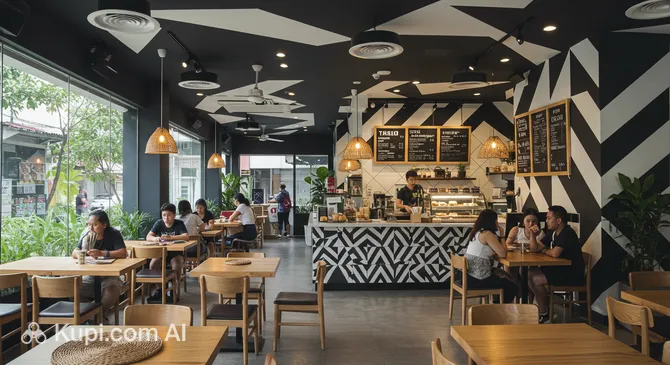
For lovers of Asian flavor and an interactive dining experience, the Jiangnan Hotpot restaurant is a great fit. This place is popular among locals for the opportunity to cook your own ingredients in a flavorful broth right at the table. If you are looking for a cozy atmosphere with a modern interior, check out Tablo Kitchen x Cafe, which serves original fusion-style dishes.
Tablo Kitchen x Cafe. Illustration.
Source: Kupi.com AI
Traveller photos:
Don't miss the chance to try street food at local markets and food courts. Typical drinks to order include refreshing calamansi juice, fresh coconut milk (buko), or the famous local San Miguel beer. The dining culture here is very hospitable: portions are often designed for groups, and locals are always happy to recommend their favorite dish.
Travel Tips
Planning a trip to Quezon City will be easier and more pleasant if you take advantage of these practical tips gathered by experienced travelers.
Clothing and essentials: Choose light clothing made of natural fabrics, as it is almost always hot in the city. However, be sure to bring a sweatshirt or light jacket—air conditioners in shopping centers and transport operate at full blast. When visiting churches, follow a modest dress code (covered shoulders and knees).
Transport: Use the Grab app for safe and predictably priced trips. If you decide to ride a jeepney, prepare small change (coins) in advance. Avoid traveling during "rush hours" (7:00–9:00 and 17:00–20:00) when traffic jams become critical.
Finances: The local currency is the Philippine Peso (PHP). Cards are accepted in malls and hotels, but for markets, jeepneys, and small shops, always keep cash on you. ATMs are found everywhere in shopping centers.
Health: Drink only bottled water and avoid ice in street drinks. Take insect repellent with you if you plan to walk in parks or the zoo.
Communication: Almost all residents speak English perfectly. Nevertheless, a couple of phrases in Tagalog, for example, "Salamat" (thank you), will elicit a genuine smile from the locals. A SIM card can be bought right at the airport or any shopping mall (the main operators are Globe and Smart).
Etiquette: Filipinos are very polite people. When greeting elders, the "mano" gesture (placing the elder's hand to your forehead as a sign of respect) is often used, but for tourists, a friendly nod is enough.
What to avoid: Do not engage in arguments on political topics and try not to show open anger (calmness and "saving face" are valued here). Do not carry large amounts of cash or expensive jewelry in crowded places.
Specific advice: Be sure to visit Quezon City during the dry season from December to April. At this time, the weather is most favorable for walking in parks and sightseeing outdoors.
This metropolis will give you unforgettable impressions if you are open to its rhythm and follow these simple safety and politeness rules.
Entertainment & Nightlife
Nightlife in Quezon City is concentrated in the Tomas Morato and Timog areas. Here you will find an endless variety of karaoke bars (a favorite Filipino pastime), nightclubs, and cozy pubs with live music. The atmosphere in these quarters is very casual and lively, and venues stay open until the early morning. Average prices in bars are quite affordable, and the main way to move between locations at night is by taxi or the Grab app.
For fans of large-scale spectacles, the Araneta Center is the main point of attraction. World stars' concerts, international beauty pageants, and sports matches are regularly held here. If you are looking for something specific and traditional, check out the cockfighting arena in La Loma—one of the oldest such places in the country, where you can see a traditional Filipino spectacle on Sundays.
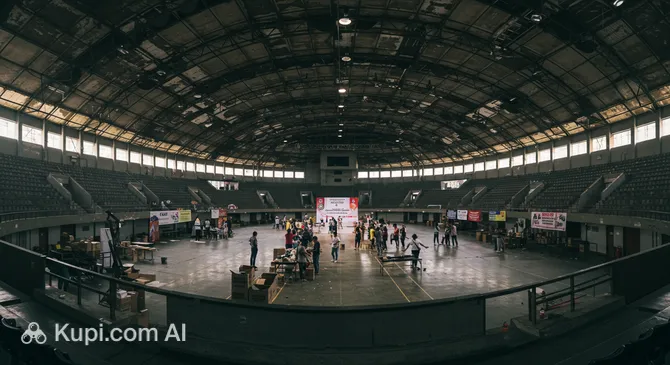
Daytime entertainment is just as diverse as the nightlife. Modern cinemas and entertainment zones in shopping malls are popular throughout the city. The cultural program can be supplemented by visiting venues such as the Makati Coliseum, where regional events and sports shows are often held.
Makati Coliseum. Illustration.
Source: Kupi.com AI
Traveller photos:
Parks & Museums
The main "green heart" of the city is Quezon Memorial Park. This huge oval park in the center of the metropolis serves as a getaway for thousands of city dwellers. Here you can not only walk along manicured alleys and admire the Art Deco fountains but also visit the mausoleum of the first president. For family vacations, the Ninoy Aquino Parks and Wildlife Center, sprawling over 80 hectares and featuring a rich collection of local flora and fauna, is ideal.
Culture lovers should stop by the First Maritime Place Museum, which offers a fascinating dive into the history of sea travel. The city also houses many art galleries. For example, the Goethe-Institut Gallery presents contemporary art, while the Museum of Filipino Culture preserves unique household items, clothing, and tools that tell the story of the archipelago's peoples.
First Maritime Place Museum. Illustration.
Source: Kupi.com AI
Traveller photos:
Another important historical spot is the Welcome Rotunda, which, although a monument, carries deep meaning as a symbol of the city's unity. Also, don't miss the Tandang Sora National Shrine, dedicated to a heroine of the Philippine Revolution, where you can see impressive sculptural compositions and learn about the country's struggle for freedom.
Getting Around
The transport system in Quezon City is diverse and colorful, offering options for every taste and budget. The backbone of high-speed transport is the MRT and LRT light rail lines. The "Quezon Avenue" and "Cubao" stations are key points that allow you to quickly bypass traffic jams and reach other areas of Metro Manila. Trains run from early morning until late evening, and for payment, it is best to purchase a reloadable Beep card.
The most recognizable and budget-friendly mode of transport is the jeepney. These brightly painted mini-buses ply all the city's main thoroughfares, such as Quezon Avenue. The fare costs pennies, and the ride itself turns into a real cultural immersion. The city also has a network of air-conditioned buses that connect the metropolis with the suburbs and central business districts.
For maximum comfort, tourists are recommended to use the Grab app to call a taxi. It is safer and often more convenient, as the price of the trip is fixed in advance. Bicycles and scooters are popular mainly within large parks and university campuses. Keep in mind that traffic in the city can be very heavy, so plan your movements with extra time to spare.
Accommodation
Quezon City offers a wide range of accommodation options to suit all needs and budgets. Most tourists prefer to stay in the Araneta Center, Cubao areas, or along Tomas Morato Avenue. These locations are convenient as they are within walking distance of transport hubs, shopping complexes, and numerous restaurants.
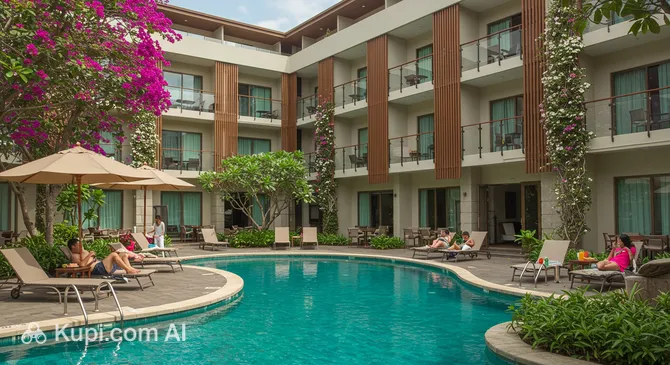
For those looking for a premium stay and developed infrastructure, the LeBlanc Hotel and Resort is an excellent choice. Here, guests are offered a high level of service and comfortable rooms. Another worthy option in the region is the Antipolo Star Resort, which attracts travelers with its atmosphere and quality service.
LeBlanc Hotel and Resort. Illustration.
Source: Kupi.com AI
Traveller photos:
Price ranges in the city vary from budget guest houses for 1,500–2,000 PHP to luxurious five-star hotels of international chains. We recommend booking accommodation in advance, especially if your trip coincides with major holidays or concerts at the Araneta Coliseum, as the best options fill up quickly during these periods.
Nearby Cities
Quezon City serves as an ideal starting point for exploring the capital region and its surroundings. Thanks to the developed transport network, you can easily plan short trips to neighboring areas, each with its own unique character.
Just a couple of kilometers from the center is the Bagong Pag-asa district, known for its modern shopping complexes and business activity. It is also worth visiting Pinyahan and Krus na Ligas—some of the oldest settlements where you can experience a more traditional way of life and visit small local communities.
For history and architecture buffs, a trip to Manila (only 30–60 minutes away) is a must, where the historical Intramuros district is located. If you are interested in the academic environment and walking through shady campuses, head to Loyola Heights, home to the famous University of the Philippines.
City
Population
Distance
Bagong Pag-Asa
29,389
2 km
Santo Cristo
25,783
2 km
Pinyahan
28,129
3 km
Krus na Ligas
21,513
4 km
Loyola Heights
18,884
5 km
Exploring these nearby places will allow you to better understand the diversity of Filipino life, which combines ultra-modern business centers with cozy historical quarters.
Shopping & Souvenirs
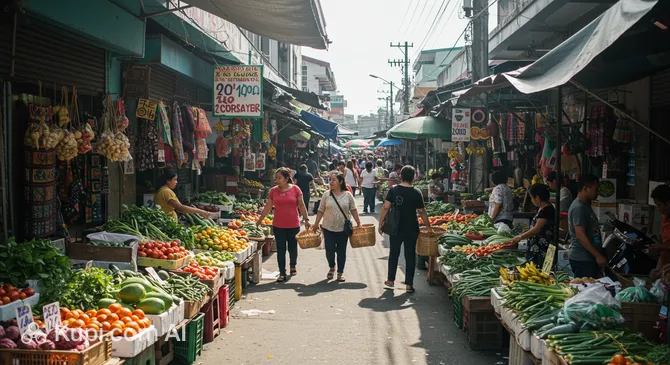
Shopping in Quezon City is a large-scale adventure, as it is home to some of the largest shopping centers in Asia. The main shopping hub is considered the Araneta City district, where giant malls, boutiques of famous brands, and markets are concentrated. You can find everything here: from the latest electronics to exclusive items from local designers.
For those who value comfort and vast selection, a visit to SM City Manila or SM City San Lazaro is essential. These shopping centers offer not only stores but also extensive entertainment zones, cinemas, and food courts. In the TriNoma and SM North EDSA areas, you will find modern shopping spaces with beautiful rooftop gardens.
City San Lazaro. Illustration.
Source: Kupi.com AI
Traveller photos:
If you are looking for authentic souvenirs, look for coconut fiber products, Philippine pearls, and handmade fabrics. Shops are usually open from 10:00 to 21:00, and card payments are accepted almost everywhere except for small markets. Don't forget to visit the local Fiesta at Araneta fair, where you can buy unique handmade goods directly from artisans.