Support

Valenzuela

About

Valenzuela is a dynamic and highly urbanized city located in the northern part of the Philippines' National Capital Region. Situated just 14 kilometers from Manila, it serves as a vital link between the capital and the northern provinces of the country. Valenzuela harmoniously combines its status as the industrial heart of the region with the atmosphere of a bustling residential suburb, home to over 700,000 people.
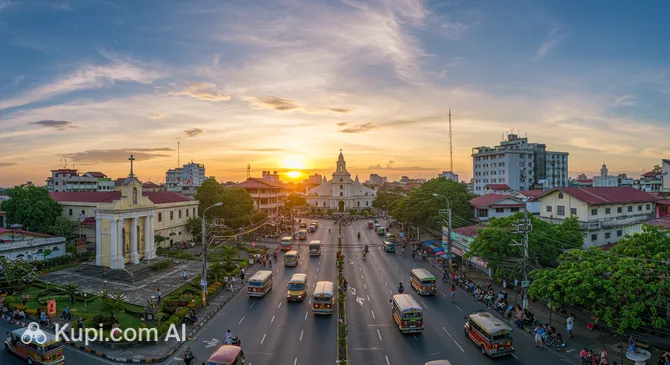
Valenzuela. Illustration.
Source: Kupi.com AI

The city has come a long way from the small agricultural settlement of Polo, founded in 1623, to a modern metropolis. Exploring Valenzuela's rich heritage, one can see how ancient Spanish traditions are intertwined with the rhythm of modern industry. Despite the prevalence of factories and warehouses, the city maintains its identity through its hospitable residents and careful preservation of its roots.

For tourists, Valenzuela is primarily interesting for its authenticity and the opportunity to see life in a Philippine metropolis "without the polish." It is worth visiting historical churches and modern public spaces such as People's Park. Valenzuela invites those who want to feel the true pulse of Metro Manila and get to know the city rightfully called the northern gateway to the capital.
Weather Overview

Valenzuela is characterized by a typical tropical climate with high temperatures and significant humidity throughout the year. Average temperatures usually range from 25°C to 33°C. The hottest period is considered to be from March to May, when the air can heat up to 34°C or higher, while the most comfortable and "cool" days occur in January and February.

The city has two distinct seasons: dry and rainy. The dry season lasts from December to May, providing ideal conditions for walking, although April and May can be very sultry. The rainy season, occurring from June to November, brings heavy monsoon rains. During this time, especially in July and August, rainfall can reach 400–600 mm per month, sometimes leading to local flooding in the city's low-lying areas. Before planning a visit, it is useful to check the current weather in Valenzuela.

Travelers should take into account that due to dense urbanization and the presence of industrial zones, humidity in the city can feel more intense. If your trip is planned for the rainy season, be sure to monitor typhoon forecasts, as they periodically pass through Luzon. Nevertheless, even in the rainy months, showers are often short-lived, alternating with sunny periods.

Average monthly temperature

Average monthly precipitation

Interesting Facts

  • Valenzuela achieved city status only in 1998, evolving from a modest agricultural settlement into one of the most industrially developed areas in the country.

  • The city is the twelfth city within Metro Manila and ranks 11th on the list of the most populous cities in the Philippines, with a population density reaching an impressive 15,206 people per square kilometer.

  • The settlement bore its historical name "Polo" from its founding in 1623 until it was renamed in honor of the Filipino physician and revolutionary Pío Valenzuela.

  • The famous North Luzon Expressway (NLEX) passes through the city, making Valenzuela a strategically important "gateway to the north" for everyone traveling from the capital to Bulacan province.

  • Valenzuela is divided into 33 barangays — the smallest administrative units in the Philippines, each with its own unique character, from quiet residential neighborhoods to bustling industrial zones.

How to Get There

Valenzuela enjoys excellent transport accessibility, being a key transit hub between Manila and the northern regions of Luzon. The city's main transport artery is the North Luzon Expressway (NLEX). A car or bus trip from the capital center usually takes 20 to 40 minutes, though during peak hours, heavy traffic can increase this time to an hour and a half or two hours. To plan your route as efficiently as possible, it is worth exploring all options for how to get to the city in advance.

For travelers arriving by air, the nearest major aviation hub is Ninoy Aquino International Airport (MNL). It is located approximately 30–40 kilometers from Valenzuela. The most convenient way to get from the airport is to use a taxi or the Grab service, which provides a direct transfer to your destination. You can also use public transport: take the MRT-3 metro to North EDSA station, then transfer to a bus or jeepney heading north.

AirportPassenger trafficDistance
Ninoy Aquino International Airport50.1 mln22 km
Danilo Atienza Air Base24 km
Clark International Airport2.4 mln70 km
San Jose48 000259 km
Cauayan Airport66 415260 km

Railway communication within Valenzuela itself is currently underdeveloped, and the city does not have its own metro stations. The main emphasis is on the road network and bus services. However, its proximity to major Manila transport interchanges makes it easy to combine various modes of transport for trips throughout the capital region.

Main Attractions

Although Valenzuela is primarily known as an industrial center, there are places here that deserve the attention of history and architecture enthusiasts. One of the city's main gems is the San Diego de Alcala Church. This ancient building preserves the spirit of the colonial era and is an important spiritual center for local residents. Its facade and interior are reminders of the days when the city was still called Polo and was just beginning its history under Spanish influence.

For those looking for outdoor recreation amidst dense urban development, the Valenzuela City People's Park is the ideal spot. This modern multifunctional space features well-kept lawns and sports fields where families spend their weekends. The park has become a true green oasis in the heart of the industrial district, offering guests cozy areas for walks and cultural events.

In addition to historical and natural sites, Valenzuela is interesting for its lively markets and public squares, such as Plaza del Valle. Here, you can fully experience the city's daily rhythm, watch the local trade, and immerse yourself in the typical atmosphere of a Philippine suburb. These locations allow you to see Valenzuela from a more informal and lively side, hidden behind the facades of large factories.

Local Cuisine

The gastronomic scene in Valenzuela is a vibrant reflection of the Tagalog culinary traditions of Metro Manila. The diet is based on rice, which is served with almost every dish. Tourists should definitely try Filipino classics: adobo (meat stewed in soy sauce and vinegar) and sinigang (a sour soup with seafood or meat). Due to its proximity to the Tullahan River, fresh grilled fish and seafood are often found in local establishments.

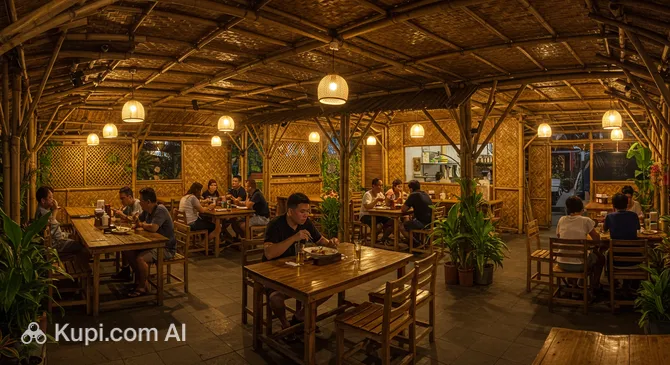
For those who want a quick and tasty snack, the city offers many options for modern street food and fast food. A popular stop for drivers and travelers is the Shell MacArthur Highway Drive-thru, where you can find familiar international brands. If you are looking for a full meal in a pleasant environment, check out Drive & Dine — this complex brings together several restaurants with diverse menus.

Drive & Dine. Illustration.
Source: Kupi.com AI

Traveler photos:

The food culture in Valenzuela is closely linked to the rhythm of an industrial city: inexpensive canteens ("karinderias") and street stalls offering balut (developing duck embryo) or fried fish balls are popular during the day. In the evening, locals prefer to gather in shopping malls or open-air barbecue joints, washing down a hearty dinner with a cold San Miguel beer or refreshing tropical fruit juices.

A special place in local life is occupied by markets in the barangays, where you can buy the freshest ingredients or try authentic sweet treats made from glutinous rice. Although the city does not have unique "secret" dishes specific only to this location, the honest and vibrant taste of traditional Filipino food in Valenzuela will leave no one indifferent.

Travel Tips

Visiting Valenzuela is a great way to see the real industrial rhythm of the Philippines, and a few practical tips will help make your trip comfortable and safe.

  1. Clothing and Equipment: Choose light cotton clothing, as the city experiences tropical heat and high humidity year-round. Don't forget comfortable closed-toed shoes for walking and an umbrella to protect you from both the sun and sudden monsoon showers.
  2. Transport: For moving around the city, it is most convenient to use the Grab app — it is safer and eliminates the need to haggle. For short trips, try tricycles, but confirm the fare with the driver beforehand.
  3. Finances: The main currency is the Philippine peso (PHP). Shopping malls accept cards, but for paying jeepney fares and market purchases, be sure to carry small denominations of cash. ATMs are easy to find in banks and large malls.
  4. Health: Drink only bottled water and avoid ice in street drinks. There are many pharmacies in the city, but for serious medical assistance, it is better to seek out major clinics in Metro Manila.
  5. Communication: English is widely spoken, especially among young people and service staff. Knowing a couple of phrases in Tagalog, such as "Salamat" (thank you), always earns the appreciation of locals.
  6. Etiquette: Filipinos are very polite and friendly. Be patient in queues and always smile back — it's the best way to establish rapport here.
  7. What to Avoid: Do not display expensive jewelry or large sums of money in crowded places. Avoid walking at night in sparsely populated industrial zones or outlying barangays.
  8. Additional Tip: Plan your movements to avoid peak hours (morning and evening) when traffic on Valenzuela's roads virtually grinds to a halt due to jams.

Following these simple rules will allow you to enjoy Valenzuela's hospitality and gain only positive impressions from getting to know this energetic city.

Entertainment & Nightlife

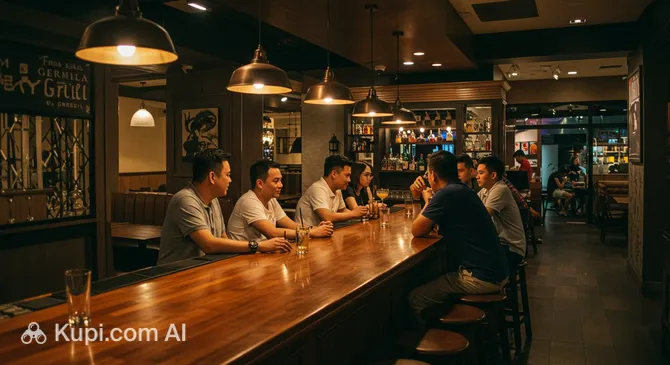
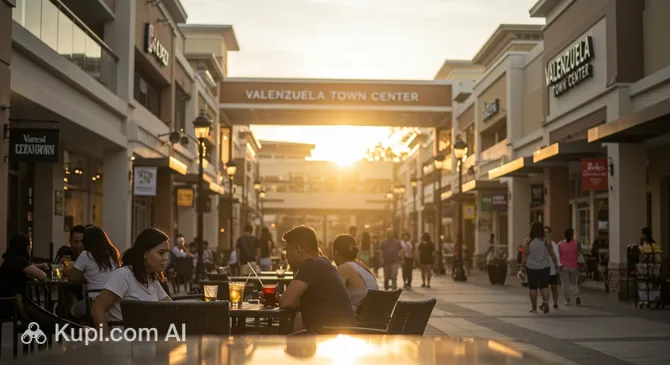
Nightlife in Valenzuela is calm and local in nature, significantly different from the bright lights of central Manila. Most activity after sunset is concentrated around popular shopping and community centers. Local residents often choose cozy venues with live music or karaoke, which are scattered throughout the city's key barangays, for their evening leisure.

One of the favorite places for dining and socializing is the Valenzuela Town Center Bar. It offers a relaxed atmosphere, classic Filipino snacks, and drinks, making it a great spot to end the day with friends. The establishment is popular due to its convenient location and friendly service.

Valenzuela Town Center Bar. Illustration.
Source: Kupi.com AI

Traveler photos:

If you are looking for more diverse entertainment options, it is worth checking out neighboring areas. For example, Gerry's Grill Robinsons Malabon offers excellent opportunities for a family dinner and evening gatherings in a pleasant setting. For those craving loud parties and large nightclubs, the path usually leads toward Quezon City, which is about a 30–40 minute taxi ride away.

Gerry's Grill Robinsons Malabon. Illustration.
Source: Kupi.com AI

Traveler photos:

During the day, entertainment in Valenzuela is oriented toward family recreation and sports. Festivals and public events in People's Park are popular, as are modern cinemas in large shopping centers. For safe travel at night, it is recommended to use taxi services like Grab, which operate reliably and provide comfortable transport to your hotel.

Parks & Museums

Green zones in Valenzuela are true islands of tranquility amidst dense urban development. The main point of attraction for residents and guests of the city is the Valenzuela City People's Park. This modern park offers spacious lawns for picnics, interactive fountains, and an amphitheater for cultural events. It has become a symbol of the city's commitment to creating a comfortable environment for its citizens, offering opportunities for both active sports and leisurely walks.

The city's historical heritage is primarily represented by architectural monuments, among which the San Diego de Alcala Church stands out. Although there are no major national museums in Valenzuela itself, elements of the old settlement of Polo allow you to touch the region's history. Viewing the bell tower and the remains of the church's ancient walls provides an opportunity to imagine what this area looked like centuries ago, before the start of rapid industrialization.

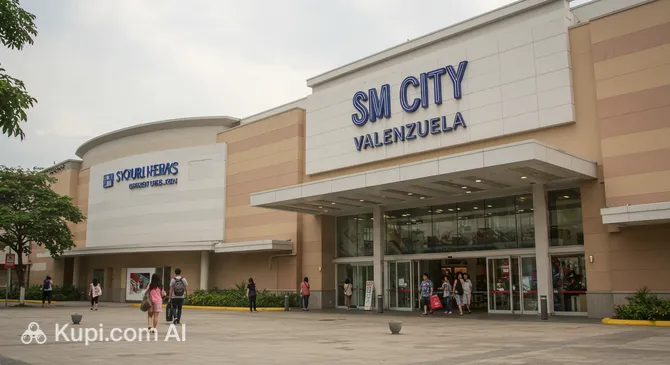
For those who want to combine relaxation with a visit to museums, it is recommended to look into neighboring areas such as Malabon. There, you can find private collections and galleries telling the story of the life and art of local communities. In Valenzuela itself, cultural life often concentrates around public spaces like SM City Valenzuela, where temporary exhibitions and art installations often take place, introducing visitors to the work of Filipino masters.

SM City Valenzuela. Illustration.
Source: Kupi.com AI

Traveler photos:

Getting Around

The transport system of Valenzuela is typical for the densely populated areas of Metro Manila and relies on a network of roads. The primary and most accessible form of travel within the city is the jeepney — brightly decorated minibuses that run on fixed routes. For short-distance trips within residential neighborhoods (barangays), locals and tourists often use tricycles — motorcycles with sidecars capable of navigating narrow streets inaccessible to larger vehicles.

Valenzuela's connection to other parts of the capital is primarily provided by bus services and UV Express minibuses, which follow the NLEX and MacArthur Highway. Although the city itself does not have its own light rail stations (LRT or MRT), many public transport routes deliver passengers to hub stations in neighboring Caloocan or Quezon City. Fares on jeepneys and buses remain very affordable, with payments made in cash to the driver or conductor.

For those who prefer comfort and predictability, the best choice would be mobile ride-hailing apps like Grab. This avoids price negotiations and ensures a safe journey. Bike rentals and car-sharing have not yet become widespread in the city due to chaotic traffic and the abundance of freight vehicles, so tourists are advised to stick to proven types of public transport or taxis.

When planning trips, it is important to consider peak hours: from 7:00 to 9:00 AM and from 5:00 to 8:00 PM, Valenzuela's roads can be heavily congested. During these times, a short trip can take up to an hour. Nevertheless, the developed network of routes allows you to reach almost any point in the city during the day if you allow extra time for possible travel delays.

Accommodation

Accommodation options in Valenzuela are primarily geared toward business travelers or those planning a long-term stay. Cozy apartments, guesthouses, and budget hotels predominate here. Tourists often choose areas like Malanday or Bignay, where housing can be found at affordable prices starting from 1,000 Philippine pesos per night.

For those who prefer standard hotel comfort, 2–3 star hotels can be found near major shopping centers like SM City Valenzuela. These options are convenient as they provide quick access to shops, restaurants, and transport stops, which significantly facilitates moving around the city.

SM City Valenzuela. Illustration.
Source: Kupi.com AI

Traveler photos:

If you are planning a short-term visit to see the sights of the entire capital region, many travelers prefer to stay in hotels in Manila or Quezon City, visiting Valenzuela as a day trip. However, booking accommodation directly in the city can be an excellent solution for those who want to save money and immerse themselves in authentic local life.

It is recommended to book accommodation in advance, especially if your trip coincides with major holidays or industrial exhibitions. Major booking platforms offer a wide range of apartments that are very popular among expats and business travelers.

Nearby Cities

Thanks to its strategic location on the border of the capital and the provinces, Valenzuela serves as an excellent starting point for exploring the surrounding areas. Just a few kilometers away are the lively districts of Metro Manila, each with its own unique character and attractions.

For those interested in shopping and active city life, it is worth heading to the neighboring district of Karuhatan or a bit further to Quezon City, which is famous for its huge shopping centers and parks. If you want to see more traditional residential neighborhoods, you can visit areas such as Lawang Bato, Malanday, or Punturin. These places offer a glimpse into the daily life of Filipinos off the tourist track.

CityPopulationDistance
Karuhatan37 7482 km
Lawang Bato13 2373 km
Malanday19 0603 km
Punturin20 9304 km
Tinajeros18 3874 km

Another interesting destination is a trip to Tinajeros or the neighboring city of Malabon, known for its culinary traditions and historic houses. For those ready to drive a little further north along the NLEX, the expanses of Bulacan province open up with its ancient churches and picturesque landscapes. Exploring these territories will allow you to form a complete picture of the diversity of the Philippines' Luzon region.

Shopping & Souvenirs

Shopping in Valenzuela is oriented toward practicality and variety, offering guests both modern shopping complexes and colorful local markets. The city is not a center for high fashion, but you can find everything needed for daily life and excellent locally produced goods at attractive prices. Main commercial activity is concentrated along major roads, such as MacArthur Highway.

The primary destination for shopping and family leisure is SM City Valenzuela. This large shopping center brings together hundreds of clothing, electronics, and home goods stores, as well as food courts and cinemas. Another significant site is the Town Mall Malabon, located nearby, which also offers a wide selection of goods and services in a comfortable environment.

Town Mall Malabon. Illustration.
Source: Kupi.com AI

Traveler photos:

To experience the true spirit of Philippine commerce, the public markets in the barangays, such as Valenzuela Public Market, are a must-visit. Life here is in full swing from early morning: stalls are bursting with fresh tropical fruits, vegetables, and seafood. It is the perfect place for those looking for authentic products or wanting to purchase everyday goods at wholesale prices, which this industrial region is famous for.

Common souvenirs from Valenzuela include traditional Filipino sweets, mother-of-pearl products, or textiles. Shops usually operate from 10:00 AM to 9:00 PM, while markets open at dawn. Shopping malls widely accept bank cards, but for purchases at markets and small shops, it is essential to have cash in local pesos.

Reached the end of the page?

That means the route is fully explored