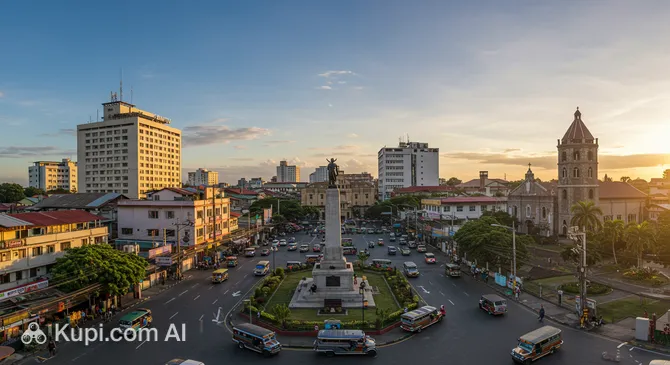
Caloocan is not just one of the largest cities in Metro Manila; it is the pulsating heart of the Philippines, where the modern rhythm of the metropolis is closely intertwined with a rich historical past. The city covers an area of over 53 square kilometers and is home to more than 1.6 million people. Its name comes from the Tagalog word "kalook-lookan," which poetically translates to the "innermost territory," reflecting its unique geographical location deep within the region.
Once a quiet agricultural area, Caloocan is today a dynamic economic and cultural center. The city holds special significance for Filipinos due to its historical heritage, as it was here that important revolutionary movements were born. The city's atmosphere is filled with energy: from bustling shopping streets to majestic cathedrals that preserve the memory of bygone eras.
Caloocan. Illustration.
Source: Kupi.com AI
Caloocan attracts tourists with its authenticity and the opportunity to see the real life of the capital region without embellishment. Here, you can visit significant monuments, relax in city parks, or immerse yourself in the study of religious traditions in local temples. Caloocan invites everyone who wants to feel the true spirit of the Philippines and experience the hospitality of its residents.
Weather Overview
Caloocan is dominated by a tropical monsoon climate, characterized by high temperatures and significant humidity throughout the year. The temperature regime here is quite stable: the thermometer usually fluctuates between 25–33°C. When planning a trip, it is important to consider the changing seasons, which greatly influence the nature of a vacation in the metropolis.
The dry season lasts from December to May—this time is considered the most favorable for visiting the city, when rain occurs rarely and the sky is clear. The peak heat occurs in April and May, when the average maximum reaches 32–34°C. During this period, the weather in the city is conducive to long walks and exploring open-air attractions.
The rainy season arrives in June and continues until November. During this time, expect frequent and heavy downpours, especially in July and August, which are the wettest months. Despite the precipitation, the weather remains warm, but humidity can cause additional discomfort. If your visit falls during this period, be sure to bring an umbrella and follow the forecasts, as tropical storms can affect transport operations.
Average monthly temperature
Average monthly precipitation
Interesting Facts
Center of the Revolution: Caloocan is forever etched in Philippine history as the center of activity for the Katipunan—a secret revolutionary society that fought for the country's independence.
Monumental Heritage: The city is home to the famous Andres Bonifacio monument, created by sculptor Guillermo Tolentino in 1933, which is considered one of the greatest works of art in the country.
Meaning of the Name: The Tagalog word "kalook-lookan" means "innermost territory," referring to the city's location deep in the mainland relative to the Manila Bay coastline.
Religious Status: In 2003, by the bull of Pope John Paul II, the Diocese of Kalookan was officially established, highlighting the city's importance as a religious center.
Rapid Growth: Founded in 1815, Caloocan has evolved from a small agricultural settlement into one of the most populous and economically important cities in the metropolis.
How to Get There
The accessibility of Caloocan is due to its favorable location within Metro Manila. Although the city does not have its own airport, travelers can easily reach it through the main gateway of the Philippines. The region's infrastructure allows for quick travel between districts using both modern modes of transport and traditional Filipino ways of getting around.
The main point of arrival for international tourists is Ninoy Aquino International Airport (MNL), located approximately 15–20 kilometers from the city. The journey from the terminals to the center of Caloocan by taxi or through the Grab service usually takes 30 to 50 minutes, depending on traffic. Buses also run from the airport, connecting it to the key transport hubs of the metropolis.
Rail travel is one of the most convenient ways to avoid Manila's traffic jams. The city is served by the LRT-1 and MRT-3 lines, which connect it to the central districts of the capital and neighboring cities. For those traveling from distant provinces, intercity buses are available, arriving at terminals in the Cubao or Pasay districts, from where you can transfer to local transport. More detailed information on routes can be found on the page describing how to get to Caloocan.
Station
Passenger traffic
Distance
Fernando Poe Jr. station
7
11 km
North Avenue Grand Central Station
5
11 km
North Avenue station
7
12 km
Balintawak station
7
12 km
Quezon Avenue station
6
13 km
Main Attractions
Caloocan offers travelers a unique combination of historical monuments and modern leisure spots. One of the city's central symbols is the Andres Bonifacio Monument, erected in 1933. This majestic monument commemorates the Philippine Revolution and is considered one of the most important historical locations in the region, attracting history buffs from all over the world.
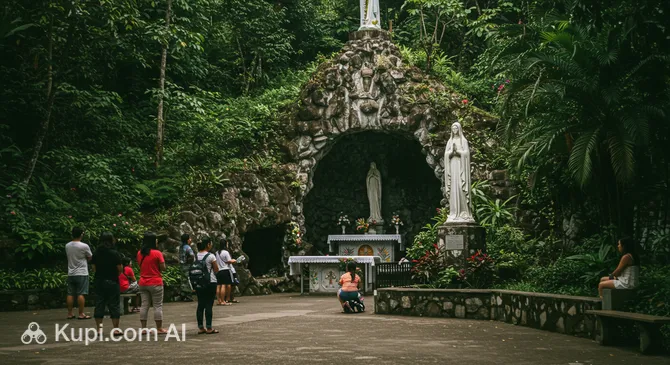
For those seeking spiritual peace or interested in architecture, a visit to the Grotto of Our Lady of Lourdes Shrine is a must. This place is famous for its serene atmosphere and beautiful design, making it an important point for pilgrimage and quiet walks.
Our Lady of Lourdes Grotto Shrine. Illustration.
Source: Kupi.com AI
Traveler photos:
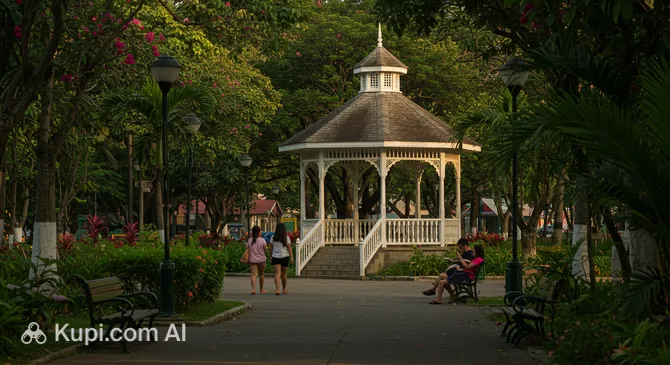
If you want to spend time outdoors among the greenery, check out Glorieta Park. This cozy space within the city limits is perfect for a short break from the hustle and bustle of the metropolis to observe the daily life of the locals. Also worth visiting is the San Roque Cathedral, which serves as the cathedral of the local diocese and impresses with its interior decoration and cultural significance.
Glorieta Park. Illustration.
Source: Kupi.com AI
Traveler photos:
You can round off your introduction to the city at the City Library or the Bonifacio Museum, which houses rare documents and exhibits telling the story of this fascinating region's development. Caloocan is harmoniously integrated into the tourist routes of Metro Manila, offering guests a lively and direct encounter with Filipino culture.
Local Cuisine
The culinary scene of Caloocan is a vibrant kaleidoscope of Filipino flavors, where ancestral traditions meet modern metropolitan gastronomic trends. The local cuisine is based on classic dishes such as Adobo (meat marinated in soy sauce and vinegar), the rich sour soup Sinigang, and the legendary Lechon—a pig roasted to a golden crust. These dishes are prepared here with special skill, passing recipes down through generations.
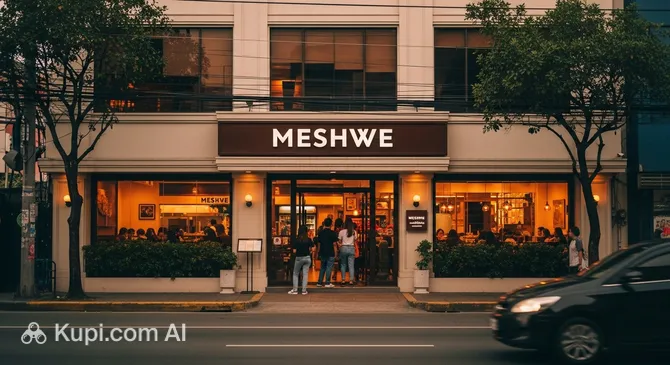
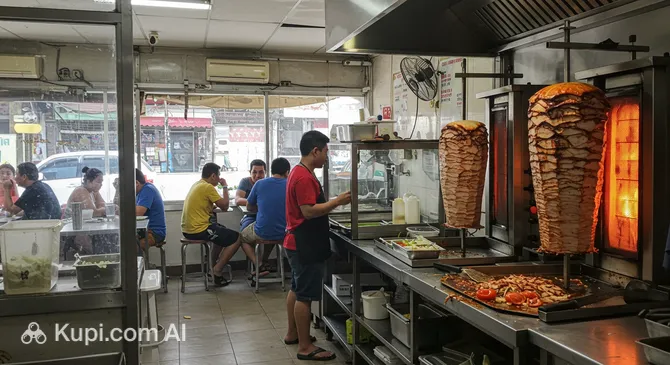
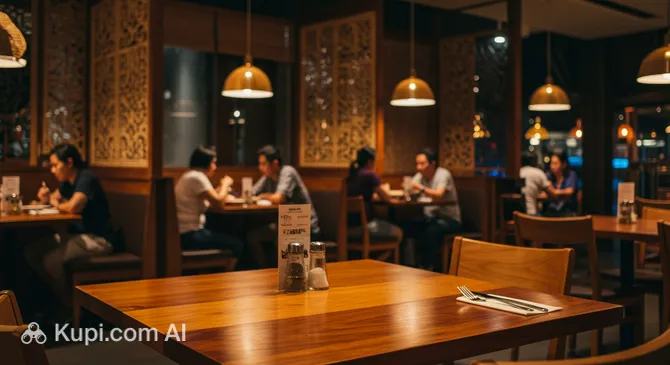
For those who want a quick snack on the go, the city offers an endless variety of street food. Be sure to try Lumpia (crispy spring rolls) and the famous dessert Halo-halo, consisting of a mix of fruits, jelly, sweet beans, and shaved ice. Among the city's establishments, Meshwe is worth highlighting for its interesting menu items, as well as Tri Mo Shawarma if you crave a familiar taste with a local twist.
Meshwe. Illustration.
Source: Kupi.com AI
Traveler photos:
The dining culture in the city centers around family restaurants and lively markets. It is at the markets that you can find the freshest tropical fruits and seafood. Regarding drinks, locals prefer freshly squeezed juices, Filipino coffee, and cold local beer. A gastronomic journey through Caloocan will give you genuine emotions and introduce you to the true "home-style" cooking of the Philippines.
Tri Mo Shawarma. Illustration.
Source: Kupi.com AI
Traveler photos:
Travel Tips
Preparing for your trip to Caloocan will help you make the journey as comfortable as possible and avoid minor inconveniences. Here are some practical tips from experienced travelers that will come in handy in this dynamic city:
Clothing and Essentials: Choose light clothing made from natural fabrics, as the city is hot and humid year-round. Don't forget comfortable walking shoes and sunglasses. When visiting San Roque Cathedral and other temples, observe the dress code: shoulders and knees should be covered.
Transport: The fastest way to get around is the LRT metro. For comfortable taxi rides, install the Grab app. Remember that traffic in the metropolis is very heavy, so plan your time with a margin.
Finance: The local currency is the Philippine peso. While malls accept cards, you'll need cash at markets and in jeepneys. ATMs are common, but there may be a fee for withdrawals. Tipping is welcome but remains at your discretion.
Health and Safety: Drink only bottled water and avoid ice in street drinks. Use insect repellent. In crowded places, keep a close eye on your belongings.
Communication: The main language is Tagalog, but English is widely spoken, especially in the service sector. Learn a couple of phrases like "Salamat" (thank you); this will endear you to the locals. Buy a local SIM card for internet access.
Local Etiquette: Filipinos are very friendly and polite. Greet people with a smile. Showing politeness to elders (using "po" and "opo" at the end of phrases) is considered good manners.
What to Avoid: Try to avoid discussing sensitive political topics and do not show impatience in queues or traffic—calmness and restraint are valued here.
Extra Tip: The best time to visit is from December to February, when the weather is at its driest and not too hot.
Caloocan will show you its best side if you show a little curiosity and respect for the local way of life. Have a great trip!
Entertainment & Nightlife
The entertainment program in Caloocan is primarily focused on cultural enrichment and getting to know local traditions. Unlike noisy tourist centers with an abundance of nightclubs, this city attracts visitors with a more relaxed and authentic atmosphere. The main nightlife is concentrated in cozy restaurants and bars, where you can often hear live Filipino music and enjoy friendly conversation with the locals.
One of the popular spots for evening relaxation is Gerry's Grill SM Fairview, where you can try classic dishes in a pleasant setting. Such establishments usually stay open until late evening and offer a relaxed atmosphere suitable for both family dinners and meeting friends. During the day, tourists' attention shifts to shopping malls, parks, and museums, which often serve as venues for festivals and city celebrations.
Gerry's Grill SM Fairview. Illustration.
Source: Kupi.com AI
Traveler photos:
For those craving large-scale dance parties and bright neon lights, we recommend checking out neighboring areas of the metropolis, such as Quezon City. Nevertheless, Caloocan's local markets and street events often delight with spontaneous concerts and folk dances, creating a unique local flavor. For safety at night, it is best to use official taxi services or the Grab app to get back to your accommodation comfortably.
Parks & Museums
Caloocan carefully preserves its history, and the best way to start exploring it is through local museums. A key cultural site is the Bonifacio Museum, located next to the famous monument. Here, visitors can see rare exhibits, documents, and artifacts dedicated to the life of national hero Andres Bonifacio and the city's role in the Philippine Revolution. This historical route is complemented by the city library, where themed exhibitions and cultural events are often held.
For those who prefer outdoor recreation, the city offers several cozy green zones. Although Caloocan is a densely built-up metropolis, Glorieta Park remains a popular place for walks. This is a space where you can enjoy the shade of trees and take a break from city noise. Another interesting site is the area around San Roque Cathedral, where the architectural beauty of the church is harmoniously complemented by neat plantings.
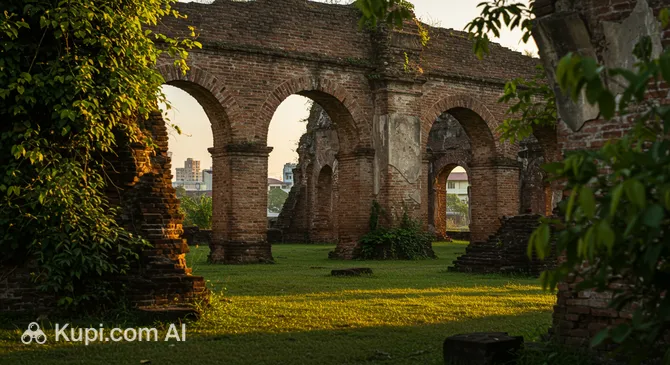
If you are looking for larger recreational areas, it's worth checking out places like Los Arcos de Hermano or the Pacific Waves Resort. These complexes offer not only walking paths but also extensive infrastructure for full-fledged water recreation, making them an excellent choice for a family visit on a hot Philippine day.
Getting Around
The transport system in Caloocan is closely integrated into the overall Metro Manila network, making movement within and outside the city quite efficient. The backbone of rapid transit is the LRT-1 and MRT-3 elevated metro lines. Stations for these lines are conveniently located at key points in the city, allowing tourists to reach the capital's center and other important metropolitan areas quickly and without traffic jams.
For short-distance travel and immersion in local flavor, jeepneys—brightly painted shared taxis that have become a symbol of the Philippines—are indispensable. They run on many routes and are very inexpensive. Motorized tricycles are also popular for trips within neighborhoods. Payment in such transport is made in cash to the driver, so it is always useful to have small coins and bills on hand.
If you prefer a more comfortable and predictable way to get around, we recommend using the Grab mobile app or a regular taxi. This is especially relevant during rush hours when public transport can be overcrowded. To pay for the metro, it is most convenient to purchase a Beep card, which can be topped up at stations. When planning your route, always consider the traffic density, especially on weekday mornings and evenings.
Accommodation
When planning a trip to Caloocan, keep in mind that the city offers a variety of accommodation options, primarily focused on practicality and affordability. Here you can find both modern mid-range hotels and budget guesthouses. Tourists often choose accommodation in the Monumento area, as it is a key transport hub that makes it convenient to reach Manila's attractions and other parts of the metropolis.
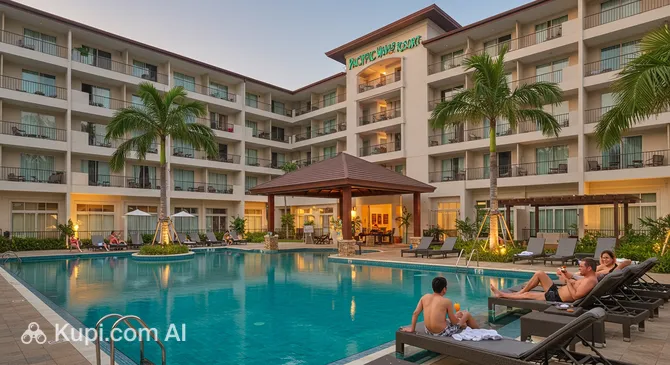
If you are looking for a complete holiday with water activities, consider the Pacific Waves Resort. This is an excellent spot for those who want to swap the urban jungle for a comfortable recreation area with a pool. Another noteworthy option is Los Arcos de Hermano—a spacious complex suitable for both family leisure and holding celebrations in the heart of nature.
Los Arcos de Hermano. Illustration.
Source: Kupi.com AI
Traveler photos:
The price range in the city is quite reasonable, and it is better to book accommodation in advance, especially during the dry season (December to May), when the flow of travelers increases. Most hotels and resorts are listed on popular international booking services. However, remember that Caloocan is a dynamic city, and for maximum peace of mind, it is recommended to choose proven chain options or certified resort complexes.
Pacific Waves Resort. Illustration.
Source: Kupi.com AI
Traveler photos:
Nearby Cities
Thanks to its location in the center of the capital region, Caloocan serves as an excellent starting point for exploring nearby cities and provinces. Quiet suburbs and bustling commercial centers are located nearby, each with its own unique character and set of attractions.
Just a few kilometers away is the city of San Jose del Monte, which attracts travelers with its natural landscapes and opportunities for out-of-town recreation. If you are interested in the authentic life of small settlements, it is worth looking into Bignay or Meycauayan. The latter is famous for its jewelry production and rich history. These places can be reached by jeepneys, buses, or taxis, making day trips easy and untiring.
Don't miss the chance to also visit neighboring Punturin and Lawang Bato to see how diverse this region is. Exploring the surroundings of Caloocan will allow you to see not only the dynamic metropolis but also a quieter, more traditional side of life in the capital region during one vacation.
Shopping & Souvenirs
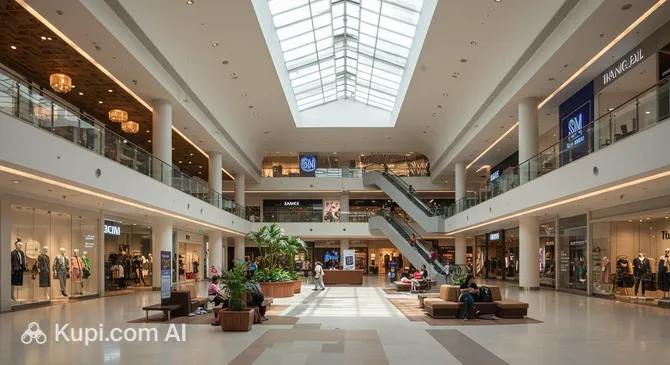
Shopping in Caloocan is an exciting adventure where modern shopping malls stand alongside colorful street markets. The city is an important trading hub where you can find absolutely everything: from branded clothing to unique handmade products. The main activity is concentrated in the Monumento area, which is famous for its abundance of electronics, textiles, and household goods stores.
Fans of comfortable, air-conditioned shopping should visit the large shopping centers. SM City Novaliches offers a wide selection of international and local brands, as well as food courts and cinemas. Another modern space is Fairview Terraces, where it is pleasant to spend time combining shopping with relaxation in cozy cafes.
Fairview Terraces. Illustration.
Source: Kupi.com AI
Traveler photos:
If you want to feel the true spirit of the city, head to the local markets. Here, you should look for traditional souvenirs: Filipino fabrics, woven rattan products, and woodwork. The markets are open from early morning until late evening, and cash is the standard form of payment there. In large shopping malls, on the contrary, bank cards are widely accepted, and stores are usually open from 10:00 to 21:00.