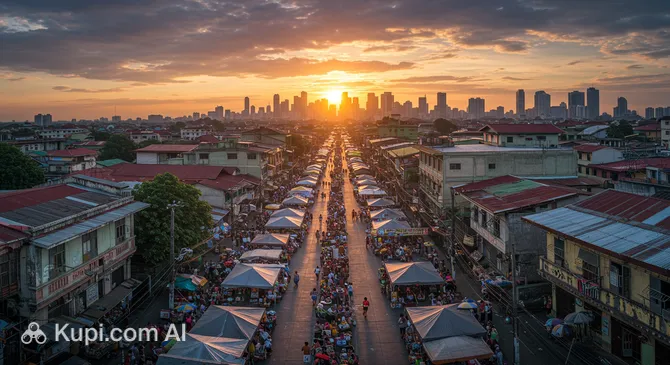
Tondo is one of the most colorful and densely populated districts in Manila, the capital of the Philippines. Located in the northern part of the Pasig River delta, this district holds ancient history dating back to the pre-colonial era, when it was a thriving trading hub of a Tagalog kingdom.
Tondo. Illustration.
Source: Kupi.com AI
Today, Tondo is the vibrant heart of the metropolis, with a population of over 650,000 people. It is a place where modern urban challenges intertwine with a rich heritage of the past. While not a typical tourist center, this is exactly where you can feel the true rhythm of the Philippine capital, witness its daily life, and visit the birthplace of many outstanding figures, including national hero Andres Bonifacio.
Its geographical position on the shores of Manila Bay and the presence of major port terminals make Tondo a vital economic hub. Despite its reputation as an overcrowded district, it attracts travelers with its authenticity, massive markets, and the genuine hospitality of the locals. A visit to this area offers an unforgettable experience for those who want to see Manila without filters, in all its diversity and energy.
Weather Overview
The climate in Tondo is typical of the tropical monsoon zone, meaning steady heat and high humidity throughout the year. Average daytime temperatures range between 26–32°C, sometimes rising to 35°C during the hottest months. Travelers should expect a hot summer with occasional refreshing rains and a drier winter period.
When planning your trip, it is important to consider that the weather in Tondo is divided into two main seasons. The dry season lasts from December to May—this is the best time for walking through markets and sightseeing. From June to November, the rainy season arrives, characterized by frequent but usually short downpours that bring pleasant coolness but can make moving through the district's narrow streets more difficult.
Average monthly temperature
Average monthly precipitation
Interesting Facts
Tondo is the oldest documented settlement in the Philippines, known as the Kingdom of Tondo even before the arrival of the Spanish in 1570.
The district is the birthplace of Andres Bonifacio, one of the country’s primary national heroes and a leader of the Philippine Revolution.
It is home to Divisoria Market, the largest wholesale market in the country, where you can find almost any kind of goods at the lowest prices.
Tondo is considered one of the most densely populated districts in the world, creating a unique, one-of-a-kind urban environment.
The former "Smokey Mountain" landfill once located here became a global symbol of the fight against poverty and the subsequent successful transformation of the area into a residential complex.
How to Get There
The transport accessibility of Tondo is provided by its central location in northern Manila. The district is a major logistics hub through which the capital's main freight and passenger flows pass. Travelers should keep in mind that getting to Tondo is possible via various means, but you should plan for extra time due to heavy traffic.
The main air gateway is Ninoy Aquino International Airport (MNL). A trip by taxi or via the Grab app from the airport to Tondo usually takes 40 to 60 minutes, though travel time can increase to two hours during peak hours.
The district's rail connection is represented by the historic Tutuban Station, which is the central station of the Philippine National Railways. From here, trains depart to the northern provinces of Luzon. It is also convenient to use the LRT-1 light rail line to Doroteo Jose station, which is located on the border of the district and connects it to the center and south of Manila.
Station
Passenger traffic
Distance
Blumentritt station
7
2 km
R. Papa LRT Station
7
2 km
Abad Santos LRT Station
7
2 km
Tutuban station
6
1 km
Tayuman LRT Station
7
2 km
Blumentritt station
5
2 km
Bambang LRT Station
7
2 km
Doroteo Jose LRT Station
8
2 km
Main Attractions
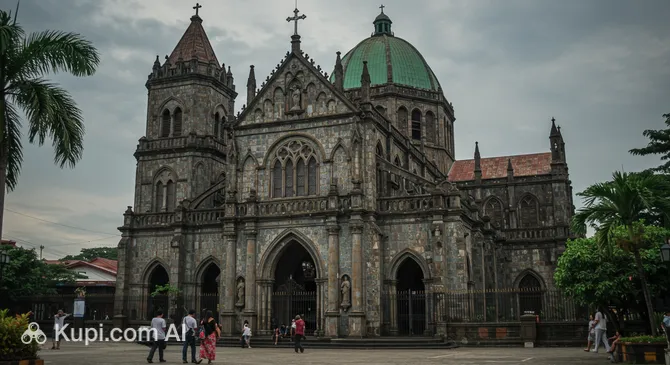
While Tondo is better known for its commercial and residential pace, you can find surprising architectural monuments and iconic sites here. The Minor Basilica of San Sebastian and the Archdiocesan Shrine of Our Lady of Mount Carmel is a unique all-steel Gothic Revival church that stands out for its elegance against the industrial landscape. The building is made entirely of steel, making it a rare example of such architecture in Asia.
San Sebastian Minor Basilica and Archdiocesan Shrine of Our Lady of Mount Carmel. Illustration.
Source: Kupi.com AI
Traveler photos:
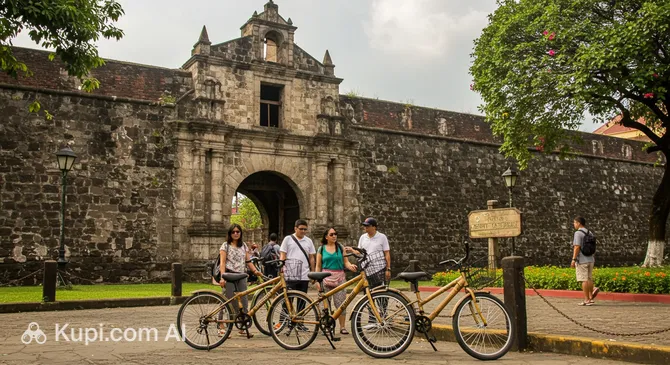
For those who want to dive deeper into the region's history and stay active, Intramuros eco-tours are available. Although the historic district itself is nearby, many routes start or pass near the borders of Tondo, allowing visitors to see the contrast between the ancient walls of the Spanish fortress and the bustling life of the modern district. Riding a bamboo bicycle is a great way to explore the surroundings in an eco-friendly and fun way.
Intramuros Ecotours. Illustration.
Source: Kupi.com AI
Traveler photos:
The spiritual center of the district is the Archdiocesan Shrine of the Blessed Sacrament. This place draws believers and history enthusiasts alike with its solemn atmosphere and rich interior decoration. The shrine serves as a reminder of the deep religious traditions that permeate the lives of every Tondo resident.
Local Cuisine
The gastronomic scene in Tondo is a true feast for lovers of authentic Tagalog cuisine and street food. At every turn, you can find carinderias—small family-run eateries serving classic adobo (marinated meat), fragrant sinigang soup, and the famous crispy pork sisig. Be sure to try halo-halo—a colorful dessert of crushed ice, fruit, and jelly that is perfect for escaping the tropical heat.
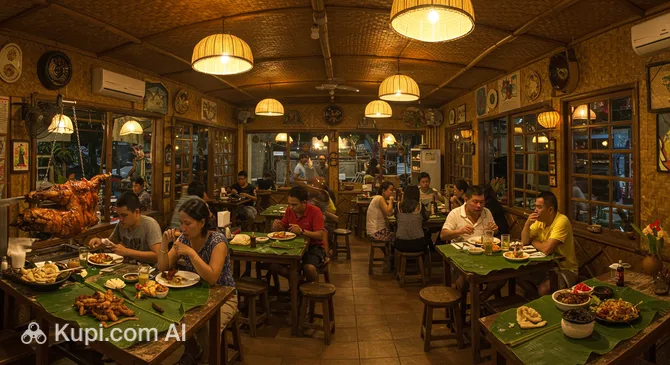
A special place on the district's culinary map is occupied by Ping Ping's Native Lechon. This establishment is famous for its impeccable lechon—spit-roasted pig with crispy skin and tender meat. This dish is considered the king of the Filipino table, and here it is prepared according to traditional recipes that attract foodies from all over Manila.
Food culture in Tondo is inextricably linked to markets like Divisoria. Here you can try exotic delicacies such as balut (fertilized duck egg) or various grilled skewers known as isaw. To wash down all this variety, fresh tropical fruit juices or cold local San Miguel beer are the best choices.
Travel Tips
A visit to Tondo will give you the most vivid and honest impressions of the Philippine capital if you follow a few simple tips from experienced travelers.
Clothing and Essentials: Choose light cotton clothing, as it is very humid and hot in the area. Be sure to wear comfortable closed-toe shoes for walking through crowded markets and always carry a folding umbrella in case of a sudden downpour.
Transport: Use the Grab app for moving between districts—it is safer and more reliable than hailing a taxi on the street. Within the district, try riding a jeepney for local flavor, but keep your belongings close.
Finances: You will definitely need cash in Philippine pesos in small denominations in Tondo. Cards are only accepted in large shopping centers like Tutuban, while markets and street cafes are cash only.
Health and Safety: Stick to the main well-lit streets and avoid walking alone in unfamiliar alleys after dark. Drink only bottled water and use hand sanitizer after visiting markets.
Communication: Locals speak Tagalog, but almost everyone understands English. A few phrases like “Salamat” (thank you) or “Magkano?” (how much?) will help you connect with people more quickly.
Local Etiquette: Be polite and always smile. If you are visiting churches, try to dress modestly, covering your shoulders and knees.
What to Avoid: Do not wear expensive jewelry or flash valuable electronics in crowded places. This will help you avoid unnecessary attention.
Extra Tip: If you head to Divisoria Market, start your shopping as early as possible (around 7-8 AM) to avoid the midday heat and the biggest crowds.
Thorough preparation and a respectful attitude toward the local way of life will make your adventure in Tondo safe and truly exciting!
Entertainment & Nightlife
Nightlife in Tondo has a unique local flavor that differs significantly from the glitzy clubs of Makati. The main form of entertainment here is karaoke (KTV), which can be found on almost every street. Locals love to sing, and small karaoke bars become centers of attraction in the evenings, creating an atmosphere of noisy and joyful celebration.
If you're looking for evening leisure, be sure to visit the night markets in the Tutuban area. This is more than just shopping; it's a social event where you can find great deals and try a variety of street food in the open air. The atmosphere is friendly, though standard precautions typical for densely populated areas should be observed.
For those seeking large-scale entertainment—theaters, big dance clubs, or concert halls—it's best to head to the neighboring districts of Ermita or Malate, which are about a 20–30 minute drive away. Tondo remains a place for simple human connection, street games, and authentic gatherings in small local spots.
Parks & Museums
Tondo is a very densely developed district, so there are few classic green parks here. The main places for relaxation and walks are the public squares near major churches and markets. One such area is the space in front of Tondo Church, where life is always bustling and local festivals are frequently held.
If you are looking for cultural experiences, pay attention to the architectural heritage. While there are few specialized museums directly in the district, the building occupied by the Minor Basilica of San Sebastian can be considered an open-air museum due to its unique steel construction. The history of the area also comes alive during Intramuros eco-tours, which allow you to see the historical boundaries and fortifications that once protected old Manila from raids from Tondo.
In recent years, city authorities have focused on improving the embankments along the Pasig River. A walk by the water in the port area allows you to see the industrial power of Manila and feel the energy of this maritime hub. To visit full-scale parks and art galleries, residents usually head to the neighboring districts of Ermita or Santa Cruz, which are just minutes away.
Getting Around
The public transport system in Tondo is a colorful reflection of Manila's daily life. The primary means of transportation here are jeepneys—vibrantly decorated minibuses that run on set routes. This is the cheapest and fastest way to get anywhere in the district, although the ride can be quite noisy and crowded.
For short trips through narrow streets, tricycles (motorcycles with sidecars) are indispensable. They are very maneuverable and can deliver you right to the doorstep of your destination. You should agree on the price for a tricycle ride in advance. If you prefer comfort and air conditioning, it is best to use the Grab app to call a taxi.
To connect with other parts of Manila, it is convenient to use the LRT-1 light rail. Doroteo Jose station is on the border of the district and allows for a quick ride to central parks or business quarters. To pay for the metro, it is recommended to purchase a Beep card, which can be topped up at terminals in every station.
Accommodation
Accommodation options in Tondo are mainly geared towards budget travelers and those seeking an authentic experience in the heart of urban life. Small guesthouses, pensions, and rental apartments predominate. This is an excellent choice for those looking to save on lodging and spend more on exploring local cuisine and shopping.
The most convenient areas to look for hotels are near the Tutuban shopping center and along major transport arteries like the R-10 road. Here you can find clean and safe mid-range options. If you are looking for more conventional tourist services, consider Myon's Cuisine, where you can not only enjoy a good meal but also learn about the best places to stay in the vicinity.
When planning your trip, it is recommended to book accommodation in advance, especially during national holidays and festivals when many people from the provinces flock to Manila. Prices in Tondo remain among the lowest in the capital, making the district attractive for long-term stays for budget-conscious tourists.
Nearby Cities
Due to its location in the heart of the metropolis, Tondo serves as an excellent starting point for exploring other iconic spots in Manila. Within walking distance is Binondo, the world's oldest Chinatown. A trip there takes no more than 15 minutes, and you will find yourself in a world of narrow streets, ancient temples, and the city's best dumpling houses.
Just a few kilometers away is historic Manila with its famous "walled city," Intramuros. This is a must-visit site where you can see Fort Santiago and the Manila Cathedral, immersing yourself in the atmosphere of the Spanish colonial era. Also worth a visit is the Sampaloc district, known for its lively student atmosphere and flower markets.
For those who want to see the more modern and cultural side of the capital, a trip to the Ermita district is ideal, where national museums and the beautiful Rizal Park are located. The proximity of all these locations makes Tondo a convenient base for those planning a busy Manila sightseeing itinerary.
Shopping & Souvenirs
Shopping in Tondo is a legendary experience that every visitor to Manila should have. The main attraction is Divisoria Market. It is truly a city within a city, where in endless labyrinths of stalls you can find everything from fashionable clothes and fabrics to electronics and household goods. Prices here are considered the lowest in the Philippines, especially if you are ready to bargain.
For those who prefer more comfortable conditions, Tutuban Centre is located in the old railway station building. This unique place combines historical architecture with modern shops and food courts. It also hosts night markets that attract thousands of shoppers with their atmosphere and variety of goods.
For souvenirs from Tondo, look for local textiles, traditional Filipino jewelry, or woven accessories. Most shops and markets operate from early morning until late at night. Keep in mind that markets mainly accept cash (Philippine pesos), while large shopping centers accept cards.