Support

Baclaran

About

Baclaran is a vibrant and colorful district located in the south of Metro Manila, within the Philippines. It is strategically situated in close proximity to Manila Bay, between the cities of Pasay and Parañaque. Although Baclaran is not formally a separate city but rather a large and recognizable neighborhood, it has long been an integral and important part of metropolitan life. Due to its coastal position, a light sea breeze is often felt here, and the central districts of Manila can be reached in just a few minutes.

The population of Baclaran is approximately 33,850 people, making it relatively compact. However, this compactness is compensated for by an incredible density of life and bustling energy. The streets are always full of people, and the market stalls and shops operate from early morning until late at night. The atmosphere in Baclaran is unique: a wonderful combination of the hustle and bustle of a large metropolis with traditional Philippine hospitality.
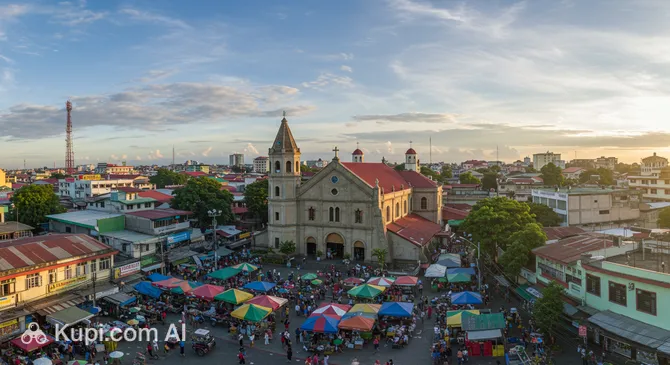
Baclaran. Illustration.
Source: Kupi.com AI

Baclaran attracts tourists with its authenticity and the opportunity to dive into the real rhythm of Manila life. One of the main landmarks is the famous Baclaran Church (National Shrine of Our Mother of Perpetual Help), which has become an important center of pilgrimage and spiritual life for many Filipinos. No less famous is the local Baclaran Market—a vast space where you can find almost everything from clothing and souvenirs to fresh produce and street food, all at very attractive prices. This place is ideal for those who want to experience the local flavor and find great bargains.

If you are looking for more than just a beach holiday and want a lively, rich atmosphere of a large Asian city where every day is filled with events and the streets are bursting with bright colors, sounds, and aromas, then Baclaran is definitely worth your attention. It is a place where modern trends harmoniously intertwine with centuries-old traditions, offering every visitor an unforgettable experience.

You can find more interesting facts on the page dedicated to the history of Baclaran
Weather Overview

The weather in Baclaran is characterized by high temperatures year-round, with average values ranging from 26.0°C in January to 29.7°C in May. Expect a hot and humid season from May to October, when the number of rainy days increases significantly, peaking in July-August (up to 30 days with precipitation). A drier but still very warm period lasts from January to April, with minimum rainfall in February-March. You can find more details about Baclaran's climate on a dedicated page.

Average monthly temperature

Average monthly precipitation

Interesting Facts

Beyond its famous markets and religious centers, Baclaran hides many surprising stories and features that make it a truly unique place in the heart of Manila. Here are just a few curious facts that will help you look at this area from a new perspective:

  • Wednesday Pilgrimage Center: Although Baclaran is known for its religious devotion, not everyone knows that every Wednesday, the National Shrine of Our Mother of Perpetual Help (Baclaran Church) attracts such a massive number of pilgrims that traffic on the adjacent streets practically comes to a standstill. This is due to a special novena—a nine-day prayer that has become a deeply rooted tradition.

  • A Market Labyrinth with the Best Prices: The famous Baclaran Market is not just a commercial spot but a real labyrinth where, rumor has it, you can find absolutely everything, from the freshest seafood (for example, at Seaside Market Baclaran) to clothing and electronics. Locals claim that this is where you'll find the lowest prices in all of Manila, and the art of haggling is considered a special skill.

  • A Place of Urban Legends and Hope: Many urban legends are associated with Baclaran. People talk about small miracles occurring after visiting the local shrine and how this district has become a symbol of unyielding faith and hope for many.

  • The Culinary Heart After Sunset: As darkness falls, Baclaran is transformed. The streets and open spaces of the market fill with the aromas of street food, music, and laughter. It is a popular spot not only for shopping but also for trying authentic Filipino dishes and experiencing the vibrant atmosphere of nightlife.

Seaside Market Baclaran. Illustration.
Source: Kupi.com AI

Traveler photos:

How to Get There

Baclaran boasts exceptional transport accessibility thanks to its strategic location within the capital region. To plan your trip as efficiently as possible, we recommend checking all the ways to get to the city on a separate page.

Undoubtedly, the most convenient option for tourists is Ninoy Aquino International Airport (IATA: MNL). It is located in Manila but is actually only 3 km from the Baclaran district, making transfers incredibly fast. This is the country's main air gateway with very heavy traffic. A taxi ride from the terminal to central Baclaran will take about 10–20 minutes, depending on traffic conditions.

Another popular option, especially for those flying with low-cost airlines, is Clark Airport (IATA: CRK). It is important to note that it is not in Baclaran, but in Angeles City, about 86 km away. A journey from there by bus or taxi will take approximately 2.5 hours.

For convenience, here is a summary of the main airports:

AirportPassenger trafficDistance
Ninoy Aquino International Airport50.1 mln3 km
Clark International Airport2.4 mln86 km
Naga Airport71 487268 km
Cauayan Airport66 415279 km
Busuanga Airport341 546283 km

Main Attractions

Baclaran, a bustling district in the Manila metropolitan area, offers tourists a variety of experiences: from spiritual sites to lively markets and modern shopping centers. Here, everyone will find something interesting while getting to know the culture and daily life of the Philippines.

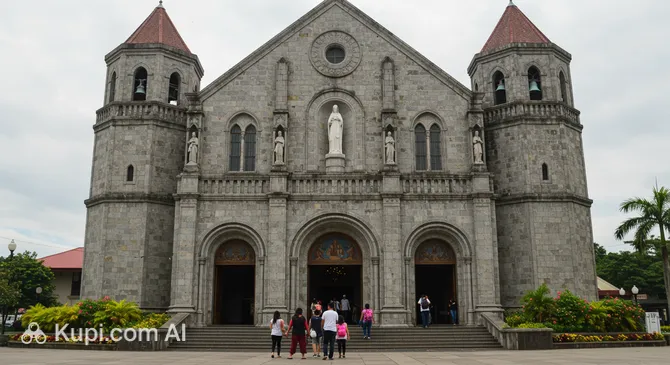
One of the most important landmarks is the Archdiocesan Shrine of Jesus, the Way, the Truth, and the Life. This is a significant site for pilgrims and those interested in religious architecture and culture. The shrine attracts visitors with its spiritual atmosphere and serves as a place of peace and prayer for many believers. Its architectural features and interior decor are also of great interest to visitors.

Archdiocesan Shrine of Jesus the Way, the Truth, and the Life. Illustration.
Source: Kupi.com AI

Traveler photos:

For those who want to immerse themselves in the authentic local atmosphere and try the freshest seafood, a visit to the Seaside Market Baclaran is a must. This bustling coastal market is famous for its huge selection of fish, shellfish, and other seafood, which can be bought and immediately prepared at one of the many nearby restaurants. The market is interesting not only for its food but also for the opportunity to observe the daily lives of local residents and vendors.

Seaside Market Baclaran. Illustration.
Source: Kupi.com AI

Traveler photos:

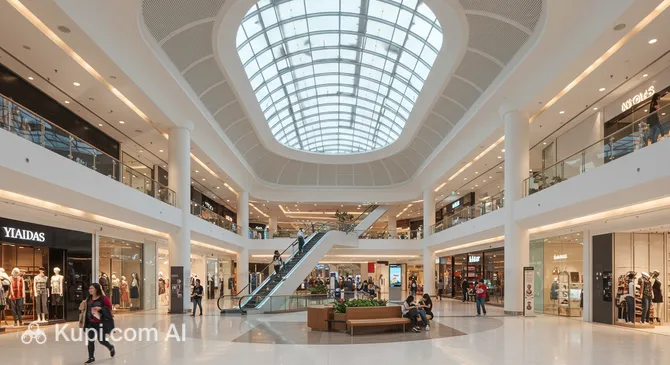
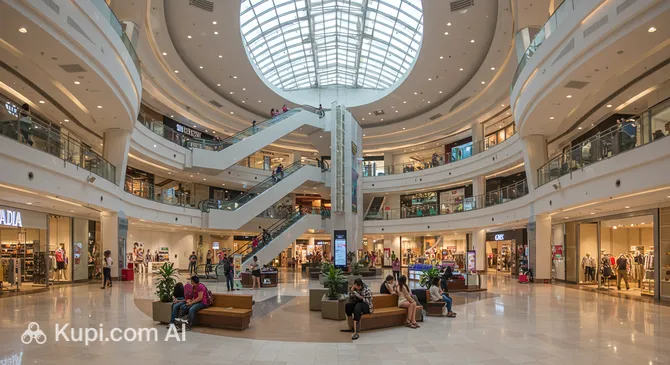
Fans of shopping and modern entertainment should check out the North Wing of MOA. As part of one of the largest shopping complexes in Asia, the Mall of Asia, this wing offers a wide range of international and local brand stores, restaurants, cafes, and entertainment venues. It is an excellent place for shopping, relaxing, and having a pleasant time in a modern setting.

MOA North Wing. Illustration.
Source: Kupi.com AI

Traveler photos:

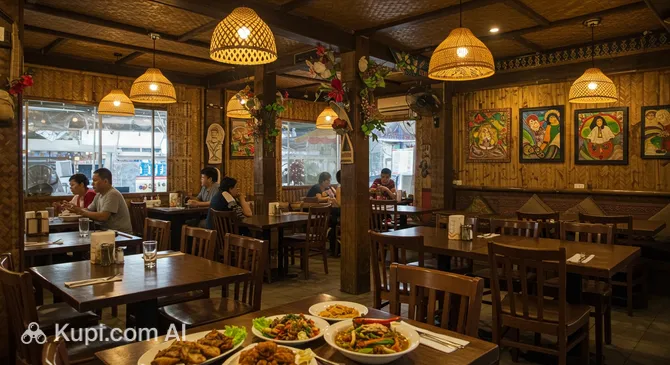
To get acquainted with Filipino cuisine, stop by the restaurant Manam Comfort Filipino. This establishment is known for offering both traditional Filipino dishes and their modern interpretations. Visitors can enjoy authentic flavors in a cozy and welcoming atmosphere, making it a popular choice for both locals and tourists looking to discover the gastronomic delights of the Philippines.

Local Cuisine

The gastronomic world of Baclaran is a true kaleidoscope of flavors, where traditional Filipino dishes harmoniously sit alongside vibrant street delicacies. Immersing yourself in the local cuisine will be one of the most memorable experiences of your trip. Here you will find both authentic family-run restaurants and lively food courts offering a wide choice of dishes for every taste and budget.

Be sure to try the legendary "adobo"—tender pieces of meat (usually chicken or pork) stewed in vinegar, soy sauce, garlic, and black pepper. Another iconic dish is "sinigang", a sour and hearty tamarind-based soup, often with meat or seafood. Seafood lovers should head to the Seaside Market Baclaran, where you can choose the freshest shrimp, fish, or squid to be cooked right in front of you.

Street food in Baclaran is a separate chapter of the culinary book. Fragrant "inihaw" (grilled) skewers of various meats or seafood served with spicy sauces are very popular. For the boldest foodies, there is "balut"—a boiled duck egg with a partially developed embryo, considered a local delicacy and an aphrodisiac. As for drinks, freshly squeezed tropical fruit juices like mango or pineapple are offered everywhere, along with iced tea and local beer.

For dessert, don't deny yourself the pleasure of trying "halo-halo"—a colorful mix of crushed ice, sweet beans, fruit, jelly, ice cream, and condensed milk. Also popular are "puto"—delicate steamed rice cakes. To get acquainted with a modern interpretation of Filipino cuisine in a comfortable setting, stop by the Manam Comfort Filipino restaurant, known for its creative approach to traditional recipes.

Manam Comfort Filipino. Illustration.
Source: Kupi.com AI

Traveler photos:

Locals prefer to eat at small eateries called "carinderias," which offer home-cooked food at affordable prices, as well as in larger restaurants. Tourists, on the other hand, often choose food courts in shopping malls or specialized restaurants that showcase the diversity of Filipino cuisine. Baclaran's gastronomic scene is dynamic and welcoming, offering every traveler a dish to suit their heart.

Travel Tips

Welcome to Baclaran! To make your journey to this lively and colorful district of Manila as comfortable and pleasant as possible, we have prepared some practical tips. They will help you better navigate and enjoy everything Baclaran has to offer.

  1. Clothing and Essentials: The Philippines has a tropical climate, so choose light, breathable clothing made of natural fabrics. Don't forget sunscreen, a hat, and sunglasses. Comfortable shoes are your best friend, especially if you plan to explore the famous Baclaran Market. For visiting churches, including the well-known Baclaran Church (National Shrine of Our Mother of Perpetual Help), choose modest clothing that covers shoulders and knees. Bring a light jacket or wrap in case of rain, especially during the rainy season (usually June to November), and a universal adapter for electronics.
  2. Transport: The main types of public transport in Baclaran and its surroundings are jeepneys—colorful Filipino buses—as well as regular buses and LRT/MRT trains (the Baclaran station on the LRT-1 line is an important transport hub). For short trips, you can use tricycles (motorcycles with sidecars). Ride-hailing apps like Grab are popular. Renting a car can be difficult due to heavy traffic and local driving habits; for most tourists, public transport and taxis will be more convenient.
  3. Finances: The local currency is the Philippine Peso (PHP). You can exchange currency at banks or authorized exchange offices, which are often found in shopping centers. Credit and debit cards are accepted in large stores, hotels, and restaurants, but cash is preferred in markets and smaller establishments. ATMs are widely available. An approximate daily budget can vary, but you should count on 1,500-3,000 PHP (excluding accommodation), depending on your plans. Tipping is welcomed (usually 5-10% in restaurants if a service charge is not included), but not always mandatory.
  4. Health and Safety: Pharmacies (botika) are easy to find, and many are open 24/7. In case tourists need medical assistance, it is best to go to major hospitals in Manila. Baclaran is a busy district, especially the market area, so always watch your belongings and be vigilant in crowds. Avoid displaying expensive jewelry and large sums of money. After dark, stick to well-lit and crowded streets.
  5. Communication: The official languages in the Philippines are Filipino (Tagalog) and English. English is widely spoken, especially in tourist zones, so there should be no communication problems. Learning a few phrases in Tagalog, such as "Salamat" (thank you) or "Magandang araw" (good day), is a nice gesture. Local SIM cards (operators Globe, Smart) can be easily bought at the airport or in shops. Wi-Fi is available in many cafes, shopping centers, and hotels.
  6. Local Etiquette: Filipinos are known for their hospitality and friendliness. When communicating with elders or people in higher positions, use respectful particles like "po" and "opo." A smile and polite address are always appropriate. Avoid public displays of anger or loud arguments, as this is considered impolite.
  7. What to Avoid: You should not point at people or objects with your index finger—locals often do this with a movement of the lips or a nod of the head. Also, try not to directly refuse an offer of food if possible, as it may be perceived as impolite; it is better to accept with thanks or politely explain the reason for the refusal.
  8. Special Tip – Market and Baclaran Church: Wednesday is the novena day at Baclaran Church, so it is especially crowded on this day. If you want to visit the church in a calmer atmosphere, choose another day. Baclaran Market is huge and offers everything from clothing to fresh produce. Don't hesitate to haggle (politely!), as it is part of the local culture. Arrive at the market early in the morning to avoid the main crowds and the heat.

We hope these tips help you feel more confident and get the most out of your visit to Baclaran. Enjoy its unique atmosphere, shopping, and the hospitality of the locals!

Entertainment & Nightlife

When the sun sets over Baclaran, the district transforms, offering its guests and residents various options for evening relaxation. While Baclaran might not be as noisy as some metropolises, it possesses its own special charm and offers cozy spots where you can spend a pleasant time after a busy day. The atmosphere here is rather relaxed, inviting conversation and the enjoyment of local cuisine and drinks.

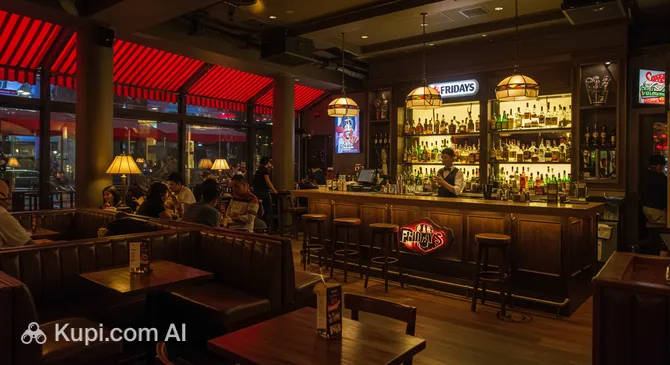
The backbone of Baclaran's nightlife consists of bars and restaurants, many of which remain open until late in the evening. Nighttime activity here is not concentrated on one specific street or in a designated quarter but is rather spread out. Lively spots can be found along major transport arteries, such as Roxas Boulevard, as well as near hotels and inside large shopping complexes. Here, you can find venues with live music as well as quiet corners for soulful conversations. For instance, check out the Manila Cafe or the Fridays Baclaran bar to dive into the local atmosphere and try various drinks. For dinner in a pleasant setting, the Manam Comfort Filipino restaurant is an excellent choice, serving Filipino dishes. Some establishments may offer themed nights or special promotions. Beyond bars and restaurants, evening Baclaran can offer other entertainment. For example, areas adjacent to markets like the Seaside Market Baclaran sometimes come alive in the evening, offering street food and local goods, creating the atmosphere of an improvised night market. While there may not be many specialized nightclubs in Baclaran itself, nearby districts of Manila offer a wider choice for those who love to dance until dawn.

Fridays Baclaran. Illustration.
Source: Kupi.com AI

Traveler photos:

Evening venues in Baclaran usually start coming to life after 7:00 PM or 8:00 PM, with peak activity occurring on weekends. The crowd here is very diverse—from local residents to tourists. The dress code in most places is quite casual; usually, neat everyday wear (smart casual) is sufficient. As for prices, the average cost of a local beer in a bar can vary from 100 to 250 Philippine pesos, while cocktails range from 200 to 450 pesos. Dinner in a mid-range restaurant will cost approximately 500-1,200 pesos per person, excluding drinks. For nighttime travel, taxis or popular ride-hailing services via mobile apps are the most convenient options. It is recommended to check the route and estimated trip cost in advance.

Regarding safety, as in any other city, basic precautions should be followed at night. Try to move along well-lit and busy streets, especially if you are unfamiliar with the area. Avoid displaying valuable items. It is best to call a taxi through official services or apps rather than flagging a car on the street, especially late at night. In general, the central and tourist zones of Baclaran are considered relatively safe for evening walks.

During the day, Baclaran also offers its guests interesting activities. As for the cultural program, you likely won't find large dedicated theaters or world-famous museums in Baclaran itself; however, the district compensates for this with other activities. You can explore local markets, such as the bustling Seaside Market Baclaran, where you can find fresh seafood and local delicacies. For shopping enthusiasts, there are shopping centers like the North Wing of MOA or S'Maison, where a variety of goods can be found. It is also worth paying attention to local churches and shrines reflecting the cultural heritage of the region, such as the Archdiocesan Shrine of Jesus, the Way, the Truth, and the Life.

Parks & Museums

Baclaran, known for its bustling energy and as an important commercial and spiritual hub, offers visitors a unique blend of urban experiences. While the district may not be as famous for extensive classical parks as other areas, it compensates with vibrant cultural sites and opportunities for immersion into local life.

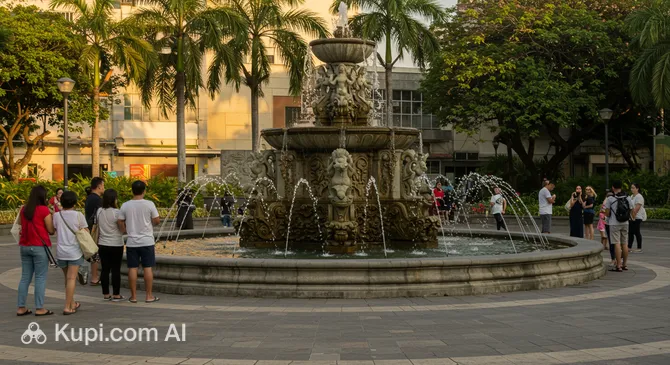
In Baclaran itself, there may not be many traditional large parks, as it is primarily a busy urban area. However, for a sense of open space, you can look toward the coastal zone where the popular Seaside Market Baclaran is located. Here, besides shopping, you can feel the sea breeze. In the urban environment, you can also find landscaped elements such as the Fountain, which serves as a local landmark and a place for a short stop.

Seaside Market Baclaran. Illustration.
Source: Kupi.com AI

Traveler photos:

The Fountain. Illustration.
Source: Kupi.com AI

Traveler photos:

As for museums and galleries, Baclaran is not a primary destination for them. The district's cultural heritage is expressed more through its famous religious shrines and bubbling daily life. Nevertheless, to deeply understand the spirit of this place, it is worth paying attention to its iconic architectural and historical landmarks.

The main architectural and spiritual dominant of Baclaran is undoubtedly the Archdiocesan Shrine of Jesus, the Way, the Truth, and the Life, widely known as Baclaran Church. It is not only an important pilgrimage site for believers but also an impressive modern structure that attracts attention with its architecture and special atmosphere. Visiting the shrine allows you to touch the spiritual culture of the Philippines.

Archdiocesan Shrine of Jesus the Way, the Truth, and the Life. Illustration.
Source: Kupi.com AI

Traveler photos:

For a truly authentic experience and to get to know the local culture, you must visit the Seaside Market Baclaran. This is not just a market, but a true gastronomic paradise where you can try the freshest seafood prepared right in front of you and observe the lively trade. This place perfectly reflects the daily life and culinary traditions of the city.

If you are looking for less obvious routes, take a stroll through the small streets adjacent to the main shopping arteries—there you can find small family eateries offering authentic Filipino cuisine or interesting local shops. Also, visiting the grounds of the Baclaran Church on a weekday or during hours with fewer pilgrims can offer a more peaceful and contemplative introduction to this significant site.

Getting Around

Getting around Baclaran and its surroundings is fairly simple thanks to a diverse public transport system characteristic of the busy areas of Metro Manila. This district is an important transport hub, so you will have several options for moving around.

The core of public transport in Baclaran consists of light rail transit (LRT), buses, and, of course, the famous Filipino jeepneys. The Baclaran LRT-1 station is a key stop on this line, connecting the district with other parts of Manila. Buses offer many routes linking Baclaran with both nearby and more distant areas. Jeepneys are not just transport but a true cultural symbol; they run on fixed routes and are a very affordable way to travel, especially for short and medium distances.

In addition to the main modes, for short trips within the district or to nearby streets, you can use tricycles (a motorcycle with a sidecar) or pedicabs, though they are less common on the main highways. UV Express shuttle vans are also popular—these are usually air-conditioned minivans following specific routes, often faster than jeepneys but slightly more expensive.

To pay for fares on the LRT and many modern buses, it is recommended to use the reloadable Beep™ card. This is the most convenient method, helping you avoid queues for single tickets. The card can be purchased and topped up at LRT/MRT stations and in some retail stores. In jeepneys, tricycles, and some older-style buses, payment is made in cash directly to the driver or conductor. Fares for public transport are generally low but depend on the distance and type of transport.

Tourists should note that LRT tickets (if not using a Beep™ card) are purchased at ticket booths or machines at the stations. The Beep™ card must be tapped on the validator at the entrance and exit of LRT/MRT stations, and upon entry on buses equipped with the system. Public transport usually starts operating early in the morning (around 5:00-6:00 AM) and finishes late in the evening (LRT/MRT around 10:00-11:00 PM). Jeepneys and some bus routes may operate 24/7, but with less frequency at night. Baclaran is a very busy area, especially on Wednesdays (the day of devotion at the local church) and on weekends, so be prepared for large crowds on transport.

If you prefer more comfortable or individual ways to travel, taxis are available in Baclaran (ensure the driver turns on the meter) along with popular ride-hailing services like Grab. Bicycle rentals or car-sharing are not as developed in this area for tourist use.

Don't miss the chance to ride a jeepney at least once—it's not just a way to get to your destination, but also an opportunity to touch the local culture and character!

Accommodation

When planning a trip to Baclaran, you will find a variety of accommodation options suitable for different budgets and preferences. The district offers a choice ranging from affordable guesthouses and small hotels to more comfortable mid-range options. You can also consider renting apartments, especially if you are traveling with family or planning a long stay.

When choosing where to stay in Baclaran, it is worth looking at areas with good transport accessibility or those located near key sites, such as markets or shopping centers like Seaside Market Baclaran or S'Maison. This will ensure ease of movement around the city and access to necessary infrastructure. Although the provided list of attractions does not include specific hotels, various local hotels and inns operate in the city, information about which can easily be found on popular booking platforms.

In general, the price range for accommodation in Baclaran can be characterized as budget and mid-range. For searching and booking, it is convenient to use well-known online aggregators or individual hotel websites. It is recommended to book your accommodation in advance, especially if your trip coincides with local holidays or the peak tourist season, to ensure the best choice and prices.

Nearby Cities

For those who wish to explore the surroundings, Baclaran serves as an excellent starting point for day trips to several interesting nearby locations:

CityPopulationDistance
Pasay440 6562 km
Don Galo11 6452 km
La Huerta9 5694 km
Malate78 1325 km
Makati629 6165 km

These nearby destinations provide insight into the diverse culture and landscapes of the region. Each of these cities offers its own unique attractions, from modern business districts to historical quarters and lively markets, making them a wonderful addition to your journey to Baclaran.

Shopping & Souvenirs

Baclaran, located in the Metro Manila area of the Philippines, offers a unique shopping experience that differs greatly from glossy shopping malls. The district is famous for its bustling and extensive street markets, where an incredible variety of goods can be found at very affordable prices. It is a paradise for those who love to haggle and seek out bargains, especially on clothing, shoes, accessories, and household items.

The main shopping area of Baclaran is the territory adjacent to the National Shrine of Our Mother of Perpetual Help, more commonly known as Baclaran Church. The streets around the church, including part of Roxas Boulevard and the surrounding alleys, transform into a massive open-air market, especially on Wednesdays, when the traditional novena day takes place and the influx of visitors is at its peak. Here, you can wander for hours among countless stalls and pavilions.

While Baclaran is primarily associated with street trade, there are more traditional shopping centers nearby. For instance, you can visit S'Maison for a more relaxed shopping experience. Also nearby is one of Asia's largest shopping complexes—the Mall of Asia, of which the North Wing of MOA is a part, offering a huge selection of international and local brand stores, restaurants, and entertainment.

Maison. Illustration.
Source: Kupi.com AI

Traveler photos:

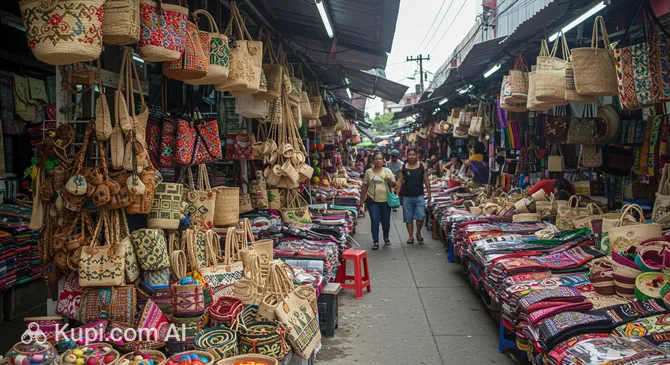
Markets are the heart of shopping in Baclaran. In addition to the giant street market around the church, known as the "Baclaran Tiangge," which sells everything from clothes and electronics to fresh produce and religious items, the Seaside Market Baclaran is worth noting. This is a popular spot for buying the freshest seafood, which can be prepared immediately in one of the many "paluto" (cook for me) restaurants.

As souvenirs from Baclaran, tourists often bring back inexpensive clothing, shoes, bags, and accessories, as well as religious items related to the Baclaran Church. Local delicacies found at the markets are also popular. Don't forget to bargain, especially at the street markets—it's part of the local flavor.

Operating hours for shops and markets in Baclaran can vary. Street markets often start very early in the morning and close late at night, especially on novena days (Wednesdays). Shopping malls typically follow a standard schedule, from around 10:00 AM to 9:00 PM or 10:00 PM. Cash (Philippine pesos) is preferred at the markets, while credit cards are accepted in shopping centers.

Tax-free shopping for tourists in the Philippines exists, but it usually applies to purchases in accredited stores, most often located in large shopping centers, and requires a certain minimum purchase amount. It is recommended to check this information directly in the stores when making significant purchases.

Reached the end of the page?

That means the route is fully explored