Support

Ermita

About

Ermita is more than just a district; it is the vibrant historical heart of Manila, the capital of the Philippines. Situated on the scenic shores of Manila Bay, this area attracts visitors with its unique atmosphere, where the grandeur of the colonial past blends harmoniously with the dynamic pace of modern life. You can feel the city's pulse at every turn, where the aromas of street food and the sounds of music mix to create a one-of-a-kind mood.
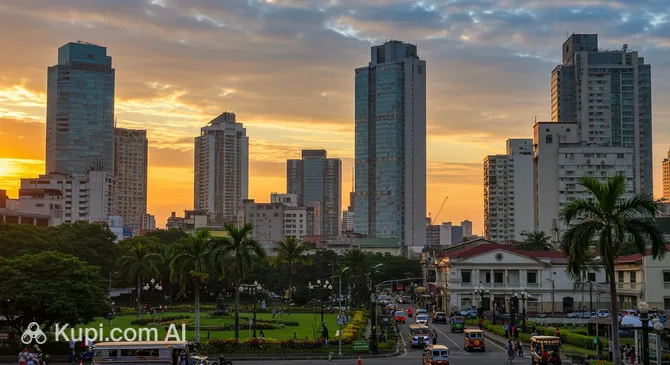
Ermita. Illustration.
Source: Kupi.com AI

Despite being part of a massive metropolis, Ermita maintains a surprisingly intimate and friendly atmosphere with its population of about 10,500 people. The district is famous for its diversity: historic buildings stand alongside modern hotels, art galleries and antique shops beckon connoisseurs of beauty, and cozy cafes invite you to relax after a busy day. Ermita is rightfully considered the tourist and cultural hub of Manila, where life is always buzzing.

The crown jewel of Ermita is undoubtedly the famous Rizal Park—a true green oasis in the center of Manila and a favorite spot for both locals and tourists. Additionally, the district is rich in museums, exhibition halls, and craft markets where you can dive deep into the country's culture. Walking past majestic colonial-era buildings and visiting theaters will complete your experience of this amazing place.

If you want to discover the true soul of Manila, immerse yourself in its history, enjoy culinary discoveries, and experience its vibrant cultural life, Ermita is the perfect choice for you. This district is sure to leave you with the warmest and most vivid memories.

You can find more interesting facts on the history of the Ermita district page.
Weather Overview

When planning a trip to Ermita, it's important to consider that the weather here is characterized by consistently high temperatures throughout the year and distinct dry and wet seasons. Expect hot days, especially between March and May, when temperatures can reach 32°C or higher, with an average temperature around 26-29°C throughout the year. The highest rainfall occurs from June to October, creating lush tropical greenery, while the months from January to April are usually the driest and sunniest—a perfect time for exploring the city. For more detailed information, see Ermita Climate.

Average monthly temperature

Average monthly precipitation

Interesting Facts

In addition to its well-known landmarks, Ermita holds many fascinating secrets and surprising stories that make this Manila district truly special. Here are just a few little-known facts to help you see Ermita from a new perspective:

  • The name of the district, Ermita, has Spanish roots and comes from the word "hermita," which translates to "hermitage" or "small chapel." In colonial times, a secluded chapel actually stood here, which gave its name to this entire historical area.

  • Ermita is home to the famous Cultural Center of the Philippines. This is not just a building, but an entire complex that hosts the most significant exhibitions, theater premieres, and concerts, allowing you to immerse yourself in both modern art and the traditional culture of the Philippine archipelago.

  • One of the striking features of Ermita is its numerous antique shops and craft stalls. Here, you can find truly rare souvenirs and unique works of folk art that you won't find anywhere else in Manila. Similar treasures can be sought at local markets, such as Quinta Market.

  • Ermita hosts a unique open-air ethnographic museum—the Nayong Pilipino (Philippine Village). This fascinating place is a miniature representation of the Philippines, where you can see traditional houses and learn about the lifestyles of various ethnic groups inhabiting the islands.

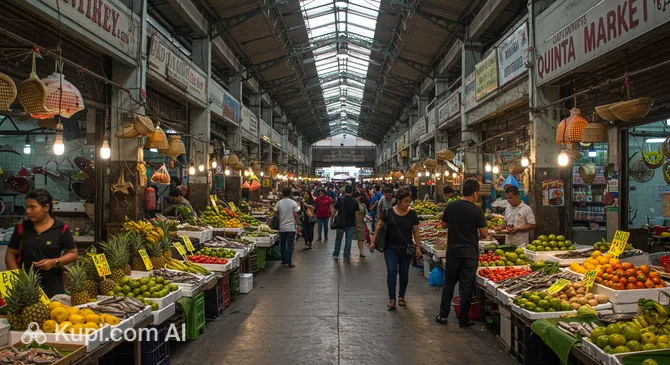
Quinta Market. Illustration.
Source: Kupi.com AI

Traveler photos:

How to Get There

Ermita is a historic district located in the heart of Manila, so getting here is quite easy. Most tourists arrive via the country's main air gateways located nearby. You can find out all ways to get to the city and plan your route in more detail on our dedicated page.

Since Ermita is part of a metropolis, there is no separate airport within the district's boundaries. The closest and most convenient option is Ninoy Aquino International Airport (IATA: MNL). It is located in Manila, just 9.3 km from the center of Ermita. This is the country's largest aviation hub with massive passenger traffic, receiving flights from all over the world. A taxi or bus ride to the Ermita district will take between 30 to 60 minutes, depending on the traffic density the capital is known for.

An alternative option is Clark International Airport (IATA: CRK), located in Angeles City. It is situated approximately 80 km from Ermita. This airport is often used by low-cost carriers and can be convenient if you want to avoid capital city traffic immediately upon arrival or plan to visit the northern part of Luzon before visiting Manila. The journey from here to Ermita by taxi or shuttle bus will take about 2–2.5 hours.

For your convenience, here is a summary of the main airports through which you can reach Ermita:

AirportPassenger trafficDistance
Ninoy Aquino International Airport50.1 mln9 km
Clark International Airport2.4 mln80 km
Naga Airport71 487271 km
Cauayan Airport66 415272 km
Busuanga Airport341 546289 km

Railway connections in the classic sense (long-distance trains) are poorly developed in this region and are not used for arriving in Ermita from distant provinces. However, once in Manila, you can use ground transportation or the Light Rail Transit (LRT) system, which has stations in the immediate vicinity of the district.

Main Attractions

Ermita, a lively district in the heart of Manila, offers tourists many interesting places to visit. Here, you can find unique entertainment as well as traditional markets reflecting the local flavor.

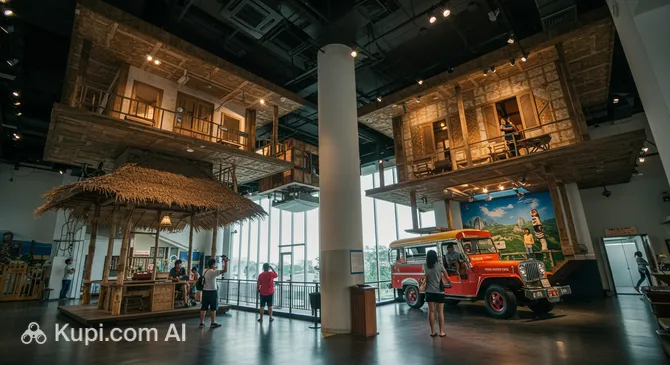
One of the most unusual and popular attractions is the Upside Down Museum. This is an interactive space where all exhibits and rooms are inverted, creating the illusion of walking on the ceiling. Visitors love taking funny photos here that defy gravity. It is a great place for both adults and children to have fun and an excellent opportunity to add original shots to your photo album.

Upside Down Museum. Illustration.
Source: Kupi.com AI

Traveler photos:

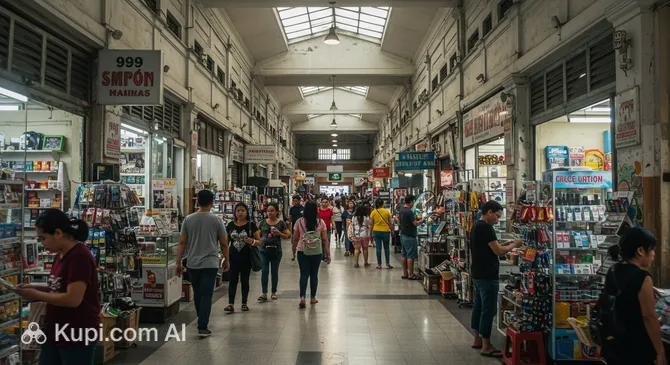
For those who want to immerse themselves in the authentic atmosphere of the Philippines and find unique goods, Quinta Market is a must-visit. This bustling market is known for its variety of fresh produce, seafood, local delicacies, and handicrafts. Here, you can not only buy souvenirs and try exotic fruits but also observe the daily life of locals and feel the true spirit of the city.

Quinta Market. Illustration.
Source: Kupi.com AI

Traveler photos:

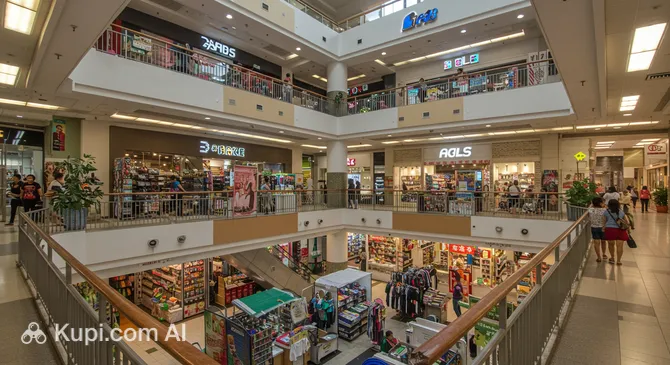
Shopping enthusiasts will enjoy the 168 Shopping Mall. This is one of the largest and most popular shopping complexes in the area, known for its affordable prices and vast selection of goods. You can find almost anything here, from clothes and shoes to electronics and souvenirs. Many tourists and locals come here for great deals and the chance to bargain.

168 Shopping Mall. Illustration.
Source: Kupi.com AI

Traveler photos:

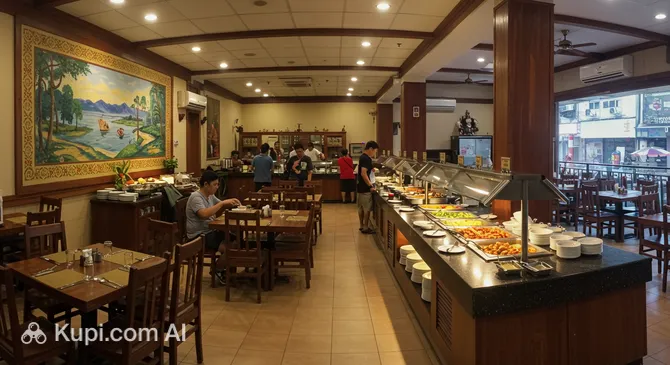
Another place that draws the attention of foodies is the Bayview Buffet. This restaurant offers a wide selection of dishes in a buffet format, where you can enjoy both local and international cuisine. It is popular for its variety and food quality, as well as its pleasant atmosphere, making it an excellent choice for lunch or dinner after a busy day.

Local Cuisine

The culinary scene in Ermita is a true kaleidoscope of flavors, where traditional Philippine cuisine meets culinary traditions from around the world, including Japanese, Chinese, Spanish, and American. It is a place where every foodie will find something for themselves, from authentic street snacks to refined restaurant dishes.

Among the dishes you must try in Ermita, classic Philippine hits stand out. Adobo—tender meat (usually chicken or pork) stewed in a marinade of soy sauce, vinegar, garlic, and spices—is considered the country's signature dish. Equally popular is sinigang, a rich, sour soup with meat, seafood, or fish and plenty of vegetables, which is perfectly refreshing. For special occasions or large groups, lechon—a whole roasted suckling pig with incredibly crispy skin—is often prepared.

Street food in Ermita is an integral part of the local culture. At every turn, you can find stalls offering various snacks: from grilled bananas (banana-cue) and sweet pies to aromatic chicken skewers (isaw) or seafood, generously drizzled with piquant sauces. For the freshest seafood, exotic tropical fruits, and other local delicacies, head to one of the bustling markets, such as Quinta Market, where you can not only buy produce but also experience the authentic atmosphere.

As for drinks, on a hot day, there is nothing better than a refreshing halo-halo—a popular Philippine dessert made of crushed ice, sweet preserved fruits, beans, jelly, condensed milk, and a scoop of ice cream. Among non-alcoholic beverages, calamansi juice (local citrus) and fresh juices from mango, pineapple, and other tropical fruits are also popular. Coffee lovers will appreciate the aromatic Philippine coffee served in many coffee shops along with traditional sweets such as puto (steamed rice cakes) or bibingka (baked coconut rice cake). In the evening, you can relax in one of the many bars, ordering a local beer like San Miguel or Tanduay rum.

The food culture in Ermita is very accessible. Locals and tourists alike enjoy eating in restaurants as well as in small family-run eateries known as "carinderias," or simply buying food from street stalls. The district is also known for its food festivals, where you can get acquainted with signature cuisine and new culinary trends. Overall, Ermita offers a vibrant and diverse gastronomic experience capable of satisfying the most discerning palate.

Travel Tips

Planning a trip to Ermita, one of Manila's historic districts? To make your journey through the Philippines as comfortable and memorable as possible, we have prepared some practical tips. These recommendations will help you navigate the area better and avoid potential inconveniences.

  1. Clothing and Essentials:

    The Philippines has a tropical climate, so choose light, breathable clothing made from natural fabrics. Don't forget a hat, sunglasses, and sunscreen with a high SPF. For walking around Ermita and greater Manila, you will need comfortable shoes. Bring a raincoat or umbrella, especially if your trip falls during the wet season (June-October). For electrical appliances, you might need an adapter (the Philippines uses socket types A, B, and C, voltage 220V, frequency 60Hz). When visiting churches, such as the historic Ermita Church (Nuestra Señora de Guia), follow the dress code: clothing should cover shoulders and knees.

  2. City Transport:

    Ermita is a district of Manila, and you can get around in several ways. The most colorful local transport is the jeepney. Buses and the elevated rail system (LRT/MRT) are also available. For more comfortable trips, it is recommended to use ride-hailing apps like Grab. Regular taxis exist, but you should agree on the price in advance or ensure the driver turns on the meter. Renting a car in Manila is usually not advised due to extremely heavy traffic and parking difficulties.

  3. Financial Matters:

    The local currency is the Philippine Peso (PHP). You can exchange money at banks or authorized exchange bureaus often located in shopping malls. Credit and debit cards (Visa, Mastercard) are accepted in most hotels, large restaurants, and shops in Ermita. However, for markets, small cafes, and jeepneys, it's better to have enough cash on hand. ATMs are common but may charge a withdrawal fee. Tipping is not mandatory but appreciated for good service (usually 5-10% in restaurants if a service charge is not included in the bill).

  4. Health and Safety:

    There are many pharmacies in Manila (e.g., Mercury Drug, Watsons), some of which are open 24/7. It is recommended to have travel insurance that covers medical expenses. Drink only bottled water. Ermita, like any large urban area, has its characteristics. It is relatively safe in tourist areas during the day, but you should exercise increased caution in the evening and at night, avoiding poorly lit and deserted places. Always keep an eye on your belongings to avoid becoming a victim of pickpockets.

  5. Communication:

    The official languages of the Philippines are Filipino (Tagalog) and English. English is widely spoken, especially in the tourism industry, so communication should not be an issue. To show respect and ease communication, learn a few useful phrases in Tagalog: Magandang araw (Ma-gan-dang a-rao) – "Good day/Hello"; Salamat po (Sa-la-mat po) – "Thank you" (polite form); Oo (O-o) – "Yes"; Hindi (Hin-dee) – "No"; Paumanhin po (Pau-man-hin po) – "I'm sorry/Excuse me" (polite form). A local SIM card (Globe or Smart operators) is easy to buy at the airport or in communication stores. Wi-Fi is available in most hotels, cafes, and malls. Useful apps include Grab (taxi, delivery) and Google Maps.

  6. Local Etiquette:

    Filipinos are very hospitable and friendly. A greeting usually includes a smile and a nod; a handshake is appropriate for more formal introductions. Show respect for elders. Avoid raising your voice in public. Filipinos value politeness; adding "po" or "opo" when speaking to elders or strangers shows respect.

  7. What to Avoid:

    Do not take photos of people without their permission, especially in poorer neighborhoods or of children. Try not to engage in heated discussions on political or religious topics if you are unsure of the context, and avoid criticism of local customs and traditions.

  8. Extra Tip for Ermita:

    Ermita is not just a district with bars and restaurants, but a place with a rich history. The famous Rizal Park is nearby, an excellent place for walks. You can also find antique shops and art galleries in Ermita. Explore the district during the day to appreciate its colonial architecture and cultural heritage.

We hope these tips make your stay in Ermita pleasant and safe. Enjoy every moment of your journey through this amazing corner of Manila!

Entertainment & Nightlife

Ermita, one of Manila's bustling districts, offers a variety of options for evening and night-time relaxation. Although the area has undergone many changes, it still maintains its reputation as a place where entertainment for every taste can be found after the sun goes down.

As darkness falls, Ermita comes alive, especially in the areas around Mabini Street and M.H. Del Pilar Street, which have historically been centers of nightlife. Here, you can find numerous bars, small clubs, and restaurants open late into the night. The atmosphere ranges from relaxed in pub-style bars to more energetic in venues with live music. The crowd is an eclectic mix—from locals to tourists seeking evening adventures. Most establishments do not require a strict dress code, but a neat appearance is always welcome. The main activity usually starts after 9–10 PM and continues until early morning.

Bayview Buffet. Illustration.
Source: Kupi.com AI

Traveler photos:

For dinner in a pleasant setting, consider the Bayview Buffet restaurant, which offers a variety of dishes. If you want to experience the local flavor in the evening, it's worth stopping by Quinta Market, which can offer interesting goods and street food, creating the special atmosphere of a night market. While there are no specialized mega-nightclubs in the provided list, you will find many establishments in the Ermita district with music, from karaoke bars to small dance floors.

Quinta Market. Illustration.
Source: Kupi.com AI

Traveler photos:

Practical Tips: The best time to visit nightlife venues is late evening, especially on weekends. Prices in bars and restaurants can vary but generally remain affordable. You can get around at night by taxi or by using ride-hailing apps. Public transport, such as jeepneys, does run, but routes and schedules can be less predictable late at night. In terms of safety, as in any large city, it's wise to be mindful of your belongings and surroundings. Stick to well-lit streets and use official taxis or trusted ride-hailing services.

During the day, Ermita also offers interesting activities. For example, you can visit the unusual Upside Down Museum for some fun photos. For shopping lovers, malls such as the 168 Shopping Mall and 999 Shopping Mall are nearby, offering a wide range of goods at affordable prices. Thus, Ermita provides entertainment both day and night, allowing every tourist to find something to their liking.

Upside Down Museum. Illustration.
Source: Kupi.com AI

Traveler photos:

Parks & Museums

Ermita, a bustling district of Manila, offers its guests not only vibrant city life but also opportunities for outdoor relaxation and immersion in the rich cultural heritage of the Philippines. Here you can find both peaceful green corners and fascinating museums that reveal the history and art of the region.

Although Ermita itself is primarily an urban area, several significant green zones are located in its immediate vicinity. The main one is undoubtedly Rizal Park. This extensive historical park, dedicated to the national hero José Rizal, is the perfect place for walks, resting from the city bustle, visiting the Japanese and Chinese gardens, as well as various monuments and fountains. Nearby is the Manila Baywalk, which offers famous sunset views over Manila Bay—a wonderful place for an evening stroll.

For connoisseurs of culture and history, Ermita and its surroundings offer several interesting museums. One of the most unusual and fun places is the Upside Down Museum. Here you can take funny photos in inverted rooms and feel like the protagonist of an optical illusion—great entertainment for the whole family.

Upside Down Museum. Illustration.
Source: Kupi.com AI

Traveler photos:

Furthermore, Ermita is in close proximity to the National Museum Complex of the Philippines. This complex includes the National Museum of Fine Arts, the National Museum of Anthropology, and the National Museum of Natural History. Each offers unique exhibitions introducing the country's rich heritage, art, and nature. Visiting these museums will be a true immersion into Philippine culture.

The Ermita district itself has a rich history, and walking through its streets, you can notice remnants of colonial architecture. To dive deeper into the local atmosphere, check out the Quinta Market. This is a bustling local market where you can find fresh produce and local delicacies, and feel the real flavor of Manila. It is a great place to observe the daily life of citizens and perhaps purchase something authentic.

Quinta Market. Illustration.
Source: Kupi.com AI

Traveler photos:

For more authentic experiences, don't be afraid to turn into the side streets of Ermita, where you can find small family cafes serving traditional Philippine cuisine or small art galleries showcasing the work of local masters. Sometimes the most interesting discoveries wait where you least expect them.

Getting Around

Moving around the Ermita district and its surroundings is possible using various types of public transport. The transport system is based on colorful jeepneys, Light Rail Transit (LRT) trains, buses, and tricycles. Each has its own features that are useful for a tourist to know for comfortable travel.

Jeepneys are perhaps the most recognizable and authentic way to travel in this region. These elongated jeeps, often brightly decorated, run on fixed routes that are usually indicated on their sides or windshields. The fare is generally low and paid in cash directly to the driver or conductor (if there is one) during the ride. Don't hesitate to ask the driver or locals if a jeepney is going in the direction you need, as the route system can seem confusing at first glance.

For faster trips over medium and long distances in Ermita and around Manila, it is convenient to use the Light Rail Transit (LRT) system. The stations on the LRT-1 line (for example, United Nations or Central Terminal) are closest to the Ermita district. Rechargeable smart cards (such as the Beep™ card) or single-journey tickets with a magnetic stripe are used for fare payment. Cards and tickets can be purchased at ticket booths or special machines at the stations. The Beep™ card is convenient because it is also accepted on some buses and even in certain shops.

City buses are also an important part of the transport network, connecting Ermita with other areas of Manila and the suburbs. Routes and fares can vary; some buses are equipped with air conditioning. Payment is usually made in cash to the conductor, but some routes may accept transport cards. For short trips within the district, especially along narrow streets, tricycles—motorcycles with a passenger sidecar—are often used. Always agree on the fare with the driver in advance for a tricycle ride, as there are usually no fixed tariffs.

Regarding the payment system, it is recommended to always carry small cash, especially for jeepney and tricycle rides. The Beep™ transport card can be bought and topped up at any LRT/MRT station. Public transport starts working early in the morning and runs until late evening; however, during peak hours (usually from 7:00 to 9:00 AM and from 5:00 to 7:00 PM on weekdays), transport can be very overcrowded, so plan your trips accordingly.

As an alternative to public transport, taxis are always available in Ermita. It is recommended to use official taxis with a working meter or agree on the fare in advance. Mobile ride-hailing apps like Grab are very popular, offering clear rates and convenient car calling services. Bicycle rentals and car-sharing are less common as primary means of transport for tourists in Ermita but may be available in certain locations or hotels.

The main feature of the transport system you will undoubtedly encounter in Ermita is the jeepneys. A ride on them is not just a way to get from point A to point B, but a true immersion into the local culture. Also, keep in mind that LRT stations, especially during peak hours, can be crowded, so allow extra time for waiting and boarding.

Accommodation

When planning a trip to Ermita, you will find a wide range of accommodation options to suit various preferences and budgets. This lively district offers everything from budget options for backpackers to comfortable hotels for those who value convenience.

In Ermita, you can find everything from inexpensive hostels and guesthouses, ideal for travelers on a budget, to mid-range hotels offering a good balance of price and quality. Short-term rental apartments are also available, which can be convenient for families or long stays. When choosing your accommodation, pay attention to its location—proximity to major transport routes or attractions that interest you, such as the Upside Down Museum or Quinta Market, will make your stay more comfortable.

To guarantee the best accommodation option, especially if your trip coincides with the peak tourist season or major city events, it is recommended to book your stay in advance. This will not only provide you with more choices but may also allow you to find better deals.

The price range for accommodation in Ermita varies from budget options to more expensive offers in hotels with high service levels. Most hotels and apartments can be easily booked through popular international online platforms. There is also always the option of direct booking via hotel websites or by phone.

Nearby Cities

For those who wish to explore the surroundings, Ermita serves as an excellent starting point for day trips to several interesting nearby locations.

Among them, the following are particularly noteworthy:

  • Manila (1 km): As the capital of the Philippines, Manila offers a unique blend of historical heritage, especially in the Intramuros district, and dynamic modern culture with numerous shopping centers and entertainment venues.
  • Makati (6 km): This city is the financial heart of the country, attracting visitors with its impressive skyscrapers, world-class restaurants, luxury shopping, and vibrant nightlife.
  • Pasay (6 km): Known for the massive SM Mall of Asia shopping and entertainment complex, Pasay also offers many other attractions, including concert venues and parks along the Manila Bay waterfront.

Below is a table with additional information about some of these and other nearby cities:

CityPopulationDistance
Paco79 8391 km
Manila24 922 0001 km
Quiapo23 1381 km
Pandacan76 1342 km
Malate78 1322 km

These nearby destinations allow you to gain insight into the diverse culture and landscapes of the region.

Shopping & Souvenirs

Ermita, a lively district of Manila, offers a variety of shopping opportunities, combining modern malls with the flavor of local markets. Although Ermita is not famous for any specific niche goods, you can find almost anything here: from branded clothing and electronics to unique souvenirs and fresh produce. It is a place where everyone will find something to their taste and budget.

The main centers of attraction for shopping lovers in Ermita are the large shopping complexes. Notable among them are the 168 Shopping Mall and 999 Shopping Mall. These malls offer a huge selection of goods, including clothing, footwear, accessories, electronics, and much more, often at very attractive prices. You can spend a whole day here, combining shopping with relaxation in food courts or entertainment zones.

168 Shopping Mall. Illustration.
Source: Kupi.com AI

Traveler photos:

If you prefer a more authentic experience and want to soak up the local atmosphere, be sure to visit the markets of Ermita. One of the noteworthy places is Quinta Market. Here you will find fresh fruit, vegetables, seafood, as well as local delicacies and souvenirs. It is a great place to observe the daily life of locals and purchase something truly unique.

Quinta Market. Illustration.
Source: Kupi.com AI

Traveler photos:

As souvenirs from Ermita and the Philippines in general, tourists often choose shell and pearl products (though one should be careful when buying pearls), carved wooden figurines, traditional clothing such as the "barong tagalog" for men, as well as the famous dried mangoes and other local sweets. Small souvenir shops can be found both in shopping malls and near tourist attractions.

999 Shopping Mall. Illustration.
Source: Kupi.com AI

Traveler photos:

Most shops and malls in Ermita are open roughly from 10:00-11:00 AM until 9:00-10:00 PM. Markets usually open earlier. International credit cards are accepted in large stores and shopping centers, but at markets and in small shops, it is preferable to have cash in Philippine Pesos (PHP). ATMs are easy to find throughout the district.

Tourists shopping in the Philippines may be eligible for a VAT refund on certain goods when leaving the country. It is recommended to check the terms and procedure for Tax-Free processing directly in stores when making large purchases and to keep all receipts. Usually, this requires filling out a special form and presenting it along with the goods at customs at the airport before departure.

Reached the end of the page?

That means the route is fully explored