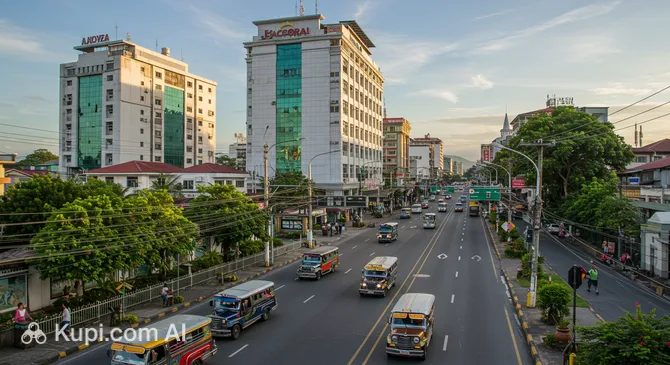
Bacoor is a dynamic and densely populated suburban city located in the province of Cavite in the Philippines. Situated just 15 kilometers southwest of Manila, it serves as a vital "gateway" to the province from the north and is the second-largest city in Cavite. Home to approximately 664,625 residents, it offers the atmosphere of a bustling metropolis with dense development and an active pace of daily life.
The city stretches along the coast of Manila Bay and is a vast residential area where modern infrastructure stands alongside historical neighborhoods. Despite its status as a bedroom community, Bacoor possesses a unique character, combining the bustle of shopping centers with the charm of traditional quarters. The city is ideal for those who want to experience the authentic, non-touristy life of Filipino suburbs.
Bacoor. Illustration.
Source: Kupi.com AI
The city's rich past is closely linked to the country's struggle for independence. In the late 19th century, it briefly served as the capital of the Revolutionary Government. Today, preserved monuments and ancient buildings remind visitors of those times, making a walk through the city interesting for history buffs. We invite you to discover the hospitality of the local people and feel the pulse of this developing Filipino hub.
Weather Overview
The climate in Bacoor is classified as a tropical monsoon climate, which means consistent warmth throughout the year. Air temperatures usually range from 25°C to 32°C. Travelers should expect high humidity, especially during the summer months when proximity to Manila Bay makes the air particularly moisture-laden. You can find more detailed information by checking the current weather in Bacoor.
The year in the region is clearly divided into two seasons: dry and wet. The dry season lasts from December to May—this is the best time for a visit when rainfall is minimal and the sky is often clear. The wet season begins in June and continues until November; during this period, heavy downpours and typhoons are possible, bringing up to 490 mm of rain per month (peaking in July and August). The city's dense development sometimes contributes to heat retention, so it is recommended to always carry water and a hat on sunny days.
Average monthly temperature
Average monthly precipitation
Interesting Facts
Ancient Roots: The city was officially founded in 1671 during the reign of Spanish King Charles II, and its name comes from the Tagalog word "bakod," which means "fence" or "enclosure."
Revolutionary Capital: In 1898, at the height of the struggle for independence, Bacoor served as the capital of the Revolutionary Government of the Philippines under General Emilio Aguinaldo.
Musical Triumph: In 2020, the city was officially proclaimed the "Marching Band Capital of the Philippines" after successfully hosting prestigious international music championships.
Battlefield: The famous Battle of Zapote Bridge in 1897, a key moment in the Philippine Revolution, took place right on the border between Bacoor and Manila.
Recent Cityhood: Despite its centuries-old history, Bacoor received official city status relatively recently—in 2012, following a city-wide plebiscite.
How to Get There
The transport accessibility of Bacoor is defined by its proximity to the capital region. This makes it a convenient point for those planning to explore Cavite province without venturing too far from Manila. The main connection to the capital is via the Coastal Road and Route E91 (Aguinaldo Highway); however, travelers should account for traffic density, which can turn a 15 km trip into a 45 to 90-minute journey. More useful information can be found in the section on how to get to the city.
The nearest major air hub is Ninoy Aquino International Airport (MNL), located in Manila. From there, the most convenient way to reach Bacoor is by taxi or via the Grab app—such a trip usually costs between 300–500 pesos and takes about an hour depending on traffic. There are also options involving transfers to public buses heading toward Cavite.
At present, there are no direct railway lines within the city itself; however, active work is underway to extend the capital's metro lines (LRT-1) to Bacoor, which will significantly reduce travel time in the future. For now, the primary modes of transport remain buses and minivans connecting the city to all key points in the metropolitan area.
Station
Passenger traffic
Distance
Dr. Santos station
6
8 km
Asia World station
6
11 km
Manila International Airport LRT Station
6
12 km
FTI railway station
5
12 km
Redemptorist station
6
13 km
Main Attractions
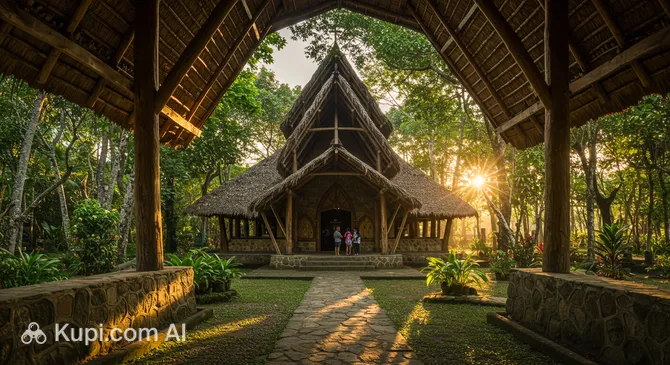
While Bacoor is not a classic tourist resort, it hides several architectural and historical gems. One of the most unusual attractions is the Our Lady of the Pillar Parish (Nature Church). This unique structure is striking for its organic architecture and use of natural materials, creating an atmosphere of tranquility amidst the urban noise.
Mary Immaculate Parish Nature Church. Illustration.
Source: Kupi.com AI
Traveler photos:
For those interested in colonial heritage, a visit to the St. Michael the Archangel Parish Church (Bacoor Church) is a must. Built during the Spanish era, it is the spiritual heart of the city and an important historical monument. Another significant site is the Cuenca House—the residence where life-changing decisions for the Philippine Revolution were made in the late 19th century.
Beyond historical sites, the city attracts attention with its modern spaces. Large shopping malls and central plazas serve as the main gathering and walking spots. Visiting these locations allows tourists to witness the daily lives of Filipinos, feel the scale of local commerce, and enjoy the atmosphere of a modern Manila suburb.
Local Cuisine
The gastronomic scene in Bacoor is a vibrant reflection of traditional Tagalog cuisine. Here you can try classic Filipino dishes such as pork or chicken adobo, simmered in vinegar and soy sauce, and sinigang—a sour seafood soup that is perfectly refreshing in the tropical heat. Since the city is located by Manila Bay, local cafes always offer fresh fried fish, such as the famous bangus (milkfish).
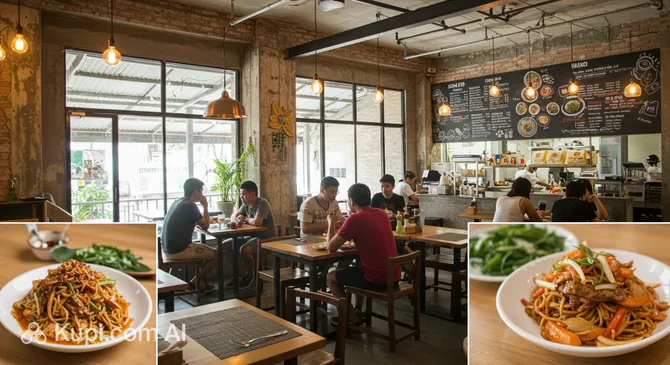
For those who prefer modern establishments with an interesting menu, Tablo Kitchen x Cafe is an excellent choice. This place is famous for its cozy atmosphere and quality cuisine that combines local traditions with modern trends. If you find yourself craving familiar comfort and a cup of invigorating coffee, you can always stop by the coffee shop chain Starbucks.
Tablo Kitchen x Cafe. Illustration.
Source: Kupi.com AI
Traveler photos:
The dining culture in the city is diverse: from affordable carinderias (home-style eateries) to food courts in shopping malls. Be sure to try street food at local markets, such as turon (fried banana rolls) or the refreshing halo-halo dessert. Popular drinks include fresh coconut water (buko) and local San Miguel beer, which makes an excellent addition to an evening dinner.
Travel Tips
Preparing for your trip to Bacoor will help you feel more confident and get the most enjoyment out of visiting this lively Filipino city. Here are some practical tips that will be useful for every traveler:
Clothing and Items: Choose light cotton clothing, as the climate here is hot and humid. Be sure to bring comfortable walking shoes and an umbrella in case of a sudden tropical downpour. When visiting churches, such as the Our Lady of the Pillar Parish (Nature Church), it is recommended to cover your shoulders and knees.
Transport: The most convenient way to get around is the Grab app. For short trips, try jeepneys, but remember that there are often heavy traffic jams within the city, especially during peak hours.
Finances: The official currency is the Philippine Peso (PHP). Cards are accepted in large malls, but always keep cash on you for fares, markets, and small cafes. ATMs are easy to find in shopping centers.
Health and Safety: Drink only bottled water. During the rainy season, be sure to use mosquito repellents. In crowded places, keep a close eye on your belongings.
Communication: The main language is Tagalog, but English is very common, and you will easily be able to make yourself understood. Buy a local SIM card (Globe or Smart) at the airport or a shopping mall for access to maps and translators.
Local Etiquette: Filipinos are very friendly. Greet people with a smile. Traditional respectful treatment of elders is accompanied by the "mano" gesture (placing the elder's hand to your forehead), but a polite nod is sufficient from tourists.
What to Avoid: Do not enter into arguments in public places and avoid criticizing local traditions. It is also not recommended to walk alone in unlit outskirts of the city late at night.
Additional Tip: Try to plan your activities for the first half of the day to avoid the most intense heat and evening traffic congestion.
By following these simple rules, you can safely and comfortably explore Bacoor, discovering its true Filipino charm. We wish you an unforgettable journey!
Entertainment & Nightlife
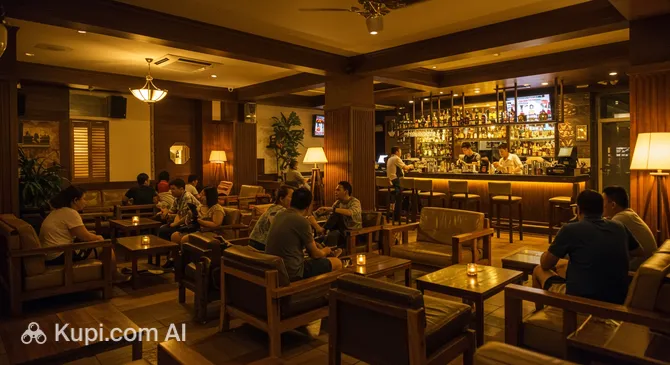
The entertainment scene in Bacoor is centered around large shopping complexes and cozy local venues. Since the city is primarily residential, it lacks the noisy districts with nightclubs found in the capital; however, the local crowd finds relaxation in karaoke bars and family restaurants. A popular spot for dinner and evening leisure is Gerry's Grill, where you can sample traditional Filipino dishes accompanied by live music or a pleasant atmosphere.
Gerry's Grill. Illustration.
Source: Kupi.com AI
Traveler photos:
Daytime entertainment in the city mainly consists of shopping and movies in large malls. Residents frequently visit the cinemas and gaming zones at SM City Bacoor. If you are looking for cultural events, pay attention to local festivals. Thanks to its honorary status as the "Marching Band Capital of the Philippines," the city regularly hosts musical parades and championships that turn the streets into a bright and loud festive space.
For those seeking a more vibrant nightlife, the proximity to Manila and Dasmariñas allows for quick access to the capital's trendy clubs and bars. In Bacoor itself, it is better to limit night walks to well-lit central streets and use official taxi services or ride-hailing apps like Grab for transportation, ensuring safety and comfort at any time of day.
Parks & Museums
Although Bacoor is primarily a densely developed urban area, there are places offering quiet and cultural enrichment. The city's religious and civic structures serve as its main historical monuments. For example, the majestic Our Lady of the Pillar Parish (Nature Church) is not just a temple but a true architectural and landscape project where natural elements are harmoniously integrated into the interior, creating the feeling of a walk through a garden.
There are few museums in the classical sense in the city, so historical buildings often take on their functions. The Cuenca House and the old St. Michael Church are living witnesses to the country's revolutionary past. Visiting these places allows you to feel the spirit of past centuries without unnecessary museum pomp. For a full park experience, residents often choose the grounds of modern complexes, such as NOMO — Vista Mall, where architects have tried to create cozy outdoor walking areas.
If you are looking for large-scale natural areas or botanical gardens, you should look into neighboring districts of Cavite. In Bacoor itself, greenery is most often found in the form of small plazas near administrative buildings and in quiet courtyards. Nevertheless, the planned development of new areas, such as Vermosa, promises to bring more modern recreational zones and spaces for outdoor activities to the city.
Getting Around
The transport system in Bacoor is typical of large Filipino suburbs—it is chaotic but covers almost every corner of the city. The main mode of transport is the famous jeepney—brightly decorated minibuses that ply the main streets. For short-distance trips within neighborhoods, locals and tourists use tricycles (motorcycles with sidecars). The fare for these is low and usually starts from 5–20 pesos.
Intercity communication with the capital and other parts of Cavite province is provided by buses and minivans. They depart from major shopping centers and key intersections. It is important to remember that Bacoor does not have a unified fare card for all modes of transport, so it is always worth having small change on hand to pay the driver or conductor.
Tourists are recommended to use the Grab mobile app to call a taxi or motorcycle taxi—this is the most predictable and safe way to move around, eliminating the need to bargain. The main tip for travelers in Bacoor: plan your trips in advance and try to avoid rush hours (7 to 9 AM and 4 to 7 PM), when city roads are gripped by heavy traffic that can significantly increase travel time.
Accommodation
The accommodation market in Bacoor is mainly geared toward those looking for long-term stays or local residents, but tourists can also find decent options. These are most often budget guesthouses and pensions, with rates ranging from 1,000 to 3,000 Philippine pesos per night. Most of these hotels are concentrated in the Molino and Bayanan areas, near major transport hubs.
If you are looking for a place for relaxation or events, consider the Familia Saulog Resort and Event Place. This popular establishment offers a resort-style format with swimming pools and spaces for family gatherings, setting it apart from typical city hotels. Booking such places in advance is highly recommended, especially if your trip coincides with local holidays or weekends.
For a short visit to Bacoor, it is optimal to choose apartments or small hotels near SM City Bacoor, as this provides easy access to transportation to Manila and major shops. Finding accommodation is convenient through popular international booking services, which feature both private condominiums and classic hotel rooms.
Nearby Cities
Due to its location, Bacoor serves as an excellent starting point for exploring the surroundings of southern Luzon. Just a few kilometers away are cities with rich history and modern infrastructure that can be easily reached as part of a day trip. This allows tourists to diversify their leisure time by switching between the quiet province and bustling business centers.
Right nearby is the city of Las Piñas, famous for its unique Bamboo Organ in its historic church. It is also worth visiting Imus—the official capital of Cavite province, where you can dive deeper into the region's heroic past. For fans of modern shopping and high-end restaurants, a trip to Alabang is ideal, as it impresses with its contemporary architecture and green parks.
We highly recommend not limiting yourself to city blocks and taking trips to neighboring Muntinlupa or Kupang. Each of these directions will offer its own unique perspective on Filipino culture and lifestyle, and the short distances between them make such trips easy and enjoyable.
Shopping & Souvenirs
Shopping in Bacoor is an important social event centered in modern retail complexes. The largest and most famous is SM City Bacoor, where international brands, supermarkets, and entertainment zones are gathered under one roof. For those who prefer a more modern and refined shopping style, NOMO — Vista Mall is open, offering a premium selection of goods and a pleasant atmosphere for strolling.
NOMO - A Vista Lifestyle Center. Illustration.
Source: Kupi.com AI
Traveler photos:
Another significant point on the city's shopping map is the Vermosa Lifestyle Center. This complex is focused on an active lifestyle and offers a wide selection of sporting goods and casual wear. In addition to giant malls, street trade flourishes in Bacoor: every district has its own public market where you can buy fresh exotic fruits, fabrics, and local delicacies at affordable prices.
As souvenirs from Bacoor, it is worth bringing back pearl jewelry, woven nipa hats, or Filipino sweets like bibingka. Shops in malls usually operate from 10:00 AM to 9:00 PM or 10:00 PM. Major outlets accept international payment cards, but you will definitely need cash in Philippine pesos at local markets and small stalls. There is virtually no Tax-Free system for tourists here in the usual sense, so you should rely on the initially affordable prices.