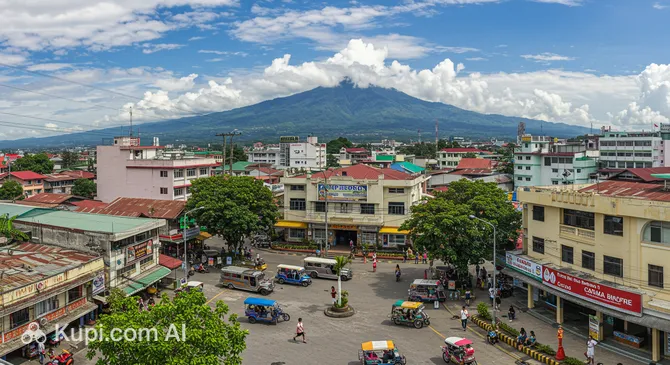
Welcome to San Pedro — a vibrant and dynamically developing city in the province of Laguna in the Philippines. Located just a few kilometers south of Metro Manila, this city serves as a "gateway" to the southern provinces of Luzon Island. Being an important transportation hub, it retains the atmosphere of a cozy suburb where modern urbanization is closely intertwined with local traditions.
San Pedro. Illustration.
Source: Kupi.com AI
Delving into the city's history, one can learn that it was founded back in 1725 under the name San Pedro de Tunasan. Today, it is one of the most densely populated areas in the region, attracting thousands of people due to its proximity to the capital. Despite its compact area of about 24 km², it is home to over 348,000 people, creating a unique rhythm of life as a "dormitory town" that never sleeps.
One of the main sources of pride for local residents is the annual Sampaguita Festival, dedicated to the national flower, jasmine. For a long time, the city was considered the center of its cultivation. Although agriculture has now given way to shopping malls and residential complexes, the spirit of hospitality and the aromas of traditional cuisine can still be found in local markets and squares.
Visiting this city is a great opportunity to see real Filipino life away from the beaten tourist paths. We invite you to experience its energy and meet its welcoming residents.
Weather Overview
San Pedro is characterized by a typical tropical climate with a pronounced alternation of dry and wet seasons. The hottest months occur from March to May, when air temperatures can reach +33°C to +34°C. The dry season lasts from December to May, which is considered the most favorable time to visit the region.
From June to November, the rainy season arrives. During this period, heavy downpours and typhoons typical of Luzon Island are possible. Expect warm days with occasional heavy rainfall; air humidity increases significantly during this time. A detailed forecast and the city's climate by month will help you better plan your travel wardrobe.
The average annual temperature stays within +27°C to +29°C. Due to dense urban development and active traffic in the city center, it can feel stifling, so having air conditioning in your accommodation will be a significant advantage for a comfortable stay.
Average monthly temperature
Average monthly precipitation
Interesting Facts
The city was officially founded in 1725, separating from the settlement of Tabuco (modern-day Cabuyao), and was originally named San Pedro de Tunasan.
San Pedro ranks 37th among the most populous cities in the Philippines, with its population growing by 11% in just the last 14 years.
Despite its small territory, the population density here reaches a striking 15,000 people per square kilometer, making it the most crowded city in the province of Laguna.
The city is named after Saint Peter the Apostle, and its symbol is the sampaguita flower (Philippine jasmine), in honor of which a large-scale festival is held.
In the past, the city's economy relied on a unique combination: the production of sampaguita flowers, duck farming, and fishing in Laguna de Bay.
How to Get There
The transport accessibility of San Pedro is due to its strategic position on the border with Metro Manila. This makes it a convenient transit hub for those heading deeper into Laguna province. You can find more detailed information about routes in the how to get there section.
The main air gateway for arriving tourists is Ninoy Aquino International Airport (MNL) in Manila. The journey from the airport terminals to the city by taxi or bus via the South Luzon Expressway (SLEX) will take 45 to 90 minutes, depending on traffic. You can also use ride-hailing apps like Grab.
Railway communication in the region is represented by the Philippine National Railways (PNR) line. Although trains do not run as frequently as buses, they remain a popular way of getting around among locals. For more flexible travel planning, most travelers choose intercity buses departing from terminals in Muntinlupa or Quezon City, which run almost around the clock.
Station
Passenger traffic
Distance
Dr. Santos station
6
16 km
FTI railway station
5
17 km
Asia World station
6
18 km
Manila International Airport LRT Station
6
19 km
Calamba railway station
6
20 km
Main Attractions
Although San Pedro is not a typical tourist center with an abundance of historical ruins, you can find several iconic places here that reflect the soul of the Laguna region. The main spiritual center of the city is the Santo Sepulcro Parish church. This temple is dedicated to Saint Peter the Apostle and attracts parishioners with its solemn atmosphere and status as a guardian of local traditions.
For fans of active recreation and sports, the KC Filipinas Golf Club is located on the outskirts of the city. This golf club offers beautifully maintained courses that are a great place for outdoor relaxation. The silence and greenery of the club contrast sharply with the busy streets of residential areas, creating an oasis of peace for citizens and guests.
Another point of attraction is the local markets and central squares, where life is especially vibrant during festivals. If your visit coincides with the Sampaguita Festival celebration, you can see bright floral parades. This is a time when the city is transformed, and the streets are filled with music and the scent of jasmine, recalling the region's glorious agricultural past.
Local Cuisine
The gastronomy of San Pedro is steeped in the traditions of Tagalog cuisine, characteristic of Laguna province. Be sure to try the classic adobo (meat stewed in soy sauce with vinegar) or the sour soup sinigang, which is prepared here with special skill. One of the local specialties is duck rice — a heritage from the times when duck farming was a key industry.
The food culture here is concentrated in small local eateries — carinderias, as well as in busy markets. For adventurous foodies, balut (duck embryo egg) or grilled chicken intestines called isaw can always be found on evening streets. If you prefer a more familiar format, popular Philippine fast-food chains like Jollibee, which have become a true symbol of the country, operate in shopping malls.
As for drinks, on a hot day there is nothing better than fresh coconut juice (buko juice) or traditional Philippine San Miguel beer. Despite the absence of high-end restaurants with world-renowned names, the food in this city wins you over with its simplicity, authenticity, and affordable prices, allowing you to feel the true taste of everyday Philippines.
Travel Tips
Preparing for a trip to a busy suburb like San Pedro requires knowing a few practical nuances that will make your visit more comfortable and safer.
Clothing and Essentials: Choose light cotton clothing as it is hot and humid. Don't forget an umbrella — tropical downpours can start suddenly. When visiting churches, it is advisable to wear items that cover your shoulders and knees.
Transport: Use Grab for trips to Manila or neighboring cities — it is more reliable and safer than hailing a taxi on the street. For moving within the city, try jeepneys, but be prepared for crowded conditions.
Finance: The official currency is the Philippine Peso (PHP). Cards are accepted in large malls, but always keep cash on hand for markets and tricycles. It is best to look for ATMs in secured shopping centers.
Health: Drink only bottled water. Pharmacies (such as Mercury Drug) are common, but it is better to bring specific medications with you.
Communication: English is widely spoken, especially among young people and service staff. Knowing a few phrases in Tagalog, such as "Salamat" (thank you), will elicit a genuine smile from locals.
Etiquette: Filipinos are very polite. Greet people with a smile. It is customary to remove your shoes when entering a private home unless the hosts indicate otherwise.
What to Avoid: Do not display expensive jewelry or large sums of money in crowded places and on public transport to avoid attracting the attention of pickpockets.
Connectivity: Buy a local SIM card (Globe or Smart) immediately at the airport or a shopping center — mobile internet is more affordable and stable here than free Wi-Fi.
May your introduction to this energetic city be filled with only pleasant discoveries and kind encounters!
Entertainment & Nightlife
The entertainment scene in San Pedro is predominantly family-oriented and relaxed, which is typical for a major suburb. You won't find loud world-class nightclubs here, but you can enjoy cozy bars and karaoke cafes scattered throughout residential areas and large shopping complexes. The evening life of locals is often centered in mall restaurants, where you can have a delicious dinner and listen to live music.
For those looking for larger-scale entertainment, trips to neighboring cities such as Santa Rosa or directly to Metro Manila are popular options. The journey to the capital takes 20 to 40 minutes by taxi or bus, making Manila's parties and concerts quite accessible for residents and guests of the suburb.
During the day, the main leisure spots are modern cinemas in malls and sports fields. Families often spend time in open spaces during local festivals. If you're looking for activity, it's worth visiting a golf club or strolling through market stalls in search of interesting finds — this is exactly how locals spend their free time.
Parks & Museums
Due to the extremely high density of buildings and urbanization, San Pedro cannot boast an abundance of large green parks. Nevertheless, locals find comfort in small squares located near the central church and in administrative centers (barangays). These spaces serve as meeting places and venues for local festivals, creating islands of tranquility amidst the city noise.
Although there are currently no classic museums in the city itself, the Santo Sepulcro Parish church and annual festivals play the role of guardian of the cultural code. They vividly demonstrate the city's history as the "sampaguita capital." For those craving a classic museum experience or walks through large-scale landscape parks, a trip to the nearby Nuvali area in Santa Rosa or a visit to the National Museum in Manila is an excellent option.
Walking through the city streets can itself become a kind of "open-air museum," where through the architecture of residential houses and the bustling life of markets, one can feel the evolution from a quiet agricultural settlement to one of the most densely populated cities in the region. The focus here is shifted from contemplating exhibits to participating in a living, dynamic daily life.
Getting Around
Public transportation in San Pedro is developed well enough to meet the needs of thousands of people commuting daily between the suburb and the capital. The most popular mode of transport is jeepneys — colorful Filipino minibuses that connect different parts of the city. Riding them is inexpensive, and routes cover almost all significant streets.
For short trips within neighborhoods, tricycles (motorcycles with sidecars) are indispensable. This is the fastest way to get from the main road to the door of your home or hotel. The city is also an important terminal for intercity buses departing for Manila and other cities in Laguna province. It is worth remembering that during peak hours (from 7 to 9 AM and from 5 to 8 PM), transport can be overcrowded, and serious traffic jams occur on the roads.
The payment system in public transport is predominantly cash — money is handed to the driver or conductor. Tourists are advised to carry small bills and coins. Pedestrian infrastructure in densely built-up areas may not be the most convenient, so for comfortable long-distance travel, it is better to use the Grab app to call a taxi.
Accommodation
The choice of accommodation in San Pedro is specific: the city is primarily oriented towards those who come here on business or seek budget long-term stays. Small pensions, apartments, and guesthouses predominate here, often rented out through popular services like Airbnb. This is an excellent option for travelers looking to save money, as accommodation prices start from 1,000 Philippine pesos per night.
If you plan to stay here, we recommend choosing residential complexes or hotels located near the main roads and the SLEX expressway. This will provide you with the most convenient access to transport and save travel time to neighboring cities or the capital. In the city center, you can find several budget hotels offering a basic set of amenities for a short-term stay.
Since San Pedro is a densely populated suburb, housing here is in demand year-round, especially among expats and migrants. We advise booking your preferred option in advance, especially if your trip falls during the Sampaguita Festival, when many guests from neighboring regions flock to the city.
Nearby Cities
San Pedro is an excellent base for exploring the southern part of Luzon Island, offering travelers easy access to neighboring cities with developed infrastructure and natural beauty. Just a 15–30 minute drive away is the city of Biñan, known for its large shopping areas and historical heritage.
It is also worth paying attention to Tunasan, which actually borders the city and is part of the busy Metro Manila. If you are looking for more modern entertainment, shopping malls, and eco-parks, be sure to check out Santa Rosa, home to the famous Nuvali district with artificial lakes and active recreation areas.
The region around the city is rich in contrasts: from dense urban development to the picturesque shores of Laguna de Bay. We recommend using buses or jeepneys for day trips to fully appreciate the diversity of this corner of the Philippines.
Shopping & Souvenirs
Shopping opportunities in San Pedro are centered around the daily needs of residents and the vibrant atmosphere of local markets. The main point of attraction is the San Pedro Town Center, which houses clothing stores, electronics, and supermarkets. It is a convenient place to buy everything you need in one place without going far from the center.
For those who want to experience the local flavor, we recommend visiting the markets in the barangays. Here you can find the freshest fruits, local delicacies, and even traditional products made from sampaguita flowers. If you are looking for souvenirs, pay attention to handmade products by local craftsmen, which are often exhibited during city festivals.
If your appetite calls for the scale of global brands, the massive malls of neighboring cities, such as Festival Mall in Muntinlupa or the shopping areas in Nuvali, are just a 15-20 minute drive away. Most shops are open from 10 AM to 9 PM, and international bank cards are accepted in large centers, although you will definitely need cash pesos at the markets.