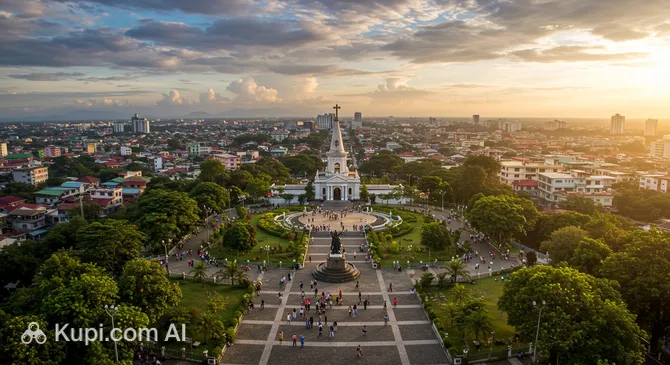
Dasmariñas is a dynamically developing city in the province of Cavite, which has become one of the most important economic and educational centers in the Philippines. Located just 30 kilometers south of Manila, it has transformed from a quiet agricultural settlement into a bustling metropolis with a population of over 740,000 people. The modern face of the city combines the energy of a major commercial hub with the coziness of residential neighborhoods, attracting those seeking a balance between proximity to the capital and provincial tranquility.
The city's geographical location makes it an important "gateway" to the southern parts of Luzon. Dasmariñas received its official city status in 2009, marking a significant milestone in its history and development. Today, the area is known for its numerous universities, modern medical centers, and large shopping complexes that shape the character of this thriving suburban center.
Dasmarinas. Illustration.
Source: Kupi.com AI
For travelers, the city is primarily interesting as a starting point for exploring the Cavite province. Here, you can feel the true rhythm of life of modern Filipinos, visit the vibrant annual "Paru-Paro" (Butterfly Festival), or enjoy shopping in one of the region's largest malls. Dasmariñas invites you to experience the hospitality of the locals and see how quickly the modern face of Philippine cities is changing.
Weather Overview
Dasmariñas is dominated by a tropical climate, typical for the entire Luzon region. There are two distinct seasons: dry and wet. The hottest time occurs in April and May, when average maximum temperatures reach +32°C...+34°C. During this period, humidity is also high, which can create an "urban heat island" effect in densely built-up areas.
The wet season begins in June and lasts until November, reaching its peak rainfall in July and August (up to 500-600 mm per month). Intense tropical downpours are common during this time, bringing long-awaited coolness but potentially causing temporary transport delays. The most pleasant time to visit the city is considered to be from December to March, when the weather is moderately warm and relatively dry, with average temperatures around +26°C.
The current city climate should be taken into account when planning your wardrobe: lightweight cotton clothing is ideal year-round, but an umbrella or a light raincoat is essential during the rainy season. Despite the precipitation, the air temperature rarely drops below +23°C, even on the coolest January nights.
Average monthly temperature
Average monthly precipitation
Interesting Facts
The city received its name in 1866 in honor of the Spanish Governor-General Gomez Perez de Dasmariñas, though the area was originally called "Tampus," which translates from Tagalog as "end of the forest."
Before achieving city status in 2009, Dasmariñas long held the title of the most populous municipality in the Philippines.
The city is home to the country's largest social housing project — Dasmariñas Bagong Bayan, established back in 1975 to relocate residents from overcrowded areas of the capital.
Dasmariñas was the first municipality in the country to have two major retail giants, SM and Robinsons, open branches simultaneously, highlighting its immense commercial potential.
The city was a site of significant events during the Philippine Revolution of 1896, specifically the historic Battle of Perez Dasmariñas.
How to Get There
The city of Dasmariñas is conveniently located at the intersection of key transport arteries in Cavite province, making it easily accessible from the capital of the Philippines. You can reach the city from Manila by car or public transport; however, keep in mind that due to high population density and active traffic, the 30-kilometer journey can take anywhere from 1.5 to 2.5 hours, especially during morning and evening rush hours.
For those planning a trip through other regions, the main modes of transportation remain long-distance buses and public utility jeeps (jeepneys). Buses heading towards southern Cavite and Batangas regularly pass through the city's main terminals. There is currently no rail service within the city itself, so the focus should be on road transport.
The nearest major air hub is Ninoy Aquino International Airport in Manila. From there, the most convenient way to reach Dasmariñas is by licensed taxi or by booking a ride through the Grab mobile app. This ensures a fixed fare and comfort after your flight.
Station
Passenger traffic
Distance
Dr. Santos station
6
21 km
Asia World station
6
23 km
Calamba railway station
6
24 km
FTI railway station
5
24 km
Manila International Airport LRT Station
6
25 km
Main Attractions
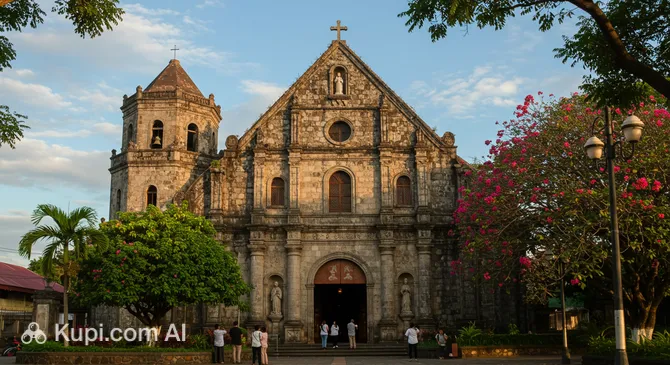
Although Dasmariñas is largely oriented towards trade and education, there are several notable places worth visiting. The spiritual heart of the city is the Immaculate Conception Parish Church. This historical building holds great significance for the local community and has witnessed many important events in the city's life.
Immaculate Conception Parish Church (Dasmariñas). Illustration.
Source: Kupi.com AI
Traveler photos:
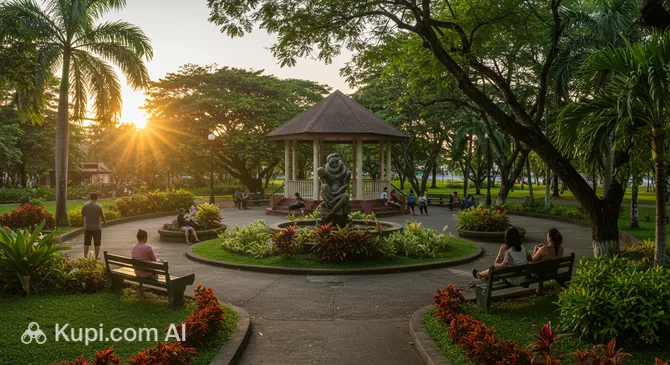
For those seeking outdoor relaxation, Kadiwa Park is an excellent choice. This is a popular spot among locals where you can take a stroll and enjoy the greenery amidst the city bustle. Families with children often choose this park for evening walks and active recreation.
Kadiwa Park. Illustration.
Source: Kupi.com AI
Traveler photos:
Sports enthusiasts and those looking for elite recreation should look into The Orchard Golf & Country Club. This is a prestigious world-class golf club with superbly maintained courses. Additionally, a major part of cultural life is the Paru-Paro Festival, which turns the city streets into a vibrant carnival procession symbolizing the transformation and growth of Dasmariñas.
Local Cuisine
The culinary scene in Dasmariñas is a vibrant kaleidoscope of classic Filipino cuisine with noticeable influences from Spanish and Chinese traditions. You must try adobo (meat braised in soy sauce and vinegar), the hearty sinigang soup with its signature sour flavor, and various rice dishes. Most popular establishments are concentrated in major shopping malls, where modern restaurants sit alongside traditional eateries.
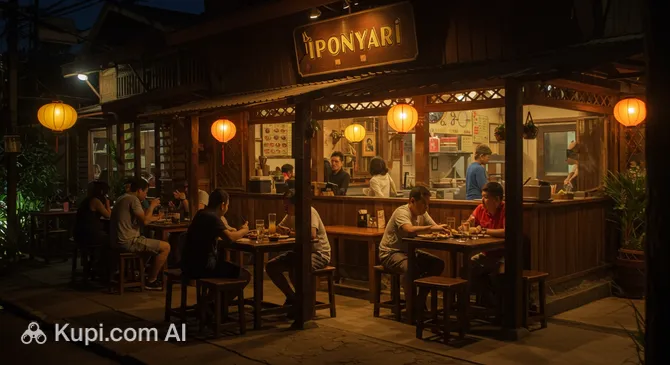
If you're craving Japanese food, stop by the Ipponyari restaurant. This establishment is known for its authentic approach to sushi and ramen, making it a favorite for both locals and visitors. For those who prefer a quick and familiar snack, the doors of retail giants like Dasma Palapala are always open.
Ipponyari. Illustration.
Source: Kupi.com AI
Traveler photos:
Street food is an integral part of the city's culture. In local markets and along busy streets, you can find stalls selling lumpia (Filipino spring rolls), grilled skewers, and the exotic delicacy balut. Be sure to try refreshing young coconut juice (buko) or a classic mango shake, which is prepared excellently in the Philippines. You can round off your meal with a cup of strong local coffee grown in the neighboring districts of Cavite province.
Travel Tips
Welcome to Dasmariñas! To make your introduction to this dynamic city as comfortable and interesting as possible, we have prepared a list of practical recommendations from experienced travelers.
Clothing and Essentials: Choose lightweight clothing made from natural fabrics, as a hot tropical climate prevails in the Philippines. When visiting the Immaculate Conception Parish Church, observe the dress code: shoulders and knees should be covered. Don't forget comfortable walking shoes and a power adapter (usually Type A or B).
Transportation: Try to avoid traveling during peak hours (7:00–9:00 and 17:00–19:00) when traffic jams can paralyze movement. For comfort and safety, use the Grab app to call a taxi.
Finances: The official currency is the Philippine Peso (PHP). Large shopping centers like SM City accept cards, but for paying in jeepneys, tricycles, and at markets, you will definitely need small-denomination cash.
Health and Safety: Dasmariñas is generally safe, but observe standard precautions: watch your bags in crowded places and avoid night walks in unfamiliar residential areas. Drink only bottled water.
Communication: The main language is Tagalog, but English is very widespread, especially in malls and hotels. You can buy a local SIM card (Globe or Smart) at any large shopping center for constant internet access.
Local Etiquette: Filipinos are very friendly. A traditional greeting for elders is mano po (touching the elder's hand to your forehead), but this is not expected from tourists—a polite smile and a nod are sufficient.
What to Avoid: Avoid criticizing the local cuisine or traditions in conversation with residents—Filipinos are very proud of their culture. Also, it's best not to engage in political debates.
Planning: If you want to visit historical museums, it's better to set aside a whole day to travel to the neighboring Cavite City or Manila, as the selection within Dasmariñas itself is limited.
May your trip to Dasmariñas be a bright and pleasant discovery, full of hospitality and new impressions!
Entertainment & Nightlife
Nightlife in Dasmariñas is more relaxed and family-oriented compared to the busy streets of Manila. The main center for evening entertainment is the SM City Dasmariñas shopping complex, which houses modern cinemas, bowling centers, and amusement arcades. You can spend time here with friends or family until late in the evening, enjoying a safe and comfortable atmosphere.
For those who want to spend a pleasant evening with dinner and drinks, a popular spot is Gerry's Grill, located within the same shopping mall. They serve classic Filipino appetizers that pair perfectly with local beer, while live music or sports broadcasts create a laid-back vibe.
Gerry's Grill, SM Dasmariñas. Illustration.
Source: Kupi.com AI
Traveler photos:
If you are looking for more active nightclubs or bars with dance floors, locals often recommend heading to neighboring areas or towards Manila. However, Dasmariñas itself hosts the vibrant Paru-Paro Festival annually, during which the streets come alive with street dancing, concerts, and cultural performances that attract visitors from all over the province.
Parks & Museums
The green zones and cultural sites of Dasmariñas reflect its status as a fast-growing residential and educational hub. One of the main places for outdoor relaxation is Kadiwa Park. It features walking paths and a landscaped design with animal figures, making it particularly attractive for family walks and vibrant photos.
In terms of architectural heritage, the historic Immaculate Conception Parish Church is of undeniable interest. This building is not only a place of worship but also holds within its walls the memory of historical events from the era of Filipino-Spanish encounters. The atmosphere of peace and antiquity inside the church contrasts with the dynamic rhythm of the modern city.
While there are few large museums in Dasmariñas itself, the city is proud of its university campuses, which often house their own galleries and exhibition spaces. Those longing for a deep dive into the history of the Philippine Revolution are recommended to visit museums in the neighboring Cavite City or the capital region, which can be easily reached within a day. In Dasmariñas itself, it is best to focus on attending the annual Paru-Paro Festival, which serves as a living museum of local culture and traditions.
Getting Around
Public transport in Dasmariñas is typical for large Filipino cities and relies on a combination of buses, jeepneys, and tricycles. The city's main transport arteries are busy with long-distance buses connecting Cavite province to Manila. For short-distance trips within neighborhoods, locals most often use jeepneys — colorful minibuses that have become a symbol of the Philippines.
The cost of public transport remains very low, but the payment system is decentralized — fares for jeepneys and tricycles are paid in cash to the driver or conductor. When planning trips, tourists should keep in mind that during peak hours (7 AM to 9 AM and 5 PM to 7 PM), city roads are often gridlocked with serious traffic jams, which can significantly increase travel time.
The most convenient and safe way for foreign guests to get around is using the Grab mobile app to book a taxi. This allows you to see the fare and route in advance. Car rental is also popular in the city, which is especially relevant if you plan to explore the surroundings and neighboring towns like Tagaytay or Silang.
Accommodation
The hotel sector in Dasmariñas is primarily represented by options catering to business travelers, students, and those visiting the city for work. Unlike the country's beach resorts, the area is dominated by apartments, guesthouses, and mid-range hotels located near major shopping centers and universities. For short-term stays, travelers are better off choosing accommodation in central areas for quick access to transport and cafes.
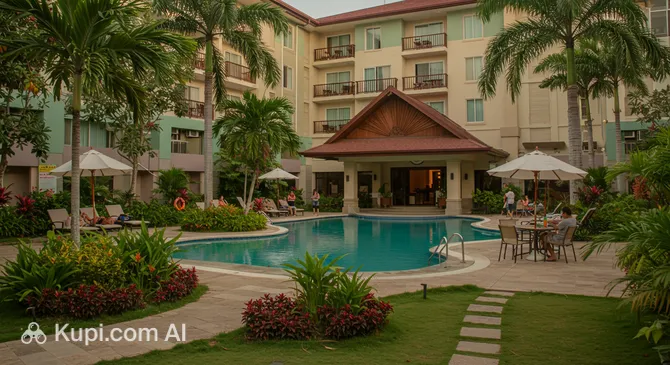
One of the popular leisure spots within the city limits is the Tubigan Garden Resort. This venue offers guests the chance to relax in swimming pools and enjoy a tropical atmosphere without leaving Dasmariñas. Such complexes are often chosen for celebrations and weekend getaways.
Tubigan Garden Resort. Illustration.
Source: Kupi.com AI
Traveler photos:
Another option for comfortable accommodation is Volet's Resort Hotel & Restaurant. This hotel combines lodging with water park facilities, making it an excellent choice for families with children. It is recommended to book stays at such popular complexes in advance, especially if your trip falls on a weekend or holiday.
Volet's Resort Hotel & Restaurant. Illustration.
Source: Kupi.com AI
Traveler photos:
The price range for accommodation in the city remains very affordable compared to Manila. Most booking options are available through international online platforms. If you require luxury five-star service, you might consider staying in the neighboring capital or in Tagaytay, making day trips to Dasmariñas.
Nearby Cities
The city of Dasmariñas serves as an excellent starting point for exploring the attractions of Cavite province and neighboring regions. Thanks to the well-developed transport links, you can easily plan day trips to historical monuments or the natural beauties of Luzon, returning to the city by evening.
Just a few kilometers away is Silang, known for its picturesque farms and ancient churches. Also nearby is General Mariano Alvarez, an actively developing neighboring municipality. If you're interested in history, it's worth visiting Cavite City, where museums dedicated to the country's struggle for independence are concentrated, or heading to Trece Martires, the administrative center of the province.
For those seeking cooler weather and beautiful views, Tagaytay is a must-see. Located about 40 minutes away, this city is famous for its view of the Taal Volcano and fresh mountain air. Exploring the surroundings of Dasmariñas will allow you to see the many facets of the Philippines — from bustling shopping centers to quiet farmlands.
Shopping & Souvenirs
Shopping in Dasmariñas is one of the main pastimes for residents and visitors alike. The city is rightfully considered the commercial hub of Cavite province. The main point of attraction is the massive SM City Dasmariñas complex, where you can find literally everything: from trendy international fashion brands to modern electronics and home goods. It's the perfect place to spend an entire day combining shopping with lunch at one of the many cafes.
For those who prefer more compact shopping venues, Dasmariñas Mall (WalterMart) is a great choice. It offers a more relaxed atmosphere, convenient for everyday purchases. Also, check out the Unitop Dasmariñas shopping center, known for its wide range of affordable goods and household items.
Dasmariñas Mall. Illustration.
Source: Kupi.com AI
Traveler photos:
If you're looking for authentic Filipino products and fresh food, head to the local markets. There you can find textiles, woven baskets, and, of course, the famous Filipino souvenirs. Shops in the malls usually operate from 10:00 AM to 9:00 PM or 10:00 PM, and both cash (pesos) and international bank cards are accepted for payment.